
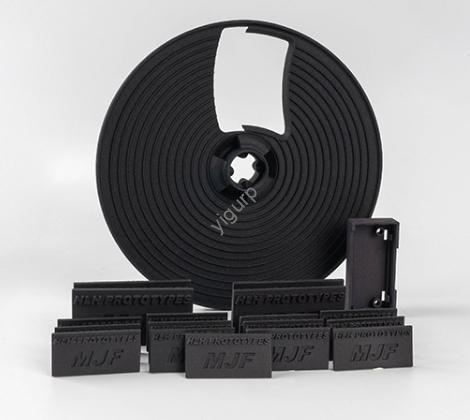
Quando você precisar de pequenos lotes de peças plásticas para desenvolvimento de produtos, seja uma carcaça de robô, um componente de dispositivo médico, or a consumer electronics enclosure—the plastic vacuum replica prototype model process stands out as a game-changer. Ao contrário da moldagem por injeção tradicional que requer custos elevados, moldes demorados, esta tecnologia fornece peças de alta qualidade de forma rápida e acessível. Neste guia, we’ll break down every step of the process, suas principais vantagens, aplicações do mundo real, and how to solve common challenges—all with data and examples to help you make informed decisions.
1. Step-by-Step Plastic Vacuum Replica Prototype Model Process
The process follows a clear, linear workflow that turns a design into physical parts. Each step is critical to ensuring precision and consistency, so skipping or rushing any phase can lead to flawed prototypes.
Phase 1: Create the Master Prototype
Primeiro, you need a master prototype—this is the “template” for your replicas. The quality of the master directly impacts the final parts.
- Common Manufacturing Methods: Most teams use Usinagem CNC (for rigid, precise parts like robot gears) ou SLA (Estereolitografia) 3Impressão D (for complex shapes with fine details, such as medical device housings).
- Key Requirement: The master must be smooth and free of defects. Por exemplo, if you’re making a replica of a smartphone-sized robot shell, the master’s edges should be even—any bump or scratch will show up in every replica.
Phase 2: Make the Silicone Mold
Próximo, you’ll create a silicone mold around the master prototype. Silicone is ideal because it’s flexible, chemically stable, and captures tiny details (like textures or logos) perfectly.
- Processo: Pour liquid silicone over the master in a vacuum chamber—this removes air bubbles that could ruin details. Let the silicone cure (usually 4–8 hours at room temperature, or 1–2 hours with heat).
- Mold Life Note: A standard silicone mold can produce 15–20 replicas before it starts to degrade. For parts with special needs (por exemplo, transparent plastic or complex internal structures), the mold life drops to 10–12 replicas.
Phase 3: Vacuum Injection & Cura
The final step is injecting material into the mold and curing it to form the replica.
- Seleção de Materiais: Usar polyurethane resin (the most common choice) because it can mimic different plastic properties—rigid, elástico, transparente, or colored.
- Processo de injeção: Place the silicone mold in a vacuum environment to avoid air bubbles. Inject the polyurethane resin, then cure it at a controlled temperature (typically 60–80°C) for 30–60 minutes.
- Controle de qualidade: Depois de curar, remove the part from the mold. Check for smooth surfaces and accurate dimensions—this ensures it matches the master prototype.
2. Key Advantages of the Plastic Vacuum Replica Process
Why choose this method over traditional manufacturing? Let’s compare it to injection molding (uma alternativa comum) and highlight its unique benefits with data.
Comparação: Vacuum Replica vs. Traditional Injection Molding
| Fator | Plastic Vacuum Replica | Traditional Injection Molding |
| Mold Cost | Baixo (\(500–\)2,000 per mold) | Alto (\(10,000–\)50,000+ per mold) |
| Tempo de produção | Rápido (10–15 days for 50 peças) | Lento (4–8 weeks to make mold + 1–2 weeks for parts) |
| Tamanho do lote | Ideal for small batches (1–50 peças) | Best for large batches (1,000+ peças) |
| Precisão | Alto (standard tolerance: ±0.15mm/100mm; máx.: ±0,05 mm) | Very high (±0.02mm/100mm) but overkill for prototypes |
| Flexibilidade de materiais | Wide (rigid/elastic/transparent/colored polyurethane) | Limitado (needs resin compatible with high-temperature molding) |
Standout Benefits for Product Teams
- Low Cost, Entrega rápida: For a startup testing a new robot’s plastic gripper, vacuum replica costs $800 para 20 peças (contra. $15,000 for an injection mold). It also cuts wait time from 2 meses para 2 semanas.
- Alta Precisão & Realistic Surfaces: Replicas have a surface finish almost identical to injection-molded parts. A consumer electronics company used this process to test a wireless speaker’s plastic case—focus groups couldn’t tell the replica apart from the final product.
- Material Diversity: Need a flexible part (like a robot’s rubberized foot) or a transparent one (like a medical device’s view window)? Polyurethane resins can match both—no need to switch manufacturing methods.
3. Real-World Application Scenarios & Estudos de caso
The plastic vacuum replica process works across industries, from automotive to medical. Below are three common use cases with concrete examples.
Use Case 1: Teste Funcional (Before Mass Production)
Before investing in large-scale manufacturing, teams use replicas to test if parts work as intended.
- Estudo de caso: An automotive company was developing a new electric vehicle’s dashboard control panel. They made 10 vacuum replicas of the plastic panel, installed electronic components, and tested how well buttons and screens fit. They discovered a 2mm gap between the screen and the panel—fixing this in the design saved them $20,000 in injection mold rework later.
Use Case 2: Aesthetic Research (Choosing Designs)
Designers use colored or textured replicas to pick the best look for a product.
- Estudo de caso: A consumer robotics brand wanted to launch a robot vacuum with a sleek exterior. They made 5 réplicas: 2 matte colors (preto, branco) e 3 glossy colors (navy, prata, gray). They tested them with 100 customers—65% preferred the matte white version. Using replicas let them avoid making 5 different injection molds (salvando $30,000).
Use Case 3: Produção de baixo volume (Pequenos lotes)
When you need just a few parts (por exemplo, for a limited-edition product or replacement parts), vacuum replica is cost-effective.
- Estudo de caso: A medical device maker needed 30 plastic covers for a specialized ultrasound probe (used in 10 hospitals for a clinical trial). Injection molding would have cost $12,000 for a mold—vacuum replica cost $1,800 total and delivered parts in 12 dias.
4. Technical Challenges & Practical Solutions
Like any manufacturing process, plastic vacuum replica has challenges—but they’re easy to solve with the right strategies.
Desafio 1: Limited Silicone Mold Life
- Problema: Como mencionado anteriormente, a silicone mold only lasts 10–20 replicas. For parts with complex details (por exemplo, a robot’s gear housing with tiny teeth), the mold may wear out even faster.
- Solução: Optimize the mold material and curing process. Use high-temperature-resistant silicone (instead of standard silicone) to extend life by 30%. Também, cure the silicone at 70°C (contra. temperatura ambiente)—this makes the mold harder and more durable. A robotics company used this trick to get 26 replicas from one mold (acima de 20).
Desafio 2: Wall Thickness Limits
- Problema: The minimum wall thickness for replicas is 0.5mm. If you design a part thinner than that, it will crack or warp during curing. The optimal range is 1.5mm–2.5mm.
- Solução: Adjust the design early. Use 3D modeling software (like SolidWorks) to check wall thickness before making the master prototype. Por exemplo, a team designing a thin plastic sensor cover for a drone realized their initial design was 0.3mm thick—they increased it to 1.5mm, and the replicas held up perfectly during testing.
Desafio 3: Maintaining Precision
- Problema: While the process is precise, temperature or pressure changes during injection can throw off dimensions (por exemplo, a part that’s supposed to be 100mm long ends up 100.2mm long).
- Solução: Control process parameters tightly. Keep the injection temperature at a constant 75°C (±2°C) and the vacuum pressure at 0.08MPa. Use a digital controller to monitor these values in real time. A medical device maker did this and reduced tolerance errors from ±0.1mm to ±0.07mm—meeting strict industry standards.
5. Future Trends in Plastic Vacuum Replica Technology
The process is evolving to meet new industry needs, with three key trends leading the way:
- Better Materials: Companies are developing polyurethane resins that are more heat-resistant (até 150ºC, contra. 80°C now) e resistente a impactos. This will let replicas be used in high-temperature environments—like under the hood of a car or in industrial robots.
- Produção Automatizada: Automated machines are being added to the process—for example, robots that pour silicone into molds and remove cured replicas. This cuts labor costs by 40% and reduces human error (por exemplo, uneven silicone pouring).
- Eco-Friendly Options: Environmentally friendly polyurethane resins (made from plant-based materials) are being tested. These resins emit 50% fewer harmful chemicals than traditional ones—great for companies focused on sustainability.
Yigu Technology’s Perspective on Plastic Vacuum Replica Prototypes
Na tecnologia Yigu, we see the plastic vacuum replica prototype model process as a must-have for product teams—especially those in robotics, dispositivos médicos, e eletrônicos de consumo. It solves a big pain point: getting high-quality parts fast without spending a fortune on molds. We advise clients to use this process for functional testing and low-volume production, then switch to injection molding only when batch sizes hit 1,000+. Our team recently helped a startup cut their robot prototype costs by 60% using vacuum replica—and they got parts in 10 days instead of 6 semanas. This speed and savings let them iterate faster and launch their product ahead of competitors.
Perguntas frequentes
- How much does a plastic vacuum replica prototype cost?
Costs depend on part size and quantity. A small part (por exemplo, a 5cm x 5cm robot component) costs $15–$30 per replica. Para 20 peças, total cost is $300–$600 (including mold cost). This is 70–80% cheaper than injection molding for small batches.
- How long does the entire process take?
From master prototype to finished replicas: 10–15 days. Breaking it down: master prototype (3–5 dias), molde de silicone (2–3 dias), vacuum injection & cura (5–7 dias). Para projetos urgentes, you can speed it up to 7–10 days by using faster-curing silicone.
- Can plastic vacuum replicas be used as final products (não apenas protótipos)?
Yes—for low-volume final products. Por exemplo, if you’re making 50 limited-edition wireless earbud cases, replicas are a good choice. But for large batches (1,000+), injection molding is cheaper per part (even with the high mold cost). Replicas also work well for replacement parts (por exemplo, 20 plastic covers for old medical devices).