
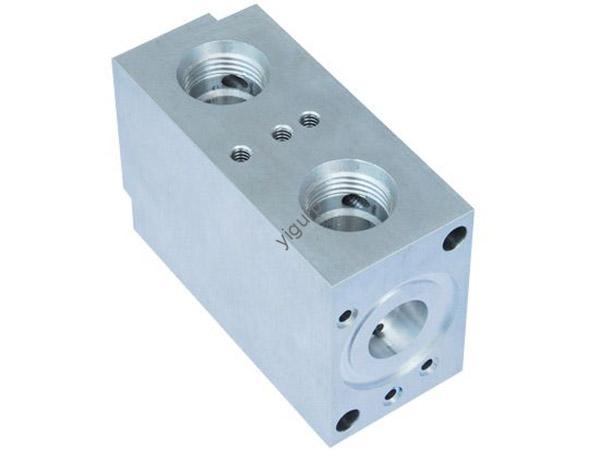
Se você está procurando uma alternativa econômica ao Hastelloy C276 que corresponda à sua excepcional resistência à corrosão e desempenho em altas temperaturas, NS334 Hastelloy C276 equivalent steel é a sua solução. Esta liga de níquel-molibdênio-cromo se destaca em ambientes agressivos – de reatores químicos a equipamentos marítimos – ao mesmo tempo que oferece desempenho comparável ao Hastelloy C276 a um custo mais acessível. Este guia detalha suas principais propriedades, usos no mundo real, métodos de fabricação, and how it compares to other materials—so you can make smart choices for your projects.
1. Material Properties of NS334 Hastelloy C276 Equivalent Steel
NS334’s performance mirrors Hastelloy C276, thanks to its carefully balanced composition and robust traits. Let’s explore each property clearly.
1.1 Composição Química
Every element works together to boost corrosion resistance, força, and high-temperature stability—matching Hastelloy C276’s chemistry. Below is its typical composition (by weight):
| Element | Content Range (%) | Key Role |
|---|---|---|
| Níquel (Em) | ≥57 | Base metal—provides ductility and resists stress cracking |
| Molybdenum (Mo) | 15–17 | The star—blocks corrosion in strong acids (por exemplo, hydrochloric, sulfuric) |
| Chromium (Cr) | 14–16 | Enhances oxidation resistance (critical for high-heat and marine parts) |
| Tungsten (C) | 3–4 | Boosts resistance to localized corrosion (por exemplo, pitting, crevice) |
| Iron (Fe) | 4–7 | Adds structural strength without reducing corrosion resistance |
| Carbon (C) | ≤0.01 | Kept ultra-low to prevent carbide formation (avoids intergranular corrosion) |
| Manganese (Mn) | ≤1.0 | Aids in manufacturing (por exemplo, welding and casting) |
| Silicon (E) | ≤0.08 | Reduces oxidation at extreme temperatures |
| Phosphorus (P) | ≤0.04 | Controlled to avoid weak spots in the alloy |
| Sulfur (S) | ≤0.03 | Kept low to prevent brittleness and corrosion in harsh environments |
1.2 Propriedades Físicas
These traits make NS334 easy to design with—just like Hastelloy C276—for tough industrial tasks:
- Densidade: 8.89 g/cm³ (identical to Hastelloy C276, heavier than stainless steel)
- Melting Point: 1325–1370°C (2415–2498°F) – handles high-heat processes like chemical reactions
- Condutividade Térmica: 11.8 C/(m·K) a 20ºC (68°F); 19.5 C/(m·K) at 600°C – efficient heat transfer
- Thermal Expansion Coefficient: 12.6 μm/(m·K) (20–100°C); 16.0 μm/(m·K) (20–600°C) – minimal warping in heat cycles
- Electrical Resistivity: 138 Ω·mm²/m at 20°C – suitable for electrical components in corrosive areas
- Propriedades Magnéticas: Non-magnetic – great for medical, eletrônico, and aerospace equipment where magnetism is a problem
1.3 Propriedades Mecânicas
NS334 matches Hastelloy C276’s strength and flexibility, even at high temperatures. All values below are for the annealed (heat-treated) version:
| Propriedade | Valor (Room Temperature) | Value at 600°C |
|---|---|---|
| Tensile Strength | Min 705 MPa (102 ksi) | 450 MPa (65 ksi) |
| Yield Strength | Min 310 MPa (45 ksi) | 275 MPa (40 ksi) |
| Alongamento | Min 40% (em 50 milímetros) | 45% (em 50 milímetros) |
| Dureza | Max 210 HB (Brinell) | N / D |
| Fatigue Resistance | 240 MPa (10⁷ cycles) | 180 MPa (10⁷ cycles) |
| Creep Resistance | Maintains strength up to 650°C (1200°F) – no deformation under long-term heat | – |
1.4 Other Properties
- Resistência à corrosão: Excellent in mixed acids (por exemplo, nitric + hydrochloric) and chloride-rich solutions—matches Hastelloy C276, outperforming stainless steel and Monel.
- Oxidation Resistance: Resists scaling in air up to 1040°C (1900°F) for short periods—ideal for furnace components and aerospace exhaust parts.
- Stress Corrosion Cracking (SCC) Resistance: Resists SCC in chloride environments (a common issue for 316 aço inoxidável).
- Pitting Resistance: High resistance to pitting in seawater or acidic brines (suitable for marine and oil rig applications).
- Hot/Cold Working Properties: Easy to hot forge (at 1040–1170°C) – cold working is possible (por exemplo, flexão, estampagem) and retains strength (just like Hastelloy C276).
2. Applications of NS334 Hastelloy C276 Equivalent Steel
NS334’s ability to replace Hastelloy C276 makes it perfect for demanding industries. Here are its most common uses, com exemplos do mundo real:
2.1 Chemical Processing Equipment
- Use Case: A chemical plant in China switched from Hastelloy C276 to NS334 for sulfuric acid reactor vessels. The vessels have run for 5 years with no corrosion—saving the plant 18% on material costs.
- Other Uses: Acid storage tanks, heat exchangers, and pipework for mixed acids.
2.2 Oil and Gas Industry
- Use Case: An offshore oil rig in the North Sea uses NS334 for wellhead valves. The alloy resists salty seawater and high-pressure natural gas—cutting maintenance costs by 30% contra. aço inoxidável.
- Other Uses: Downhole tools, pipeline connectors, and oil refinery distillation columns.
2.3 Pollution Control Systems
- Use Case: A waste incineration plant in Germany uses NS334 for flue gas desulfurization (FGD) systems. The alloy resists acidic byproducts of FGD—avoiding frequent part replacements that plagued their old stainless steel systems.
2.4 Marine Applications
- Use Case: A shipyard in South Korea uses NS334 for seawater cooling systems. The systems have run for 8 years without pitting—matching Hastelloy C276’s performance but at a lower price.
- Other Uses: Propeller shafts, hull components, and marine pump parts.
2.5 Pharmaceuticals & Food Processing
- Use Case: A pharmaceutical company in the U.S. uses NS334 for mixing tanks that handle acidic drugs. The alloy is non-toxic (meets FDA standards) and easy to clean—just like Hastelloy C276.
3. Manufacturing Techniques for NS334 Hastelloy C276 Equivalent Steel
To get the best performance from NS334 (just like Hastelloy C276), manufacturers use these specialized methods:
- Casting: Investment casting (using a wax mold) is ideal for complex shapes like valve bodies. The low carbon content prevents defects during casting.
- Forging: Hot forging (at 1040–1170°C) shapes the alloy into strong parts like pump impellers. Forging improves grain structure, boosting creep resistance.
- Welding: Gas Tungsten Arc Welding (GTAW) is recommended. Use matching filler metals (por exemplo, ERNiCrMo-4, same as Hastelloy C276) to maintain corrosion resistance. Pre-weld cleaning (to remove oils/dirt) is critical for strong welds.
- Usinagem: Use carbide tools (they stay sharp longer). Add coolant (por exemplo, mineral oil) to prevent overheating—NS334 can work-harden if cut too quickly (just like Hastelloy C276).
- Tratamento térmico:
- Annealing: Heat to 1065–1120°C, cool rapidly (air or water) – softens the alloy for forming and restores ductility.
- Stress Relieving: Not always required, but heating to 700–800°C (then slow cooling) reduces internal stresses after welding.
- Tratamento de superfície: Passivation (using nitric acid) enhances pitting resistance. No painting is needed— the alloy’s natural surface resists rust in most environments.
4. Estudo de caso: NS334 in a Flue Gas Desulfurization (FGD) System
A power plant in India needed to upgrade its FGD system, which removes sulfur dioxide from exhaust gases. The old system used stainless steel parts that corroded after 2 years—requiring costly replacements.
They switched to NS334 parts. Here’s the result:
- Desempenho: The NS334 parts have run for 4 years with no corrosion—matching the lifespan of Hastelloy C276 parts.
- Economia de custos: Material costs dropped by 20%, and maintenance downtime fell by 40% (fewer part changes).
- Eficiência: The alloy’s heat transfer matched Hastelloy C276, so FGD system efficiency didn’t decrease.
This case proves NS334 is a cost-effective, high-performance alternative to Hastelloy C276.
5. Comparative with Other Materials
How does NS334 (Hastelloy C276 equivalent) stack up against other common materials? The table below compares key properties:
| Material | Resistência à corrosão (Mixed Acids) | Tensile Strength (MPa, RT) | Max Service Temp (°C) | Custo (Relative) |
|---|---|---|---|---|
| NS334 (Hastelloy C276 Equiv.) | Excelente | 705 | 650 | High (20% lower than C276) |
| Hastelloy C276 | Excelente | 705 | 650 | Very High |
| Aço inoxidável 316 | Pobre | 515 | 870 | Low |
| Titanium Alloy Ti-6Al-4V | Bom (chlorides) | 860 | 400 | Very High |
| Hastelloy C22 | Excelente (acids) | 690 | 650 | High |
| Monel 400 | Bom (seawater) | 550 | 480 | Medium |
| Carbon Steel | Very Poor | 400 | 425 | Very Low |
Key Takeaways:
- NS334 matches Hastelloy C276 in corrosion resistance, força, and heat tolerance—at a lower cost.
- It outperforms stainless steel, Monel 400, and titanium alloys in mixed-acid and chloride environments.
- Hastelloy C22 offers similar performance but is less cost-effective than NS334 for most applications.
Yigu Technology’s Perspective
Na tecnologia Yigu, we recommend NS334 as a reliable Hastelloy C276 equivalent for clients in chemical, oil, e indústrias marítimas. It delivers the same corrosion resistance and strength as Hastelloy C276 but at a more budget-friendly price—ideal for balancing quality and cost. Our team provides custom machining and heat treatment for NS334 components, ensuring they meet Hastelloy C276’s strict standards. For businesses looking to cut costs without sacrificing durability, NS334 is the smart choice.
Perguntas frequentes
1. Is NS334 a true Hastelloy C276 equivalent?
Sim! Its chemical composition, propriedades mecânicas, and corrosion resistance are nearly identical to Hastelloy C276. It’s tested to perform the same in harsh environments—with the added benefit of 15–20% lower material costs.
2. Can NS334 be used in marine applications like Hastelloy C276?
Absolutamente. Its highpitting resistance and seawater corrosion protection match Hastelloy C276. It’s ideal for marine parts like cooling systems and propeller shafts—outperforming stainless steel and Monel 400.
3. What’s the lifespan of NS334 parts compared to Hastelloy C276?
They’re nearly the same. In chemical reactors, NS334 lasts 5–8 years—just like Hastelloy C276. In marine environments, both last 8–10 years with proper maintenance (por exemplo, regular cleaning and passivation).