
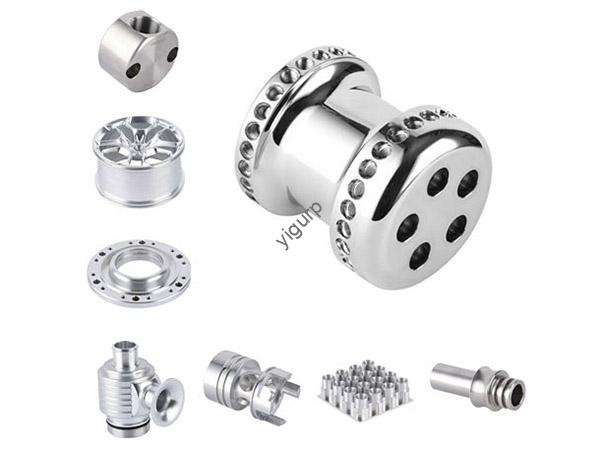
O aço estrutural Nak55 é uma liga premium adaptada para fabricação de precisão, celebrated for its balanced blend of excelente resistência ao desgaste, alta tenacidade, e resistência à corrosão confiável. Its carefully calibrated composição química—with controlled chromium, molibdênio, e adições de vanádio - o torna a melhor escolha para aplicações exigentes, como moldes de injeção de plástico, ferramentas de fundição, and high-performance components in aerospace and automotive industries. Neste guia, vamos detalhar suas principais características, usos no mundo real, processos de fabricação, e como ele se compara a outros materiais, helping you select it for projects that require both precision and durability.
1. Key Material Properties of Nak55 Structural Steel
Nak55’s performance stems from its optimized composição química, which delivers consistent physical and mechanical properties tailored for precision engineering tasks.
Composição Química
Nak55’s formula is balanced to prioritize toughness and wear resistance, with fixed ranges for key elements:
- Conteúdo de carbono: 0.30-0.40% (balances strength and resistência—low enough to avoid brittleness in large molds, high enough to form hard carbides for wear resistance)
- Conteúdo de cromo: 3.00-3.50% (forms a protective oxide layer for boa resistência à corrosão and enhances hardenability, ensuring uniform heat treatment results)
- Conteúdo de molibdênio: 0.20-0.40% (boosts high-temperature strength and thermal fatigue resistance, ideal for die casting molds exposed to molten metals)
- Conteúdo de vanádio: 0.10-0.20% (refines grain size, improves toughness, and forms small vanadium carbides that enhance resistência ao desgaste)
- Manganese content: 0.20-0.50% (enhances hardenability without creating coarse carbides that weaken the steel)
- Silicon content: 0.10-0.30% (aids in deoxidation during manufacturing and stabilizes high-temperature performance)
- Phosphorus content: ≤0.03% (strictly controlled to prevent cold brittleness, critical for molds used in low-temperature environments)
- Sulfur content: ≤0.03% (ultra-low to maintain toughness and avoid cracking during forming or machining)
Propriedades Físicas
| Propriedade | Fixed Typical Value for Nak55 Structural Steel |
| Densidade | ~7.85 g/cm³ (compatible with standard mold and component designs) |
| Condutividade térmica | ~35 W/(m·K) (at 20°C—enables efficient heat dissipation in die casting molds, reducing thermal distortion) |
| Specific heat capacity | ~0.48 kJ/(kg·K) (a 20ºC) |
| Coefficient of thermal expansion | ~11 x 10⁻⁶/°C (20-500°C—minimizes dimensional changes in precision molds, ensuring part consistency) |
| Magnetic properties | Ferromagnético (retains magnetism in all heat-treated states, consistent with structural and tool-grade steels) |
Propriedades Mecânicas
After standard heat treatment (recozimento + têmpera + têmpera), Nak55 delivers reliable performance for precision applications:
- Resistência à tracção: ~1500-1800 MPa (suitable for load-bearing components like automotive transmission parts and mold cores)
- Força de rendimento: ~1200-1500 MPa (ensures parts resist permanent deformation under injection pressure or casting loads)
- Alongamento: ~10-15% (em 50 mm—high enough to avoid cracking during mold assembly or component installation)
- Dureza (Rockwell C scale): 52-56 CDH (after heat treatment—ideal for balancing wear resistance and machinability; softer than D2 tool steel but tougher)
- Força de fadiga: ~700-800 MPa (at 10⁷ cycles—critical for high-volume molds used 100,000+ times, like plastic injection tools)
- Resistência ao impacto: Moderate to high (~40-50 J/cm² at room temperature)—higher than many tool steels, making it suitable for large molds that withstand assembly stress.
Outras propriedades críticas
- Excellent wear resistance: Chromium and vanadium carbides resist abrasion, extending the life of molds (por exemplo, 300,000+ cycles for plastic injection molds) and components.
- Boa resistência à corrosão: Chromium oxide layer protects against plastic resins, die casting fluids, and mild chemicals, avoiding staining or degradation.
- Alta tenacidade: Balanced with hardness, so Nak55 withstands clamping pressure (até 8,000 kN for medium-sized molds) sem rachar.
- Usinabilidade: Moderate—annealed Nak55 (hardness ~200-230 Brinell) is easy to machine with carbide tools; post-heat-treatment grinding is straightforward for precision finishes.
- Weldability: With caution—high alloy content increases cracking risk; preheating (250-300°C) and post-weld tempering are required for mold repairs or component modifications.
2. Real-World Applications of Nak55 Structural Steel
Nak55’s versatility and balanced properties make it ideal for industries that demand precision, durabilidade, e consistência. Aqui estão seus usos mais comuns:
Moldagem por injeção de plástico
- Molds for plastic parts: Molds for consumer electronics (por exemplo, invólucros de laptop) use Nak55—resistência withstands daily clamping cycles, e resistência à corrosão resists plastic resin chemicals, ensuring no part staining.
- Core and cavity components: Precision mold cores (for small holes in plastic parts) use Nak55—wear resistance maintains tight tolerances (±0,002 mm) sobre 250,000 ciclos, reducing defective parts.
Exemplo de caso: An electronics manufacturer used 420 stainless steel for laptop casing molds but faced frequent core wear (needing replacement every 180,000 ciclos). They switched to Nak55, and cores lasted 320,000 ciclos (78% longer)—cutting mold maintenance costs by $35,000 anualmente.
Fundição sob pressão
- Molds for metal casting: Zinc die casting molds (for automotive door handles) use Nak55—resistência a altas temperaturas withstands 450°C molten zinc, and thermal fatigue resistance avoids cracking from repeated heating/cooling.
- Core and cavity components: Aluminum die casting cores (para peças de motor) use Nak55—wear resistance handles abrasive molten aluminum, ensuring consistent part geometry over 150,000 ciclos.
Forging and Stamping
- Stamping dies: Sheet metal stamping dies (for automotive interior brackets) use Nak55—resistência ao desgaste resists metal friction, ensuring clean bracket edges over 200,000 stampings.
- Forging dies: Cold forging dies (for small steel fasteners) use Nak55—toughness withstands forging pressure (até 5,000 kN), and wear resistance extends die life by 50% contra. standard carbon steel.
Aeroespacial, Automotivo & Medical Industries
- Indústria aeroespacial: Small precision components (por exemplo, aircraft sensor housings) use Nak55—resistência à fadiga resists vibration during flight, and dimensional stability ensures sensor accuracy.
- Indústria automotiva: Componentes de alto desempenho (por exemplo, engrenagens de transmissão) use Nak55—tensile strength handles torque, and wear resistance reduces gear degradation, extending service life.
- Indústria médica: Componentes de instrumentos cirúrgicos (por exemplo, cabos de bisturi) use Nak55—resistência à corrosão withstands autoclave sterilization, and biocompatibility ensures no toxic leaching, meeting medical safety standards.
3. Manufacturing Techniques for Nak55 Structural Steel
Producing Nak55 requires precision to maintain its alloy balance and ensure consistent performance. Here’s the detailed process:
1. Metallurgical Processes (Composition Control)
- Forno Elétrico a Arco (EAF): Primary method—scrap steel, cromo, molibdênio, vanádio, and other alloys are melted at 1,650-1,750°C. Sensors monitor composição química to keep elements within Nak55’s ranges (por exemplo, 3.00-3.50% cromo), critical for corrosion and wear resistance.
- Forno de oxigênio básico (BOF): For large-scale production—molten iron from a blast furnace is mixed with scrap steel; oxygen adjusts carbon content. Alloys are added post-blowing to avoid oxidation and ensure precise composition.
2. Rolling Processes
- Hot rolling: Molten alloy is cast into ingots, heated to 1,100-1,200°C, and rolled into plates, bares, ou blocos. Hot rolling breaks down large carbides and shapes the material into blanks (por exemplo, 400×400 mm blocks for injection molds).
- Cold rolling: Used for thin components (por exemplo, stamping die inserts)—cold-rolled at room temperature to improve surface finish and dimensional accuracy. Post-rolling annealing (700-750°C) restores machinability by softening the steel.
3. Tratamento térmico (Tailored to Application)
Heat treatment is critical to unlock Nak55’s balanced properties:
- Recozimento: Heated to 800-850°C and held for 2-3 horas, então esfriou lentamente (50°C/hora) to ~600°C. Reduces hardness to 200-230 Brinell, making it machinable and relieving internal stress.
- Têmpera: Heated to 880-920°C (austenitizing) and held for 30-45 minutos (dependendo da espessura da peça), then quenched in oil. Hardens the steel to 54-56 CDH; air quenching (slower) reduces distortion but lowers hardness to 52-54 CDH (ideal for large molds).
- Temperamento: Reheated to 450-500°C for 1-2 horas, then air-cooled. Balances resistência and wear resistance—critical for plastic injection molds; avoids over-tempering, which would reduce hardness.
- Stress relief annealing: Mandatory—heated to 600-650°C for 1 hour after machining (before final heat treatment) to reduce cutting stress, preventing mold warping during use.
4. Forming and Surface Treatment
- Forming methods:
- Press forming: Hydraulic presses (5,000-8,000 toneladas) shape Nak55 plates into mold cavities or component blanks—done before heat treatment.
- Usinagem: CNC mills with carbide tools cut complex shapes (por exemplo, mold cavities for electronics) into annealed Nak55—coolant prevents overheating and ensures smooth surfaces.
- Moagem: Após tratamento térmico, diamond wheels refine precision parts (por exemplo, mold cores) to Ra 0.05 μm roughness, ensuring plastic parts have high-quality finishes.
- Tratamento de superfície:
- Nitretação: Heated to 480-520°C in a nitrogen atmosphere to form a 5-8 μm nitride layer—boosts wear resistance by 25% (ideal for stamping dies or die casting cores).
- Revestimento (PVD/CVD): Titanium nitride (PVD) coatings are applied to mold surfaces—reduces plastic sticking, improving part release and extending mold life.
- Endurecimento: Final heat treatment (têmpera + têmpera) is sufficient for most applications—no additional surface hardening needed.
5. Controle de qualidade (Precision Assurance)
- Teste de dureza: Rockwell C tests verify post-tempering hardness (52-56 CDH)—ensures match to application needs.
- Análise microestrutural: Examines the alloy under a microscope to confirm uniform carbide distribution (no large carbides that cause wear or cracking).
- Inspeção dimensional: Máquinas de medição por coordenadas (CMMs) check part dimensions to ±0.001 mm—critical for precision molds and aerospace components.
- Corrosion testing: Salt spray tests (per ASTM B117) verify boa resistência à corrosão—essential for medical instruments and plastic molds exposed to resins.
- Teste de tração: Verifies tensile strength (1500-1800 MPa) and yield strength (1200-1500 MPa) to meet Nak55 specifications.
4. Estudo de caso: Nak55 Structural Steel in Automotive Die Casting Molds
An automotive supplier used H13 tool steel for zinc die casting molds (for door handles) but faced two issues: thermal fatigue cracking after 120,000 cycles and high maintenance costs. They switched to Nak55, with the following results:
- Thermal Fatigue Resistance: Sem rachaduras depois 250,000 cycles—mold life doubled, reducing replacement costs by $60,000 anualmente.
- Part Quality: Nak55’s dimensional stability reduced defective door handles from 5% para 1%, salvando $20,000 in material waste.
- Economia de custos: Despite 20% higher upfront mold cost, the supplier saved $75,000 annually via lower maintenance and defect rates.
5. Nak55 Structural Steel vs. Outros materiais
How does Nak55 compare to alternative steels and materials for precision applications? Vamos decompô-lo:
| Material | Custo (contra. Nak55) | Dureza (CDH) | Resistência ao desgaste | Resistência à corrosão | Toughness | Usinabilidade |
| Aço Estrutural Nak55 | Base (100%) | 52-56 | Muito bom | Bom | Alto | Moderado |
| Aço ferramenta A2 | 85% | 52-60 | Muito bom | Justo | Moderado | Bom |
| Aço ferramenta D2 | 95% | 60-62 | Excelente | Justo | Baixo | Difficult |
| Aço ferramenta H13 | 110% | 58-62 | Excelente | Bom | Alto | Moderado |
| 420 Aço inoxidável | 90% | 50-55 | Bom | Muito bom | Moderado | Bom |
Adequação da aplicação
- Plastic Injection Molds: Nak55 balances toughness and corrosion resistance—better than A2 (fair corrosion) and cheaper than H13, making it ideal for medium-volume molds.
- Moldes para fundição sob pressão: Nak55’s thermal fatigue resistance outperforms H13 for zinc/aluminum casting—lower cost and easier machining than D2.
- Componentes Aeroespaciais: Nak55’s fatigue strength and dimensional stability rival H13 at a lower cost—suitable for small precision parts.
- Instrumentos Médicos: 420 stainless steel has better corrosion resistance, but Nak55’s higher toughness makes it better for instrument handles that withstand impact.
Yigu Technology’s View on Nak55 Structural Steel
Na tecnologia Yigu, Nak55 stands out as a versatile solution for precision manufacturing. Its balanced resistência ao desgaste, resistência, and corrosion resistance make it ideal for clients in plastic molding, automotive die casting, e aeroespacial. We recommend Nak55 for medium-to-high-volume molds and components—where it outperforms A2 (better toughness) and offers better value than H13. While costlier than basic steels, its long life and low maintenance align with our goal of sustainable, cost-efficient solutions for industries demanding both precision and durability.
Perguntas frequentes
1. Is Nak55 structural steel suitable for large plastic injection molds?
Yes—Nak55’s high resistência and low coefficient of thermal expansion make it ideal for large molds (por exemplo, 1m+ in size). Tempering to 52-54 HRC reduces brittleness, and its machinability ensures complex mold geometries can be produced accurately.
2. Can Nak55 be used for medical instruments that require sterilization?
Yes—Nak55’s boa resistência à corrosão withstands autoclave sterilization (121°C, 15 psi) without rusting. Para aplicações críticas (por exemplo, lâminas cirúrgicas), add a PVD coating to enhance corrosion resistance and biocompatibility.
3. How does Nak55 compare to H13 for die casting molds?
Nak55 is 10% cheaper than H13 and easier to machine, while offering similar thermal fatigue resistance for zinc/aluminum die casting. H13 has higher hot hardness (better for high-temperature metals like copper), but Nak55 is more cost-effective for most die casting needs.