
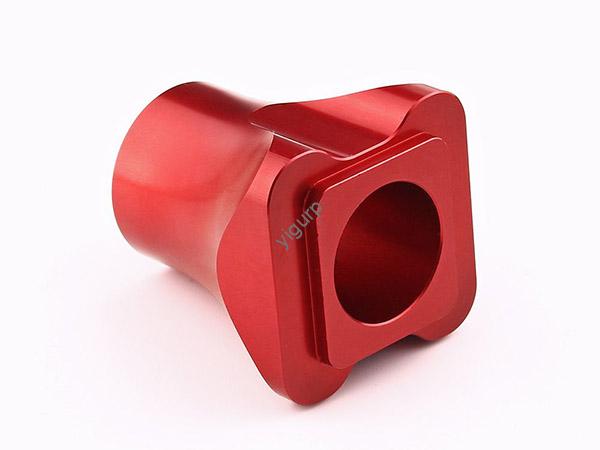
Se você trabalha em setores como aeroespacial, automotivo, ou fabricação de ferramentas, você provavelmente já ouviu falar de aços martensíticos. Mas EM 1400 martensitic steel stands out for its unique blend of strength, durabilidade, e versatilidade. Este guia detalha tudo o que você precisa saber, desde suas principais propriedades até usos no mundo real., técnicas de fabricação, e como ele se compara a outros materiais. No final, you’ll understand why MS 1400 is a top choice for high-stress applications.
1. Material Properties of MS 1400 Aço Martensítico
MS 1400’s performance starts with its carefully balanced composition and key properties. Let’s break this down into four critical categories.
1.1 Composição Química
The alloying elements in MS 1400 determine its core characteristics. Aqui está uma análise típica (values may vary by manufacturer):
| Elemento | Faixa de conteúdo (%) | Role in MS 1400 |
| Carbono (C) | 0.35 – 0.45 | Aumenta a dureza e a resistência à tração |
| Cromo (Cr) | 11.5 – 13.5 | Enhances corrosion resistance and wear resistance |
| Manganês (Mn) | 0.50 – 1.00 | Improves hardenability and ductility |
| Silício (E) | 0.30 – 0.60 | Auxilia na desoxidação durante a fabricação de aço |
| Molibdênio (Mo) | 0.80 – 1.20 | Aumenta a resistência a altas temperaturas e a resistência à fadiga |
| Vanádio (V) | 0.10 – 0.20 | Refina a estrutura do grão para melhor tenacidade |
| Other Alloying Elements | ≤ 0.50 total | May include small amounts of nickel or tungsten for specific tweaks |
1.2 Propriedades Físicas
These properties affect how MS 1400 behaves in different environments:
- Densidade: 7.75 g/cm³ (similar to most carbon steels, making it easy to integrate into existing designs)
- Ponto de fusão: 1450 – 1510ºC (high enough for high-temperature applications like engine parts)
- Condutividade Térmica: 25 C/(m·K) a 20ºC (lower than austenitic steels, so it retains heat well)
- Thermal Expansion Coefficient: 11.2 × 10⁻⁶/°C (from 20–100°C, minimizing warping in temperature changes)
- Resistividade Elétrica: 0.65 × 10⁻⁶Ω·m (higher than carbon steel, useful for non-conductive applications)
1.3 Propriedades Mecânicas
MS 1400’s mechanical strength is why it’s used in high-stress parts. Below are typical values after heat treatment (têmpera + têmpera):
- Resistência à tracção: 1200 – 1500 MPa (strong enough to handle aircraft landing gear loads)
- Força de rendimento: 1000 – 1300 MPa (resists permanent deformation under pressure)
- Dureza:
- Dureza Brinell (HB): 350 – 420
- Dureza Rockwell (CDH): 37 – 45 (easily adjustable via tempering)
- Resistência ao Impacto: 25 – 40 J a 20°C (tough enough to avoid brittle failure in cold environments)
- Força de fadiga: 550 – 650 MPa (resiste ao estresse repetido, critical for gears and shafts)
- Ductilidade: 10 – 15% alongamento (balances strength with enough flexibility to form parts)
- Resistência ao desgaste: Alto (thanks to chromium and carbon, ideal for cutting tools)
1.4 Outras propriedades
- Resistência à corrosão: Moderado (better than carbon steel but lower than austenitic steels; often improved with surface treatments like plating)
- Propriedades Magnéticas: Ferromagnético (retains magnetism, useful for sensors in industrial machinery)
- Resistência à oxidação: Good up to 600°C (suitable for high-temperature parts like exhaust components)
2. Key Applications of MS 1400 Aço Martensítico
MS 1400’s properties make it a go-to material across multiple industries. Let’s look at real-world uses and why it’s chosen.
2.1 Aeroespacial
Aerospace demands materials that handle extreme stress and temperature changes. EM 1400 é usado para:
- Trem de pouso de aeronaves: Its high tensile strength (1200–1500 MPa) supports the weight of planes during takeoff and landing. A major aerospace manufacturer reported a 20% increase in landing gear lifespan after switching to MS 1400 from traditional steel.
- Aircraft Structural Components: Parts like wing brackets use MS 1400’s fatigue strength to resist repeated stress from flight.
- Fixadores: EM 1400 fasteners hold critical parts together, thanks to their hardness and corrosion resistance.
2.2 Automotivo
High-performance and heavy-duty vehicles rely on MS 1400 para:
- High-Performance Engine Parts: Components like camshafts and valve springs use its high-temperature strength (de molibdênio) to handle engine heat.
- Componentes de transmissão: Gears and shafts in truck transmissions benefit from its wear resistance and fatigue strength, reducing maintenance costs.
- Suspension Systems: MS 1400’s yield strength keeps suspension parts from deforming under rough roads.
2.3 Fabricação de ferramentas
Tools need to stay sharp and durable—MS 1400 delivers:
- Ferramentas de corte: Its high hardness (HRC 37–45) and wear resistance let drills and end mills cut through metal without dulling quickly. A tool maker found that MS 1400 cutting tools lasted 30% longer than those made from H13 steel.
- Moldes e Matrizes: MS 1400’s ductility allows it to be formed into complex mold shapes, while its toughness resists cracking during repeated use.
2.4 Máquinas Industriais
Heavy machinery needs parts that withstand constant use:
- Gears and Shafts: MS 1400’s fatigue strength prevents breakage from repeated rotation.
- Rolamentos: Its wear resistance keeps bearings running smoothly, even in dusty or wet conditions.
2.5 Defesa
Defense applications require materials that perform in harsh conditions:
- Armor-Piercing Projectiles: MS 1400’s high tensile strength and hardness let projectiles penetrate armor.
- Military Vehicle Components: Parts like tank tracks use its durability to handle rough terrain.
2.6 Equipamento Desportivo
High-performance sports gear uses MS 1400 for strength and light weight:
- High-Performance Golf Clubs: The steel’s strength allows for thinner clubheads, improving swing speed.
- Quadros de bicicleta: EM 1400 equilibra força e peso, making frames durable yet lightweight for mountain biking.
3. Manufacturing Techniques for MS 1400 Aço Martensítico
Turning raw materials into MS 1400 parts requires precise processes. Veja como é feito.
3.1 Processos siderúrgicos
EM 1400 is typically made using two methods:
- Forno Elétrico a Arco (EAF): Uses electricity to melt scrap steel and alloying elements. This method is flexible, allowing for quick adjustments to chemical composition. Most small to medium steel mills use EAF for MS 1400.
- Forno de oxigênio básico (BOF): Blows oxygen into molten iron to reduce carbon content, then adds alloys. BOF is faster and more cost-effective for large-scale production.
3.2 Tratamento térmico
Heat treatment is critical to unlock MS 1400’s mechanical properties. O processo padrão é:
- Têmpera: Heat the steel to 950–1050°C (austenitizing temperature), then rapidly cool it in oil or water. This forms a hard martensite structure.
- Temperamento: Reheat the quenched steel to 200–600°C. Lower temperatures (200–300ºC) keep hardness high (para ferramentas), while higher temperatures (400–600ºC) increase toughness (para peças estruturais).
- Recozimento: Heat to 800–900°C and cool slowly. This softens the steel for easy forming (por exemplo, estampagem).
- Normalizando: Heat to 950–1050°C and cool in air. This refines grain structure for consistent properties.
3.3 Processos de formação
Uma vez tratado termicamente, EM 1400 is formed into parts using:
- Forjamento: Hammer or press the steel into shape at high temperatures (forjamento a quente) or room temperature (forjamento a frio). Used for complex parts like landing gear.
- Rolando: Pass the steel through rollers to make sheets, bares, ou pratos. Common for making shafts or tool blanks.
- Extrusão: Push the steel through a die to create long, formas uniformes (por exemplo, bicycle frame tubes).
- Estampagem: Use a press to cut or bend flat steel sheets into parts like fasteners.
3.4 Tratamento de superfície
To improve corrosion resistance or wear resistance, EM 1400 often gets surface treatments:
- Chapeamento: Add a layer of chrome or nickel to boost corrosion resistance.
- Revestimento: Apply ceramic or polymer coatings for extra wear protection (used in cutting tools).
- Peening de tiro: Blast the surface with small metal balls to create compressive stress, increasing fatigue strength.
- Nitretação: Heat the steel in ammonia gas to form a hard nitride layer on the surface. This improves wear resistance without affecting the core toughness.
4. Real-World Case Studies of MS 1400 Aço Martensítico
Case studies show how MS 1400 solves real problems. Aqui estão três exemplos.
4.1 Aeroespacial: Landing Gear Performance Improvement
A leading aircraft manufacturer was struggling with frequent landing gear failures (todo 500 horas de voo) using a standard martensitic steel. They switched to MS 1400, com os seguintes resultados:
- Lifespan: Increased to 1,200 horas de voo (um 140% melhoria).
- Razão: MS 1400’s higher fatigue strength (550–650 MPa) e resistência (25–40 J) resisted crack growth from repeated landings.
- Economia de custos: Reduced maintenance costs by $300,000 per aircraft per year.
4.2 Automotivo: Engine Part Durability
A high-performance car maker wanted to improve the durability of its turbocharger shafts. They tested MS 1400 against austenitic steel (316eu):
- Força: MS 1400’s tensile strength (1200–1500 MPa) was 2x higher than 316L (550–650 MPa).
- Resultado: Turbocharger shafts made from MS 1400 lasted 3x longer (150,000 km versus. 50,000 quilômetros) without failure.
- Peso: EM 1400 shafts were 10% lighter than 316L, melhorando a eficiência do combustível.
4.3 Fabricação de ferramentas: Cutting Tool Life
A tool company compared MS 1400 cutting tools to H13 steel tools when machining aluminum:
- Vida útil da ferramenta: EM 1400 tools lasted 30% mais longo (1,500 peças versus. 1,150 peças).
- Velocidade de corte: EM 1400 could handle 10% higher cutting speeds (200 m/min vs. 180 m/meu), increasing productivity.
- Custo-benefício: Even though MS 1400 tools cost 5% mais, the longer life and higher speed reduced per-part tool costs by 12%.
5. How MS 1400 Martensitic Steel Compares to Other Materials
Choosing the right material depends on your needs. Here’s how MS 1400 stacks up.
5.1 Comparison with Other Martensitic Steels (por exemplo, 410, 420)
| Recurso | EM 1400 | 410 Aço | 420 Aço |
| Conteúdo de carbono | 0.35–0,45% | 0.15% máx. | 0.15–0.40% |
| Resistência à tracção | 1200–1500 MPa | 550–700 MPa | 700–900MPa |
| Resistência à corrosão | Moderado | Bom | Melhorar |
| Dureza (CDH) | 37–45 | 20–30 (não tratado) | 30–45 (tratado termicamente) |
| Melhor para | Peças de alto estresse | Baixo estresse, peças propensas à corrosão | Facas, small tools |
Advantage of MS 1400: Higher strength and fatigue resistance for heavy-duty applications.
Disadvantage: Lower corrosion resistance than 420 (needs surface treatment).
5.2 Comparison with Austenitic Steels (por exemplo, 304, 316eu)
| Recurso | EM 1400 | 304 Aço | 316L Steel |
| Resistência Mecânica | Mais alto (1200–1500 MPa) | Mais baixo (500–700 MPa) | Mais baixo (550–650 MPa) |
| Resistência à corrosão | Moderado | Excelente | Superior (marine use) |
| Custo-Desempenho | Better for strength | Better for corrosion | Best for harsh environments |
| Magnético | Sim | Não | Não |
When to Choose MS 1400: If you need strength over corrosion resistance (por exemplo, trem de pouso).
When to Choose Austenitic: If corrosion resistance is critical (por exemplo, equipamento de processamento de alimentos).
5.3 Comparação com metais não ferrosos (Alumínio, Cobre)
Alumínio (por exemplo, 6061)
- Weight vs. Força: O alumínio é mais leve (2.7 g/cm³ versus. 7.75 g/cm³), but MS 1400 is 4x stronger. For parts where strength matters more than weight (por exemplo, engrenagens), EM 1400 é melhor.
- Resistência à corrosão: Aluminum has better natural corrosion resistance, but MS 1400 can match it with plating.
Cobre
- Condutividade Elétrica: Copper is 10x more conductive (59.6 × 10⁶ S/m vs. 0.65 × 10⁶ S/m) – use copper for wires.
- Resistência ao desgaste: EM 1400 is 5x more wear-resistant – use for moving parts like bearings.
5.4 Comparação com materiais compósitos (por exemplo, Fibra de Carbono)
- Specific Strength (Strength/Weight): Carbon fiber is higher (200 MPa/(g/cm³) contra. 180 MPa/(g/cm³) for MS 1400) – good for aircraft wings.
- Custo: EM 1400 é 70% cheaper than carbon fiber (por kg) – better for budget-sensitive projects.
- Manufacturing Complexity: EM 1400 is easier to form (forjamento, rolando) than carbon fiber (needs molds) – faster production for small batches.
6. Yigu Technology’s Perspective on MS 1400 Aço Martensítico
Na tecnologia Yigu, we’ve worked with MS 1400 across aerospace and automotive projects. Its balance of strength and processability makes it a reliable choice for high-stress components. We often recommend MS 1400 for clients needing durable parts that don’t require extreme corrosion resistance—like landing gear or transmission shafts. Our team also optimizes heat treatment (por exemplo, custom tempering cycles) to tailor MS 1400’s hardness and toughness to specific needs, ensuring parts perform better and last longer. For clients looking to cut costs without sacrificing quality, EM 1400 is a smarter alternative to composites or high-end austenitic steels.
7. FAQ About MS 1400 Aço Martensítico
1º trimestre: Can MS 1400 be used in marine environments?
A1: EM 1400 has moderate corrosion resistance, so it’s not ideal for marine use alone. No entanto, with surface treatments like chrome plating or nitriding, it can resist saltwater corrosion. For fully submerged parts, we recommend austenitic steels like 316L instead.