
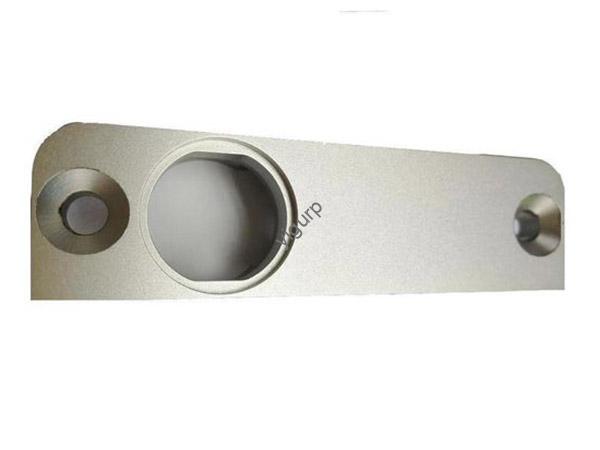
Se você está procurando um material que combine resistência à corrosão, força, e praticidade - seja para fixadores aeroespaciais, reatores químicos, or medical tools—microalloyed stainless steel se destaca. Este guia detalha suas principais características, usos no mundo real, e como ele supera outros materiais, para que você possa fazer escolhas inteligentes para seus projetos.
1. Core Material Properties of Microalloyed Stainless Steel
The value ofmicroalloyed stainless steel comes from its precise chemistry and balanced performance. Here’s a detailed look at what makes it unique:
1.1 Composição Química
Unlike basic stainless steels, it uses tiny (micro-scale) additions of special elements to boost performance without extra cost. Its typicalcomposição química includes:
- Chromium (Cr): 16–20% (forms a protective oxide layer that blocks rust)
- Níquel (Em): 4–10% (makes the steel flexible and tough, even in cold temperatures)
- Molybdenum (Mo): 1–3% (improves resistance to acids and saltwater)
- Nitrogen (N): 0.1–0.2% (raises tensile strength without making the steel brittle)
- Carbon (C): <0.08% (kept low to avoid weak spots that hurt corrosion resistance)
- Manganese (Mn): 1–2% (eases manufacturing and boosts formability)
- Silicon (E): 0.3–0.8% (helps remove impurities during steelmaking)
- Phosphorus (P): <0.045% (minimized to prevent brittleness)
- Sulfur (S): <0.03% (kept low for better welding and corrosion resistance)
- Microalloying elements: Rastrear quantidades de titanium (Ti), niobium (Nb), ou vanádio (V) (stabilize the steel and boost strength at high temperatures).
1.2 Propriedades Físicas
These traits determine how the steel acts in different environments:
| Physical Property | Valor típico |
|---|---|
| Densidade | 7.8–7.9 g/cm³ |
| Melting point | 1450–1510°C |
| Thermal conductivity | 15–20 W/(m·K) (20°C) |
| Thermal expansion coefficient | 11.0–13.0 × 10⁻⁶/°C (20–100°C) |
| Electrical resistivity | 0.70–0.80 Ω·mm²/m |
1.3 Propriedades Mecânicas
It hits a sweet spot between strength and flexibility—critical for most industrial jobs:
- Resistência à tracção: 500–700 MPa (stronger than common stainless steels like 304, which averages 515 MPa)
- Força de rendimento: 250–400 MPa (resists bending or warping under load)
- Dureza: 150–200 HB (Brinell) or 30–35 HRC (Rockwell C.)
- Resistência ao impacto: 40–80 J (Charpy V-notch at 20°C)—tough enough for cold or high-stress uses
- Ductilidade: 25–35% elongation (easy to bend or shape into complex parts)
- Fatigue resistance: 200–300 MPa (handles repeated stress, great for moving parts like engine components)
- Fracture toughness: 60–100 MPa·m¹/² (prevents sudden cracking in risky applications).
1.4 Other Properties
- Excellent corrosion resistance: Stands up to water, mild acids, and industrial chemicals (way better than carbon steel; close to high-alloy stainless steels in many cases).
- Good oxidation resistance: Resists scaling (rust from heat) up to 800°C—perfect for exhaust systems or high-temperature machinery.
- High-temperature strength: Keeps its strength at 500–600°C (thanks to titanium/niobium additions).
- Weldability: Easy to weld without cracking (low carbon and sulfur mean fewer weak spots).
- Formabilidade: Can be rolled, forged, or stamped into shapes—works for small fasteners and large reactors alike.
2. Key Applications of Microalloyed Stainless Steel
Its versatility makesmicroalloyed stainless steel a top pick across industries. Below are its most common uses, plus real case studies to prove its value:
2.1 Aeroespacial
Aerospace needs materials that handle stress, corrosão, e oscilações de temperatura. This steel delivers:
- Aircraft components: Fuel lines and engine casings (resist fuel corrosion and high heat)
- Fasteners: Bolts and nuts (hold critical parts together without adding weight).
Estudo de caso: A major aerospace company used microalloyed stainless steel for aircraft fuel lines. Tests showed the lines resisted jet fuel corrosion 20% better than standard 304 stainless steel—and lasted twice as long in high-altitude conditions.
2.2 Automotivo
Cars rely on this steel for parts that face heat and moisture:
- Exhaust systems: Mufflers and tailpipes (resist rust from road salt and exhaust heat)
- Engine components: Water pumps and sensor housings (handle engine heat and coolant corrosion).
Estudo de caso: A leading carmaker switched to microalloyed stainless steel for exhaust mufflers. Customers reported mufflers lasted 3 years longer (contra. regular steel) in snowy areas—cutting warranty claims by 25%.
2.3 Chemical Processing
Chemical plants need materials that survive harsh fluids:
- Chemical reactors: Vessels for mixing acids or solvents (resist chemical attacks)
- Piping systems: Tubes that carry corrosive liquids (prevent leaks)
- Storage tanks: Containers for chemicals like sulfuric acid (stay strong over time).
2.4 Food Processing
Hygiene and corrosion resistance are non-negotiable here:
- Equipamento: Mixers, conveyors, and cutting tools (easy to clean; resist food acids like tomato or citrus)
- Containers: Tanks for storing juices or sauces (prevent contamination and rust).
2.5 Medical Equipment
Biocompatibility (safe for the body) e durabilidade são os mais importantes:
- Instrumentos cirúrgicos: Scalpels and forceps (resist corrosion from sterilization and body fluids)
- Implants: Small parts like bone screws (strong enough for long-term use in the body).
2.6 Marine & Construction
- Marine: Ship components (hull fittings, propeller shafts) e offshore structures (platform supports)—resist saltwater rust.
- Construction: Architectural components (handrails, facade panels)—blend durability with a clean look.
3. Manufacturing Techniques for Microalloyed Stainless Steel
To unlock its full potential, microalloyed stainless steel needs precise manufacturing steps:
3.1 Steelmaking Processes
- Electric Arc Furnace (EAF): Melts scrap steel and alloying elements (cromo, níquel, etc.) with electricity. Great for small-batch or custom orders.
- Basic Oxygen Furnace (BOF): Blows oxygen into molten iron to remove impurities. Used for large-scale production (cost-effective for big orders).
3.2 Tratamento térmico
Heat treatment fine-tunes its properties for specific uses:
- Annealing: Heat to 1050–1150°C, cool slowly. Softens the steel for easy shaping and restores corrosion resistance after welding.
- Quenching and tempering: Heat to 900–1000°C, quench (cool fast) in water, then temper (reheat) at 500–600°C. Boosts strength and hardness (used for engine parts).
- Solution treatment: Heat to 1000–1100°C, cool quickly. Dissolves unwanted particles and improves corrosion resistance.
- Precipitation hardening: Heat to 450–550°C after solution treatment. Forms tiny, strength-boosting particles (from titanium/niobium) for high-temperature use.
3.3 Forming Processes
It’s easy to shape into different forms:
- Hot rolling: Presses heated steel into thick sheets or bars (used for reactors or structural parts)
- Cold rolling: Rolls steel at room temperature into thin, smooth sheets (for food equipment or medical tools)
- Forging: Hammers or presses steel into complex shapes (like valves or fasteners)—adds strength.
- Extrusion: Pushes steel through a die to make tubes or profiles (used for piping)
- Stamping: Presses steel into flat parts (like sensor housings)—fast and cheap for large batches.
3.4 Tratamento de superfície
Surface treatments boost durability or appearance:
- Passivation: Dips steel in nitric acid to strengthen its protective oxide layer (melhor resistência à corrosão).
- Plating (por exemplo, chromium plating): Adds a hard, shiny layer (used for architectural parts or surgical tools).
- Revestimento (por exemplo, titanium nitride): Improves wear resistance (for cutting tools or marine components).
- Polimento: Creates a smooth, reflective finish (ideal for food equipment or visible architectural parts).
4. How Microalloyed Stainless Steel Compares to Other Materials
Choosingmicroalloyed stainless steel means knowing how it stacks up to alternatives. Below’s a simple comparison:
| Material Category | Key Comparison Points |
|---|---|
| Conventional stainless steels (por exemplo, 304) | – Força: Microalloyed steel is 15–30% stronger. – Resistência à corrosão: Similar in mild environments; microalloyed is better in acids (thanks to molybdenum). – Custo: Microalloyed is ~10% more expensive but lasts longer. |
| Carbon steels | – Resistência à corrosão: Microalloyed steel is way better (no rust vs. needing paint). – Força: Similar, but microalloyed is tougher. – Use case: Carbon steel for cheap, dry uses; microalloyed for harsh environments. |
| High-alloy steels (por exemplo, 316L) | – Resistência à corrosão: High-alloy is better (resists saltwater/strong acids). – Custo: Microalloyed is 30–40% cheaper. – Use case: High-alloy for extreme chemicals; microalloyed for moderate corrosion. |
| Aluminum alloys | – Weight: Aluminum is lighter (densidade 2.7 contra. 7.8 g/cm³). – Resistência à corrosão: Microalloyed is better in chemicals; aluminum is better in mild water. – Força: Microalloyed is 2–3x stronger. |
| Composite materials | – Specific strength (strength-to-weight): Composites (por exemplo, fibra de carbono) are better. – Custo: Microalloyed is 50–60% cheaper. – Fabricação: Microalloyed is easier to form (no special molds). |
5. Yigu Technology’s Perspective on Microalloyed Stainless Steel
Na tecnologia Yigu, we seemicroalloyed stainless steel as a “sweet spot” material for most industrial needs. It’s our top choice for chemical processing piping and automotive exhaust parts—solving common issues like leaks or short part life with its corrosion resistance and formability. We often pair it with passivation to boost durability, and its weldability makes on-site installation smooth. While it’s not the cheapest option, its long service life and low maintenance costs make it a cost-effective pick for aerospace, médico, and marine projects alike.
FAQ About Microalloyed Stainless Steel
- Can microalloyed stainless steel be used in saltwater?
It works for near-shore parts (like boat handrails) but not deep-sea components (where high-alloy steels like 316L are better). For saltwater use, add a titanium nitride coating to boost rust resistance. - Is it hard to weld microalloyed stainless steel to other metals?
No—you just need a compatible filler metal (por exemplo, austenitic stainless steel filler) to avoid cracking. Post-weld annealing also helps restore corrosion resistance at the weld joint. - How long does it take to make custom microalloyed stainless steel parts?
Standard parts (piping, sheets) take 2–3 weeks. Custom parts (implantes médicos, reactor vessels) take 4–6 weeks—including forging, heat treatment, and surface finishing.