
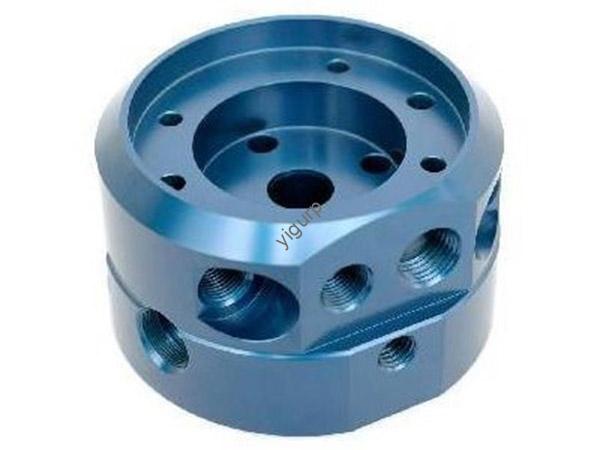
O aço inoxidável martensítico é um material versátil valorizado por sua alta resistência e dureza, graças à sua resposta única ao tratamento térmico. É a escolha certa para peças que precisam de durabilidade e resistência moderada à corrosão – desde facas de cozinha até eixos automotivos. Neste guia, vamos detalhar suas principais características, usos no mundo real, como é feito, e como ele se compara a outros materiais, ajudando você a decidir se é certo para o seu projeto.
1. Principais propriedades do material do aço inoxidável martensítico
O desempenho do aço inoxidável martensítico começa com a sua composição química, que molda a sua propriedades físicas, propriedades mecânicas, e outras características críticas.
Composição Química
O aço inoxidável martensítico é definido por sua mistura de elementos que aumentam a resistência e são resistentes à corrosão:
- Conteúdo de carbono: 0.1-1.2% (maior carbono = maior dureza e resistência)
- Conteúdo de cromo: 10.5-18% (fornece resistência básica à corrosão e ajuda a formar a estrutura martensítica)
- Conteúdo de manganês: 0.5-2% (melhora a usinabilidade e temperabilidade)
- Conteúdo de silício: 0.1-1% (auxilia na desoxidação durante a fabricação)
- Conteúdo de níquel: 0-2% (adicionado em algumas classes para aumentar a resistência)
- Conteúdo de molibdênio: 0-3% (aumenta a resistência à corrosão e a resistência a altas temperaturas)
- Conteúdo de vanádio: 0-0.5% (refina o tamanho do grão e aumenta a dureza)
- Rastrear quantidades de fósforo e enxofre (controlado para evitar fragilidade)
Propriedades Físicas
| Propriedade | Valor típico (Nota 410) |
| Densidade | 7.7 g/cm³ |
| Condutividade Térmica | 24 C/(m·K) (a 20ºC) |
| Capacidade Específica de Calor | 0.46 J/(g·K) (a 20ºC) |
| Coeficiente de Expansão Térmica | 11 × 10⁻⁶/°C (20-500°C) |
| Propriedades Magnéticas | Fortemente magnético (em todos os estados tratados termicamente) |
Propriedades Mecânicas
Após tratamento térmico (austenitização + têmpera + têmpera), o aço inoxidável martensítico oferece resistência impressionante:
- Resistência à tracção: 700-1,500 MPa (varia de acordo com o grau e o tratamento térmico)
- Força de rendimento: 500-1,300 MPa
- Alongamento: 5-15% (em 50 milímetros; inferiores aos graus austeníticos, mas superiores aos aços ferramenta)
- Dureza: 30-60 Rockwell C. (CDH), 280-550 Vickers, 270-530 Brinell (maior com mais carbono)
- Força de fadiga: 300-600 MPa (em 10⁷ ciclos)
- Resistência ao impacto: 15-50 J. (à temperatura ambiente; maior com adições de níquel)
Outras propriedades críticas
- Resistência à corrosão: Moderado – resiste à água doce e a produtos químicos suaves, mas é menos resistente à água salgada do que os graus austeníticos.
- Resistência à corrosão: Justo - melhorado com molibdênio (por exemplo, Nota 414).
- Resistência à corrosão sob tensão: Baixo – melhor evitar em ambientes com alto teor de cloreto.
- Resistência ao desgaste: Excelente – ideal para peças que roçam em outros materiais (por exemplo, rolamentos).
- Usinabilidade: Bom (em estado recozido); mais difícil após tratamento térmico, exigindo ferramentas mais afiadas.
- Temperabilidade: Superior – pode ser tratado termicamente até obter alta dureza, mesmo em seções espessas.
2. Aplicações reais de aço inoxidável martensítico
O aço inoxidável martensítico brilha em aplicações onde a resistência e a dureza são as principais prioridades. Aqui estão seus usos mais comuns:
Talheres e Utensílios de Cozinha
- Facas: Facas de chef, facas utilitárias, e facas de caça usam classes como 440C – sua alta dureza (58-60 CDH) garante excelente retenção de borda.
- Navalhas: Os aparelhos de barbear dependem de sua nitidez e resistência à ferrugem causada pela água.
- Instrumentos cirúrgicos: Bisturis e pinças (Nota 420) são tratados termicamente para maior precisão e podem ser esterilizados repetidamente.
Exemplo de caso: Uma marca líder de talheres mudou do aço carbono para o grau 440C em suas facas de cozinha premium. Os clientes relataram que as lâminas permaneceram afiadas 2 vezes mais, e reclamações sobre ferrugem diminuíram 70% em comparação com os antigos modelos de aço carbono.
Indústria Automotiva
- Eixos: Os eixos motrizes usam Grau 410 – sua alta resistência à tração lida com o estresse da transferência de potência para as rodas.
- Rolamentos: Os rolamentos de roda dependem de sua resistência ao desgaste para durar milhares de quilômetros de uso.
- Componentes da válvula: Válvulas do motor (Nota 420) suportar altas temperaturas e abertura/fechamento repetidos.
Equipamentos Aeroespaciais e Industriais
- Aeroespacial: Fixadores de aeronaves e peças de trem de pouso (Nota 17-4 PH) use sua relação resistência-peso e resistência à corrosão.
- Equipamento industrial:
- Lâminas de turbina: Para pequenas turbinas a gás (Nota 403), resiste a altas temperaturas e desgaste.
- Bombas e válvulas: Peças que lidam com fluidos suaves (por exemplo, água) use sua durabilidade e fácil limpeza.
Equipamento Desportivo
- Clubes de golfe: Chefes de clube (Nota 431) são fortes, mas leves, melhorando a velocidade e a distância do balanço.
- Equipamento de pesca: Peças de carretel de pesca (Nota 416) resistir à corrosão da água salgada (com manutenção adequada) e enfrentar repetidos lançamentos.
3. Técnicas de fabricação de aço inoxidável martensítico
A fabricação de aço inoxidável martensítico requer etapas precisas para liberar toda a sua resistência. Aqui está o processo:
1. Processos Metalúrgicos
- Forno Elétrico a Arco (EAF): O método mais comum – sucata de aço, cromo, e outras ligas são fundidas a 1.600°C para criar a liga base.
- Forno de oxigênio básico (BOF): Usado para produção em larga escala – sopra oxigênio para remover impurezas e ajustar o teor de carbono.
2. Processos Rolantes
- Laminação a quente: Aquece a liga a 1.100-1.200°C e a enrola em formas espessas (bares, pratos) para peças industriais.
- Laminação a frio: Resfria o aço e o lamina novamente para fazer chapas finas (para talheres ou pequenos componentes) com uma superfície lisa.
3. Tratamento térmico (Crítico para Força)
- Austenitização: Aqueça o aço a 950-1.100°C e mantenha por 30-60 minutos. Isso muda sua estrutura para “austenita” (um dúctil, fase de alta temperatura).
- Têmpera: Resfrie o aço rapidamente (em óleo ou ar) para travar a estrutura dura de “martensita” – esta etapa dá ao aço sua resistência característica.
- Temperamento: Reaqueça o aço temperado a 150-600°C para 1-2 horas. Isso reduz a fragilidade, mantendo a maior parte da dureza (por exemplo, o revenido a 200°C mantém 55-58 HRC para facas).
4. Conformação e Tratamento de Superfície
- Métodos de formação:
- Moldagem por prensa: Usa prensas para moldar peças como corpos de válvulas ou cabeças de tacos de golfe.
- Dobrando: Cria ângulos para peças estruturais (por exemplo, suportes aeroespaciais).
- Usinagem: Exercícios, moinhos, ou transforma peças em tamanhos precisos - mais fácil no recozido (macio) estado.
- Tratamento de superfície:
- Moagem: Usa rodas abrasivas para refinar formas (por exemplo, lâminas de faca) e remova rebarbas.
- Polimento: Lustra a superfície para um acabamento brilhante (para talheres ou instrumentos cirúrgicos).
- Revestimento: PVD (Deposição Física de Vapor) revestimentos (por exemplo, nitreto de titânio) adicione resistência extra ao desgaste para ferramentas industriais.
5. Controle de qualidade
- Teste de dureza: Usa testadores Rockwell ou Vickers para garantir que o aço atenda à dureza desejada (por exemplo, 58-60 HRC para facas).
- Análise microestrutural: Examina o aço ao microscópio para confirmar a estrutura da martensita (sem fases indesejadas como ferrite).
- Inspeção dimensional: Usa calibradores ou scanners 3D para verificar se as peças correspondem às especificações do projeto (crítico para peças aeroespaciais e médicas).
4. Estudo de caso: Aço inoxidável martensítico em eixos automotivos
Um fabricante de automóveis queria melhorar a durabilidade dos eixos de suas picapes. Os velhos eixos (feito de aço carbono) muitas vezes falhou depois 150,000 milhas em uso off-road. Eles mudaram para o grau 410 aço inoxidável martensítico, e aqui está o resultado:
- Força: Os novos eixos tinham uma resistência à tração de 1,200 MPa (contra. 800 MPa para aço carbono), lidar melhor com cargas pesadas e terrenos acidentados.
- Durabilidade: Testes off-road mostraram que os eixos duraram 250,000 milhas – 67% mais longas que o design antigo.
- Custo-benefício: Durante a série 410 custos 15% mais que aço carbono, a taxa de substituição reduzida salvou o fabricante $2 milhões anualmente em reclamações de garantia.
5. Aço Inoxidável Martensítico vs.. Outros materiais
Como o aço inoxidável martensítico se compara a outros materiais populares? Vamos comparar:
| Material | Custo (contra. Grau Martensítico 410) | Força (Tração) | Resistência ao desgaste | Resistência à corrosão | Dureza (CDH) |
| Martensítico (Nota 410) | Base (100%) | 700-900 MPa | Bom | Moderado | 30-50 |
| Martensítico (Grau 440C) | 150% | 1,200-1,500 MPa | Excelente | Bom | 55-60 |
| Austenítico (Nota 304) | 130% | 515 MPa | Justo | Excelente | 15-20 |
| Ferrítico (Nota 430) | 90% | 450-600 MPa | Justo | Bom | 15-25 |
| Aço Rápido (HSS) | 200% | 1,800 MPa | Excelente | Pobre | 60-65 |
| Liga de titânio (Ti-6Al-4V) | 500% | 860 MPa | Bom | Excelente | 30-35 |
Adequação da aplicação
- Talheres: O grau 440C é melhor que os graus austenítico/ferrítico (mais difícil, melhor retenção de borda).
- Eixos automotivos: Nota 410 supera o aço carbono (mais forte, mais resistente à corrosão) e é mais barato que o titânio.
- Instrumentos Cirúrgicos: Nota 420 é superior ao HSS (melhor resistência à corrosão para esterilização).
- Fixadores Aeroespaciais: Nota 17-4 PH equilibra força e resistência à corrosão, tornando-o melhor que os graus ferríticos para ambientes agressivos.
Visão da Yigu Technology sobre aço inoxidável martensítico
Na tecnologia Yigu, vemos o aço inoxidável martensítico como uma solução econômica para aplicações de alta resistência. Sua capacidade de ser tratado termicamente para dureza, combinado com resistência moderada à corrosão, torna-o ideal para nossos clientes automotivos e industriais. Muitas vezes recomendamos Grade 410 para peças como eixos e bombas, e Grau 440C para talheres ou ferramentas de precisão. Embora seja menos resistente à corrosão do que os graus austeníticos, seu menor custo e maior resistência fazem dele uma escolha inteligente para projetos onde a durabilidade é fundamental - alinhando-se com nosso objetivo de fornecer produtos confiáveis, materiais econômicos.
Perguntas frequentes
1. O aço inoxidável martensítico é à prova de ferrugem?
Não, mas é resistente à ferrugem. Seu conteúdo de cromo (10.5-18%) forma uma camada protetora de óxido que resiste à ferrugem em água doce e produtos químicos suaves. No entanto, pode enferrujar em água salgada ou ácidos fortes - limpeza regular e, se necessário, revestimentos podem evitar isso.
2. O aço inoxidável martensítico pode ser soldado?
Sim, mas requer cuidado. Soldagem pode causar fragilidade, então pré-aquecimento (a 200-300°C) e revenimento pós-soldagem (a 500-600°C) são recomendados. Classes de baixo carbono (por exemplo, Grau 410S) são mais fáceis de soldar do que classes de alto carbono (por exemplo, 440C).
3. Qual é a diferença entre aço inoxidável martensítico e austenítico?
A principal diferença é estrutura e propriedades: Martensítico é difícil, forte, e magnético (graças ao tratamento térmico), enquanto o austenítico é dúctil, resistente à corrosão, e não magnético (sem tratamento térmico para resistência). Martensítico é melhor para peças focadas em resistência, enquanto o austenítico é adequado para usos propensos à corrosão (por exemplo, processamento de alimentos).