
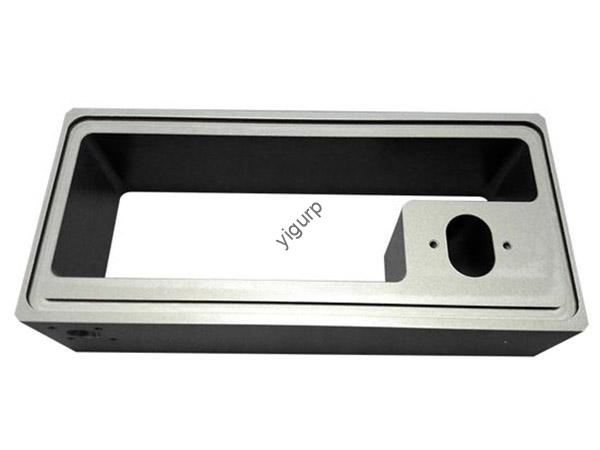
Se você é engenheiro, fabricante, ou profissional de compras trabalhando em projetos que exigem durabilidade, resistência ao desgaste, e força, manganese steel structural components are likely on your radar. Este guia detalha tudo o que você precisa saber, desde suas principais propriedades até aplicações do mundo real., técnicas de fabricação, e como ele se compara a outros materiais. No final, you’ll have the insights to decide if manganese steel is the right choice for your next project.
1. Core Properties of Manganese Steel Structural
Manganese steel’s unique performance starts with its composition and properties. Let’s break this down into four key categories, with critical metrics highlighted for clarity.
1.1 Composição Química
The “secret” behind manganese steel’s strength lies in its composição química, especially its high manganese content. Ao contrário dos aços padrão, it contains:
- High manganese (Mn) contente: Typically 10–14% (the primary alloying element that boosts toughness).
- Carbono (C) contente: 1.0–1.4% (works with Mn to create austenitic structure).
- Trace elements: Small amounts of silício (E) (0.3–0,8%, improves casting quality), fósforo (P) (<0.07%, controlled to avoid brittleness), enxofre (S) (<0.05%, reduces hot cracking), and sometimes cromo (Cr) ou molibdênio (Mo) (enhances corrosion resistance).
1.2 Propriedades Físicas
These properties affect how manganese steel behaves in different environments (por exemplo, high temperatures or cold conditions). Here’s a quick reference table:
| Physical Property | Valor típico |
| Densidade | 7.85 g/cm³ |
| Ponto de fusão | 1,450–1,500°C |
| Condutividade térmica | 40 C/(m·K) (a 20ºC) |
| Thermal expansion coefficient | 18 × 10⁻⁶/°C (20–100ºC) |
| Electrical resistivity | 0.8 × 10⁻⁶ Ω·m |
1.3 Propriedades Mecânicas
For structural applications, propriedades mecânicas like strength and toughness are non-negotiable. Manganese steel stands out here:
- Resistência à tracção: 600–800 MPa (higher than many low-alloy steels).
- Força de rendimento: 300–400MPa (balances strength with ductility).
- Dureza: 200–250 HB (unworked); increases to 500+ HB when impacted (a key advantage for wear-prone parts).
- Resistência ao impacto: >200 J/cm² (excellent for low-temperature or high-shock environments).
- Alongamento: 20–30% (allows forming without cracking).
1.4 Other Key Properties
- Excellent wear resistance: Critical for mining or railway parts (por exemplo, crusher liners).
- Boa resistência à corrosão: Performs better than carbon steels in mild outdoor or marine settings.
- High-temperature strength: Maintains rigidity up to 600°C (suitable for high-heat applications).
- Weldability: Requires preheating (200–300ºC) but welds well with matching electrodes.
- Formabilidade: Can be hot-rolled, forged, or extruded into complex shapes (por exemplo, vigas de ponte).
2. Real-World Applications of Manganese Steel Structural
Manganese steel’s versatility makes it a top choice across industries. Below are its most common uses, with case studies to illustrate real impact.
2.1 Construção
- Structural steel components: Beams, colunas, and building frames (por exemplo, armazéns industriais).
- Pontes: Used in bridge decks and supports for heavy load-bearing.
Estudo de caso: UM 2022 project in Canada replaced carbon steel bridge beams with manganese steel. The new beams reduced maintenance costs by 35% sobre 5 anos, thanks to better resistência ao desgaste e resistência à corrosão.
2.2 Mining and Excavation
This industry relies heavily on manganese steel’s durability:
- Rock crushers: Wear liners and jaws (resist abrasion from hard rocks).
- Grinding balls/rods: Used in mills to crush ore (last 2x longer than high-carbon steel balls).
Estudo de caso: A South African mine switched to manganese steel grinding balls em 2021. The balls lasted 18 meses (contra. 8 months for carbon steel), cutting replacement costs by 45%.
2.3 Automotivo
- Vehicle frames: For heavy-duty trucks (handles repeated stress).
- Suspension components: Gears and shafts (resist fatigue from rough roads).
2.4 Ferrovia
- Railway tracks: Sections in high-traffic areas (por exemplo, train stations).
- Railway wheels/switches: Withstand constant friction and impact.
Estudo de caso: A European railway network tested manganese steel railway switches em 2023. The switches showed 60% less wear after 1 year compared to standard steel switches.
2.5 Agricultural Machinery
- Plowshares e harrows: Resist wear from soil and rocks.
- Combine harvesters: Cutting blades and augers (durable in tough farming conditions).
2.6 Marinho
- Ship hulls: Sections exposed to saltwater (better corrosion resistance than carbon steel).
- Hélices: Withstand marine debris and saltwater erosion.
3. Manufacturing Techniques for Manganese Steel Structural
Turning manganese steel into usable components requires specific processes. Here’s how it’s made:
3.1 Steelmaking Processes
- Forno Elétrico a Arco (EAF): The most common method. Scrap steel is melted with manganese ore, then adjusted for carbono (C) e silício (E) contente.
- Forno de oxigênio básico (BOF): Used for large-scale production (faster than EAF but requires more raw materials).
3.2 Tratamento térmico
Heat treatment optimizes manganese steel’s properties:
- Quenching and tempering: Heated to 1,050–1,100°C, then quenched in water to harden. Tempered at 200–300°C to reduce brittleness.
- Recozimento: Heated to 800–900°C and cooled slowly (melhora conformabilidade para formas complexas).
- Normalizing: Heated to 950–1,000°C and air-cooled (enhances resistência à tracção).
3.3 Forming Processes
- Hot rolling: Used for beams, pratos, and tracks (heated to 1,100–1,200°C for easy shaping).
- Cold rolling: Creates thin sheets (improves surface finish but reduces ductilidade).
- Forjamento: Makes high-strength parts like gears or shafts (compresses metal for better grain structure).
- Extrusão: Produces long, uniform shapes (por exemplo, railway rails).
3.4 Tratamento de superfície
To boost performance further:
- Chromium plating: Adiciona um disco rígido, camada resistente à corrosão (used for automotive parts).
- Titanium nitride coating: Enhances resistência ao desgaste (ideal for mining tools).
- Shot peening: Blasts the surface with small metal balls (reduces fatigue cracks).
- Polimento: Improves aesthetics and reduces corrosion (for marine components).
4. Manganese Steel vs. Other Common Materials
How does manganese steel compare to alternatives? Below is a side-by-side comparison of key factors.
| Material | Força (Tração) | Resistência ao desgaste | Resistência à corrosão | Custo (contra. Aço Manganês) | Melhor para |
| Aço Manganês | 600–800 MPa | Excelente | Bom | Base (100%) | Crushers, rails, pontes |
| High Carbon Steels | 500–700 MPa | Bom | Pobre | 70% | Simple tools, low-stress parts |
| Low Alloy Steels | 550–750 MPa | Moderado | Moderado | 90% | General structural parts |
| Stainless Steels | 500–700 MPa | Excelente | Excelente | 200% | Food processing, marine hulls |
| Tool Steels | 800–1,000 MPa | Excelente | Pobre | 150% | Ferramentas de corte, morre |
Key Takeaways:
- Manganese steel beats high carbon steels em resistência e resistência à corrosão.
- It’s more cost-effective than stainless steels while offering similar resistência ao desgaste for non-food applications.
- Compared to tool steels, it’s cheaper and more ductile (but less strong for extreme cutting tasks).
5. Yigu Technology’s Perspective on Manganese Steel Structural
Na tecnologia Yigu, we’ve seen firsthand how manganese steel structural components solve our clients’ toughest durability challenges. Whether it’s optimizing mining equipment for longer lifespans or designing corrosion-resistant marine parts, manganese steel’s balance of resistência ao desgaste, resistência, and cost-effectiveness makes it a go-to material. We recommend it for projects where long-term performance matters—especially in high-shock or high-abrasion environments. Our engineering team also helps clients refine manufacturing processes (por exemplo, EAF tuning or heat treatment) to get the most out of manganese steel’s properties.
6. FAQ About Manganese Steel Structural
Q1: Is manganese steel suitable for cold environments?
Sim! Its high impact toughness (>200 J/cm²) means it performs well in temperatures as low as -40°C, making it ideal for cold-region projects (por exemplo, Arctic pipelines or Canadian bridges).
Q2: Can manganese steel be welded to other steels?
Sim, but it requires care. Use low-hydrogen electrodes (por exemplo, E309L) and preheat the manganese steel to 200–300°C to avoid cracking. Post-weld annealing may also be needed for high-stress parts.
Q3: How long does manganese steel last in mining applications?
It depends on the use, but typically 2–3x longer than high-carbon steel. Por exemplo, grinding balls last 12–18 months (contra. 6–8 months for carbon steel), e crusher liners can last up to 5 years with proper maintenance.