
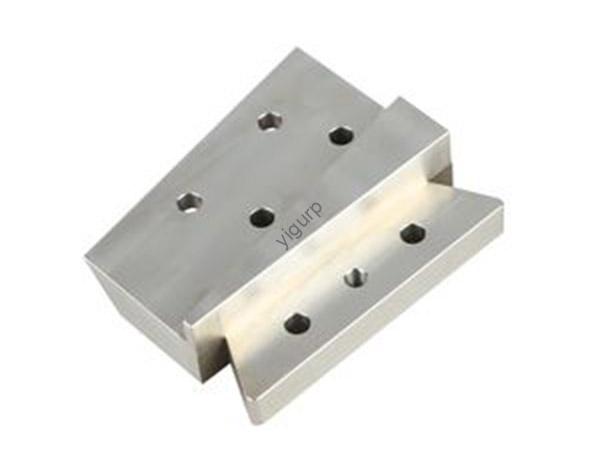
Se você estiver trabalhando em residências, comercial, ou projetos automotivos onde o peso, velocidade, and precision matter—light gauge structural steel is a game-changing solution. Este aço de paredes finas (normalmente 0,5–3 mm de espessura) equilibra força e portabilidade, mas como ele funciona em tarefas do mundo real, como construir pequenas casas ou fabricar painéis de automóveis? Este guia detalha suas principais características, aplicações, e comparações com outros materiais, so you can make smart decisions for lightweight, efficient projects.
1. Material Properties of Light Gauge Structural Steel
Light gauge steel’s value lies in its “strong yet thin” design—engineered to deliver structural performance without excess weight. Let’s explore its defining properties.
1.1 Composição Química
O composição química of light gauge steel aligns with low-carbon or mild carbon steel standards (por exemplo, ASTM A653), optimized for formability and weldability:
| Elemento | Faixa de conteúdo (%) | Key Function |
| Carbono (C) | 0.05 – 0.20 | Provides moderate strength while keeping ductility (critical for bending thin sheets) |
| Manganês (Mn) | 0.30 – 1.00 | Enhances formability and reduces brittleness (prevents cracking during cold rolling) |
| Silício (E) | 0.01 – 0.35 | Improves heat resistance during welding (avoids warping thin sections) |
| Enxofre (S) | ≤ 0.050 | Minimized to avoid weak points (prevents tearing during forming) |
| Fósforo (P) | ≤ 0.040 | Controlled to prevent cold brittleness (suitable for outdoor use in temperate climates) |
| Cromo (Cr) | 0.01 – 0.10 | Trace amounts for mild corrosion resistance (higher in galvanized grades) |
| Níquel (Em) | 0.01 – 0.10 | Enhances toughness (minor boost for impact resistance in automotive panels) |
| Molybdenum (Mo) | 0.01 – 0.05 | Trace amounts for improved fatigue resistance (in high-stress parts like roof trusses) |
| Vanadium (V) | 0.01 – 0.03 | Refines grain structure (minor improvement in strength for thin sheets) |
| Other alloying elements | Trace (por exemplo, alumínio) | Improves galvanizing adhesion (for corrosion-resistant grades) |
1.2 Propriedades Físicas
Esses propriedades físicas make light gauge steel ideal for lightweight applications:
- Densidade: 7.85 g/cm³ (same as standard steel, but thinner profile reduces overall weight)
- Ponto de fusão: 1450 – 1510°C (handles standard welding and forming processes)
- Condutividade térmica: 45 – 50 C/(m·K) a 20ºC (good for heat distribution in building panels, preventing hot spots)
- Specific heat capacity: 460 J/(kg·K)
- Coefficient of thermal expansion: 13.0 × 10⁻⁶/°C (20 – 100°C, minimal warping in thin sheets—critical for precise building components)
1.3 Propriedades Mecânicas
Light gauge steel’s mechanical traits prioritize strength-to-weight ratio:
| Propriedade | Value Range |
| Resistência à tracção | 370 – 550 MPa |
| Força de rendimento | ≥ 235 MPa (≥350 MPa for high-strength grades like ASTM A653 Grade 50) |
| Alongamento | 15 – 25% |
| Dureza (HB) | 110 – 180 |
| Resistência ao impacto | 20 – 40 J at 0°C |
| Fatigue resistance | 180 – 250 MPa |
| Ductilidade | Alto (can be rolled into complex shapes like C-channels or Z-purlins) |
1.4 Outras propriedades
- Resistência à corrosão: Moderate to Good (galvanized light gauge steel resists rust for 20+ anos; uncoated steel needs paint for outdoor use)
- Weldability: Excelente (thin sheets weld quickly with spot welding or arc welding—no preheating needed)
- Usinabilidade: Bom (easily cut with plasma or laser tools; low tool wear due to thin profile)
- Magnetic properties: Ferromagnético (works with magnetic inspection tools for defect detection in building components)
- Acabamento de superfície: Suave (cold-rolled surface ideal for painting or laminating; galvanized grades have a zinc coating for extra protection)
- Precisão dimensional: Alto (±0.1 mm for thickness—critical for interlocking building parts like wall panels)
2. Applications of Light Gauge Structural Steel
Light gauge steel’s lightweight and precision make it a staple in fast-paced, space-efficient projects. Here are its key uses, com exemplos reais:
- General construction:
- Structural frameworks: Lightweight frames for modular buildings (por exemplo, temporary offices). Um EUA. construction firm used light gauge steel for 50 modular offices—frames weighed 40% less than wood, cutting transport costs by 25%.
- Beams and columns: Thin-walled C-channels for mezzanines in retail stores. A European mall used light gauge steel mezzanines—supported 500 kg/m² while saving 30% floor space vs. heavy steel.
- Residential construction:
- Roof trusses: Prefabricated trusses for single-family homes. A Canadian builder used light gauge steel trusses for 100+ homes—trusses were 50% lighter than wood, speeding up roof installation by 40%.
- Painéis de parede: Interlocking steel panels for tiny homes. A U.K. tiny home brand uses light gauge steel panels—panels are fire-resistant and mold-proof, addressing common wood issues.
- Commercial construction:
- Building envelopes: Curtain walls for office buildings. A Singaporean architect used light gauge steel curtain walls for a 20-story office—reduced building weight by 15% contra. alumínio, lowering foundation costs.
- Divisórias interiores: Movable steel partitions for co-working spaces. A Japanese co-working firm used light gauge steel partitions—easy to reconfigure and fire-resistant, meeting safety codes.
- Indústria automotiva:
- Painéis da carroceria: Door and hood panels for electric vehicles (VEs). Tesla uses light gauge steel for its Model 3 body panels—reduced vehicle weight by 10%, improving battery range by 5%.
- Frame components: Lightweight subframes for hybrid cars. Toyota uses light gauge steel subframes—balances strength and weight, boosting fuel efficiency.
- Máquinas industriais:
- Gabinetes: Protective enclosures for small machinery (por exemplo, 3Impressoras D). A German tech firm uses light gauge steel enclosures—enclosures are lightweight, easy to assemble, and shield against dust.
- Support structures: Shelving frames for factory storage. A Chinese manufacturer uses light gauge steel shelving—supports 200 kg per shelf while being easy to move.
- Infrastructure projects:
- Pontes: Pedestrian bridge railings and minor supports. A Australian city used light gauge steel for a 40-meter pedestrian bridge—railings were 60% lighter than heavy steel, reduzindo o tempo de instalação em 3 dias.
- Highway structures: Traffic light poles and sign supports. Um EUA. DOT used light gauge steel poles—poles are corrosion-resistant (galvanizado) and easy to install with small crews.
3. Manufacturing Techniques for Light Gauge Structural Steel
Producing light gauge steel requires precision to maintain thinness while ensuring strength:
3.1 Rolling Processes
- Hot rolling: Used for initial thinning—steel heated to 1100 – 1250°C, pressed into thin coils (5–10mm thick). Creates a rough surface, ideal for subsequent cold rolling.
- Cold rolling: Primary method for final gauge—cold-rolled at room temperature to 0.5–3mm thickness. Improves surface smoothness and dimensional accuracy (critical for building panels and automotive parts).
3.2 Fabrication Methods
- Corte: Plasma cutting (fast for thick light gauge sheets) ou corte a laser (precision for automotive panels). Thin profile ensures clean cuts with minimal waste.
- Welding techniques: Spot welding (painéis automotivos) ou MIG welding (building components). Thin sheets weld quickly—reduces production time vs. heavy steel.
- Bending and forming: Done via roll forming (for C-channels/Z-purlins) or press brakes (for custom shapes like wall panels). High ductility lets it be formed into complex interlocking designs.
3.3 Tratamento de superfície
- Galvanização: Dipping in molten zinc (50–100 μm coating). Most common for outdoor use—galvanized light gauge steel resists rust for 20+ anos (used in roof trusses, poles).
- Pintura: Powder coating or liquid paint. Used for indoor components (por exemplo, office partitions) or aesthetic parts (por exemplo, EV body panels).
3.4 Controle de qualidade
- Métodos de inspeção:
- Ultrasonic testing: Checks for thickness uniformity (crítico para a integridade estrutural).
- Magnetic particle inspection: Finds surface cracks in welded joints (por exemplo, truss connections).
- Dimensional testing: Laser scanners verify thickness and shape meet standards (por exemplo, ASTM A653).
- Certification standards: Meets ASTM A653 (NÓS.), EM 10142 (Europa), ou ISO 10338 (global) for light gauge steel.
4. Estudos de caso: Light Gauge Steel in Action
4.1 Residential: Canadian Tiny Home Project
A Canadian tiny home builder switched from wood to light gauge steel for wall panels and roof trusses. Light gauge steel panels were mold-proof (solving Canadian humidity issues) e 50% lighter than wood—each tiny home frame could be transported with a small truck (contra. a semi for wood). The builder reduced construction time by 30% (de 4 semanas para 2.8 semanas) and received zero warranty claims for rot or warping over 5 anos.
4.2 Automotivo: Tesla Model 3 Body Panels
Tesla used high-strength light gauge steel (ASTM A653 Grade 50) for the Model 3’s door and hood panels. The steel’s high yield strength (≥350MPa) maintained crash safety, while its thin profile reduced vehicle weight by 10 kg. This weight savings improved the Model 3’s EPA range by 15 milhas (24 quilômetros) and cut body panel production time by 20% contra. aluminum panels.
5. Comparative Analysis: Light Gauge Steel vs. Outros materiais
How does light gauge steel stack up to alternatives for lightweight projects?
5.1 contra. Other Types of Steel
| Feature | Aço estrutural de bitola leve | Heavy Gauge Steel | Liga de aço |
| Thickness | 0.5 – 3 milímetros | 5 – 50 milímetros | 1 – 20 milímetros |
| Peso (por m², 1milímetros) | 7.85 kg | 39.25 kg (5milímetros) | 7.85 kg |
| Força de rendimento | ≥ 235 MPa (até 500 MPa) | ≥ 235 MPa | ≥ 400 MPa |
| Custo (per ton) | \(800 – \)1,200 | \(600 – \)900 | \(1,500 – \)2,000 |
| Melhor para | Modular buildings, EV panels | Pontes, maquinaria pesada | Peças de alto estresse |
5.2 contra. Non-Metallic Materials
- Madeira: Light gauge steel is fire-resistant, mold-proof, and termite-proof (unlike wood). It’s 2x stronger per kg and lasts 50+ anos versus. 20–30 years for wood—ideal for residential trusses.
- Materiais compósitos (por exemplo, fibra de vidro): Composites are corrosion-resistant but cost 3x more and less stiff. Light gauge steel is better for load-bearing parts like mezzanine beams.
5.3 contra. Other Metallic Materials
- Ligas de alumínio: Aluminum is lighter (2.7 g/cm³) but has lower yield strength (200 – 300 MPa) and costs 2x more. Light gauge steel is better for structural parts like wall panels (needs less material for same strength).
- Aço inoxidável: Stainless steel resists corrosion but costs 4x more and is harder to form. Light gauge steel (galvanizado) is a better value for outdoor use like poles.
5.4 Custo & Environmental Impact
- Cost analysis: Light gauge steel costs 10–20% more than heavy steel but saves 30–50% in transport and installation costs. A modular building project using light gauge steel saved $15,000 contra. heavy steel.
- Environmental impact: 100% reciclável (salva 75% energy vs. new steel). Thinner profile uses less raw material—producing 1 ton of light gauge steel uses 30% less iron ore than 1 ton of heavy steel.
6. Yigu Technology’s View on Light Gauge Structural Steel
Na tecnologia Yigu, we recommend light gauge steel for modular construction, EV manufacturing, and lightweight infrastructure. Isso é excelente relação resistência-peso cuts transport/installation costs, while galvanized grades offer long-term corrosion resistance. We provide custom roll-forming for building components (C-channels, painéis) and offer coating solutions to match project needs (por exemplo, heat-resistant paint for industrial enclosures). For clients prioritizing speed, sustentabilidade, and space efficiency, light gauge steel is the future of lightweight structural design—no compromise on strength, just smarter material use.
FAQ About Light Gauge Structural Steel
- Is light gauge steel strong enough for residential roof trusses?
Yes—high-strength light gauge steel (por exemplo, ASTM A653 Grade 50, yield strength ≥350 MPa) supports roof loads (snow, vento) as well as wood or heavy steel. It’s also fire-resistant, which wood isn’t, making it safer for homes.
- How long does galvanized light gauge steel last outdoors?
Galvanized light gauge steel lasts 20–30 years outdoors (depending on climate). In coastal areas (saltwater), it may last 15–20 years—pair it with a top coat of paint to extend lifespan to 30+ anos.
- Can light gauge steel be used for EV body panels instead of aluminum?
Yes—it’s a cost-effective alternative. Light gauge steel has similar strength to aluminum but costs 50% less and is easier to weld. Tesla and Toyota already use it for body panels to reduce weight and costs without sacrificing safety.