
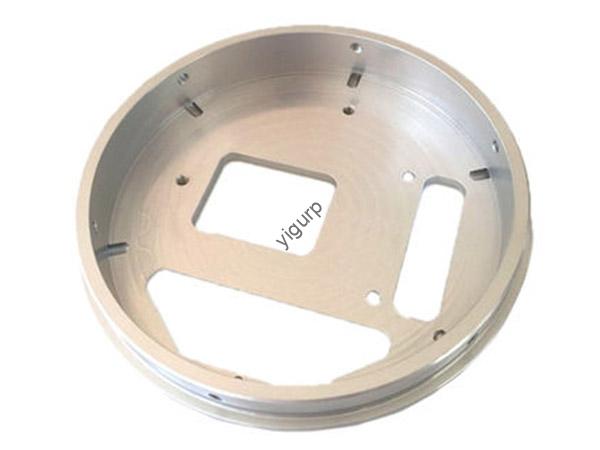
If you’re in need of ahot work tool steel that can withstand high temperatures, resistir à fadiga térmica, e proporcionar longa vida útil, JIS SKD61 tool steel é o padrão da indústria. Confiável em fundição sob pressão, forjamento a quente, e moldes de injeção de plástico, esta liga resolve pontos problemáticos comuns, como rachaduras em matrizes causadas por ciclos de calor ou desgaste prematuro em aplicações de alta temperatura. Neste guia, vamos detalhar suas principais propriedades, usos no mundo real, etapas de fabricação, and how it compares to other materials—so you can confidently choose it for your hot working projects.
1. Material Properties of JIS SKD61 Tool Steel
JIS SKD61’s exceptional performance in hot environments comes from its carefully engineered composition and balanced properties. Let’s explore these in detail:
1.1 Composição Química
The elements in JIS SKD61 work together to enhance high-temperature strength, thermal fatigue resistance, e durabilidade. Below is its standard composition (per JIS G4404):
| Elemento | Faixa de conteúdo (%) | Papel-chave |
|---|---|---|
| Carbono (C) | 0.32 – 0.42 | Provides moderate hardness while maintaining toughness for hot working. |
| Manganês (Mn) | 0.80 – 1.20 | Improves hardenability and reduces brittleness at high temperatures. |
| Silício (E) | 0.80 – 1.20 | Enhances oxidation resistance and strength in hot environments. |
| Cromo (Cr) | 4.50 – 5.50 | A primary element fordureza quente and thermal fatigue resistance; forms protective oxide layers. |
| Níquel (Em) | ≤ 0.50 | A trace element that slightly boosts toughness (kept low to avoid reducing hot strength). |
| Molibdênio (Mo) | 1.00 – 1.50 | Increases high-temperature strength and prevents grain growth during heat cycles. |
| Vanádio (V) | 0.80 – 1.20 | Refines grain structure and enhances wear resistance; improves thermal fatigue life. |
| Enxofre (S) | ≤ 0.030 | Minimized to avoid weakening the steel and reducing fatigue strength. |
| Fósforo (P) | ≤ 0.030 | Kept low to prevent brittleness, especially under repeated heating/cooling. |
1.2 Propriedades Físicas
These properties determine how JIS SKD61 behaves in hot working environments—such as heat transfer and dimensional stability. All values are measured at room temperature unless noted:
- Densidade: 7.85 g/cm³ (consistent with most tool steels, making it easy to calculate die weights).
- Ponto de fusão: 1450 – 1510 °C (high enough to withstand forging and heat treatment without deformation).
- Condutividade Térmica: 30 C/(m·K) (good heat transfer, helping distribute heat evenly in matrizes de forjamento a quente).
- Coeficiente de Expansão Térmica: 12.0 × 10⁻⁶/°C (de 20 para 600 °C; low expansion reduces thermal stress in dies).
- Capacidade Específica de Calor: 470 J/(kg·K) (efficient at absorbing and releasing heat, reducing thermal fatigue).
1.3 Propriedades Mecânicas
JIS SKD61’s mechanical properties are optimized for hot working—prioritizing high-temperature strength and thermal fatigue resistance. Below are typical values after standard heat treatment (têmpera + tempering at 550 °C):
| Propriedade | Valor típico | Padrão de teste | Por que é importante |
|---|---|---|---|
| Dureza (CDH) | 42 – 48 | JIS Z2245 | Balanced hardness—resists wear in hot dies while maintaining toughness to avoid cracking. |
| Resistência à tracção | ≥ 1200 MPa | JIS Z2241 | Handles high pressure inhot extrusion dies and die casting molds. |
| Força de rendimento | ≥ 1000 MPa | JIS Z2241 | Resists permanent deformation, keeping dies dimensionally stable. |
| Alongamento | ≥ 10% | JIS Z2241 | Boa ductilidade, reducing the risk of cracking during thermal cycles. |
| Resistência ao Impacto (Entalhe em V Charpy) | ≥ 35 J. (no 20 °C) | JIS Z2242 | Excellent toughness—critical for dies that face sudden temperature changes. |
| Força de fadiga | ~550MPa (10⁷ ciclos) | JIS Z2273 | Resists failure from repeated heat cycles (key for high-volume die casting). |
1.4 Outras propriedades
- Resistência à corrosão: Bom. Chromium forms a protective oxide layer that resists rust and mild chemical exposure (por exemplo, die casting lubricants).
- Resistência ao desgaste: Muito bom. Vanadium and chromium carbides resist abrasive wear from hot metals in forging or extrusion.
- Usinabilidade: Justo. It’s harder to machine than low-alloy steels, mas recozimento (heating to 800–850 °C and cooling slowly) softens it to HRC 22–26, making machining easier.
- Temperabilidade: Excelente. It hardens evenly across thick sections (até 80 milímetros), so large dies have consistent performance.
- Dureza Quente: Fora do comum. Retains 80% of its room-temperature hardness at 600 °C—ideal for hot stamping dies and plastic injection molds with heated cavities.
- Resistência à fadiga térmica: Excepcional. Resists cracking from repeated heating/cooling cycles (the top reason for hot die failure).
2. Applications of JIS SKD61 Tool Steel
JIS SKD61’s ability to withstand high temperatures and thermal fatigue makes it indispensable in hot working industries. Aqui estão seus usos mais comuns, com exemplos reais:
2.1 Ferramentas de trabalho a quente
- Exemplos: Matrizes de forjamento a quente (for steel or aluminum parts), hot extrusion dies (for aluminum profiles), e hot stamping dies (para painéis de carroceria de automóvel).
- Why it works: Hot hardness retains strength at 600+ °C, while thermal fatigue resistance prevents cracking. A Chinese forging shop used JIS SKD61 for steel gear dies—die life increased from 30,000 para 100,000 peças.
2.2 Moldes para fundição sob pressão
- Exemplos: Molds for die casting non-ferrous metals like aluminum (por exemplo, rodas automotivas) ou zinco (por exemplo, caixas eletrônicas).
- Why it works: Thermal fatigue resistance handles repeated metal pouring (400–600 °C) e resfriamento. A Japanese die caster used JIS SKD61 for aluminum wheel molds—maintenance costs dropped by 40%.
2.3 Moldes de injeção de plástico
- Exemplos: Moldes para plásticos de alta temperatura (por exemplo, nylon, ESPIAR) or molds with heated cavities (por exemplo, para peças com paredes espessas).
- Why it works: Hot hardness resists heat from molten plastic, while wear resistance prevents degradation from plastic flow. Um EUA. plastic manufacturer used JIS SKD61 for nylon part molds—cycle time reduced by 15% (faster heating/cooling).
2.4 Automotive and Aerospace Components
- Exemplos: Tooling for making automotive engine parts (por exemplo, cabeças de cilindro) or aerospace turbine components (small-scale).
- Why it works: Meets strict industry standards for high-temperature performance. A German automotive supplier used JIS SKD61 for hot-stamped body panels—part strength improved (thanks to consistent die temperatures).
3. Manufacturing Techniques for JIS SKD61 Tool Steel
Turning JIS SKD61 into high-performance hot tools requires precise processing. Aqui está uma análise passo a passo:
- Fusão: Matérias-primas (ferro, cromo, molibdênio, etc.) são derretidos em forno elétrico a arco (EAF) at 1550–1650 °C for uniform mixing of high-value elements.
- Fundição: Molten steel is poured into ingot molds or continuous casters to form slabs or billets. Resfriamento lento (50–100 °C/hour) evita a segregação de carboneto.
- Forjamento: Slabs are heated to 1050–1150 °C and pressed/hammered into die blanks (por exemplo, 500x500x200 mm for large forging dies). Forging improves grain structure and thermal fatigue resistance.
- Tratamento térmico: The standard cycle for JIS SKD61 (optimized for hot working):
- Recozimento: Heat to 800–850 °C, hold 2–4 hours, cool slowly. Softens steel for machining.
- Têmpera: Heat to 1020–1060 °C, hold 1–2 hours, tempere em óleo. Hardens steel to HRC 50–55.
- Temperamento: Reheat to 500–600 °C, hold 2–3 hours, cool. Reduces brittleness and sets final hardness (HRC 42–48).
- Usinagem: Die blanks are milled, perfurado, or turned into die cavities (done before quenching, when steel is soft). Carbide tools are recommended for best results.
- Moagem: Após tratamento térmico, dies are ground to precise dimensions (por exemplo, ±0.005 mm tolerance) to remove surface defects and improve finish.
- Tratamento de superfície: Etapas opcionais para aumentar o desempenho:
- Nitretação: Creates a hard surface layer (HRC 60–65) to enhance wear resistance for die casting molds.
- Revestimento: Applies TiAlN (nitreto de alumínio titânio) to reduce friction between the die and hot metal.
4. Estudo de caso: JIS SKD61 in Aluminum Die Casting Molds
A European automotive parts manufacturer faced a problem: their alloy steel die casting molds for aluminum sensor housings were cracking after 50,000 cycles due to thermal fatigue. They switched to JIS SKD61, e aqui está o que aconteceu:
- Processo: Molds were forged, recozido (CDH 24), machined to shape, apagado (1040 °C), temperado (550 °C), nitretado, and ground to tolerance.
- Resultados:
- Mold life increased to 180,000 ciclos (260% melhoria) thanks to JIS SKD61’s thermal fatigue resistance.
- Cracking dropped by 90% (no more failure from heat cycles).
- Part quality improved: fewer surface defects (consistent die temperatures from JIS SKD61’s heat conductivity).
- Por que funcionou: Chromium and molybdenum in JIS SKD61 retained the mold’s strength at 550 °C (aluminum melting temperature), while vanadium prevented grain growth—solving the thermal fatigue issue.
5. JIS SKD61 vs. Outros materiais
How does JIS SKD61 compare to common alternatives for hot working? Let’s evaluate key properties:
| Material | Dureza (CDH) | Dureza Quente (600 °C) | Resistência à fadiga térmica | Usinabilidade | Custo (contra. JIS SKD61) | Melhor para |
|---|---|---|---|---|---|---|
| Aço ferramenta JIS SKD61 | 42 – 48 | Fora do comum | Excepcional | Justo | 100% | Matrizes de forjamento a quente, moldes de fundição |
| Hot Work Tool Steel (EM 1.2344) | 45 – 50 | Fora do comum | Excelente | Justo | 110% | High-pressure hot forging (thicker dies) |
| Aço Rápido (HSS) | 60 – 65 | Muito bom | Pobre | Pobre | 250% | Ferramentas de corte (not hot dies) |
| Aço inoxidável (310S) | 20 – 25 | Bom | Bom | Justo | 180% | Low-stress hot parts (not dies) |
| Liga de aço (4140) | 30 – 35 | Pobre | Pobre | Bom | 70% | Partes estruturais (not hot working) |
| Ferro fundido (FC250) | 18 – 22 | Very Poor | Very Poor | Pobre | 50% | Baixo custo, low-temperature molds |
Conclusão importante: JIS SKD61 is the best all-around choice for hot working tools. It offers better thermal fatigue resistance than HSS or alloy steel, and it’s more cost-effective than EN 1.2344 while delivering comparable performance for most die casting and forging applications.
Yigu Technology’s View on JIS SKD61 Tool Steel
Na tecnologia Yigu, JIS SKD61 is our top recommendation for clients with hot working needs—from die casting to hot stamping. Its unmatched thermal fatigue resistance solves the #1 problem our clients face: premature die failure from heat cycles. We often pair it with nitriding to boost wear resistance, helping clients extend die life by 150–250%. For automotive and aerospace manufacturers, JIS SKD61 isn’t just a material—it’s a way to cut downtime, reduce maintenance costs, and deliver consistent, peças de alta qualidade.
FAQ About JIS SKD61 Tool Steel
1. Can JIS SKD61 be used for cold working applications (por exemplo, matrizes de estampagem a frio)?
While JIS SKD61 can handle mild cold working, it’s not ideal. Its hardness (HRC 42–48) is lower than dedicatedcold work tool steel (por exemplo, JIS SKD11, HRC 58–62), so it will wear faster in cold stamping. For cold working, choose JIS SKD11 instead.
2. What’s the maximum temperature JIS SKD61 can withstand without losing strength?
JIS SKD61 retains excellent strength at temperatures up to 600 °C. For short periods (por exemplo, 1–2 horas), it can handle up to 650 °C, but prolonged exposure above 600 °C will reduce its hardness and fatigue resistance over time.
3. Is JIS SKD61 more expensive than pre-hardened mold steel (por exemplo, P20)?
Sim, JIS SKD61 costs about 50–70% more than pre-hardened mold steel (P20). But it’s worth the investment for hot working applications—P20 lacks the hot hardness and thermal fatigue resistance of JIS SKD61 and will fail quickly in high-temperature environments.