
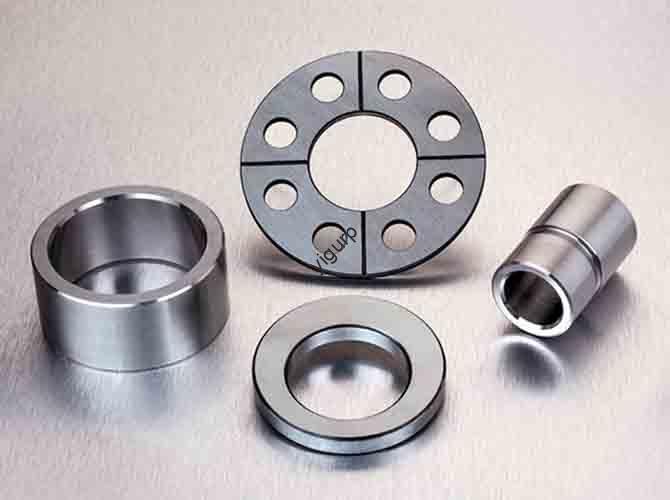
O aço inoxidável é versátil, material resistente à corrosão amplamente utilizado na indústria aeroespacial, automotivo, médico, processamento de alimentos, and consumer goods industries—making stainless steel machining a critical skill and service in modern manufacturing. No entanto, suas propriedades únicas, como alta tenacidade, tendência de endurecimento por trabalho, e baixa condutividade térmica, present distinct challenges that set it apart from machining other metals like aluminum or carbon steel. Quer você seja um programador CNC, engenheiro de produção, or procurement professional sourcing stainless steel machining serviços, understanding the nuances of this process is essential to achieving high-quality parts, reducing production costs, e evitando armadilhas comuns. This article guides you through the fundamentals of stainless steel machining, from material types and properties to key processes, desafios, and expert tips. No final, you’ll have a comprehensive roadmap to master stainless steel machining for your most demanding projects.
What Is Stainless Steel, and Can It Be Machined?
Stainless steel is an alloy of iron, cromo (mínimo 10.5%), and other elements (such as nickel, molibdênio, and carbon) that provides exceptional corrosion resistance, força, e durabilidade. Unlike carbon steel, the chromium content forms a passive oxide layer on the surface, protecting the material from rust and oxidation.
A common question among manufacturers is: Can stainless steel be machined? The answer is yes—but with caveats. Stainless steel is machinable, but its properties make it more challenging than many other metals. Key factors that impact machinability include:
- Work Hardening: Stainless steel hardens rapidly when exposed to cutting forces, which can cause tool wear, increased cutting forces, and poor surface finish if not managed properly.
- Low Thermal Conductivity: Heat generated during machining is trapped near the cutting edge (instead of dissipating into the workpiece), leading to high tool temperatures and potential tool failure.
- High Toughness: Stainless steel is ductile and tough, requiring higher cutting forces to shear the material, which increases tool stress.
According to the Nickel Institute, sobre 70% of stainless steel grades are machinable with proper tooling, parameters, and techniques. The key is selecting the right stainless steel grade for your application and optimizing the machining process to address its unique challenges.
Types of Stainless Steel for Machining
Not all stainless steel grades are created equal—machinability varies significantly based on alloy composition. Below is a detailed breakdown of the five main types of stainless steel, their properties, exemplos, aplicações, and machinability ratings (1 = least machinable, 5 = most machinable):
Austenitic Stainless Steels
Austenitic stainless steels are the most widely used type, accounting for approximately 70% of global stainless steel production (Outokumpu). They contain high levels of chromium and nickel, have a non-magnetic structure, and offer excellent corrosion resistance and ductility.
| Propriedades | Examples | Aplicativos | Machinability Rating |
|---|---|---|---|
| Non-magnetic, high corrosion resistance, excellent ductility, high work hardening tendency | 304, 316, 302, 305 | Food processing equipment, dispositivos médicos, chemical tanks, architectural components | 3/5 |
304 e 316 are the most common austenitic grades. 316 contains molybdenum, which enhances corrosion resistance in harsh environments (por exemplo, saltwater or chemical exposure) but is slightly more difficult to machine than 304 due to its higher toughness.
Ferritic Stainless Steels
Ferritic stainless steels are magnetic, contain 10.5-27% cromo, and have low nickel content (or no nickel at all). They offer good corrosion resistance and thermal conductivity but lower ductility than austenitic grades.
| Propriedades | Examples | Aplicativos | Machinability Rating |
|---|---|---|---|
| Magnetic, boa resistência à corrosão, moderate ductility, lower work hardening than austenitic | 430, 409, 434 | Automotive exhaust systems, kitchen appliances, heat exchangers | 4/5 |
Martensitic Stainless Steels
Martensitic stainless steels are magnetic, contain 11-17% cromo, and have higher carbon content than other grades. They are hardenable via heat treatment, offering excellent strength and wear resistance.
| Propriedades | Examples | Aplicativos | Machinability Rating |
|---|---|---|---|
| Magnetic, alta resistência, wear resistant, low ductility, difficult to machine when hardened | 410, 420, 440C | Knives, válvulas, pumps, componentes aeroespaciais, instrumentos médicos | 2/5 |
Machining martensitic grades is easiest in the annealed (softened) state; machining after hardening requires specialized tooling and low cutting speeds.
Duplex Stainless Steels
Duplex stainless steels combine austenitic and ferritic structures, offering the best of both worlds: high strength and excellent corrosion resistance. They contain 21-25% cromo, 4-7% níquel, e 0.05-0.3% nitrogen.
| Propriedades | Examples | Aplicativos | Machinability Rating |
|---|---|---|---|
| Alta resistência, excellent corrosion resistance, moderate work hardening, lower ductility than austenitic | 2205, 2507 | Offshore oil and gas equipment, processamento químico, marine components | 2/5 |
Precipitation Hardening Stainless Steels
Precipitation hardening (PH) stainless steels are austenitic or martensitic alloys that achieve high strength through a low-temperature heat treatment process (precipitation hardening). They offer excellent strength-to-weight ratios and corrosion resistance.
| Propriedades | Examples | Aplicativos | Machinability Rating |
|---|---|---|---|
| Alta resistência, boa resistência à corrosão, machinable in solution-annealed state | 17-4 PH, 17-7 PH | Componentes aeroespaciais, dispositivos médicos, high-performance fasteners | 3/5 |
Stainless Steel Machining Processes
Stainless steel machining encompasses a range of processes tailored to different part geometries, material grades, e requisitos de aplicação. Below are the most common processes, their key considerations, e casos de uso ideais:
Fresagem
Milling is a versatile process used to create flat surfaces, slots, pockets, and complex 3D features in stainless steel. Para stainless steel machining, milling requires rigid setups, sharp tools, and optimized parameters to minimize work hardening.
Key Considerations: Use carbide end mills with TiAlN or TiCN coatings (for heat resistance), moderate cutting speeds (100-300 SFM for austenitic grades), and high feed rates to reduce tool contact time. For deep pockets or slots, use a spiral tool path to improve chip evacuation and reduce cutting forces.
Ideal Use Cases: Complexo 304 stainless steel parts, componentes aeroespaciais, medical device casings.
Virando
Turning is used to machine cylindrical parts (por exemplo, eixos, parafusos, válvulas) by rotating the workpiece against a stationary cutting tool. Stainless steel turning requires tools with positive rake angles to reduce cutting forces and minimize work hardening.
Key Considerations: Use carbide inserts with sharp cutting edges, low cutting speeds (50-200 SFM for martensitic grades), and adequate coolant to dissipate heat. Avoid interruptions in cutting (por exemplo, sharp shoulders) to prevent tool chipping.
Ideal Use Cases: 316 stainless steel fasteners, automotive shafts, food processing valves.
Perfuração
Drilling creates holes in stainless steel, a process that is challenging due to the material’s toughness and tendency to work harden. Proper drill selection and chip evacuation are critical to avoid tool breakage.
Key Considerations: Use cobalt or carbide drills with a parabolic flute design (for better chip evacuation), pre-drill with a smaller pilot hole, and use a peck drilling technique (periodically retracting the drill) to clear chips. Cutting speeds should be low (50-150 SFM) to reduce heat buildup.
Ideal Use Cases: Holes in 304 stainless steel panels, componentes de dispositivos médicos, suportes automotivos.
Other Processes
- Threading: Use forming taps (instead of cutting taps) for stainless steel to reduce work hardening. Forming taps create threads by displacing material, resulting in stronger threads and longer tool life.
- Corte a laser: Ideal for thin-gauge stainless steel (até 0.25 inches thick) and complex shapes. Laser cutting produces clean edges with minimal heat-affected zones.
- Waterjet Cutting: Suitable for thick or hard stainless steel grades (por exemplo, duplex 2205). Waterjet cutting uses high-pressure water and abrasive particles to cut material without generating heat, avoiding work hardening.
- Música eletrônica (Electrical Discharge Machining): Used for complex, high-precision features in hardened stainless steel (por exemplo, 440C). EDM removes material via electrical discharges, eliminating cutting forces and work hardening.
Challenges in Stainless Steel Machining
Stainless steel machining is fraught with challenges, but understanding and addressing them proactively can significantly improve results. Below are the most common issues and their root causes:
Work Hardening
Work hardening is the most significant challenge in stainless steel machining. When the cutting tool rubs against the workpiece (instead of shearing it), the material’s surface hardens, making subsequent cuts more difficult. This can lead to increased tool wear, higher cutting forces, and poor surface finish.
Root Causes: Dull tools, low feed rates, excessive tool contact time, and interrupted cutting.
Tool Wear and Failure
High cutting forces and trapped heat in stainless steel lead to rapid tool wear, chipping, and breakage. Carbide tools are more resistant than HSS (aço rápido) but can still fail if parameters are not optimized.
Root Causes: High cutting speeds, insufficient coolant, poor tool selection, and rigid setups.
Poor Surface Finish
Stainless steel’s ductility can cause material to “tear” instead of being cleanly cut, resulting in a rough surface finish. Work hardening and tool wear also contribute to poor surface quality.
Root Causes: Dull tools, low feed rates, inadequate coolant, and improper tool geometry.
Heat Buildup
Stainless steel’s low thermal conductivity means heat generated during machining is concentrated at the cutting edge, leading to tool overheating, material distortion, and reduced tool life.
Root Causes: High cutting speeds, insufficient coolant flow, and large depth of cut.
Expert Tips to Ease Stainless Steel Machining
Overcoming the challenges ofstainless steel machining requires a combination of proper tool selection, optimized parameters, e melhores práticas. Below are actionable tips to improve your process:
1. Choose the Right Stainless Steel Grade
Select a grade with good machinability for your project. Por exemplo:
- Usar 303 aço inoxidável (a free-machining austenitic grade with sulfur additions) for parts requiring high machinability.
- Avoid 316L (low-carbon 316) for high-volume machining, as its lower carbon content increases toughness and reduces machinability compared to standard 316.
- Opt for annealed martensitic grades (por exemplo, 410 annealed) instead of hardened grades to simplify machining.
Estudo de caso: A manufacturer producing food processing equipment switched from 316 para 303 stainless steel for a batch of 10,000 components. This change reduced tool wear by 40% and shortened cycle time by 25%, resulting in a 15% cost savings per part.
2. Use High-Quality, Sharp Tooling
Sharp tools are critical for stainless steel machining, as they reduce cutting forces and minimize work hardening. Follow these tooling guidelines:
- Select carbide tools with TiAlN, TiCN, or diamond-like carbon (DLC) coatings for heat resistance and wear protection.
- Use tools with positive rake angles (5-15°) to reduce cutting forces and improve chip flow.
- Avoid HSS tools for high-volume or high-precision applications, as they wear quickly in stainless steel.
- Replace tools regularly—dull tools are the leading cause of work hardening and poor surface finish.
3. Optimize Machining Parameters
Adjust cutting speeds, feed rates, and depth of cut to balance efficiency and tool life. Below are recommended parameters for common stainless steel grades (for carbide tools):
| Stainless Steel Grade | Cutting Speed (SFM) | Feed Rate (IPR) | Depth of Cut (polegadas) |
|---|---|---|---|
| 304 (Austenitic) | 150-250 | 0.005-0.015 | 0.05-0.15 |
| 316 (Austenitic) | 120-200 | 0.004-0.012 | 0.04-0.12 |
| 410 (Martensitic, Annealed) | 100-180 | 0.005-0.014 | 0.05-0.14 |
| 2205 (Duplex) | 80-150 | 0.003-0.010 | 0.03-0.10 |
Key principle: Prioritize higher feed rates over higher cutting speeds to reduce tool contact time and minimize work hardening.
4. Use Effective Coolant/Lubrication
Coolant is essential for stainless steel machining to dissipate heat, lubricate the cutting edge, and flush away chips. Follow these guidelines:
- Use a high-pressure coolant system (1000+ psi) to direct coolant to the cutting edge and improve chip evacuation.
- Select a coolant with good lubricity (por exemplo, soluble oils or synthetic coolants with extreme pressure additives) to reduce friction.
- Avoid dry machining for most stainless steel grades—except for some martensitic grades in low-volume applications.
- For hard-to-reach areas (por exemplo, deep holes), use through-coolant tools to deliver coolant directly to the cutting zone.
5. Ensure Rigid Setups
Rigid fixturing and machine setups reduce vibration, which causes tool wear and poor surface finish. Tips for rigidity:
- Use sturdy clamps or vises to secure the workpiece—avoid over-clamping, which can distort the part.
- Minimize tool overhang (keep tool length as short as possible) to reduce tool deflection.
- Use a machine with high rigidity (por exemplo, a heavy-duty CNC mill or lathe) for thick or hard stainless steel parts.
Estudo de caso: Yigu Technology was tasked with machining a complex 316 stainless steel aerospace component with tight tolerances (±0.001 inches). Initial setups had excessive vibration, leading to tool chipping and out-of-tolerance parts. By upgrading to a rigid vise, reducing tool overhang by 30%, and using a high-pressure coolant system, Yigu achieved a 99.8% yield and improved surface finish to 16 Rá.
Advantages and Disadvantages of Stainless Steel for Machining
Understanding the pros and cons of stainless steel helps you decide if it’s the right material for your project:
Vantagens
- Resistência à corrosão: The passive oxide layer protects against rust, making it ideal for harsh environments (por exemplo, marinho, processamento químico).
- Strength and Durability: Stainless steel offers high tensile strength and wear resistance, resulting in long-lasting parts.
- Hygienic Properties: Suave, non-porous surfaces make it easy to clean, suitable for food processing and medical applications.
- Versatilidade: A wide range of grades allows customization for specific applications (por exemplo, high temperature, alta resistência).
Disadvantages
- Alto custo: Stainless steel is more expensive than carbon steel or aluminum, increasing material costs.
- Challenging Machinability: Work hardening, baixa condutividade térmica, and high toughness require specialized tooling and parameters, increasing production costs.
- Weight: Stainless steel is heavier than aluminum, making it less suitable for weight-sensitive applications (por exemplo, aerospace components where weight is critical).
FAQ About Stainless Steel Machining
Q1: Which is easier to machine—304 or 316 aço inoxidável? A1: 304 stainless steel is easier to machine than 316. 316 contains molybdenum, which enhances corrosion resistance but increases toughness and work hardening tendency. This requires lower cutting speeds, higher feed rates, and more frequent tool changes for 316 comparado com 304.
Q2: What is the easiest stainless steel grade to machine? A2: 303 stainless steel is the easiest to machine. It is a free-machining austenitic grade with sulfur or selenium additions that break up chips, reduce cutting forces, and minimize work hardening. 303 is ideal for high-volume, complex parts where machinability is a top priority.
Q3: Is stainless steel more difficult to machine than carbon steel? A3: Sim, stainless steel is more difficult to machine than carbon steel. Carbon steel has higher thermal conductivity, lower toughness, and does not work harden as readily as stainless steel. This means carbon steel can be machined at higher speeds with less tool wear and lower cutting forces.
Q4: What is the cheapest stainless steel for machining? A4: Ferritic stainless steel grades (por exemplo, 430, 409) are typically the cheapest for machining. They have low nickel content (or no nickel), which reduces material costs. No entanto, their machinability is good, making them a cost-effective choice for non-critical applications (por exemplo, automotive exhaust systems, kitchen appliances).
Q5: Can you machine stainless steel without coolant? A5: While it is possible to machine some stainless steel grades (por exemplo, 410 annealed) without coolant in low-volume applications, it is not recommended for most cases. Coolant is essential to dissipate heat, reduce tool wear, and prevent work hardening. Dry machining can lead to rapid tool failure, mau acabamento superficial, and increased production costs.
Discuss Your Projects Needs with Yigu
Na tecnologia Yigu, we specialize in precision stainless steel machining services for a wide range of industries, including aerospace, automotivo, médico, processamento de alimentos, e marinho. With over 15 anos de experiência em stainless steel machining, our team of skilled engineers and programmers has the expertise to handle even the most complex projects—from simple 304 stainless steel brackets to intricate 316L medical devices and duplex 2205 offshore components.
What sets Yigu apart is our commitment to optimizing every aspect of stainless steel machining. We use state-of-the-art CNC machines with high rigidity, advanced carbide tooling with specialized coatings, and high-pressure coolant systems to tackle the unique challenges of stainless steel. Our virtual machining software (Siemens NX) allows us to simulate processes upfront, identifying potential issues like tool collisions or work hardening before they impact production. We also offer material selection consulting to help you choose the right stainless steel grade for your application—balancing machinability, desempenho, e custo.
Whether you need prototype stainless steel machining or large-volume production, we tailor our services to your specific needs. Our strict quality control processes (including CMM inspection and surface finish testing) ensure that every part meets your design specifications and industry standards. Contact us today to discuss your stainless steel machining project, and let our team help you achieve high-quality, cost-effective results.