
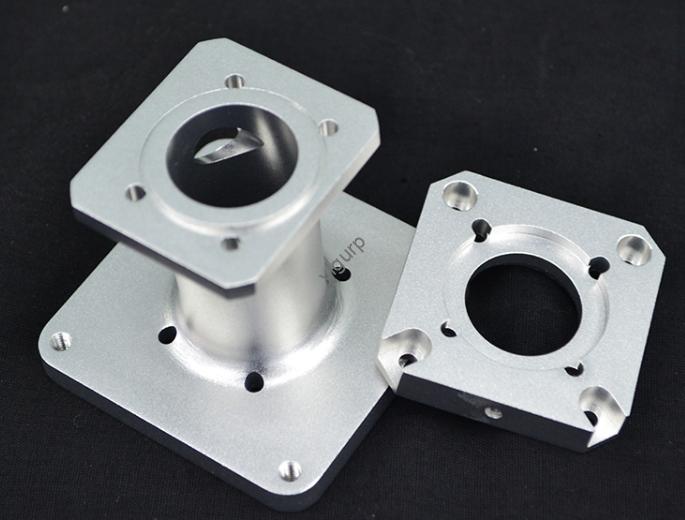
Na atual indústria manufatureira em ritmo acelerado, speed matters—especially when it comes toCNC machining prototypes. Quer você seja uma startup testando um novo design de produto ou um grande fabricante validando um componente, saber quanto tempo seu protótipo levará para ser feito ajuda você a planejar cronogramas, cortar custos, e fique à frente dos concorrentes. A verdade é, não existe uma resposta única para todos: CNC machining prototype speed ranges from a few days to a few weeks, depending on four critical factors. This article breaks down each factor, shares real examples, and gives tips to speed up your prototype process.
1. Design Complexity: The Bigger the Challenge, the Longer the Time
Design complexity is one of the biggest drivers ofCNC machining prototype speed. A simple, flat part will be ready in days, while a design with intricate details or complex surfaces can take weeks. Here’s why:
CNC machines work from pre-programmed paths—every curve, hole, and texture needs a precise code. Complex designs require more programming time (to map each detail) and more machine setup steps (to switch tools or adjust angles). Por exemplo:
- A basic plastic bracket (com 2 holes and a flat surface) needs 1–2 hours of programming and 3–4 hours of machining.
- A complex robotic arm component (with curved edges, cavidades internas, e 10+ pequenos buracos) needs 8–10 hours of programming and 15–20 hours of machining.
Exemplo do mundo real
A medical device startup needed a prototype for a tiny surgical tool (10cm long) with a serrated edge and 3 micro-furos (0.5mm de diâmetro). The complex design required 6 hours of programming (to ensure the holes were perfectly aligned) e 12 hours of machining (to avoid damaging the delicate serrations). The total prototype time was 3 dias - em comparação com 1 day for a simple tool without micro-holes.
2. Seleção de Materiais: Harder Materials Slow Things Down
The material you choose directly impacts how fast yourCNC machining prototype is made. Diferentes materiais têm propriedades únicas (dureza, resistência ao desgaste, cutting difficulty) that change machining speed. Here’s a breakdown of common materials and their typical prototype timelines:
| Tipo de material | Dureza (Rockwell Scale) | Velocidade de usinagem (mm/min) | Typical Prototype Time (Simple Part) | Typical Prototype Time (Complex Part) |
|---|---|---|---|---|
| PMMA (Acrílico) | R65–R70 | 300–500 | 1–2 dias | 3–4 dias |
| Liga de alumínio 6061 | B95–B100 | 200–400 | 2–3 dias | 4–5 dias |
| Aço inoxidável 304 | B70–B80 | 100–200 | 3–4 dias | 6–7 dias |
| Liga de titânio | C30–C35 | 50–100 | 5–6 dias | 8–10 dias |
Why This Happens
Harder materials like stainless steel or titanium require slower cutting speeds (para evitar o desgaste da ferramenta) and more frequent tool changes (to keep cuts precise). Por exemplo, machining a stainless steel part at 150 mm/min takes twice as long as machining an aluminum part at 300 mm/min. Soft materials like PMMA are easier to cut—they don’t dull tools quickly, so the machine can run faster.
Exemplo do mundo real
An automotive company tested two prototypes for a car dashboard clip: one in aluminum (6061) and one in stainless steel (304). The aluminum clip took 2 days to make (fast cutting speed, no tool changes). The stainless steel clip took 4 days—workers had to slow the machine to 180 mm/min and change the cutting tool 3 vezes (because the steel dulled it).
3. Método de usinagem: CNC versus. Handmade—Speed vs. Precisão
The machining method you pick also affectsCNC machining prototype speed. While CNC machining is precise, it needs setup and programming time. Handmade prototypes are faster for simple parts but lack the precision of CNC. Veja como eles se comparam:
| Método de usinagem | Tempo de configuração | Programming Time | Velocidade de usinagem (Simple Part) | Precisão (Tolerância) | Melhor para |
|---|---|---|---|---|---|
| Usinagem CNC | 1–2 horas | 1–8 horas | 3–20 hours | ±0.01–±0.1 mm | Complexo, peças de alta precisão |
| Handmade | 15–30 mins | 0 horas | 1–5 hours | ±0.1–±0.5 mm | Simples, low-precision parts |
Key Tradeoff
Handmade prototypes are faster for simple designs—for example, a wooden handle can be made in 2 hours by hand, contra. 5 horas com CNC (including setup and programming). But for parts that need precision (like a gear with tight tolerances), CNC is worth the wait. CNC also has better repeatability—if you need 5 identical prototypes, CNC can make them in the same time as 1, while handmade parts will take 5x longer (and may not be identical).
Exemplo do mundo real
A consumer goods brand needed 10 prototypes of a plastic bottle cap. They tried both methods:
- Handmade: 2 hours per cap (total 20 horas, 2.5 dias). Mas 3 caps were too loose (tolerance ±0.3 mm) and couldn’t fit the bottle.
- Usinagem CNC: 1 hour of setup, 2 hours of programming, e 0.5 hours per cap (total 8.5 horas, 1 dia). Todos 10 caps had a tolerance of ±0.05 mm and fit perfectly.
4. Number of Samples: Small Batches Are Faster (But Not Always More Efficient)
The number of prototypes you need (sample count) impacts speed, but not in the way you might think. Pequenos lotes (1–5 samples) are faster to start, but larger batches (10–20 samples) can be more efficient per part. Here’s why:
- Pequenos lotes (1–5 samples): You only need to program and set up the machine once, then run the parts one after another. Um lote de 2 aluminum brackets takes 3 dias (same as 1 bracket, since setup/programming is only done once).
- Grandes lotes (10–20 samples): The setup and programming time is spread across more parts. Um lote de 10 aluminum brackets takes 4 days—so per part, isso é 0.4 dias vs.. 1.5 days for a batch of 2. But if you only need 2, there’s no point in making 10 (it wastes material and time).
Exemplo do mundo real
A robotics startup needed either 3 ou 10 prototypes of a motor mount. Here’s the timeline for both:
- 3 protótipos: 1 day of setup/programming, 2 days of machining (total 3 dias). Custo: $300 (material + trabalho).
- 10 protótipos: 1 day of setup/programming, 3 days of machining (total 4 dias). Custo: $800 (material + trabalho).
The startup chose 3 prototypes—they saved 1 day and $500, and didn’t need extra parts cluttering their workshop.
3 Tips to Speed Up Your CNC Machining Prototype
Now that you know the factors, here are practical tips to cut down yourCNC machining prototype tempo:
- Simplifique o design (Where Possible): Remove non-essential details. Por exemplo, if a part doesn’t need a decorative texture, skip it—this can cut programming time by 30%.
- Escolha o material certo: Pick a material that balances your needs (força, aparência) with speed. If you don’t need stainless steel’s durability, use aluminum—it’s 2x faster to machine.
- Work with an Experienced Provider: A skilled CNC shop can optimize programming and setup. Por exemplo, Yigu Technology’s team once cut a client’s prototype time from 5 dias para 3 days by adjusting tool paths (to avoid unnecessary steps).
Yigu Technology’s View on CNC Machining Prototype Speed
Na tecnologia Yigu, we believeCNC machining prototype speed should never come at the cost of quality. Many clients rush to pick the fastest method (like handmade) only to end up with flawed parts that need rework. We recommend starting with a clear design (simplify where you can) and choosing a material that fits your timeline—aluminum or PMMA for fast prototypes, stainless steel for durable ones. Our team uses optimized programming tools to cut setup time by 20%, and we always test small batches first to avoid delays. Por exemplo, we helped a startup get a complex robotic component prototype in 4 dias (contra. a média da indústria de 6 dias) by streamlining tool changes.
Perguntas frequentes
- What’s the fastest a CNC machining prototype can be made?
Para uma parte simples (por exemplo, a flat aluminum bracket with 2 buracos) using a soft material like aluminum or PMMA, you can get a prototype in 1–2 days. Isso inclui 1 hour of programming, 1 hour of setup, and 2–3 hours of machining. - Why does a complex CNC prototype take longer than a simple one?
Complex designs need more programming (to map every detail, like micro-holes or curved surfaces) and more machine time (to switch tools, adjust angles, or avoid damaging delicate features). A complex part can take 3–4x longer than a simple one—for example, a robotic arm component takes 5 dias vs.. 1 day for a bracket. - Can I speed up a CNC prototype if I need it urgently?
Sim! Ask your CNC provider about “rush options”: they may prioritize your order, use faster-cutting tools, or simplify non-critical design details. Por exemplo, a stainless steel part that normally takes 4 days can be ready in 3 days with a rush—though this may add 20–30% to the cost. Just make sure to communicate your priorities (speed vs. custo) clearly.