
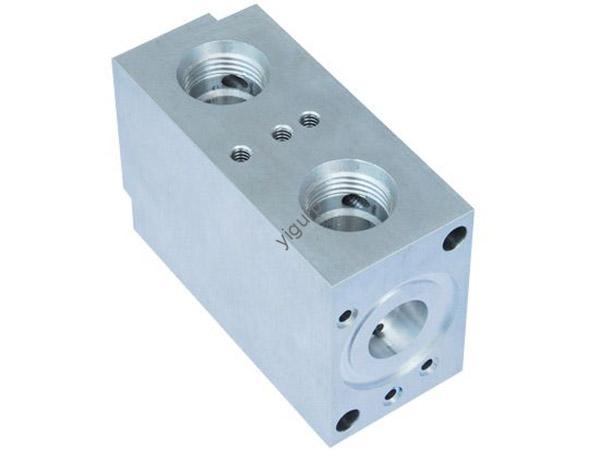
Quando as indústrias precisam de materiais que resistam à ferrugem, lidar com calor alto, e levante-se para vestir, high chromium steel is a top solution. Its defining trait—elevated cromo (Cr) conteúdo - dá superpoderes para condições adversas, de fábricas de produtos químicos a motores de avião. Este guia detalha suas principais propriedades, usos no mundo real, como é feito, e como ele se compara a outros materiais, helping you pick the right steel for your project.
1. Core Material Properties of High Chromium Steel
High chromium steel’s performance starts with its composition and carefully tuned traits. Below’s a detailed look at what makes it unique.
1.1 Composição Química
The star here is alto cromo (Cr)—usually 10% or more—but other elements play key roles too. The table below shows typical ranges and their purposes:
| Element | Content Range (%) | Role in High Chromium Steel |
| High Chromium (Cr) | 10.0-30.0 | Forms a protective oxide layer for excellent corrosion resistance; boosts wear resistance |
| Carbon (C) | 0.03-1.50 | Low carbon (≤0.08%) for corrosion focus; high carbon (≥0.8%) para dureza (por exemplo, ferramentas de corte) |
| Manganese (Mn) | 0.50-2.00 | Improves resistência à tracção and reduces brittleness |
| Silicon (E) | 0.10-1.00 | Aids deoxidation during steelmaking; boosts high-temperature strength |
| Phosphorus (P) | ≤0.045 | Controlled to avoid brittleness |
| Sulfur (S) | ≤0.030 | Minimized to prevent cracking during forging/machining |
| Molybdenum (Mo) | 0.50-3.00 | Enhances resistência a altas temperaturas and corrosion resistance in harsh chemicals |
| Vanadium (V) | 0.10-0.50 | Refines grain structure for better resistência à fadiga (ideal for springs) |
1.2 Propriedades Físicas
These traits make it easy to work with and reliable in real use:
- Densidade: 7.70-7.90 g/cm³ (similar to regular steel, so no extra design work)
- Melting Point: 1400-1500°C (compatible with standard forging and heat treatment)
- Condutividade Térmica: 35-50 C/(m·K) (slower than low carbon steel—good for even heat distribution in turbines)
- Thermal Expansion Coefficient: 11-14 μm/(m·K) (reduces warping when heating/cooling)
- Electrical Resistivity: 0.50-0.80 μΩ·m (higher than carbon steel—avoid for electrical parts)
1.3 Propriedades Mecânicas
Its strength and toughness vary by grade, but key values include:
- Tensile Strength: 500-1800 MPa (low carbon = 500-800 MPa for corrosion parts; high carbon = 1200-1800 MPa for tools)
- Yield Strength: 300-1500 MPa (resists permanent deformation)
- Dureza: 15-65 CDH (low carbon = soft, high carbon = hard for cutting tools)
- Impact Toughness: 20-100 J. (low carbon = tough for pipes; high carbon = balanced for dies)
- Alongamento: 5-40% (low carbon = flexible for forming; high carbon = stiffer for tools)
- Fatigue Resistance: 200-600 MPa (10⁷ cycles) (great for springs and turbine blades)
1.4 Other Key Properties
- Excellent Corrosion Resistance: Chromium’s oxide layer stops rust—perfect for chemical reactors and marine parts.
- Good Oxidation Resistance: Resists degradation at high heat (vital for gas turbine blades).
- High-Temperature Strength: Keeps shape up to 800°C (works for power plant steam turbines).
- Resistência ao desgaste: High carbon grades (with Cr carbides) excel at cutting tools and drills.
- Formabilidade: Low carbon grades bend easily (for exhaust systems); high carbon needs hot forming (for dies).
2. Real-World Applications of High Chromium Steel
Its versatility makes it essential across industries. Below are key uses, plus a case study to show it in action.
2.1 Industry-Specific Applications
- Aeroespacial:
- Aircraft engine components (válvulas, blades) use its high-temperature strength.
- Gas turbine blades rely on oxidation resistance at 800°C.
- Automotivo:
- Exhaust systems (mufflers, pipes) resist corrosion from exhaust gases.
- High-performance springs use its fatigue resistance.
- Industrial Machinery:
- Ferramentas de corte, milling cutters, e exercícios (high carbon grades) for wear resistance.
- Chemical Processing:
- Chemical reactors e piping systems (low carbon grades) handle acids and solvents.
- Power Generation:
- Steam turbines and power plant components stand up to high heat and pressure.
- Medical Equipment:
- Instrumentos cirúrgicos e dental tools (baixo carbono, high Cr) resist corrosion and are easy to sterilize.
- Marine:
- Ship components e offshore structures fight saltwater rust.
2.2 Estudo de caso: Chemical Processing Piping
UM 2023 chemical plant used low-carbon high chromium steel (18% Cr, 0.05% C) for piping carrying sulfuric acid. Before, they used carbon steel pipes that rusted and leaked every 6 months. Results after 2 years:
- Resistência à corrosão: No rust or leaks—pipe life extended 4x.
- Maintenance savings: Reduced pipe replacement costs by $120,000/year.
- Safety: Fewer leaks lowered chemical exposure risks for workers.
3. Manufacturing Techniques for High Chromium Steel
Making high chromium steel requires precision to keep its properties intact. Here’s the process:
3.1 Steelmaking Processes
- Electric Arc Furnace (EAF): Most common. Scrap steel + cromo (Cr) + other alloys are melted with electric arcs—easy to control composition.
- Basic Oxygen Furnace (BOF): For large batches. Iron ore is melted, then oxygen and alloys are added—cost-effective for low-carbon grades.
- Vacuum Arc Remelting (VAR): For high-purity parts (por exemplo, aerospace blades). Melts steel in a vacuum to remove impurities.
3.2 Tratamento térmico
Treatments vary by grade:
- Quenching and Tempering: Heated to 800-1000°C, quenched, then tempered. Hardens high-carbon grades for tools.
- Annealing: Heated to 700-900°C, slow-cooled. Softens steel for machining (used for low-carbon piping).
- Normalizing: Heated to 900-1000°C, air-cooled. Improves uniformity for automotive components.
- Precipitation Hardening: Heated to low temps (400-600°C) to form tiny particles. Boosts strength for aerospace parts.
3.3 Forming Processes
- Hot Rolling: Rolled at 1000-1200°C to make plates/bars (for reactors and turbines).
- Cold Rolling: Creates thin, smooth sheets (for surgical instruments) with a tight finish.
- Forging: Hammered/pressed into shapes (for engine blades)—enhances strength.
- Extrusion: Pushed through a die to make pipes (for chemical processing).
3.4 Tratamento de superfície
- Chromium Plating: Adds a thin Cr layer (for tools) to boost wear resistance.
- Titanium Nitride Coating: Coats cutting tools to reduce friction.
- Shot Peening: Blasts steel with beads to improve resistência à fadiga (for springs).
- Polimento: Creates a smooth surface (for medical tools) to prevent bacteria growth.
4. High Chromium Steel vs. Outros materiais
How does it compare to common alternatives? The table below shows key differences:
| Material | Resistência à corrosão | High-Temp Performance | Dureza (CDH) | Custo (contra. Aço com alto cromo) | Best For |
| Aço com alto cromo | Excelente | Bom (up to 800°C) | 15-65 | 100% | Chemical pipes, ferramentas, turbines |
| Aço de baixo carbono | Pobre | Pobre (≤400°C) | 15-25 | 40% | Low-stress parts (nails, brackets) |
| Aço de baixa liga | Fair | Fair (≤600°C) | 30-45 | 60% | Construction, simple machinery |
| Aço inoxidável | Excelente | Fair (≤600°C) | 25-40 | 120% | Kitchenware, mild chemicals |
| Aço Rápido | Fair | Excelente (≤1000°C) | 60-65 | 300% | High-speed cutting tools |
| Aço ferramenta | Fair | Bom (≤700°C) | 55-65 | 200% | Precision dies |
Key Takeaways
- contra. Aço de baixo carbono: It’s 5x more corrosion-resistant—worth the cost for long-lasting parts.
- contra. Aço inoxidável: It handles higher heat (800°C vs. 600°C) but costs less—better for high-heat jobs.
- contra. Aço Rápido: It’s cheaper but less heat-resistant—great for moderate-speed tools.
5. Yigu Technology’s Perspective on High Chromium Steel
Na tecnologia Yigu, we see high chromium steel as a versatile workhorse. Isso é resistência à corrosão and temperature tolerance fit clients in chemicals, aeroespacial, e marinho. We recommend low-carbon grades (18% Cr) for piping and high-carbon grades (12% Cr) for tools. Pairing them with our custom coatings extends service life by 50%+. For tight budgets, we offer hybrid solutions (high Cr + low alloy) to balance performance and cost.
FAQ About High Chromium Steel
- What grade of high chromium steel is best for chemical reactors?
Low-carbon grades with 18-20% cromo (Cr) e 8-10% níquel (por exemplo, 304 stainless steel variant) work best—they resist most acids and have good formability for reactor shapes.
- Can high chromium steel be welded?
Sim, but low-carbon grades are easier. High-carbon grades need pre-heating (to avoid cracks) and post-heating. Use matching Cr-rich welding rods to keep corrosion resistance.
- How do I maintain high chromium steel parts?
For corrosion resistance: Clean with mild soap (avoid harsh chemicals) and dry thoroughly. For tools: Oil lightly after use to prevent rust—even with Cr, moisture can damage uncoated parts.