
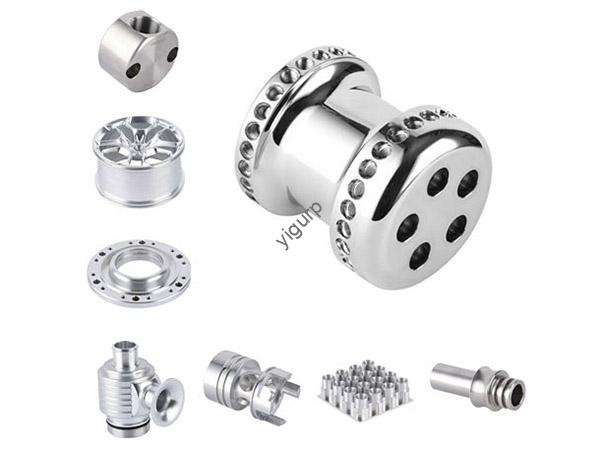
Se você já se perguntou como as turbinas a gás funcionam a 1.000°C ou por que as peças da caldeira não derretem, a resposta éAço resistente ao calor. Este aço especializado é projetado para manter a resistência, resistir à corrosão, e evite quebras – mesmo nos ambientes industriais mais quentes. Ao contrário do aço normal (que amolece acima de 500°C), usa elementos de liga para resistir ao calor extremo. Neste guia, vamos detalhar suas principais propriedades, aplicações do mundo real, processo de fabricação, e como ele se compara a outros materiais resistentes ao calor. Quer você seja um engenheiro, gerente de fábrica, ou fabricante, este guia irá ajudá-lo a escolher o aço resistente ao calor certo para projetos de alta temperatura.
1. Propriedades materiais do aço resistente ao calor
A superpotência do aço resistente ao calor reside na sua capacidade de manter o desempenho em temperaturas de até 1.200°C. Suas propriedades são moldadas por elementos de liga cuidadosamente escolhidos que combatem danos relacionados ao calor (como amolecimento ou oxidação).
Composição Química
Os elementos de liga são a espinha dorsal de sua resistência ao calor – cada um serve a uma finalidade específica:
- Ferro (Fé): 50 – 80% – O metal básico, fornecendo força fundamental.
- Carbono (C): 0.05 – 0.40% – Carbono baixo a moderado: adiciona força, mas é mantido sob controle (alto carbono causa “carbonetos” quebradiços em altas temperaturas).
- Cromo (Cr): 10 – 30% – O elemento mais crítico: forma uma fina, camada protetora de óxido na superfície, prevenindo oxidação (enferrujando) em altas temperaturas.
- Níquel (Em): 5 – 35% – Melhora a resistência a altas temperaturas e resistência à fluência (evita o alongamento lento sob calor e carga). Níquel mais alto = melhor desempenho a 800°C+.
- Molibdênio (Mo): 1 – 5% – Aumenta a resistência à fluência e a dureza (ideal para peças como pás de turbina que enfrentam calor e pressão).
- Tungstênio (C): 1 – 10% – Adiciona extrema resistência ao calor (usado em classes para ambientes com mais de 1.000°C, como componentes de motores a jato).
- Cobalto (Co): 5 – 20% – Aumenta a força em temperaturas ultra-altas (comum em aço resistente ao calor de nível aeroespacial).
- Vanádio (V): 0.1 – 0.5% – Refina a estrutura do grão, tornando o aço mais durável sob ciclagem térmica (por exemplo, um forno ligando/desligando).
- Silício (E): 0.5 – 2.0% – Trabalha com cromo para fortalecer a camada de óxido, melhorando a resistência à oxidação.
- Manganês (Mn): 0.5 – 2.0% – Melhora a trabalhabilidade (ajuda a moldar o aço em peças) sem reduzir a resistência ao calor.
- Alumínio (Al) & Titânio (De): 0.1 – 1.0% – Forma minúscula, partículas estáveis ao calor que bloqueiam a estrutura do aço, aumentando a resistência à fluência.
Propriedades Físicas
Essas características garantem um desempenho confiável em ambientes quentes:
| Propriedade | Valor típico (18Grau Cr-8Ni) | Por que é importante para uso em altas temperaturas |
|---|---|---|
| Densidade | ~7,9g/cm³ | Semelhante ao aço normal – fácil de calcular o peso da peça (por exemplo, a capacidade de carga de um tubo de caldeira). |
| Ponto de fusão | ~1.400 – 1.550°C | Mais alto que o aço normal (1,370°C) – não derrete na maioria dos aquecedores industriais ou turbinas. |
| Condutividade Térmica | ~16 – 20 C/(m·K) | Menor que o aço normal – retarda a transferência de calor, protegendo peças mais frias próximas (por exemplo, carcaças de turbina). |
| Coeficiente de Expansão Térmica | ~16 x 10⁻⁶/°C | Um pouco mais alto que o aço normal – projetado para suportar expansão sem rachar (por exemplo, um forro de forno esquentando). |
| Capacidade Específica de Calor | ~500J/(kg·K) | Absorve o calor sem picos rápidos de temperatura – mantém as peças estáveis durante o ciclo térmico. |
| Propriedades Magnéticas | Principalmente não magnético (altos teores de Ni) | Evita interferência com sensores magnéticos (crítico para equipamentos aeroespaciais ou de usinas de energia). |
Propriedades Mecânicas
Sua resistência a altas temperaturas o diferencia de outros aços:
- Resistência a altas temperaturas: Retém 50–70% da resistência à temperatura ambiente a 800°C (contra. 10–20% para aço normal). Por exemplo, uma nota com 25% Ni tem uma resistência à tração de 300 MPa e 1.000°C.
- Resistência à fluência: Excelente – Abaixo de 800°C e carga constante, estica menos que 0.1% por 1,000 horas (crítico para tubos de caldeira ou pás de turbina que funcionam sem parar).
- Resistência à tracção (Temperatura ambiente): 550 – 1,200 MPa – Forte o suficiente para peças estruturais como estruturas de fornos.
- Força de rendimento (Temperatura ambiente): 250 – 800 MPa – Resiste à flexão permanente sob carga (por exemplo, uma viga de suporte em uma usina).
- Dureza: 150 – 300 HB (Brinell) – Duro o suficiente para resistir ao desgaste (por exemplo, uma correia transportadora em um forno quente) mas macio o suficiente para usinar.
- Resistência ao Impacto: 40 – 100 J/cm² – Suporta pequenos choques (por exemplo, uma ferramenta atingindo uma peça do forno) sem quebrar, mesmo a 600°C.
- Resistência à fadiga: Bom – Suporta ciclos térmicos repetidos (aquecimento/resfriamento) sem rachar (ideal para fornos industriais que ligam/desligam diariamente).
Outras propriedades
Essas características resolvem desafios do mundo real em ambientes quentes:
- Resistência à oxidação: Excelente – A camada de óxido de cromo evita ferrugem a 800°C+ (uma peça normal de aço enferrujaria completamente em semanas nesta temperatura).
- Resistência à Sulfetação: Bom – Resiste a danos causados por gases ricos em enxofre (comum em usinas petroquímicas ou usinas termelétricas a carvão).
- Resistência à fadiga térmica: Forte – Lida com aquecimento/resfriamento repetido sem rachar (por exemplo, um tubo de caldeira que aquece até 900°C e depois esfria durante a noite).
- Trabalhabilidade a quente: Moderado – Pode ser forjado ou laminado a 1.000–1.200°C (moldado em peças como lâminas de turbina) mas requer equipamento especializado.
- Soldabilidade: Moderado – Necessita de pré-aquecimento e tratamento térmico pós-soldagem para evitar rachaduras (crítico para unir seções de caldeiras).
- Resistência à corrosão: Melhor que o aço normal – Resiste à água quente, vapor, e produtos químicos suaves (por exemplo, em tanques de processamento químico).
2. Aplicações de aço resistente ao calor
Qualquer indústria que utiliza calor extremo depende de aço resistente ao calor. Aqui estão seus usos mais críticos:
Usinas Elétricas
A geração de energia depende disso para lidar com altas temperaturas e pressões:
- Tubos de caldeira: Transportar vapor superaquecido (800–900ºC) – O aço resistente ao calor resiste à fluência e à oxidação, evitando falhas no tubo (que causam paralisações dispendiosas).
- Carcaças de turbina & Lâminas: As pás da turbina a gás funcionam a mais de 1.000°C – Classes com tungstênio ou cobalto mantêm as pás fortes e evitam estiramento.
- Trocadores de calor: Transferir calor entre fluidos (por exemplo, em usinas nucleares) – Resiste à corrosão causada por água quente e vapor.
Aeroespacial & Automotivo
Os motores de aviões e carros precisam dele para sobreviver a temperaturas extremas:
- Componentes do motor a jato: Câmaras de combustão e pás de turbina (1,100°C+) – O aço resistente ao calor com alto teor de níquel mantém a resistência nessas temperaturas ultra-altas.
- Sistemas de exaustão automotiva: Coletores e conversores catalíticos (600–800ºC) – Resiste à oxidação causada por gases de exaustão quentes e ciclos térmicos.
- Motores de carros de corrida: Pistões e válvulas (700–900ºC) – Lida com o calor extra de motores de alto desempenho.
Petroquímica & Processamento Químico
As plantas o utilizam para processar combustíveis e produtos químicos com segurança:
- Navios Reatores: Aqueça materiais a 700–900°C (por exemplo, refinar petróleo) – Resiste à sulfetação de combustíveis ricos em enxofre e à corrosão de produtos químicos.
- Gasodutos: Transportar líquidos quentes (por exemplo, petróleo bruto a 600°C) – Evita vazamentos por fluência ou oxidação.
Equipamento de aquecimento industrial
Fornos e fornos precisam de durabilidade, peças resistentes ao calor:
- Revestimentos de Forno & Prateleiras: Mantenha os materiais entre 800 e 1.200°C (por exemplo, no tratamento térmico de metais) – Resiste à deformação e à oxidação.
- Correias Transportadoras: Mova as peças quentes pelos fornos (500–700ºC) – Forte o suficiente para transportar cargas sem esticar.
Metalurgia
O aço resistente ao calor é usado para fabricar equipamentos que moldam outros metais:
- Laminadores a quente: Rolo de aço em brasa (1,100°C) – Os rolos do moinho são feitos de aço resistente ao calor para evitar desgaste e deformação.
- Moldes para fundição sob pressão: Moldar alumínio fundido (660°C) – Resiste a danos causados pelo calor e mantém a precisão do molde.
3. Técnicas de fabricação de aço resistente ao calor
Making Heat Resistant Steel requires precision—each step ensures the alloying elements work together to resist heat. Aqui está o processo:
1. Derretimento e Fundição
- Processo: Matérias-primas (ferro, cromo, níquel, molibdênio) são derretidos em forno elétrico a arco (EAF) or vacuum induction furnace (VIF). VIF is used for high-grade steels (por exemplo, aeroespacial) to remove impurities (como oxigênio) that weaken heat resistance. O aço fundido é fundido em lingotes (grandes blocos) or continuously cast into slabs (para lençóis) ou boletos (for bars/tubes).
- Objetivo principal: Ensure alloying elements are evenly mixed – uneven chromium or nickel would create weak spots prone to oxidation.
2. Trabalho a quente (Forjamento & Rolando)
- Processo: Ingots/slabs are heated to 1,000–1,200°C (em brasa) and shaped via:
- Forjamento: Hammered or pressed into complex parts (por exemplo, lâminas de turbina) – aligns grain structure for better creep resistance.
- Rolando: Pressed between rollers to make sheets, bares, or tubes (por exemplo, boiler tubes) – creates uniform thickness and strength.
- Dica principal: Avoid cooling too quickly – slow cooling prevents cracks and ensures alloy elements distribute evenly.
3. Tratamento térmico
- Processo: Critical for maximizing heat resistance – common steps include:
- Recozimento: Heated to 900–1,100°C, held for hours, then cooled slowly – softens the steel for machining and refines grain structure.
- Recozimento de Solução: For high-nickel grades (por exemplo, 18Cr-8Ni), heated to 1,050–1,150°C and quenched (cooled fast) – locks alloy elements in place, boosting corrosion and heat resistance.
- Aging: Heated to 600–800°C for hours – forms tiny, heat-stable particles (from Al/Ti) that improve creep resistance.
- Objetivo principal: Balance strength and ductility – don’t over-harden, as this makes the steel brittle at high temps.
4. Usinagem
- Processo: Cut into final parts (por exemplo, furnace shelves, coletores de escape) using high-speed steel (HSS) ou ferramentas de metal duro. Machining is slower than regular steel because Heat Resistant Steel is harder and generates more heat.
- Key Tools: Refrigerantes (por exemplo, mineral oil) are critical – they reduce tool wear and prevent the steel from overheating during cutting.
5. Soldagem
- Processo: Used to join parts (por exemplo, boiler sections) – requires specialized techniques:
- Pre-heating: Heat the steel to 200–400°C before welding – reduces stress and prevents cracks.
- Post-weld Heat Treatment (Pq): Anneal the welded area after joining – removes residual stress and restores heat resistance.
- Aviso chave: Use matching filler metal (por exemplo, a chromium-nickel filler for 18Cr-8Ni steel) – mismatched filler causes weak spots that fail at high temps.
6. Tratamento de superfície (Opcional)
- Processo: Enhances specific properties:
- Nitretação: Heat in ammonia gas (500–550°C) – forms a hard surface layer, improving wear resistance (ideal for turbine blades).
- Chromizing: Coat with extra chromium – boosts oxidation resistance for parts in 1,000°C+ environments.
- Melhor para: Parts facing extreme wear or ultra-high temps (por exemplo, jet engine components).
7. Controle e Inspeção de Qualidade
- Análise química: Use X-ray fluorescence (XRF) to check alloy element levels (por exemplo, 18% Cr, 8% Em) – ensures compliance with standards (por exemplo, ASTM A240 for stainless steel grades).
- Teste Mecânico: Measure high-temperature tensile strength and creep resistance (por exemplo, test a sample under 800°C and load for 1,000 horas).
- Testes Não Destrutivos (END): Use ultrasonic testing (EUA) para encontrar rachaduras internas (critical for boiler tubes or turbine blades) and visual inspection to check surface oxidation.
- Thermal Cycling Testing: Heat/cool the steel 100+ times to ensure it doesn’t crack – verifies thermal fatigue resistance.
4. Estudos de caso: Aço resistente ao calor em ação
Real-world examples show how it solves high-temperature challenges. Aqui estão 3 casos-chave:
Estudo de caso 1: Atualização do tubo da caldeira da usina
A coal-fired power plant had frequent boiler tube failures – regular steel tubes rusted and stretched (crept) depois 2 anos de uso (running at 850°C), causing costly shutdowns.
Solução: Switched to Heat Resistant Steel tubes (25Cr-12Ni grade with 2% Mo).
Resultados:
- Tube lifespan extended to 8 anos (4x longer) – creep resistance and oxidation resistance reduced replacements.
- Shutdowns dropped by 75% – No more unplanned outages from tube leaks.
- Maintenance costs fell by 60% – Less time and money spent on repairs.
Por que funcionou: Chromium and nickel formed a protective oxide layer, while molybdenum prevented creep under heat and pressure.
Estudo de caso 2: Fabricação de lâminas de turbina aeroespacial
A jet engine maker struggled with turbine blades failing at 1,100°C – their old alloy (low tungsten) softened and cracked after 500 horas de voo.
Solução: Used Heat Resistant Steel blades (15Cr-20Ni-10W grade with 5% Co).
Resultados:
- Blade lifespan increased to 2,000 horas de voo (4x longer) – Tungsten and cobalt retained strength at ultra-high temps.
- Engine efficiency improved by 8% – Blades maintained their shape, reducing air leakage in the turbine.
- Reivindicações de garantia descartadas 90% – No more blade failures mid-flight.
Por que funcionou: Tungsten added extreme heat resistance, while cobalt boosted high-temperature strength.
Estudo de caso 3: Reparação de vasos de reatores petroquímicos
A petrochemical plant’s reactor vessel (used to heat oil to 750°C) developed corrosion and leaks – regular steel couldn’t resist sulfur-rich gases.
Solução: Lined the vessel with Heat Resistant Steel plates (30Cr-15Ni grade with 1% De).
Resultados:
- Corrosion stopped completely – Chromium oxide layer protected against sulfur and oil.
- Reactor runtime extended to 5 anos (contra. 2 years before) – No more early replacements.
- Production output increased by 15% – The vessel ran longer without maintenance, reduzindo o tempo de inatividade.
Por que funcionou: High chromium resisted sulfidation, while nickel and titanium boosted creep and corrosion resistance.
5. Aço resistente ao calor vs.. Outros materiais resistentes ao calor
It’s not the only option for high temps, but it balances performance, custo, e trabalhabilidade. Veja como isso se compara:
| Material | Max Operating Temp (°C) | Resistência à fluência | Resistência à corrosão | Custo (contra. Aço resistente ao calor) | Melhor para |
|---|---|---|---|---|---|
| Aço resistente ao calor | 500 – 1,200 | Good to Excellent | Good to Excellent | 100% (custo base) | Power plants, automotive exhausts, fornos industriais |
| Aço inoxidável (304) | 870 | Moderado | Excelente | 80% (mais barato) | Low-heat applications (por exemplo, kitchen ovens) |
| Ligas à Base de Níquel (Inconel 718) | 1,300 | Excelente | Excelente | 500 – 800% (mais caro) | Aeroespacial (motores a jato), ultra-high temp reactors |
| Ligas de titânio | 600 – 800 | Bom | Excelente | 400 – 600% | Lightweight high-temp parts (por exemplo, componentes de aeronaves) |
| Materiais Cerâmicos (Alumina) | 1,600+ | Excelente | Excelente | 300 – 500% | Ultra-high temp parts (por exemplo, furnace liners) – brittle |
| Aço carbono | <500 | Pobre | Pobre | 50% (mais barato) | Low-heat structural parts (no high-temp use) |