
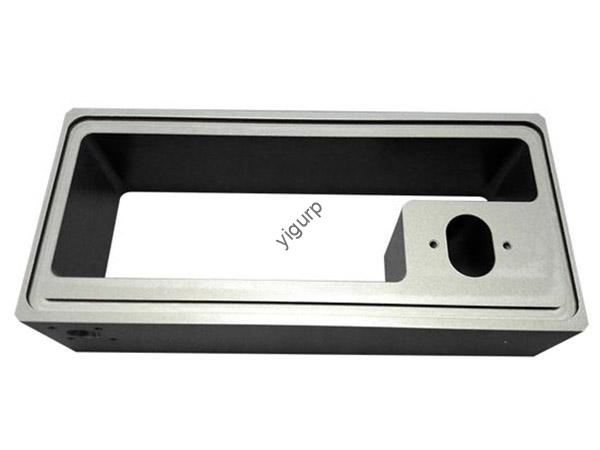
Se você estiver trabalhando em projetos que precisam de forte, aço moldável - como peças de máquinas pesadas, componentes de construção, ou peças de motores automotivos -Aço fundido GM190 é uma escolha superior. Este aço fundido equilibra a moldabilidade, força, e durabilidade, mas como ele funciona em cenários do mundo real? Este guia detalha suas principais características, aplicações, e comparações com outros materiais, para que você possa tomar decisões informadas para seus projetos.
1. Propriedades materiais do aço fundido GM190
O valor do GM190 reside na sua capacidade de ser moldado em formas complexas, mantendo ao mesmo tempo um desempenho mecânico confiável. Vamos explorar as propriedades que definem sua usabilidade.
1.1 Composição Química
O composição química do GM190 é adaptado para moldabilidade e resistência (de acordo com os padrões da indústria):
| Elemento | Faixa de conteúdo (%) | Função principal |
| Carbono (C) | 0.20 – 0.30 | Fornece resistência moderada sem fragilidade |
| Manganês (Mn) | 0.80 – 1.20 | Melhora a moldabilidade e a ductilidade |
| Silício (E) | 0.40 – 0.80 | Melhora a fluidez durante a fundição (crítico para formas complexas) |
| Enxofre (S) | ≤ 0.040 | Minimizado para evitar defeitos de fundição (por exemplo, porosidade) |
| Fósforo (P) | ≤ 0.040 | Controlado para evitar rachaduras durante o resfriamento |
| Cromo (Cr) | 0.50 – 0.80 | Aumenta a resistência ao desgaste e a tenacidade |
| Níquel (Em) | 0.30 – 0.60 | Melhora a resistência ao impacto, especialmente em baixas temperaturas |
| Molibdênio (Mo) | 0.15 – 0.25 | Melhora a temperabilidade e a resistência à fadiga |
| Outros elementos de liga | Rastreamento (por exemplo, cobre) | Nenhum grande impacto nas propriedades principais |
1.2 Propriedades Físicas
Esses propriedades físicas tornar o GM190 adequado para fundição e uso no mundo real:
- Densidade: 7.85 g/cm³ (consistente com a maioria dos aços estruturais)
- Ponto de fusão: 1420 – 1460ºC (baixo o suficiente para facilitar a fundição em moldes complexos)
- Condutividade térmica: 45 C/(m·K) a 20ºC (evita o superaquecimento em peças de alto uso)
- Capacidade térmica específica: 460 J/(kg·K)
- Coeficiente de expansão térmica: 13.2 × 10⁻⁶/°C (20 – 100ºC, minimiza a deformação durante o resfriamento)
1.3 Propriedades Mecânicas
As características mecânicas do GM190 equilibram resistência e trabalhabilidade para peças fundidas:
- Resistência à tracção: 600 – 750 MPa
- Força de rendimento: ≥ 350 MPa
- Alongamento: ≥ 18% (flexibilidade suficiente para evitar quebrar sob cargas moderadas)
- Dureza: 180 – 240 HB (Escala Brinell, ajustável através de tratamento térmico)
- Resistência ao impacto: ≥ 40 J a -20°C (lida com choques de tempo frio, como equipamentos de mineração em condições de congelamento)
- Resistência à fadiga: ~280MPa (adequado para peças sob cargas leves repetidas, por exemplo, componentes do motor)
- Resistência ao desgaste: Bom (o teor de cromo reduz o desgaste por fricção, ideal para engrenagens ou rolamentos)
1.4 Outras propriedades
- Resistência à corrosão: Moderado (precisa de revestimentos como tinta ou galvanização para uso externo)
- Castabilidade: Excelente (fluidez permite moldar em formas complexas, por exemplo, blocos de motor ou mandíbulas trituradoras)
- Usinabilidade: Bom (pode ser fresado ou torneado com tolerâncias precisas após a fundição)
- Propriedades magnéticas: Ferromagnético (trabalha com ferramentas de inspeção magnética para defeitos de fundição)
- Ductilidade: Moderado (pode ser dobrado ligeiramente sem rachar, útil para ajustar peças fundidas)
- Resistência: Alto (resiste à fratura frágil, crítico para peças de equipamentos pesados, como caçambas de escavadeiras)
2. Aplicações de aço fundido GM190
A fundibilidade e a resistência do GM190 o tornam ideal para peças difíceis de moldar com outros métodos. Aqui estão seus usos mais comuns, com exemplos reais:
- Construção geral:
- Componentes estruturais: Suportes com formato personalizado para estruturas de aço de edifícios altos. Uma empresa de construção chinesa usou o GM190 para os conectores de vigas de um arranha-céu – sua moldabilidade permitiu criar formas exclusivas para caber em espaços apertados.
- Vigas e colunas: Pequenas colunas fundidas para restaurações de edifícios históricos (precisa combinar formas históricas).
- Engenharia Mecânica:
- Peças de máquinas: Caixas de engrenagens para transportadores industriais. Uma fábrica alemã usa GM190 em suas caixas de engrenagens transportadoras – a moldabilidade permite pontos de montagem integrados, reduzindo o tempo de montagem.
- Eixos e eixos: Curto, eixos grossos para máquinas pequenas (por exemplo, ferramentas para trabalhar madeira).
- Indústria automotiva:
- Componentes do motor: Pequenas peças fundidas, como carcaças de bombas de óleo. Uma montadora japonesa usa GM190 em suas bombas de óleo para carros compactos – a moldabilidade reduz o número de peças de 3 para 1, cortando custos.
- Peças de transmissão: Carcaças do seletor de marcha (canais internos complexos para fluidos).
- Máquinas industriais:
- Engrenagens: Grande, engrenagens de baixa velocidade para betoneiras. Uma marca italiana de máquinas usa GM190 em suas engrenagens de misturadores – a resistência ao desgaste lida com pó de cimento abrasivo.
- Rolamentos: Caixas de rolamento fundidas para motores de fábrica (canais de lubrificação integrados).
- Indústria ferroviária:
- Componentes de locomotivas: Caixas de pinças de freio para trens de carga. Uma empresa ferroviária russa usa o GM190 em seus freios de locomotivas – a resistência resiste a vibrações e cargas pesadas.
- Trilhos ferroviários: Juntas de trilhos fundidos para trilhos curvos (precisa de formas personalizadas para se ajustar às curvas).
- Mineração e equipamentos pesados:
- Peças de escavadeira: Dentes da caçamba e dobradiças do braço. Um fabricante australiano de equipamentos de mineração usa GM190 para dentes de caçambas de escavadeiras – a resistência ao desgaste dura 2 vezes mais do que o aço carbono.
- Componentes do britador: Placas de mandíbula para britadores de rocha. Uma mina sul-africana usa GM190 em suas mandíbulas britadeiras – a resistência suporta impactos de rochas duras.
3. Técnicas de fabricação para aço fundido GM190
Transformar o GM190 em peças utilizáveis depende de etapas precisas de fundição e pós-processamento:
3.1 Processos de fundição
- Fundição em areia: O método mais comum. O aço fundido GM190 é derramado em moldes de areia (barato para grande, peças simples como colunas ou caixas de engrenagens).
- Fundição de investimento: Usado para complexos, peças precisas (por exemplo, componentes do motor). Um modelo de cera é revestido em cerâmica, derreteu, e substituído por GM190 fundido - cria tolerâncias restritas.
- Fundição sob pressão: Raramente usado para GM190 (alto ponto de fusão), mas feito para pequenos, peças finas (por exemplo, capas de rolamento) com moldes metálicos.
3.2 Tratamento térmico
O tratamento térmico refina as propriedades do GM190 após a fundição:
- Recozimento: Aquecido até 800 – 850ºC, resfriamento lento. Reduz a tensão interna da fundição e suaviza o aço para usinagem.
- Normalizando: Aquecido até 850 – 900ºC, resfriamento de ar. Melhora a resistência e a uniformidade de peças de suporte de carga, como eixos.
- Têmpera e revenimento: Aquecido até 830 – 860ºC (temperado em óleo), então temperado em 500 – 600ºC. Aumenta a dureza de peças propensas ao desgaste, como as mandíbulas do britador.
3.3 Métodos de Fabricação
- Usinagem: Fresagem (molda superfícies planas) e girando (molda peças cilíndricas como eixos). A usinabilidade do GM190 permite que ele seja refinado para ISO 8 tolerâncias.
- Técnicas de soldagem: Soldagem a arco (repara defeitos fundidos ou une peças). Pré-aquecimento para 150 – 200°C evita rachaduras.
- Montagem e acabamento: As peças fundidas são limpas (remove resíduos de mofo), pintado ou revestido, e montados em produtos finais (por exemplo, sistemas de motor).
3.4 Controle de qualidade
- Métodos de inspeção:
- Teste ultrassônico: Verifica se há defeitos internos de fundição (por exemplo, porosidade) em peças grossas como mandíbulas de britadores.
- Inspeção de partículas magnéticas: Encontra rachaduras superficiais (crítico para peças de segurança, como freios de locomotivas).
- Teste dimensional: Usa calibradores ou CMMs para garantir que as peças fundidas correspondam às especificações do projeto.
- Padrões de certificação: Deve conhecer ISO 1083 (aços fundidos para engenharia geral) e ASTM A216 (aço carbono fundido para peças que contêm pressão) para garantir qualidade.
4. Estudos de caso: GM190 em ação
4.1 Mineração: Dentes de caçamba de escavadeira
Um fabricante australiano de equipamentos de mineração mudou para GM190 para os dentes da caçamba de sua escavadeira. Anteriormente, dentes de aço carbono desgastaram-se depois 2 meses em minas de minério de ferro; Os dentes do GM190 duram 4+ meses. O resistência ao desgaste (de cromo) e resistência minério abrasivo manuseado, reduzindo custos de reposição $120,000 por mina anualmente.
4.2 Automotivo: Carcaças da bomba de óleo do motor
Uma montadora japonesa usou o GM190 para fundir carcaças de bombas de óleo para seus carros compactos. A fundição de precisão permite integrar canais de óleo e pontos de montagem em uma única peça (contra. 3 peças separadas com aço carbono). Isso reduziu o tempo de montagem em 25% e reduzir o custo por unidade em \(3—salvando \)1.5 milhões anualmente para 500,000 carros.
5. Análise Comparativa: GM190 versus. Outros materiais
Como o GM190 se compara às alternativas comuns? Vamos comparar:
5.1 contra. Outros tipos de aço
| Recurso | Aço fundido GM190 | Aço carbono (A36, Forjado) | Liga de aço (EN19, Forjado) |
| Castabilidade | Excelente | Pobre (não projetado para fundição) | Pobre |
| Resistência à tracção | 600 – 750 MPa | 400 – 550 MPa | 620 – 780 MPa |
| Custo (por tonelada) | \(900 – \)1,200 | \(600 – \)800 | \(800 – \)1,000 |
5.2 contra. Materiais Não Metálicos
- Concreto: GM190 é 10x mais forte em tensão e 3x mais leve. Mas o concreto é mais barato para grandes, peças de baixo estresse (por exemplo, fundações de construção); GM190 é melhor para complexos, peças fundidas de suporte de carga.
- Materiais compósitos (por exemplo, fibra de vidro): Os compósitos são mais leves, mas têm menor resistência à tração (300 – 400 MPa) e custa 2x mais. GM190 é melhor para peças fundidas para serviços pesados, como componentes de britadores.
5.3 contra. Outros materiais metálicos
- Ligas de alumínio: O alumínio é mais leve, mas tem menor resistência à tração (200 – 300 MPa) e desgasta mais rápido. Usado para peças fundidas leves (por exemplo, tampas de válvulas de carro); GM190 para cargas pesadas.
- Aço inoxidável: O aço inoxidável resiste à corrosão, mas custa 3x mais e é mais difícil de fundir. Usado para peças fundidas da indústria alimentícia; GM190 para engenharia geral.
5.4 Custo & Impacto Ambiental
- Análise de custos: O GM190 custa mais do que o aço carbono forjado, mas economiza dinheiro em peças complexas – a fundição integra recursos que precisariam de soldagem com aço forjado. Uma fábrica salva $50,000 anualmente usando caixas de engrenagens fundidas GM190.
- Impacto ambiental: 100% reciclável (sucata GM190 pode ser fundida novamente para novas peças fundidas, salvando 70% energia versus. aço virgem). A fundição utiliza menos energia do que o forjamento de aço forjado.
6. Visão da Yigu Technology sobre o aço fundido GM190
Na tecnologia Yigu, recomendamos o GM190 para projetos que necessitam de, peças fundidas de suporte de carga. Isso é excelente moldabilidade permite que os clientes criem formas personalizadas (por exemplo, mandíbulas de equipamentos de mineração) sem sacrificar a força, e seu boa resistência ao desgaste prolonga a vida útil da peça. Ajudamos a otimizar moldes de fundição para defeitos mínimos e aconselhamos sobre tratamento térmico (têmpera para peças de desgaste, recozimento para peças usináveis). Embora o GM190 custe mais que o aço carbono básico, sua capacidade de reduzir etapas de montagem e contagem de peças torna-o uma opção econômica para aplicações especializadas.
Perguntas frequentes sobre aço fundido GM190
- O GM190 pode ser moldado em formas muito complexas??
Sim, sua boa fluidez o torna ideal para formatos complexos, como carcaças de motor com canais internos. A fundição de precisão com GM190 pode atingir tolerâncias tão estreitas quanto ±0,1 mm para peças pequenas.
- O GM190 é adequado para aplicações de alta temperatura??
Funciona para temperaturas moderadas (até 300ºC), como componentes de motor ou máquinas de fábrica. Para temperaturas acima de 400°C (por exemplo, peças de forno), escolha aços fundidos resistentes ao calor com mais cromo.
- Como o GM190 se compara ao aço forjado para peças mecânicas?
GM190 é melhor para formas complexas (mais barato para fundir do que peças de aço forjado soldadas). Aço forjado (por exemplo, EN19) tem maior resistência à tração para peças simples como eixos retos. Escolha GM190 para peças fundidas personalizadas, aço forjado para formatos padrão.