
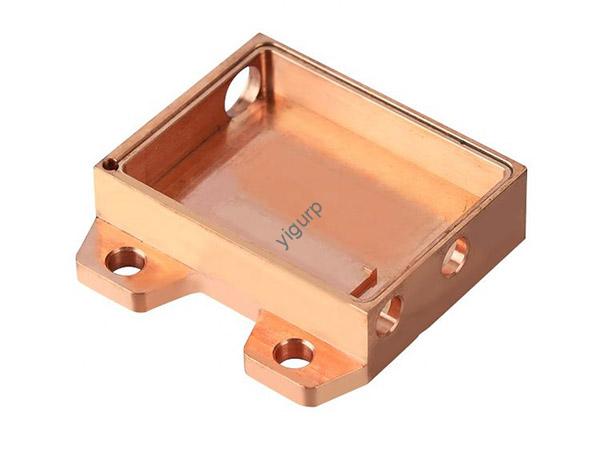
Se você precisa de um material que possa suportar cargas extremas, resistir ao desgaste, and last in tough environments—from car axles to mining equipment—Aço forjado is the answer. Ao contrário do aço fundido (que pode ter falhas internas), forjamento molda metal sob alta pressão, criando uma densa, estrutura forte que supera a maioria dos outros metais. Neste guia, vamos detalhar suas principais propriedades, usos no mundo real, como é feito, e como ele se compara a outros materiais. Whether you’re an engineer, fabricante, or buyer, this guide will help you choose Forged Steel for projects that demand reliability.
1. Material Properties of Forged Steel
Forged Steel isn’t just a type of steel—it’s aprocesso (shaping metal with heat and pressure) that enhances the properties of base steels (carbon or alloy). Its defining trait is a refined, dense grain structure that boosts strength and toughness.
Composição Química
The composition depends on the base steel, but most Forged Steel includes:
- Carbono (C): 0.10 – 1.00% – Controls strength; low carbon for flexibility (por exemplo, peças estruturais), high carbon for hardness (por exemplo, engrenagens).
- Manganês (Mn): 0.30 – 1.50% – Improves hardenability and reduces brittleness, critical for load-bearing parts.
- Silício (E): 0.10 – 0.50% – Acts as a deoxidizer (removes bubbles) and adds minor strength without hurting formability.
- Fósforo (P): ≤0.04% – Minimized to avoid cold brittleness (cracking in low temperatures).
- Enxofre (S): ≤0.05% – Kept low to maintain toughness; higher levels in “free-machining” variants for easier cutting.
- Alloying Elements (for high-performance uses):
- Cromo (Cr): 0.50 – 18.00% – Boosts corrosion resistance and wear resistance (por exemplo, stainless steel forgings).
- Níquel (Em): 0.50 – 5.00% – Enhances impact toughness, ideal for cold or harsh environments.
- Molybdenum (Mo): 0.10 – 1.00% – Improves high-temperature strength (por exemplo, peças do motor).
- Vanadium (V): 0.05 – 0.50% – Refines grain structure, making the steel stronger and more durable.
- Tungsten (C): 1.00 – 18.00% – Used in high-speed steel forgings (por exemplo, ferramentas de corte) for extreme heat resistance.
Propriedades Físicas
These traits are consistent across most Forged Steel variants:
| Propriedade | Valor típico | Why It Matters |
|---|---|---|
| Densidade | ~7.85 g/cm³ | Same as base steel, but forging eliminates voids—so parts are stronger for their weight. |
| Ponto de fusão | ~1450 – 1550°C | High enough to withstand welding and heat treatment, critical for heavy-duty parts. |
| Condutividade Térmica | ~35 – 45 C/(m·K) | Dissipates heat well—prevents overheating in gears, eixos, or engine components. |
| Coeficiente de Expansão Térmica | ~11 x 10⁻⁶/°C | Low expansion means parts retain shape in temperature swings (por exemplo, mining equipment in hot/cold mines). |
| Propriedades Magnéticas | Ferromagnético (except stainless steel variants) | Easy to handle with magnetic tools (por exemplo, lifting forged axles) or use in magnetic sensors. |
Propriedades Mecânicas
Forging transforms base steel into a high-performance material—here’s how:
- Alta Dureza: 200 – 600 HB (Brinell) ou 30 – 65 CDH (Rockwell) – Hard enough to resist wear in bearings or gears (contra. 100–150 HB for mild steel).
- High Tensile Strength: 600 – 2000 MPa – Can handle extreme loads (por exemplo, a forged axle supporting a 20-ton truck).
- High Yield Strength: 400 – 1800 MPa – Bends only under extreme stress, then returns to shape (critical for safety in structural parts).
- High Impact Toughness: 50 – 150 J/cm² – Absorbs severe shocks (por exemplo, a mining shovel hitting rock) without breaking.
- High Fatigue Resistance: Withstands repeated stress (por exemplo, a rotating shaft) 2–3x longer than cast steel—reduces maintenance.
- High Wear Resistance: Dense grain structure resists abrasion (por exemplo, gears in industrial machinery) better than cast or rolled steel.
Outras propriedades
- Good Machinability: Easy to drill, moinho, or grind with carbide tools—even high-hardness variants (por exemplo, forged tool steel).
- Good Weldability: Welds strongly with proper preheating (critical for joining structural forgings like beams).
- Good Formability: Forging itself is a forming process—parts can be shaped into complex designs (por exemplo, curved axles) sem rachar.
- Heat Treatment Response: Excellent – Hardens evenly with quenching/tempering, letting manufacturers tailor properties (por exemplo, harden gears for wear, soften shafts for flexibility).
- Resistência à corrosão: Varies by composition—stainless steel forgings (with chromium) are rust-proof, while carbon steel forgings need coatings (galvanização) para proteção.
2. Applications of Forged Steel
Forged Steel’s strength and durability make it essential for industries where failure is costly. Here are its top uses:
Peças automotivas
Cars and trucks rely on Forged Steel for safety-critical parts:
- Axles: Transmit power to wheels—forged steel resists bending under heavy loads (por exemplo, a pickup truck hauling cargo).
- Engrenagens: Found in transmissions—high wear resistance ensures smooth shifting for 100,000+ milhas.
- Crankshafts: Convert engine piston motion to rotation—high fatigue resistance handles repeated stress.
Construction Equipment
Heavy machinery needs Forged Steel to withstand rough use:
- Hydraulic Cylinders: Lift heavy loads (por exemplo, baldes de escavadeira)—high tensile strength prevents bursting.
- Bucket Teeth: Dig into soil/rock—high wear resistance extends lifespan vs. cast steel.
- Connecting Rods: Link engine parts—toughness resists breakage during heavy lifting.
Agricultural Machinery
Farming equipment operates in harsh conditions (mud, destroços) – Forged Steel lasts longer:
- Lâminas de arado: Cut through soil—high wear resistance avoids frequent replacement.
- Tractor Axles: Support heavy loads (por exemplo, trailers of crops)—strength prevents bending.
- Caixas de velocidades: Transmit power to wheels—fatigue resistance handles daily use.
Mining Equipment
Mines are extreme environments—Forged Steel survives:
- Drill Bits: Cut through rock—high hardness and wear resistance outperform cast steel.
- Conveyor Rollers: Move ore—durable enough to handle abrasive material.
- Shovel Buckets: Dig ore—toughness resists impacts with rocks.
Máquinas Industriais
Factories use Forged Steel for reliable operation:
- Rolamentos: Support rotating parts (por exemplo, motor shafts)—high wear resistance reduces downtime.
- Fixadores: Bolts/nuts for heavy machinery—high tensile strength avoids loosening under vibration.
- Eixos: Rotate in pumps or compressors—fatigue resistance handles 24/7 operação.
Structural Components
Large buildings and bridges use Forged Steel for stability:
- Beams: Support floors or bridges—high strength handles heavy loads (por exemplo, a skyscraper’s weight).
- Colunas: Hold up structures—toughness resists wind or seismic activity.
- Joints: Connect structural parts—weldability ensures strong, safe connections.
3. Manufacturing Techniques for Forged Steel
Forging transforms raw steel into strong parts through heat and pressure. Here’s the step-by-step process:
1. Melting and Casting (Pre-Forging)
- Processo: Primeiro, base steel is melted in an electric arc furnace (EAF) or basic oxygen furnace (BOF). Alloying elements (cromo, níquel) are added to reach the desired composition. The molten steel is cast into ingots (large blocks) ou billets (smaller bars)—the raw material for forging.
- Key Goal: Create pure, uniform steel without voids (critical for forging quality).
2. Hot Forging (Mais Comum)
- Processo:
- Heat the ingot/billet to 900 – 1250°C (red-hot) – makes the steel soft and malleable.
- Press or hammer the hot steel into shape using a forging press (mechanical or hydraulic) or hammer. Common methods:
- Open-Die Forging: Steel is shaped between two flat dies (for large parts like beams).
- Closed-Die Forging: Steel is pressed into a custom die (for complex parts like gears or axles).
- Cool the forged part slowly (recozimento) – reduces stress and softens it for machining.
- Key Benefit: Eliminates internal voids, refines grain structure, and boosts strength by 30–50% vs. cast steel.
3. Cold Forging (For Precision Parts)
- Processo: Forging at room temperature (no heating) using high-pressure presses (até 100,000 toneladas). Used for small, precise parts like fasteners or bearing races.
- Key Benefit: Creates smooth surfaces (no machining needed) e tolerâncias apertadas (±0,01 mm).
4. Tratamento térmico
Tailors properties for specific uses:
- Recozimento: Heat to 800–900°C, cool slowly – softens steel for machining.
- Endurecimento: Heat to 750–950°C, quench in oil/water – increases hardness (por exemplo, gears to 50 CDH).
- Temperamento: Reheat hardened steel to 200–600°C – reduces brittleness while keeping hardness (crítico para a segurança).
- Normalizing: Heat to 900–1000°C, cool in air – refines grain structure for uniform strength.
5. Usinagem
- Processo: Forged parts are machined to final dimensions using:
- Virando: Shapes cylindrical parts (eixos, eixos) em um torno.
- Fresagem: Creates gears, slots, or flat surfaces (por exemplo, corridas de rolamento).
- Moagem: Polishes surfaces to tight tolerances (por exemplo, precision shafts).
- Key Note: Forged steel’s dense structure makes machining slower than cast steel, but the final part is stronger.
6. Soldagem
- Processo: Used to join forged parts (por exemplo, beams in a bridge). Common methods: TIG/MIG welding with low-hydrogen electrodes.
- Key Tip: Preheat thick forgings (≥25 mm) to 150–300°C – prevents cracking during welding.
7. Tratamento de superfície
Protects against corrosion and wear:
- Galvanização: Dip in molten zinc – protects carbon steel forgings (por exemplo, fixadores) from rust.
- Pintura/revestimento em pó: Adds color and corrosion resistance (por exemplo, vigas estruturais).
- Nitretação: Heat in ammonia gas – creates a hard surface layer (por exemplo, engrenagens) para resistência ao desgaste.
- Cromagem: For decorative or high-wear parts (por exemplo, hastes de cilindro hidráulico).
8. Quality Control and Inspection
- Inspeção Visual: Checks for cracks, dents, or surface defects.
- Non-Destructive Testing (END):
- Ultrasonic Testing: Detects internal flaws (voids, rachaduras) in forgings.
- Magnetic Particle Testing: Finds surface cracks in ferromagnetic forgings.
- Mechanical Testing: Measures tensile strength (600–2000 MPa) and impact toughness (50–150 J/cm²) to confirm performance.
- Chemical Analysis: Verifies alloy composition (por exemplo, chromium levels in stainless steel forgings).
4. Estudos de caso: Forged Steel in Action
Real-world examples show how Forged Steel solves tough engineering problems.
Estudo de caso 1: Automotive Axle Manufacturing
A truck manufacturer had issues with cast steel axles breaking under heavy loads (por exemplo, hauling 20-ton trailers). Cast axles had internal voids that caused failure.
Solução: Switched to hot-forged carbon steel axles (0.45% C, with manganese and molybdenum), tratado termicamente para 35 CDH.
Resultados:
- Axle breakage dropped by 95% – forged structure eliminated voids.
- Lifespan extended by 200% – high fatigue resistance handled repeated stress.
- Maintenance costs reduced by 60% – fewer replacements needed.
Why it worked: Forging’s dense grain structure boostedresistência à tracção (850 MPa) eimpact toughness (70 J/cm²), making axles durable.
Estudo de caso 2: Mining Shovel Bucket Teeth
A mining company replaced cast steel bucket teeth every 2 weeks—they wore down quickly from abrasive ore.
Solução: Used hot-forged alloy steel teeth (12% cromo, 2% níquel), tratado termicamente para 50 CDH.
Resultados:
- Tooth lifespan extended to 3 months – high wear resistance from chromium and forging.
- Downtime reduced by 80% – fewer replacements meant more mining time.
- Cost per ton of ore mined dropped by 15% – long-lasting teeth saved money.
Why it worked: The forged structure and chromium addedresistência ao desgaste, while nickel boostedresistência to resist rock impacts.
Estudo de caso 3: Structural Beams for a Skyscraper
A construction firm needed beams for a 50-story skyscraper. Rolled steel beams were too weak for the building’s weight, and cast steel beams had internal flaws.
Solução: Used open-die forged carbon steel beams (0.30% C, with vanadium), welded and painted.
Resultados:
- Beam strength increased by 40% contra. rolled steel – supported the skyscraper’s weight.
- No flaws detected in NDT – forging eliminated voids.
- Building passed seismic tests – beams’ impact toughness (90 J/cm²) resisted earthquake stress.
Why it worked: Forging’s refined grain structure and vanadium addedresistência à tracção (650 MPa) eresistência, ensuring safety.
5. Forged Steel vs. Outros materiais
Forged Steel outperforms most materials in strength and durability—but it’s not the cheapest. Here’s how it compares:
Forged Steel vs. Cast Steel
| Fator | Aço forjado | Cast Steel |
|---|---|---|
| Grain Structure | Dense, refined (no voids) | Porous, grosseiro (may have voids) |
| Resistência à tracção | 600–2000 MPa | 400–800 MPa |
| Resistência ao Impacto | 50–150 J/cm² | 20–60 J/cm² |
| Resistência ao desgaste | Alto | Low-Moderate |
| Custo | Mais alto ($8–$25/kg) | Mais baixo ($5–$12/kg) |
| Melhor para | Load-bearing parts (eixos, vigas) | Peças não críticas (covers, colchetes) |
Forged Steel vs. Carbon Steel Variants
| Fator | Aço forjado (Carbono) | Aço de baixo carbono | Medium Carbon Steel | Aço de alto carbono |
|---|---|---|---|---|
| Resistência à tracção | 600–1200 MPa | 300–500 MPa | 500–900 MPa | 800–1800 MPa |
| Resistência ao Impacto | 50–120 J/cm² | 60–100 J/cm² | 40–70 J/cm² | 20–50 J/cm² |
| Resistência ao desgaste | Alto | Baixo | Moderado | Alto |
| Custo | Mais alto ($8–$15/kg) | Baixo ($4–$6/kg) | Moderado ($6–$8/kg) | Moderado ($8–$12/kg) |
| Melhor para | Axles, engrenagens, vigas | Panels, tubos | Eixos, fixadores | Ferramentas de corte, molas |