
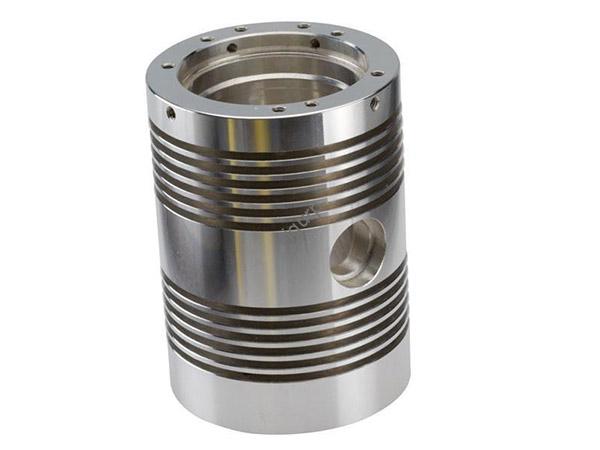
As operações offshore enfrentam desafios implacáveis – corrosão da água salgada, pressão extrema, e temperaturas flutuantes. FH36 offshore steel emerges as a reliable solution, oferecendo resistência e durabilidade superiores para estruturas marítimas críticas. Este artigo explora suas principais características, aplicações do mundo real, métodos de fabricação, e como ele se compara a outros materiais, equipando engenheiros e equipes de projeto com insights acionáveis.
1. Material Properties of FH36 Offshore Steel
FH36’s performance is rooted in its carefully calibrated properties, designed to thrive in harsh offshore environments. Below is a detailed breakdown of its chemical, physical, mecânico, and functional traits.
1.1 Composição Química
The precise blend of elements in FH36 defines its strength and corrosion resistance. The table below presents its typical composition (per ASTM A131 standards):
| Element | Content Range (%) | Role in FH36 Steel |
| Carbon (C) | ≤0.18 | Boosts strength while maintaining ductility |
| Manganese (Mn) | 0.90-1.60 | Enhances tensile strength and impact toughness |
| Silicon (E) | 0.15-0.35 | Assists in deoxidation during steel production |
| Phosphorus (P) | ≤0.035 | Controlled to prevent brittleness |
| Sulfur (S) | ≤0.035 | Minimized to avoid welding cracks |
| Níquel (Em) | 0.70-1.00 | Improves low-temperature toughness |
| Cobre (Cu) | ≥0.20 | Enhances atmospheric corrosion resistance |
| Chromium (Cr) | 0.15-0.30 | Boosts resistance to saltwater corrosion |
| Molybdenum (Mo) | 0.10-0.20 | Increases high-temperature strength |
| Vanadium (V) | 0.03-0.08 | Refines grain structure for better toughness |
1.2 Propriedades Físicas
These traits influence FH36’s manufacturability and in-service performance:
- Densidade: 7.85 g/cm³ (consistent with most carbon steels, simplifying design calculations)
- Melting Point: 1450-1500°C (compatible with standard welding and forming processes)
- Condutividade Térmica: 49 C/(m·K) a 20ºC (prevents uneven heating in offshore structures)
- Thermal Expansion Coefficient: 13.4 μm/(m·K) (reduces stress from temperature fluctuations)
- Electrical Resistivity: 0.18 μΩ·m (low enough to avoid electrical interference in subsea equipment)
1.3 Propriedades Mecânicas
FH36’s mechanical strength makes it ideal for high-stress offshore applications. All values meet ASTM A131 requirements:
- Tensile Strength: 510-650 MPa (handles heavy loads in platforms and pipelines)
- Yield Strength: ≥355 MPa (resists permanent deformation under pressure)
- Dureza: ≤245 HB (balances strength and machinability)
- Impact Toughness: ≥34 J at -40°C (critical for cold offshore areas like the Arctic)
- Alongamento: ≥20% (allows flexibility during installation and wave-induced movement)
- Fatigue Resistance: 200 MPa (10⁷ cycles) (prevents cracking in repeatedly stressed parts like risers)
1.4 Other Key Properties
- Resistência à corrosão: Performs well in saltwater due to cobre (Cu) e cromo (Cr); often paired with coatings for long-term durability.
- Weldability: Low carbono (C) e enxofre (S) content minimizes welding cracks—essential for joining large offshore structures.
- Formabilidade: Easy to shape via rolling or forging, making it suitable for complex parts like bulkheads e decks.
2. Applications of FH36 Offshore Steel
FH36’s versatility makes it a cornerstone of offshore projects. Below are its most common uses, along with a case study to demonstrate its real-world performance.
2.1 Key Applications
- Offshore Platforms: Used for the main structure (legs and frames) due to high resistência à tracção e resistência à fadiga.
- Jackets: Supports platform foundations; FH36’s impact toughness withstands underwater collisions with debris.
- Risers: Connects subsea wells to platforms; resistência à corrosão e ductilidade handle pressure and wave movement.
- Subsea Pipelines: Transports oil/gas; fracture toughness prevents leaks in deepwater (até 2500 metros).
- Drilling Equipment: Components like drill floors rely on FH36’s dureza e resistência ao desgaste.
- Marine Structures: Includes cascos de navios (for offshore supply vessels) e superstructures (platform living quarters).
2.2 Estudo de caso: Arctic Offshore Drilling Project
UM 2022 Arctic drilling project used FH36 for the platform’s jacket and subsea pipelines. The extreme conditions (temperatures as low as -45°C, thick ice) required:
- Resistência ao impacto ≥34 J at -40°C (FH36 exceeded this, avoiding cold brittleness).
- Resistência à corrosão: FH36 was coated with polyurethane, and after 2 years, no significant rust was detected.
- Weldability: 99% of welds passed non-destructive testing (NDT), reducing rework costs by 25%.
3. Manufacturing Techniques for FH36 Offshore Steel
Producing FH36 requires precise processes to ensure consistent quality. Below is a step-by-step overview of its manufacturing journey.
3.1 Steelmaking Processes
- Basic Oxygen Furnace (BOF): The most common method for FH36. Iron ore and scrap steel are melted, then oxygen is blown in to reduce impurities like fósforo (P) e enxofre (S). Alloying elements (por exemplo, níquel (Em), molibdênio (Mo)) are added to meet composition standards.
- Electric Arc Furnace (EAF): Used for smaller batches. Scrap steel is melted with electric arcs, ideal for custom FH36 grades (por exemplo, higher vanádio (V) for extra strength).
3.2 Tratamento térmico
Heat treatment refines FH36’s microstructure for optimal performance:
- Normalizing: Heated to 900-950°C, then air-cooled. Improves resistência and uniformity.
- Quenching and Tempering: Optional for high-strength variants. Heated to 850°C, water-quenched, then tempered at 600°C to balance força e ductilidade.
- Annealing: Used for thick plates to reduce internal stress after rolling.
3.3 Forming Processes
- Hot Rolling: Plates are rolled at 1100-1200°C to reach desired thickness (8-120 milímetros) para decks e jackets.
- Cold Rolling: Creates thinner sheets (≤8 mm) para bulkheads; improves surface finish.
- Forging: Shapes complex parts like drilling connectors; enhances resistência à fadiga.
3.4 Tratamento de superfície
To enhance resistência à corrosão, FH36 often undergoes the following treatments:
- Shot Blasting: Removes rust and scale before coating.
- Galvanizing: Dips steel in zinc to form a protective layer (used for exposed parts like platform railings).
- Painting/Coating: Epoxy or polyurethane coatings (common for dutos submarinos e risers).
4. FH36 vs. Other Offshore Materials
How does FH36 compare to other materials used in offshore projects? The table below highlights key differences:
| Material | Força (Yield) | Resistência à corrosão | Weight (g/cm³) | Custo (contra. FH36) | Best For |
| Aço offshore FH36 | 355 MPa | Bom (with coating) | 7.85 | 100% | Jackets, risers, deepwater platforms |
| Carbon Steel (A36) | 250 MPa | Pobre | 7.85 | 75% | Low-stress parts (storage tanks) |
| **Aço inoxidável (316) | 205 MPa | Excelente | 8.00 | 350% | Small components (válvulas) |
| **Aluminum Alloy (6061) | 276 MPa | Bom | 2.70 | 280% | Lightweight structures (boat hulls) |
| Composite (Carbon Fiber) | 700 MPa | Excelente | 1.70 | 900% | High-performance risers (ultra-deepwater) |
Key Takeaways
- contra. Carbon Steel: FH36 has higher resistência e resistência à corrosão—worth the 25% cost premium for offshore use.
- contra. Aço inoxidável: FH32 is stronger and cheaper, but stainless steel needs no coating (better for small, hard-to-maintain parts).
- contra. Composites: Composites are lighter and stronger, but FH36 is more affordable and easier to weld (better for large structures).
5. Yigu Technology’s Perspective on FH36 Offshore Steel
Na tecnologia Yigu, we see FH36 as a top choice for harsh offshore environments. Its high yield strength e low-temperature impact toughness meet the demands of deepwater and Arctic projects. We often recommend FH36 for projects over 1500 meters deep, pairing it with our advanced anti-corrosion coatings to extend service life by 12+ years. For clients seeking a balance of strength and cost, we combine FH36 with carbon steel in hybrid structures—optimizing performance and budget.
FAQ About FH36 Offshore Steel
- What temperature range can FH36 offshore steel withstand?
FH36 performs reliably from -40°C (cold offshore regions) to 320°C (high-temperature pipelines). For temperatures above 320°C, we suggest adding extra molibdênio (Mo) to enhance heat resistance.
- Is FH36 suitable for ultra-deepwater projects (sobre 2500 metros)?
Sim, but it needs additional protection. Pair FH36 with corrosion-resistant coatings (por exemplo, poliamida) and use quenching and tempering to boost fracture toughness for extreme pressure.
- How does FH36’s weldability compare to other offshore steels?
FH36 has excellent weldability—its low carbono (C) e enxofre (S) content reduces cracking. Unlike higher-strength steels (por exemplo, FH40), it doesn’t require pre-heating above 90°C, saving time in field welding.