
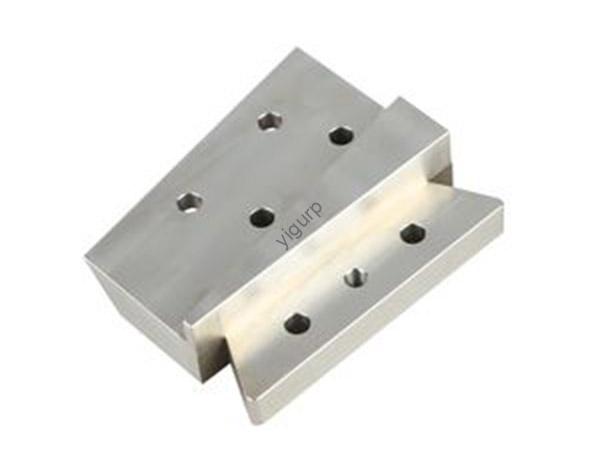
Se você está procurando um versátil, aço estrutural econômico para construção, maquinaria, or infrastructure projects—FE360 S235JR structural steel é o padrão da indústria. Como um baixo carbono, aço não ligado (alinhado com EN 10025-2 padrões), equilibra a força, trabalhabilidade, e acessibilidade, tornando-o a escolha certa para milhões de projetos globais. Este guia detalha tudo que você precisa para selecionar, usar, and optimize FE360 S235JR for your needs.
1. Material Properties of FE360 S235JR Structural Steel
FE360 S235JR’s reliability stems from its tightly controlledcomposição química and well-balanced physical, mecânico, and functional traits. Let’s explore these in detail.
Composição Química
FE360 S235JR is a low-alloy steel with minimal impurities, ensuring consistency and workability. Below is its standard composition (para EN 10025-2):
| Elemento | Faixa de conteúdo (wt%) | Key Role |
|---|---|---|
| Carbono (C) | ≤ 0.17 | Provides moderateresistência à tracção without sacrificing weldability |
| Manganês (Mn) | ≤ 1.40 | Enhances toughness and prevents cracking duringhot rolling or forming |
| Silício (E) | ≤ 0.35 | Acts as a deoxidizer (removes oxygen to avoid porous defects in the final product) |
| Enxofre (S) | ≤ 0.045 | Strictly limited (high levels cause brittleness, especially in cold conditions) |
| Fósforo (P) | ≤ 0.045 | Controlled to avoid cold brittleness (ensuresimpact toughness in low temperatures) |
| Cromo (Cr) | ≤ 0.30 | Trace amounts boost mildresistência à corrosão (no added for specialized use) |
| Níquel (Em) | ≤ 0.30 | Trace element that enhances low-temperature ductility (no added for strength) |
| Molybdenum (Mo), Vanadium (V), Cobre (Cu) | ≤ 0.10 each | Minimal trace elements (not intentionally added—kept low to maintain affordability) |
Propriedades Físicas
These traits make FE360 S235JR easy to integrate into large-scale projects:
- Densidade: 7.85 g/cm³ (consistent with most structural steels—simplifies weight calculations for bridges or building frames)
- Condutividade térmica: 45 C/(m·K) (spreads heat evenly—reduces warping during welding or high-temperature use in power plants)
- Specific heat capacity: 460 J/(kg·K) (resists temperature spikes, making it reliable in outdoor infrastructure like railway supports)
- Coefficient of thermal expansion: 13.5 × 10⁻⁶/°C (low enough to handle seasonal temperature swings in highway barriers or residential building frames)
- Magnetic permeability: Alto (ferromagnetic—easy to inspect with magnetic particle testing for defects in machinery parts)
Propriedades Mecânicas
FE360 S235JR’s mechanical strength is tailored for general load-bearing applications. Key metrics (para EN 10025-2):
| Mechanical Property | Valor típico | Importance for FE360 S235JR Structural Steel |
|---|---|---|
| Resistência à tracção | 360–510 MPa | Handles moderate pulling forces (ideal for building columns or machinery frames) |
| Força de rendimento | ≥ 235 MPa | Maintains shape under load (prevents deformation in wind turbine bases or vehicle frames) |
| Elongation at break | ≥ 26% | Can stretch without breaking (easy to bend into curved bridge beams or residential house frames) |
| Reduction of area | ≥ 45% | Indicates ductility (ensures the steel won’t snap suddenly under stress, por exemplo, in conveyor systems) |
| Dureza | 140–180 HB (Brinell); ≤ 70 HRB (Rockwell); ≤ 180 Alta tensão (Vickers) | Soft enough for machining (easy to cut or drill for equipment supports) |
| Resistência ao impacto (Charpy impact test) | ≥ 27 J at 0°C | Performs well in mild cold (suitable for temperate climates, por exemplo, European highway bridges) |
Other Key Properties
- Resistência à corrosão: Leve (performs well in dry or sheltered environments—add coatings like paint or galvanizing for outdoor use in rainy or coastal areas)
- Fatigue resistance: Bom (withstands repeated stress—reliable for conveyor systems or vehicle suspension components)
- Weldability: Excelente (works with standard methods like arc welding, MIG welding, ou TIG welding—no pre-heating needed for thin sections, saving time on construction sites)
- Usinabilidade: Alto (soft enough for standard tools—reduces fabrication costs for machinery parts like press frames)
- Formabilidade: Excelente (easy to bend, roll, or shape into complex parts like residential building beams or automotive body structures)
2. Applications of FE360 S235JR Structural Steel
FE360 S235JR’s versatility and affordability make it the most widely used structural steel globally. Here’s how it solves real-world problems:
Construção
FE360 S235JR is the backbone of residential, comercial, and industrial construction:
- Buildings: Beams, colunas, and roof frames for houses, apartments, and office buildings (supports floor loads and ensures structural stability).
- Pontes: Secondary girders, treliças, and railings for small-to-medium-span bridges (handles pedestrian and light vehicle traffic).
- Industrial structures: Factory walls, warehouse frames, and crane runways (durable for light-to-moderate equipment use).
- Residential structures: Paredes estruturais, floor joists, and balcony frames for multi-story apartments or single-family homes.
- Exemplo: A construction firm in Germany used FE360 S235JR for a 10-story residential building. The steel’s conformabilidade allowed curved balcony frames, and its soldabilidade cut on-site assembly time by 25%. Depois 15 anos, the building showed no signs of structural wear.
Infraestrutura
For critical public infrastructure, FE360 S235JR ensures cost-effective reliability:
- Railway tracks and supports: Sleepers, track fasteners, and small bridge crossings (handles light train loads and weathering).
- Highway bridges and barriers: Guardrails, median barriers, and small overpass girders (resists impact from vehicles and rain).
- Ports and marine structures: Pier railings and small dock frames (with galvanizing, withstands light saltwater exposure).
Engenharia Mecânica
Mechanical engineers rely on FE360 S235JR for low-to-medium stress machinery parts:
- Quadros de máquinas: Frames for small industrial presses, packaging machines, and assembly line equipment (supports moderate machinery weight).
- Equipment supports: Bases for generators, bombas, or small compressors (reduces vibration and extends equipment life).
- Sistemas transportadores: Conveyor frames and roller supports (handles continuous movement of light materials like food or packaging).
- Presses and machine tools: Frames for small metalworking presses (durable enough for repeated stamping).
Automotivo
In the automotive industry, FE360 S235JR is used for non-critical structural parts:
- Vehicle frames: Frames for small trucks or utility vehicles (supports payloads without extra weight).
- Suspension components: Non-load-bearing suspension brackets (cost-effective and easy to shape).
- Peças do motor: Light engine brackets (durable enough for engine vibration).
- Body structures: Door frames or fender supports (easy to weld and paint).
Energia
FE360 S235JR plays a role in small-scale renewable and traditional energy projects:
- Wind turbines: Bases for small onshore wind turbines (supports turbine weight in mild wind conditions).
- Power plants: Secondary structural components like pipe supports or small boiler frames (resists moderate temperatures).
- Transmission towers: Small electrical transmission towers for local power grids (stable in light winds).
3. Manufacturing Techniques for FE360 S235JR Structural Steel
Producing FE360 S235JR requires strict adherence to EN 10025-2 standards to ensure consistency. Aqui está uma análise passo a passo:
Primary Production
These processes create the raw steel for further manufacturing:
- Blast furnace process: Iron ore is melted with coke and limestone in a blast furnace to produce pig iron (the base for steel).
- Basic oxygen steelmaking (BOS): Pig iron is mixed with scrap steel, and pure oxygen is blown in to reduce carbon content to ≤ 0.17% (fast and cost-effective for large-scale production).
- Electric arc furnace (EAF): Scrap steel is melted using electric arcs (flexible for small batches or recycling-focused production—ideal for low-volume FE360 S235JR orders).
Secondary Production
Secondary processes shape the steel into usable forms:
- Rolando:
- Hot rolling: Heats steel to 1100–1200°C, then passes it through rollers to create plates, bares, or beams (used for construction components like building columns or bridge girders).
- Cold rolling: Rolls steel at room temperature to create thinner, smoother sheets (used for automotive body parts or small machinery frames).
- Extrusão: Pushes heated steel through a die to make hollow parts like pipes or tubes (common for infrastructure pipelines or conveyor system frames).
- Forjamento: Hammers or presses hot steel into simple shapes (used for strong machinery parts like pump bases).
Tratamento térmico
FE360 S235JR requires minimal heat treatment, but these steps optimize its properties:
- Recozimento: Heats to 800–850°C, cools slowly. Softens the steel (melhora usinabilidade for cutting or drilling small parts).
- Normalizing: Heats to 850–900°C, cools in air. Refines grain structure (enhances impact toughness for outdoor infrastructure like highway barriers).
- Quenching and tempering: Rarely used for FE360 S235JR (it’s a low-carbon steel—quenching won’t significantly increase hardness, and tempering is unnecessary for its intended uses).
Fabricação
Fabrication transforms rolled steel into final products:
- Corte: Usos oxy-fuel cutting (for thick steel beams), corte a plasma (fast for medium-thickness plates), ou corte a laser (precise for thin sheets like automotive parts).
- Dobrando: Uses hydraulic presses to bend steel into curves (por exemplo, residential balcony frames or highway guardrails).
- Soldagem: Joins steel parts using arc welding (on-site construction), MIG welding (high-volume production like machinery frames), ou TIG welding (precision parts like engine brackets).
- Conjunto: Puts together fabricated parts (por exemplo, building frames or conveyor systems) using bolts or welding.
4. Estudos de caso: FE360 S235JR Structural Steel in Action
Real-world examples highlight how FE360 S235JR delivers value through cost savings and reliability.
Estudo de caso 1: Multi-Story Residential Building
A developer in Poland needed an affordable, durable steel for a 12-story apartment building. They chose FE360 S235JR over higher-strength steels.
- Changes: Usado hot-rolled beams and columns (no expensive heat treatment needed); welded on-site with standard arc welding.
- Resultados: Material costs were 30% lower than using high-strength steel, and the building was completed 10% mais rápido. Depois 8 anos, inspections showed no structural issues, even in harsh winter conditions.
Estudo de caso 2: Small Highway Overpass
A transportation authority in France used FE360 S235JR for a 50-meter highway overpass.
- Changes: Added a paint coating for resistência à corrosão; usado corte a laser for precise girder joints.
- Resultados: The overpass cost 25% less than using stainless steel, and it withstood heavy traffic (10,000 vehicles/day) para 12 years with only minor maintenance (re-painting every 5 anos).
Estudo de caso 3: Industrial Conveyor System
A food processing plant in Italy needed a steel for conveyor frames that was easy to machine and weld. They chose FE360 S235JR.
- Changes: Usado cold-rolled sheets for the frame (smooth surface for easy cleaning); welded with MIG welding for fast assembly.
- Resultados: The conveyor system lasted 15 anos (double the lifespan of the previous aluminum frame), and maintenance costs dropped by 40% (steel was easier to repair than aluminum).
5. FE360 S235JR vs. Outros materiais
How does FE360 S235JR compare to other common structural materials? Let’s break it down to help you choose:
| Material | Força de rendimento (MPa) | Densidade (g/cm³) | Resistência à corrosão | Custo (por kg) | Melhor para |
|---|---|---|---|---|---|
| FE360 S235JR | ≥ 235 | 7.85 | Leve (com revestimento) | $1.20–$1.80 | General construction, maquinaria, small infrastructure |
| Alumínio (6061-T6) | 276 | 2.70 | Excelente | $3.00–$4.00 | Lightweight parts (automotive bodies, aircraft components) |
| Aço inoxidável (304) | 205 | 7.93 | Excelente | $4.00–$5.00 | Equipamento de processamento de alimentos, coastal infrastructure |
| Concreto | 40 (compressivo) | 2.40 | Pobre (needs rebar) | $0.10–$0.20 | Building foundations, low-rise walls |
| Composto de fibra de carbono | 700 | 1.70 | Excelente | $20–$30 | High-performance, peças leves (racing vehicles, aeroespacial) |
Key Takeaways
- Custo: FE360 S235JR is cheaper than aluminum, aço inoxidável, or composites—ideal for budget-sensitive projects.
- Força: More than enough for general construction (yield strength of 235 MPa) but less than high-strength steels (por exemplo, S355JR) ou compostos.
- Workability: Easier to weld, máquina, and form than stainless steel or titanium—saves time on fabrication.
- Resistência à corrosão: Worse than stainless steel or aluminum, but adding a coating fixes this—no need to pay for expensive corrosion-resistant materials for mild environments.
6. Yigu Technology’s Perspective on FE360 S235JR Structural Steel
Na tecnologia Yigu, we see FE360 S235JR as the “workhorse of general structural projects.” Its unbeatable mix ofacessibilidade, soldabilidade, and formability makes it perfect for clients building residential structures, small infrastructure, or light machinery. We recommend it for projects where high strength isn’t critical—its cost savings and ease of use deliver maximum value. Para uso externo, we pair it with galvanizing or epoxy coatings to boostresistência à corrosão. FE360 S235JR isn’t just a material—it’s a reliable, cost-effective solution that helps clients bring projects to life on time and on budget.
FAQ About FE360 S235JR Structural Steel
1. Can FE360 S235JR be used in coastal areas?
Yes—but it needs a protective coating. Recomendamoshot-dip galvanizing or marine-grade epoxy to resist saltwater corrosion. Without coating, it will rust within 2–3 years in coastal environments. With proper coating, it lasts 20+ years in ports or coastal residential buildings.
2. Is FE360 S235JR suitable for cold climates (por exemplo, -20°C)?
It depends. FE360 S235JR’simpact toughness is only guaranteed down to 0°C—at -20°C, it may become brittle. For cold climates, choose the “JR” variant’s cousin, S235JO (guaranteed toughness down to -20°C), or upgrade to S355NL. We’ve supplied S235JO to clients in Sweden for highway barriers with great results.
3. What’s the difference between FE360 S235JR and S355JR?
S355JR has a higheryield strength (355 MPa versus. FE360 S235JR’s 235 MPa) and better low-temperature toughness. It’s better for heavy-load projects like long-span bridges. FE360 S235JR is cheaper and easier to work with—ideal for light-load projects like residential buildings or small machinery. For most general projects, FE360 S235JR is the more cost-effective choice.