
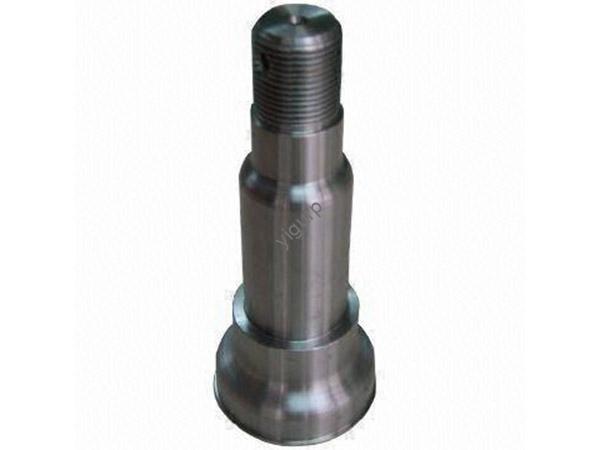
Se você está em construção, engenharia, ou fabricação, escolher o aço certo é importante.Aço estrutural EN1A se destaca por sua versatilidade e funcionalidade - mas o que exatamente o torna uma escolha preferida? Este guia detalha suas principais características, aplicações do mundo real, e como ele se compara a outros materiais, para que você possa tomar decisões inteligentes para seus projetos.
1. Propriedades materiais do aço estrutural EN1A
A popularidade da EN1A vem das suas propriedades completas. Abaixo está uma visão detalhada de sua química, físico, mecânico, e outras características principais.
1.1 Composição Química
Ocomposição química da EN1A é cuidadosamente controlada para garantir consistência. Aqui está um intervalo típico (de acordo com a norma EN):
| Elemento | Faixa de conteúdo (%) | Papel-chave |
|---|---|---|
| Carbono (C) | 0.08 – 0.13 | Mantém o aço dúctil e fácil de usinar |
| Manganês (Mn) | 0.30 – 0.60 | Aumenta a força sem perder flexibilidade |
| Silício (E) | 0.10 – 0.35 | Melhora a resistência ao calor durante a fabricação |
| Enxofre (S) | 0.04 – 0.09 | Melhora a usinabilidade (chamado aço de “usinagem livre”) |
| Fósforo (P) | ≤ 0.045 | Controlado para evitar fragilidade |
| Outros elementos de liga | Quantidades de rastreamento (por exemplo, cobre) | Impacto mínimo nas propriedades principais |
1.2 Propriedades Físicas
EN1Apropriedades físicas facilitar o trabalho em vários ambientes:
- Densidade: 7.85 g/cm³ (igual aos aços estruturais mais comuns)
- Ponto de fusão: 1450 – 1510ºC
- Condutividade térmica: 49 C/(m·K) a 20ºC (bom para distribuição de calor)
- Capacidade térmica específica: 470 J/(kg·K)
- Coeficiente de expansão térmica: 13.2 × 10⁻⁶/°C (20 – 100ºC, baixo o suficiente para estruturas estáveis)
1.3 Propriedades Mecânicas
Estas características tornam a EN1A ideal para trabalhos estruturais leves a médios:
- Resistência à tracção: 340 – 450 MPa
- Força de rendimento: ≥ 210 MPa
- Alongamento: ≥ 28% (alta ductilidade – ótima para dobrar e moldar)
- Dureza: 100 – 130 HB (Escala Brinell, fácil de usinar)
- Resistência ao impacto: ≥ 35 J a 20°C (lida com choques leves)
- Resistência à fadiga: ~170MPa (adequado para peças sob cargas leves repetidas)
1.4 Outras propriedades
- Resistência à corrosão: Moderado (precisa de revestimentos como tinta ou galvanização para uso externo)
- Soldabilidade: Bom (não é necessário pré-aquecimento para seções finas, reduz o tempo de fabricação)
- Usinabilidade: Excelente (o enxofre adicionado faz com que o corte seja suave – economiza o desgaste da ferramenta)
- Propriedades magnéticas: Ferromagnético (funciona com ferramentas de teste magnético)
- Ductilidade: Alto (pode ser dobrado em formas complexas sem quebrar)
2. Aplicações do Aço Estrutural EN1A
A funcionalidade e resistência moderada da EN1A tornam-na uma referência para muitas indústrias. Aqui estão seus usos mais comuns:
- Construção geral: Usado para feixes de luz, colchetes, e enquadramento em pequenos edifícios comerciais (por exemplo, lojas ou escritórios locais). Um construtor sediado no Reino Unido utilizou a EN1A para as estruturas de suporte interiores de um centro comercial de 2 pisos.
- Quadros estruturais: Ideal para estruturas temporárias como andaimes de construção ou palcos de eventos. Uma empresa europeia de eventos confia na EN1A para os seus palcos portáteis, graças ao seu peso leve e ductilidade.
- Componentes mecânicos: Faz engrenagens, parafusos, e pequenos eixos para eletrodomésticos (por exemplo, máquinas de lavar). Uma marca líder de eletrodomésticos usa EN1A em seus eixos de tambor de lavadora.
- Equipamento industrial: Cria estruturas de correias transportadoras e pequenas peças de máquinas em fábricas. Uma fábrica de processamento de alimentos usou EN1A para seus suportes transportadores, pois é fácil de limpar e maquinar.
- Peças automotivas: Usado para componentes leves, como dobradiças de portas, suportes de assento, e clipes de linha de combustível.
- Construção naval: Faz pequenas peças internas (por exemplo, molduras de armário) em barcos e iates.
- Estruturas ferroviárias: Usado para componentes menores, como suportes de sinal e bordas de plataforma.
- Aplicações arquitetônicas: Cria elementos decorativos (por exemplo, grades, painéis de parede) em casas modernas.
- Projetos de infraestrutura: Utilizado para pequenas coberturas de drenagem e bordas de calçadas em projetos de renovação urbana.
3. Técnicas de Fabrico de Aço Estrutural EN1A
Transformar aço bruto em produtos EN1A utilizáveis envolve quatro etapas principais:
3.1 Processos Rolantes
- Laminação a quente: O método mais comum. O aço é aquecido a 1100 – 1250°C e prensado em formato de barras, pratos, ou ângulos. EN1A laminado a quente tem uma superfície ligeiramente áspera, mas é econômico.
- Laminação a frio: Feito em temperatura ambiente para folhas mais finas ou formatos precisos (por exemplo, colchetes pequenos). EN1A laminado a frio tem acabamento liso e tolerância dimensional mais restrita.
3.2 Tratamento térmico
O tratamento térmico ajusta as propriedades da EN1A para usos específicos:
- Recozimento: Aquecido até 800 – 850ºC, mantido, então esfriou lentamente. Reduz a dureza e torna a usinagem ainda mais fácil.
- Normalizando: Aquecido até 850 – 900ºC, então resfriado ao ar. Melhora ligeiramente a resistência, mantendo a ductilidade.
- Temperamento: Raramente usado para EN1A (já que é de baixo carbono), mas pode ser feito em 500 – 600°C se forem necessários pequenos ajustes de dureza.
3.3 Métodos de Fabricação
- Corte: Usos corte a plasma (rápido para seções grossas) ou corte oxi-combustível (acessível para formas básicas). O baixo teor de carbono da EN1A evita o derretimento excessivo.
- Técnicas de soldagem: Soldagem a arco (mais comum para trabalho no local) e soldagem a laser (precisão para peças pequenas). Não é necessário pré-aquecimento para seções com menos de 10 mm de espessura.
- Dobrando e formando: Fácil de fazer com dobradeiras ou rolos. O alto alongamento do EN1A significa que ele pode ser dobrado em ângulos de 90 graus sem rachar.
3.4 Controle de qualidade
- Métodos de inspeção: Teste ultrassônico (verifica se há defeitos internos) e inspeção de partículas magnéticas (encontra rachaduras na superfície).
- Padrões de certificação: Deve conhecer ISO 683-1 (aços estruturais) e EN 10087 (aços de usinagem livre) para garantir qualidade.
4. Estudos de caso: EN1A em Projetos Reais
4.1 Construção: Um centro comunitário na França
Um pequeno centro comunitário em Lyon utilizou a EN1A nas treliças do telhado e nas colunas interiores. Os engenheiros escolheram a EN1A porque a suausinabilidade deixe-os cortar colchetes personalizados rapidamente, e seuductilidade permitido para suportes de telhado curvos. O projeto foi concluído 2 semanas antes, graças à fácil fabricação.
4.2 Industrial: Uma fábrica de embalagens na Alemanha
Uma fábrica de embalagens usou EN1A para construir suas estruturas de correia transportadora. As molduras precisavam ser leves (para fácil instalação) e fácil de modificar (para futuras atualizações). EN1Aresistência à tracção (340 – 450 MPa) foi suficiente para suportar o peso do transportador, e seusoldabilidade deixe os trabalhadores adicionarem novas seções em um dia.
5. Análise Comparativa: EN1A versus. Outros materiais
Como é que a EN1A se compara às alternativas comuns? Vamos comparar:
5.1 contra. Outros tipos de aço
| Recurso | Aço Estrutural EN1A | Aço carbono (A36) | Liga de aço (EN19) |
|---|---|---|---|
| Resistência à tracção | 340 – 450 MPa | 400 – 550 MPa | 620 – 780 MPa |
| Usinabilidade | Excelente | Bom | Bom |
| Custo (por tonelada) | $700 – $900 | $600 – $800 | $800 – $1,000 |
5.2 contra. Materiais Não Metálicos
- Concreto: EN1A é mais leve (7.85 g/cm³ versus. concreto 2.4 g/cm³) e mais fácil de fabricar. Mas o concreto é mais barato para fundações. Por exemplo, um edifício pequeno pode usar concreto para sua base e EN1A para estrutura superior.
- Materiais compósitos (por exemplo, fibra de vidro): Os compósitos são resistentes à corrosão, mas 2x mais caros. EN1A é melhor para projectos económicos.
5.3 contra. Outros materiais metálicos
- Ligas de alumínio: O alumínio é mais leve, mas tem menor resistência à tração (200 – 300 MPa). EN1A é melhor para peças que precisam de mais resistência (por exemplo, pequenas vigas).
- Aço inoxidável: O aço inoxidável resiste à corrosão, mas custa 3x mais. EN1A é a melhor escolha para uso interno ou externo revestido.
5.4 Custo & Impacto Ambiental
- Análise de custos: O custo do material da EN1A é ligeiramente superior ao do aço carbono (A36) mas inferior ao aço-liga (EN19). Isso é custo de fabricação é mais baixo, embora - já que é fácil de usinar e soldar.
- Impacto ambiental: EN1A é 100% reciclável (salva 75% energia versus. fazendo novo aço). Sua produção utiliza menos energia que o aço inoxidável ou o alumínio.
6. Visão da Yigu Technology sobre o aço estrutural EN1A
Na tecnologia Yigu, recomendamos EN1A para projetos de serviços leves a médios onde a viabilidade e o equilíbrio de custos são importantes. Isso éexcelente usinabilidade reduz o tempo de fabricação, e seuboa soldabilidade simplifica os ajustes no local – perfeito para pequenos trabalhos industriais ou de construção. Frequentemente combinamos EN1A com nossos revestimentos anticorrosivos para uso externo, prolongando sua vida útil 5+ anos. Para clientes que precisam de preço acessível sem sacrificar a qualidade, EN1A é uma escolha confiável.
Perguntas frequentes sobre o aço estrutural EN1A
- O aço estrutural EN1A pode ser usado ao ar livre?
Sim, mas precisa de proteção (como galvanização ou pintura). Isso é resistência à corrosão é moderado, portanto, EN1A não revestido pode enferrujar em ambientes úmidos ou salgados. - EN1A é difícil de usinar?
Não – EN1A é um dos aços mais fáceis de usinar. É adicionado enxofre faz com que corte suavemente, reduzindo o desgaste da ferramenta e economizando tempo. - Qual é a carga máxima que EN1A pode suportar?
Para uma viga EN1A de 50 mm x 50 mm (1tenho comprimento), ele pode suportar com segurança até 1 tonelada de carga estática. Para cargas dinâmicas (por exemplo, equipamento em movimento), reduza para 500 kg para uso a longo prazo.