
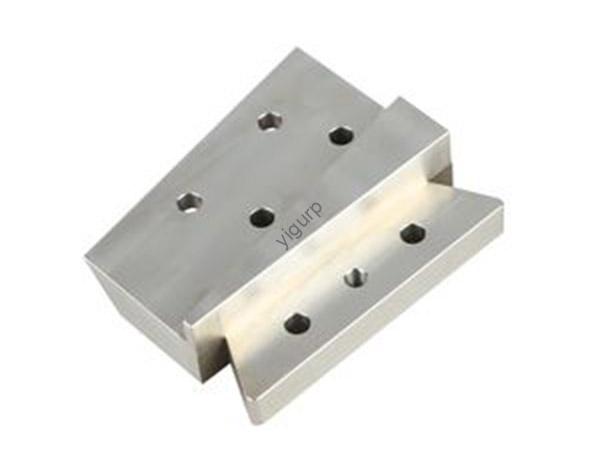
Se você estiver projetando estruturas de colisão automotiva, componentes de construção leves, or high-stress machinery and need a material that balancesalta resistência eexcelente conformabilidade-DP1000 dual phase steel é a solução. Este guia detalha suas principais características, usos no mundo real, e como ele supera outros materiais, para que você possa criar durável, produtos com baixo peso.
1. Core Material Properties of DP1000 Dual Phase Steel
DP1000 gets its name from its dual microstructure (ferrita + martensita) e 1000 MPa minimum tensile strength. This unique structure delivers unmatched strength-formability balance. Abaixo está uma análise detalhada:
1.1 Composição Química
Its chemistry is tailored to create the dual-phase structure and enhance performance. Típicocomposição química inclui:
- Carbono (C): 0.10–0,20% (promotes martensite formation; keeps formability intact)
- Manganês (Mn): 1.50–2.50% (slows cooling, helps form ferrite-martensite mix)
- Silício (E): 0.50–1,00% (strengthens ferrite and prevents carbide formation)
- Fósforo (P): <0.025% (minimized to avoid brittleness)
- Enxofre (S): <0.010% (kept ultra-low for better weldability and toughness)
- Cromo (Cr): 0.10–0.50% (boosts corrosion resistance and hardenability)
- Molibdênio (Mo): 0.10–0,30% (refina a estrutura do grão, melhora a resistência a altas temperaturas)
- Níquel (Em): 0.10–0,30% (enhances low-temperature impact toughness)
- Vanádio (V): 0.02–0.05% (grain refinement, adds extra strength)
- Outros elementos de liga: Trace amounts of titanium (stabilizes carbon, improves formability).
1.2 Propriedades Físicas
These traits are consistent across DP1000 grades (critical for manufacturing and design):
| Propriedade Física | Valor típico |
|---|---|
| Densidade | 7.85 g/cm³ |
| Ponto de fusão | 1430–1480°C |
| Condutividade térmica | 42–46 W/(m·K) (20°C) |
| Coeficiente de expansão térmica | 11.6 × 10⁻⁶/°C (20–100ºC) |
| Resistividade elétrica | 0.22–0.25 Ω·mm²/m |
1.3 Propriedades Mecânicas
DP1000’s dual-phase structure makes it stand out—here’s how it performs (contra. a common high-strength steel, HSLA 50):
| Propriedade Mecânica | Aço Bifásico DP1000 | HSLA 50 (for comparison) |
|---|---|---|
| Resistência à tracção | ≥1000 MPa | 450–620 MPa |
| Força de rendimento | 600–750 MPa | ≥345 MPa |
| Dureza | 280–320 HB (Brinell) | 130–160 HB (Brinell) |
| Resistência ao impacto | 35–50J (Entalhe em V Charpy, -40°C) | 34 J. (Entalhe em V Charpy, -40°C) |
| Alongamento | 15–20% | 18–22% |
| Resistência à fadiga | 450–500 MPa | 250–300MPa |
Principais destaques:
- Alta resistência: Tensile strength is 60–120% higher than HSLA 50—ideal for crash-resistant parts.
- Formabilidade: Even with high strength, it has 15–20% elongation (enough to stamp complex shapes like door rings).
- Resistência à fadiga: Handles repeated stress (por exemplo, vehicle vibrations) better than most high-strength steels.
1.4 Outras propriedades
- Excelente formabilidade: Its dual-phase structure (soft ferrite + hard martensite) lets it bend and stretch into complex shapes without cracking—critical for automotive stamping.
- Boa resistência: Retains flexibility at -40°C (safe for cold-climate automotive or construction use).
- Soldabilidade: Low sulfur and controlled carbon content mean minimal welding cracks (used for joining BIW components).
- Resistência à corrosão: Melhor que o aço carbono simples; galvanizing boosts it for outdoor parts like construction beams.
2. Key Applications of DP1000 Dual Phase Steel
DP1000’s strength-formability balance makes it a top choice for industries where weight and safety matter most. Below are its top uses with case studies:
2.1 Automotivo
Automotive is DP1000’s biggest application—used to cut weight while improving crash safety:
- Body-in-White (BIW) componentes: O “esqueleto” of the car (reduces weight by 10–15% vs. traditional steel).
- Crash-resistant structures: Front/rear bumpers, side impact beams (absorb crash energy to protect passengers).
- Pillars (A-pillar, B-pillar, C-pillar): Support the roof and protect occupants in rollovers.
- Roof rails and door rings: Add rigidity while keeping weight low.
- Cross-members: Reinforce the chassis (handles vibration and stress).
Estudo de caso: A global automaker used DP1000 for the B-pillars and door rings of its compact SUV. The switch from HSLA steel cut the BIW weight by 12 kg (8% of total BIW weight) while improving side-impact crash performance by 15% (per NHTSA tests). The steel’s formability also allowed stamping the door rings in one piece—reducing assembly time by 10%.
2.2 Construção
Construction uses DP1000 for lightweight, componentes de alta resistência:
- Componentes estruturais de aço: Thin-walled beams and columns (supports heavy loads without extra weight).
- Pontes: Deck plates and guardrails (resist traffic stress and weathering).
- Estruturas de construção: High-rise or modular building skeletons (reduces material use and construction costs).
2.3 Engenharia Mecânica
Industrial machinery relies on its strength and fatigue resistance:
- Engrenagens e eixos: Heavy-duty gearboxes (handle high torque without bending).
- Peças de máquinas: Press components and conveyor rollers (resist wear and repeated stress).
2.4 Pipeline & Maquinaria agrícola
- Pipeline: Oil and gas pipelines (thin-walled pipes that handle high pressure; reduce transportation costs).
- Maquinaria agrícola: Tractor frames and plow blades (tough enough for field impacts, light enough to improve fuel efficiency).
Estudo de caso: An agricultural equipment maker used DP1000 for tractor frames. The new frames were 9 kg lighter than carbon steel versions but could handle 20% more load—boosting fuel efficiency by 5% and increasing the tractor’s hauling capacity.
3. Manufacturing Techniques for DP1000 Dual Phase Steel
DP1000’s dual-phase structure requires precise manufacturing—here’s how it’s made:
3.1 Processos siderúrgicos
- Forno de oxigênio básico (BOF): Usado para produção em larga escala. Blows oxygen into molten iron to remove impurities, then adds manganese, silício, and other alloys to hit DP1000’s chemistry.
- Forno Elétrico a Arco (EAF): Melts scrap steel and adjusts alloys (ideal for small-batch or custom DP1000 grades).
3.2 Tratamento térmico
Heat treatment creates DP1000’s critical dual-phase structure:
- Intercritical annealing: O passo mais importante. Heat the steel to 750–850°C (between ferrite and austenite temperatures), hold briefly, then cool quickly. This forms a mix of soft ferrite and hard martensite (o “dual phase”).
- Quenching and partitioning: Optional for ultra-high formability. After intercritical annealing, quench to room temperature, then reheat to 300–400°C. Esse “partitions” carbon into martensite, making it more ductile.
3.3 Processos de formação
DP1000 is designed for forming—common techniques include:
- Laminação a quente: Heats steel to 1100–1200°C and rolls into thick coils (used for construction beams or pipeline pipes).
- Laminação a frio: Rolls at room temperature to make thin sheets (0.5–3 mm thick) for automotive stamping.
- Estampagem: Presses cold-rolled sheets into complex shapes (por exemplo, door rings, B-pillars). Its formability lets it handle deep draws and tight bends.
3.4 Tratamento de superfície
Surface treatments enhance durability and appearance:
- Galvanização: Dips steel in molten zinc (used for automotive parts or construction beams—prevents rust for 15+ anos).
- Pintura: Applies automotive-grade paint (for BIW components—improves aesthetics and corrosion resistance).
- Tiro: Blasts the surface with metal balls (removes scale before coating, ensures paint/galvanizing adhesion).
- Revestimento: Zinc-nickel coating (for high-corrosion areas like undercarriage parts—lasts longer than standard galvanizing).
4. How DP1000 Dual Phase Steel Compares to Other Materials
Choosing DP1000 means understanding how it stacks up to alternatives—here’s a clear comparison:
| Categoria de materiais | Key Comparison Points |
|---|---|
| Other high-strength steels (por exemplo, HSLA 50, DP600) | – Força: DP1000 is 60% stronger than HSLA 50 e 40% stronger than DP600. – Formabilidade: DP1000 has similar elongation to DP600 (15–20%) but far higher strength. – Use case: DP1000 for crash parts; DP600 for less critical BIW components. |
| Carbon steels (por exemplo, A36) | – Força: DP1000 is 2–3x stronger. – Peso: DP1000 uses 30–40% less material for the same load. – Custo: DP1000 is ~50% more expensive but saves on weight and assembly. |
| Stainless steels (por exemplo, 304) | – Força: DP1000 is 2x stronger. – Custo: DP1000 is 40% mais barato. – Formabilidade: Semelhante, but stainless steel has better corrosion resistance (use DP1000 for non-exposed parts). |
| Ligas de alumínio (por exemplo, 6061) | – Peso: Aluminum is 3x lighter; DP1000 is 2x stronger. – Custo: DP1000 is 30% mais barato. – Formabilidade: Aluminum is more flexible, but DP1000 is better for crash resistance. |
| Materiais compósitos (por exemplo, fibra de carbono) | – Specific strength (strength-to-weight): Composites are better. – Custo: DP1000 is 70–80% cheaper. – Fabricação: DP1000 stamps quickly; composites need slow curing (better for low-volume luxury cars). |
5. Yigu Technology’s Perspective on DP1000 Dual Phase Steel
Na tecnologia Yigu, nós vemosDP1000 dual phase steel as a game-changer for automotive and lightweight construction. It solves the classic tradeoff between strength and formability—letting clients make crash-safe, lightweight parts without switching to expensive composites. We often recommend it for BIW pillars, crash beams, and modular construction beams. Para clientes automotivos, it cuts weight and improves safety; para construção, it reduces material use and shipping costs. While it’s pricier than standard steel, its performance benefits and manufacturing efficiency make it a smart investment for modern, efficient designs.
FAQ About DP1000 Dual Phase Steel
- Can DP1000 dual phase steel be used for cold-climate automotive parts?
Yes—its impact toughness (35–50 J at -40°C) makes it safe for cold regions. It’s commonly used for BIW components and crash structures in cars sold in Canada, Norte da Europa, and other cold areas. - Is DP1000 hard to stamp into complex shapes?
No—its excelente conformabilidade (15–20% elongation) lets it be stamped into complex parts like door rings or B-pillars. Manufacturers often use it for one-piece stamping (reducing assembly steps) because it resists cracking during deep draws. - How does DP1000 compare to aluminum in automotive weight savings?
Aluminum saves 50–60% weight vs. traditional steel, while DP1000 saves 10–15%. But DP1000 is 30% mais barato que o alumínio, easier to weld, and has better crash energy absorption. For most mainstream cars, DP1000 offers the best balance of weight savings, custo, e segurança.