
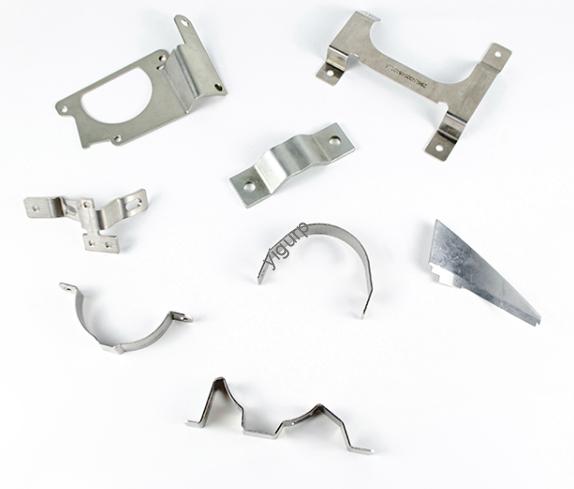
As peças metálicas personalizadas são a espinha dorsal das indústrias aeroespacial e médica – elas se adaptam a designs exclusivos, resolver problemas específicos, e transformar ideias em produtos funcionais. Mascustomize metal parts isn’t a one-size-fits-all task: o processo certo depende do seu material, orçamento, complexidade do projeto, e volume de produção. Este guia detalha 8 principais processos de fabricação para peças metálicas personalizadas, compares their strengths, compartilha exemplos do mundo real, and helps you pick the perfect method for your project.
Primeiro: What Matters When Customizing Metal Parts?
Before choosing a process, you need to clarify 4 core factors—they’ll narrow down your options and avoid costly mistakes:
- Design Complexity: Is your part simple (por exemplo, um suporte plano) or complex (por exemplo, a lattice-structured aerospace component)? Some processes handle curves and hollow shapes better than others.
- Material Choice: Do you need aluminum (leve), aço inoxidável (resistente à corrosão), ou titânio (de alta resistência)? Not all processes work with every metal.
- Volume de produção: Are you making 5 protótipos ou 5,000 peças de produção? Costs and speed vary drastically by batch size.
- Tolerance Needs: How precise does the part need to be? A medical implant might need ±0.025mm tolerance, while a decorative part could use ±0.1mm.
Exemplo: If you’re making 10 custom titanium surgical tools (complex design, tolerância apertada), your options will be very different than if you’re making 1,000 suportes de alumínio (simple design, loose tolerance).
8 Key Processes to Customize Metal Parts (With Pros, Contras & Casos)
Below are the most common methods to customize metal parts, each with how it works, best uses, and real-world success stories. We’ll start with the most versatile and move to specialized options.
1. Fresagem CNC & Virando (Best for Precision & Versatilidade)
How it works: CNC machining is a subtractive process—starts with a solid metal block and uses computer-controlled tools (mills for 3D shapes, lathes for cylindrical parts) to cut away excess material. It uses G-code (programmed via CAM software) for ultra-precise cuts.
Melhor para: Simple-to-moderate designs, tolerâncias apertadas (±0,025mm), and small-to-large batches (1–10,000+ parts). Works with almost all metals (alumínio, aço, titânio, latão).
Prós & Contras:
| Prós | Contras |
|---|---|
| Alta precisão (ideal for tight-fit parts like gears) | Struggles with complex internal shapes (por exemplo, closed lattices) |
| Fast for repeatable parts (100 aluminum brackets = 8–12 hours) | Material waste (50–70% of the metal block is cut away) |
| Works with all common metals | Setup fees ($50–$200) para pequenos lotes |
Real-World Case: A medical device company used CNC turning to make 50 custom stainless steel dental drills. The drills needed a cylindrical shape with tiny, precise grooves (for cutting teeth) and ±0.03mm tolerance. CNC turning delivered consistent results, and the parts were ready in 3 days—faster than any other process.
Usos comuns: Engrenagens, colchetes, ferramentas cirúrgicas, componentes automotivos.
2. Impressão 3D de metal (SLM/DMLS) (Best for Complex, Low-Volume Parts)
How it works: Also called additive manufacturing, it uses a laser to melt metal powder (por exemplo, titânio, aço inoxidável) camada por camada, construindo a peça de baixo para cima. No tooling is needed—just upload a 3D CAD file.
Melhor para: Projetos complexos (treliças, interiores ocos), low batches (1–50 peças), and high-value parts (aeroespacial, médico). Works with titanium, aço inoxidável, and Inconel.
Prós & Contras:
| Prós | Contras |
|---|---|
| Makes shapes no other process can (por exemplo, canais de resfriamento internos) | Slow for large batches (10 parts = 4–8 hours) |
| Baixo desperdício de material (reuses 50%+ of unused powder) | Expensive per part (titanium part = $200–$500) |
| No setup fees (great for prototypes) | Lower tolerance than CNC (±0.1mm vs. ±0,025mm) |
Real-World Case: An aerospace startup needed 3 custom titanium engine parts with hollow interiors (para reduzir peso). CNC machining couldn’t reach the inner cavities, so they used SLM 3D printing. The parts were 30% lighter than solid versions, handled 600°C heat, and were ready in 3 days—saving $500 contra. custom casting.
Usos comuns: Implantes médicos, componentes aeroespaciais, prototype parts with complex geometry.
3. Metal Casting (Sand & Investment) (Best for Large Batches & Simple Shapes)
How it works: Pour molten metal into a mold (sand for simple shapes, ceramic for detailed ones), let it cool, then break the mold to remove the part. Investment casting uses a wax model to create the mold—great for intricate details.
Melhor para: Simple-to-moderate designs, grandes lotes (1,000+ peças), and low-cost metals (alumínio, iron, ligas de cobre).
Prós & Contras:
| Prós | Contras |
|---|---|
| Low cost for large batches (1,000 aluminum pipes = $5 por parte) | Slow setup (mold making = 1–2 weeks) |
| Works with large parts (por exemplo, 1m-tall machine frames) | Rough surface finish (precisa de pós-processamento) |
| Baixo desperdício de material (uses only the metal needed for the part) | Poor tolerance (±0.5mm—no good for tight fits) |
Real-World Case: A construction equipment maker used sand casting to make 5,000 iron brackets for excavators. The brackets were simple (flat with holes) and didn’t need tight tolerance. Casting cost $3 per part—vs. $8 per part for CNC machining—saving $25,000 total.
Usos comuns: Pipes, quadros de máquinas, automotive engine blocks.
4. Fundição sob pressão (Best for High-Volume, Detailed Parts)
How it works: Similar to casting, but uses high pressure (hydraulic or pneumatic) to force molten metal into a reusable steel mold. Great for parts with small details (por exemplo, pequenos buracos, logotipos).
Melhor para: Moderate-to-detailed designs, very large batches (10,000+ peças), and low-melting metals (alumínio, zinco, magnésio).
Prós & Contras:
| Prós | Contras |
|---|---|
| Produção rápida (10,000 zinc parts = 1 semana) | Altos custos de ferramentas ($10,000–$50,000 for steel molds) |
| Smooth surface finish (no post-processing needed for cosmetics) | Only works with low-melting metals (no titanium/steel) |
| Consistent parts (ideal for consumer goods) | Not for complex internal shapes |
Real-World Case: A smartphone manufacturer used die casting to make 100,000 aluminum phone chassis. The chassis had tiny slots for buttons and a smooth finish—die casting delivered consistent results at $2 por parte. CNC machining would have cost $5 por parte, salvando $300,000.
Usos comuns: Phone chassis, sensores automotivos, consumer electronics parts.
5. Extrusão (Best for Constant Cross-Section Parts)
How it works: Push heated metal through a mold with a fixed cross-section (por exemplo, tubes, L-shapes, caixilhos de janelas), then cut it to length. Pós-processamento (perfuração, CNC) adds holes or details.
Melhor para: Parts with constant cross-sections (no changing shapes), grandes lotes (1,000+ peças), and aluminum (80% of extruded metal parts).
Prós & Contras:
| Prós | Contras |
|---|---|
| Ultra-low cost (1,000 aluminum tubes = $1 por parte) | Only for constant cross-sections (no curved or hollow interiors) |
| Produção rápida (extrudes 10m of metal per minute) | Needs post-processing for custom details (por exemplo, buracos) |
| Superfície lisa (great for painted or anodized parts) | No tight tolerance (±0,1 mm) |
Real-World Case: A window manufacturer used extrusion to make 5,000 aluminum window frames. The frames had a complex cross-section (to hold glass and seals) but no changing shapes. Extrusion cost $4 per frame—vs. $10 per frame for CNC—and the parts were ready in 5 dias.
Usos comuns: Molduras de janelas, tubos, acabamento automotivo, dissipadores de calor.
6. Metal Injection Molding (MIM) (Best for Small, Detailed Parts)
How it works: Mix metal powder (aço inoxidável, titânio) with plastic, inject the mixture into a mold, then heat it (sintering) to remove the plastic and fuse the metal.
Melhor para: Peças pequenas (under 100g) with tiny details (por exemplo, componentes de dispositivos médicos), grandes lotes (10,000+ peças), and stainless steel/titanium.
Prós & Contras:
| Prós | Contras |
|---|---|
| Makes tiny, peças detalhadas (por exemplo, 2mm medical screws) | Altos custos de ferramentas ($5,000–$20,000) |
| Low per-part cost for large batches (10,000 parts = $1 each) | Not for large parts (max 100g) |
| High density (stronger than 3D printed parts) | Slow setup (mold making = 2–3 weeks) |
Real-World Case: A watchmaker used MIM to make 50,000 stainless steel watch gears. The gears were 3mm wide with tiny teeth—too small for CNC machining. MIM delivered consistent, strong gears at $0.80 each, salvando $2 per gear vs. usinagem manual.
Usos comuns: Watch parts, parafusos médicos, small automotive sensors.
7. Forjamento (Best for High-Strength Parts)
How it works: Heat metal to a malleable state, then hammer or press it into shape using a mold. No melting—preserves the metal’s natural grain, making parts stronger.
Melhor para: Peças de alta resistência (por exemplo, ferramentas, componentes estruturais), medium-to-large batches (100–10.000 peças), and stainless steel/iron.
Prós & Contras:
| Prós | Contras |
|---|---|
| Ultra-forte (20–30% stronger than cast parts) | No complex shapes (only simple, solid designs) |
| Baixo desperdício de material (usa 90% of raw metal) | Altos custos de ferramentas ($10,000–$30,000) |
| Good for high-stress parts (por exemplo, wrench heads) | Rough surface (precisa de pós-processamento) |
Real-World Case: A tool manufacturer used forging to make 1,000 steel wrench heads. Forged wrenches could handle 500N of torque (contra. 300N for cast ones) and lasted 2x longer. The cost was $5 per wrench—only $1 more than casting—worth it for durability.
Usos comuns: Wrenches, hammer heads, automotive crankshafts, suportes estruturais.
8. Chapa metálica & Estampagem (Best for Flat, High-Volume Parts)
How it works: Cut flat metal sheets (alumínio, aço) into shapes, then bend or punch them using a press brake. Stamping uses a die to mass-produce identical parts quickly.
Melhor para: Flat or slightly bent parts (por exemplo, recintos, colchetes), very large batches (10,000+ peças), and aluminum/steel.
Prós & Contras:
| Prós | Contras |
|---|---|
| Fastest process for large batches (100,000 parts = 1 dia) | Only for flat/bent shapes (no 3D curves) |
| Low per-part cost ($0.50–$2 per part) | High tooling costs for stamping ($5,000–$15,000) |
| Leve (great for enclosures) | Poor tolerance (±0,1 mm) |
Real-World Case: A computer manufacturer used sheet metal stamping to make 50,000 aluminum laptop enclosures. The enclosures were flat with bent edges—stamping delivered them at $1.20 each, contra. $3 each for CNC machining. The parts were ready in 3 dias, meeting a tight product launch deadline.
Usos comuns: Laptop enclosures, caixas elétricas, painéis de carroceria automotiva, colchetes.
How to Choose the Right Process (Cheat Sheet + Comparação de custos)
Use this table to match your project needs to the best process. We’ve also included cost data for a standard aluminum part (100mm x 50mm x 5mm) to show how prices vary by batch size:
| Project Need | Best Process | Custo para 10 Peças | Custo para 1,000 Peças | Custo para 10,000 Peças |
|---|---|---|---|---|
| Complex design, low batch (protótipos) | Impressão 3D de metal (SLM) | $200 | $15,000 | Not recommended |
| Simple design, tolerância apertada | Usinagem CNC | $150 | $5,000 | $30,000 |
| Constant cross-section, large batch | Extrusão | $50 (plus post-processing) | $1,000 | $8,000 |
| Pequeno, detailed part, large batch | Metal Injection Molding (MIM) | $500 (configurar) + $50 | $5,000 | $10,000 |
| High-strength part, medium batch | Forjamento | $300 (configurar) + $100 | $8,000 | $50,000 |
| Flat part, very large batch | Sheet Metal Stamping | $1,000 (configurar) + $20 | $2,000 | $7,000 |
Key Takeaway: Para pequenos lotes, CNC or 3D printing is best. Para grandes lotes, extrusão, estampagem, or MIM saves money. For strength, choose forging. For complexity, choose 3D printing.
Yigu Technology’s Perspective on Customizing Metal Parts
Na tecnologia Yigu, we tailor custom metal part solutions to your unique needs. Para peças de precisão (like medical tools), we use CNC machining for tight tolerances. For complex aerospace components, impressão 3D metálica (SLM) delivers unbeatable geometry. Para grandes lotes (como suportes automotivos), we recommend extrusion or stamping to cut costs. We also handle post-processing—from polishing CNC parts to anodizing extruded aluminum—to ensure your parts look and perform perfectly. Our team works with you to balance cost, velocidade, e qualidade, so you get custom parts that fit your project, not the other way around.
FAQ About Customizing Metal Parts
1. What’s the cheapest way to customize metal parts for large batches?
Para grandes lotes (10,000+ peças), sheet metal stamping (para peças planas) ou extrusão (for constant cross-sections) is cheapest. Both have high upfront tooling costs but ultra-low per-part costs—e.g., stamping a 100mm aluminum bracket costs $0.50 per part for 10,000 unidades.
2. Can I customize titanium parts with any process?
No—titanium is hard to melt and cut, so only a few processes work: Usinagem CNC (best for precision), impressão 3D metálica (SLM, best for complexity), and metal injection molding (MIM, best for small parts). Die casting and extrusion don’t work with titanium (it has a high melting point).
3. How long does it take to customize metal parts?
It depends on the process and batch size:
- Pequenos lotes (10 peças): CNC = 3 dias, 3D printing = 2 dias.
- Lotes médios (1,000 peças): CNC = 1 semana, extrusion = 5 dias.
- Grandes lotes (10,000 peças): Stamping = 3 dias, MIM = 2 semanas (due to tooling).
Setup time (mold/tool making) adds 1–2 weeks for casting, estampagem, or MIM.