
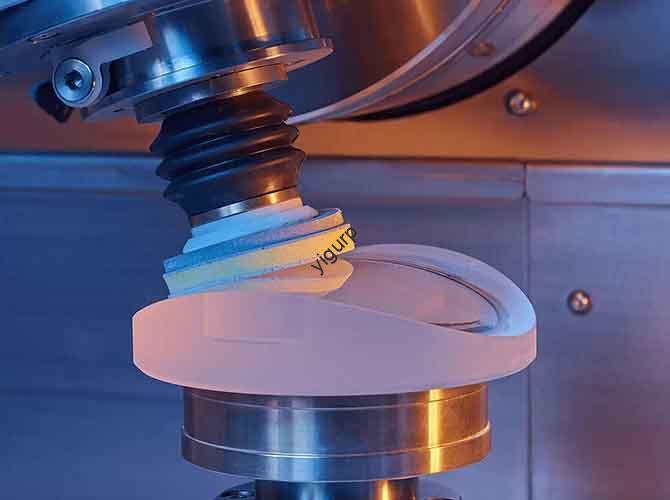
Em indústrias de alta tecnologia, como aeroespacial e dispositivos médicos, why is PEEK Polyetheretherketone becoming a go-to material? E como os fabricantes superam seus desafios únicos durante a usinagem? The answer lies in optimized CNC machining PEEK Polyetheretherketone—a process that turns this high-performance thermoplastic into precise, peças duráveis. Este artigo detalha as principais propriedades do PEEK, critical CNC machining tips, fluxos de trabalho passo a passo, e aplicações do mundo real, helping you avoid common issues like thermal deformation and poor surface finish.
What Makes PEEK Polyetheretherketone Special?
PEEK Polyetheretherketone is a high-performance thermoplastic with properties that bridge the gap between plastics and metals. Its unique characteristics make it ideal for demanding environments—but also create challenges for machining. Here’s a clear breakdown:
| Propriedade | Vantagem Principal | Machining Challenge |
| Alta resistência & Dureza | Rivals metal strength (resistência à tracção: 90 MPa), adequado para peças de suporte de carga. | Hardness causes fast tool wear; dull tools lead to rough surfaces. |
| Resistência ao Calor | Maintains stability at temperatures up to 260°C (uso contínuo); melts at 343°C. | Prone to thermal deformation if cutting heat isn’t controlled. |
| Resistência Química | Resiste a óleos, ácidos, and solvents—ideal for harsh chemical environments. | No major chemical-related machining issues, but requires compatible coolants. |
| Vestir & Resistência | Withstands long-term compression and friction; tough enough to avoid brittle breakage. | Toughness increases cutting force, risking tool chatter or part displacement. |
Critical Tips for CNC Machining PEEK Polyetheretherketone
Machining PEEK isn’t the same as machining standard plastics like ABS. To achieve precision and quality, concentre-se nestes 4 key areas—each solving a common pain point:
1. Seleção de ferramentas: Avoid Wear and Tear
- Material: Usar carbide tools (não é HSS). Carbide’s hardness (HV 1500–2000) resists wear from PEEK’s toughness, doubling tool life compared to HSS.
- Projeto: Choose tools with sharp cutting edges and positive rake angles (10–15°). This reduces cutting force, minimizing thermal buildup and part deformation.
- Exemplo: A medical parts manufacturer switched from HSS to carbide end mills and cut tool replacement costs by 40%.
2. Otimização de parâmetros de corte: Control Heat
PEEK softens when overheated—so getting parameters right is critical. Use this tested range for best results:
| Parâmetro | Recommended Range for PEEK | Por que funciona |
| Velocidade de corte | 50–80 m/min (for turning); 30–50 m/min (for milling) | Slower than standard plastics to reduce friction-induced heat. |
| Taxa de alimentação | 0.1–0.2 mm/rev (girando); 0.05–0.1 mm/tooth (fresagem) | Balances efficiency and surface quality—too fast causes rough finishes. |
| Profundidade de corte | 0.5–1 mm per pass (avoid >1 milímetros). | Shallow cuts prevent excessive force and heat; multiple passes ensure accuracy. |
3. Resfriamento & Lubrificação: Prevent Softening
- Método: Usar compressed air cooling (not water-soluble coolants). Water can seep into PEEK’s microstructures, weakening the part. Ar comprimido (flow rate > 8 L/min) removes heat without damaging the material.
- Para dica: Direct the air nozzle 2–3 mm from the cutting area to maximize heat dissipation.
4. Clamping & Apoiar: Stop Deformation
PEEK parts—especially thin-walled ones—deform easily under clamping force. Fix this with:
- Non-contact clamping: Use vacuum chucks for flat parts to distribute pressure evenly.
- Internal support: For hollow parts (por exemplo, medical catheters), insert a temporary polymer mandrel to maintain shape during machining.
- Estudo de caso: An aerospace supplier used vacuum clamping for PEEK sensor housings and reduced deformation from 0.15mm to 0.02mm.
Step-by-Step Workflow for CNC Machining PEEK Parts
Follow this linear process to ensure consistency—each step builds on the last to avoid mistakes:
- Pre-Machining Preparation:
- Dry the PEEK material (80°C para 4 horas). PEEK absorbs moisture, which causes bubbles during machining.
- Import the CAD design into CNC software (por exemplo, Mastercam) and set the cutting path to avoid sharp turns (reduces tool chatter).
- Tool Setting:
- Use a tool presetter to calibrate tool length and diameter. Record offsets in the CNC system to ensure cuts align with the design.
- Por que isso importa: A 0.01mm tool offset error can make a PEEK medical implant out of tolerance.
- Usinagem:
- Start with a test run on a scrap PEEK piece. Check surface finish (Ra should be < 0.8 μm) and dimensions before moving to production.
- Monitor in real time: If you see smoke (sign of overheating), slow the cutting speed by 10%.
- Pós-processamento & Inspeção:
- Rebarbação: Use a 300-grit sandpaper to remove sharp edges—critical for medical parts that touch human tissue.
- Limpeza: Wipe parts with isopropyl alcohol to remove oil or debris.
- Inspeção: Use a coordinate measuring machine (CMM) para verificar tolerâncias (aim for ±0.005mm for critical parts like aerospace components).
Real-World Applications of CNC Machined PEEK Parts
Where does CNC machined PEEK shine? Aqui estão 3 industries reaping its benefits:
- Dispositivos Médicos: Machined PEEK is used for spinal implants and dental abutments. Its biocompatibility (approved by the FDA) and strength mean implants last 10+ anos. A leading medical firm produces 2,000 PEEK spinal cages monthly with CNC machining—defect rate < 0.05%.
- Aeroespacial: PEEK parts (por exemplo, caixas de sensores, sedes de válvula) replace metal, cutting aircraft weight by 30%. Aeronautical engineers use CNC machining to achieve tolerances of ±0.003mm, ensuring parts fit in tight engine spaces.
- Óleo & Gás: PEEK’s chemical resistance makes it ideal for downhole tool components. CNC-machined PEEK seals withstand 200°C temperatures and corrosive oils, outlasting rubber seals by 5x.
Perspectiva da Tecnologia Yigu
Na tecnologia Yigu, nós vemos CNC machining PEEK Polyetheretherketone as a game-changer for high-tech industries. Our CNC systems are optimized for PEEK: they integrate air-cooling ports, vacuum clamping options, and real-time heat sensors to prevent deformation. We’ve helped clients cut PEEK machining time by 25% while improving tolerance accuracy to ±0.004mm. As demand for lightweight, durable parts grows, we’ll keep refining our software to simplify PEEK processing—making it accessible for more manufacturers.
Perguntas frequentes
- P: Can CNC machining PEEK achieve the same tolerance as metal machining?
UM: Sim. With optimized tools and parameters, CNC machining PEEK can reach tolerances of ±0.003–±0.005mm—comparable to aluminum or steel machining.
- P: Why not use water coolant for CNC machining PEEK?
UM: Water absorbs into PEEK’s microstructures, reducing its tensile strength by up to 15%. Compressed air cooling avoids this issue while still controlling heat.
- P: How long does it take to machine a small PEEK part (por exemplo, a 10mm diameter medical pin)?
UM: Including setup, usinagem, e inspeção, it takes 8–10 minutes. Peças maiores (por exemplo, 50mm aerospace housings) take 20–25 minutes.