
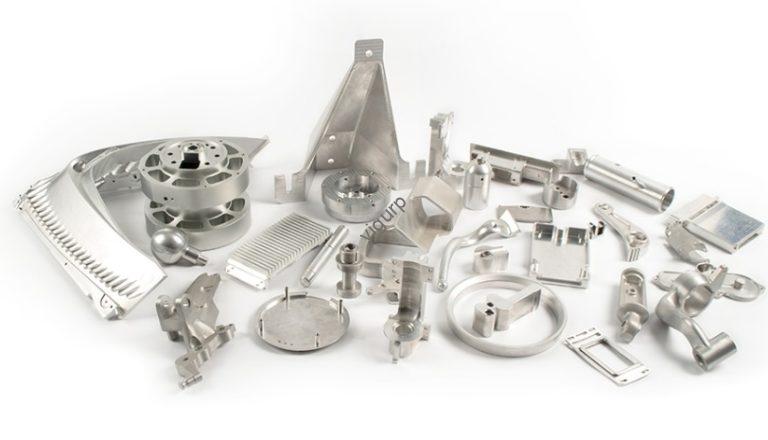
Se você está no desenvolvimento de produtos, picking the right fábrica de protótipos can make or break your project. Uma boa fábrica entrega protótipos de alta qualidade dentro do prazo para manter seu cronograma no caminho certo, enquanto um pobre leva a atrasos, peças defeituosas, e orçamento desperdiçado. Para ajudá-lo a fazer uma escolha informada, nós quebramos 10 must-check factors—with data, exemplos, and actionable tips to simplify your decision.
1. Technical Capabilities: Can They Meet Your Design Needs?
A factory’s technical capabilities determine if it can turn your design into a functional prototype. Don’t just ask about their tools—focus on how well they match your project’s requirements.
Key things to evaluate:
- Processing Technologies: Do they offer the methods you need? Por exemplo, if you need a complex plastic prototype, confirm they have 3Impressão D (for fast iterations) ou Usinagem CNC (para precisão). If your prototype is metal, check for metal milling or turning capabilities.
- Equipment Level: Old or low-quality machines lead to inconsistent parts. Ask if they use modern, well-maintained equipment—e.g., 5-máquinas CNC de eixo (para formas complexas) or industrial-grade 3D printers (for durable prototypes).
- Design Adaptability: Can they handle tweaks? A flexible factory will adjust your design (por exemplo, fixing a tight fit) without extra delays. Por exemplo, if your phone case prototype doesn’t align with buttons, they should revise it in 1–2 days.
2. Production Experience: Have They Worked on Similar Projects?
Production experience in your industry means the factory understands your unique needs—saving you time explaining requirements.
How to assess:
- Ask for industry-specific experience: “Have you made prototypes for consumer electronics/automotive parts/medical devices?” (whichever fits your project). A factory that’s made 100+ electronics prototypes will know how to test for durability or fit.
- Check for product similarity: If you’re designing a small household gadget, a factory that specializes in large industrial parts may not be the best fit. Look for examples of prototypes similar in size, material, or function to yours.
- Pro tip: Factories with 5+ years of experience in your niche are 3x more likely to avoid common mistakes (like using the wrong plastic for a heat-resistant prototype).
3. Product Quality: Will the Prototype Meet Your Standards?
Poor-quality prototypes lead to bad design decisions—so qualidade do produto is non-negotiable. Use this table to compare factories:
| Quality Aspect | O que procurar | Red Flags to Avoid |
| Seleção de Materiais | Uses certified materials (por exemplo, FDA-approved plastics for food-related prototypes) | Uses unbranded, low-grade materials with no certification |
| Processing Accuracy | Achieves tolerances of ±0.01mm (critical for parts that need to fit together) | Prototypes have uneven edges or inconsistent sizes |
| Tratamento de superfície | Smooth finishes, no scratches, and consistent coloring (se necessário) | Rough surfaces, chipped paint, or mismatched colors |
Data spotlight: Top factories like Dongguan Qile Industrial Co., Ltd. boast a 99.8% product qualification rate—meaning almost every prototype meets quality standards. Aim for factories with a qualification rate of 98% or higher.
4. Delivery Speed: Can They Keep Up With Your Timeline?
Delays in prototype delivery push back your entire product launch. Então delivery speed is key to staying on schedule.
What to confirm:
- Standard Production Cycle: Perguntar, “How long will it take to make 5 plastic prototypes?” Most reputable factories take 3–7 days for simple parts; complex metal prototypes may take 7–10 days.
- On-Time Delivery Rate: A factory with a 98%+ taxa de entrega no prazo (like Dongguan Qile) is reliable. Avoid factories that admit to “occasional delays” without a backup plan.
- Rush Order Options: What if you need a prototype in 2 dias? Some factories offer rush services (por uma pequena taxa) to handle urgent projects.
5. Service Level: Is Communication Smooth and Helpful?
Bom service level means fewer misunderstandings and faster problem-solving. Evaluate this during your first interactions:
- Response Time: Do they reply to your emails/calls within 24 horas? A factory that takes 3+ days to respond will likely be slow during production.
- Communication Clarity: Do they explain technical terms in simple language? Por exemplo, instead of saying “we use subtractive manufacturing,” they should say “we carve parts from solid material (Usinagem CNC) for better strength.”
- Proactivity: Do they flag potential issues? A good factory might say, “Your design’s thin edge could break during testing—would you like to adjust it?” instead of just following the design blindly.
6. Price Competitiveness: Is It Cost-Effective?
Price matters, mas price competitiveness doesn’t mean choosing the cheapest option. Focus on “value for money”—quality + velocidade + service at a reasonable price.
How to compare:
- Get quotes from 3–5 factories for the same prototype (same size, material, quantidade). This helps you spot outliers (por exemplo, one factory charging 2x more than others without a clear reason).
- Ask for a detailed breakdown: Does the quote include material costs, processing fees, e tratamento de superfície? Avoid factories with vague quotes like “$500 for prototypes” with no breakdown.
- Warning: Factories offering prices 30% lower than the average are often cutting corners (por exemplo, using cheap materials or rushing production).
7. Avaliações de clientes: What Do Other Clients Say?
Customer reviews reveal the real experience of working with a factory—don’t skip this step.
Where to find reviews:
- Direct Testimonials: Ask the factory for references (por exemplo, “Can I speak to a client who made electronics prototypes with you?”). A happy client will confirm the factory’s reliability.
- Online Platforms: Check B2B sites (like Alibaba) or industry forums for reviews. Look for patterns—e.g., “great quality but slow delivery” or “excellent communication and on-time every time.”
- Impressive stat: Dongguan Qile has over 300,000 customer praise cases—a strong sign of consistent satisfaction.
8. After-Sales Support: Will They Fix Issues?
Even the best factories make mistakes—so after-sales support ensures problems are solved quickly.
What to look for:
- Rework Policies: If the prototype is flawed (por exemplo, wrong size), will they rework it for free? Most good factories offer 1–2 free reworks within a week of delivery.
- Maintenance Help: If you need to test the prototype repeatedly, can they help with minor repairs (por exemplo, gluing a loose part)?
- Post-Delivery Follow-Up: Do they check in to ask if the prototype meets your needs? This shows they care about your success, not just the sale.
9. Case Showcase: Do They Have a Proven Track Record?
UM case showcase lets you see the factory’s work firsthand—don’t just take their word for it.
What to review:
- Diversity of Cases: Do they have experience with different industries, materiais, and prototype types? A factory with a varied showcase can adapt to your needs.
- Detail in Cases: Look for photos/videos of prototypes, along with client feedback (por exemplo, “This prototype helped us fix a design flaw before mass production”).
- Relevance to Your Project: If you’re making a medical device prototype, focus on cases where the factory made similar medical parts.
10. Field Visits: Can You See Their Operations In Person?
If possible, um field visit is the best way to verify a factory’s capabilities. Here’s what to check during your visit:
- Workshop Conditions: Is the factory clean, organized, and well-lit? Messy workshops often lead to quality issues.
- Equipment Condition: Are machines well-maintained (sem ferrugem, no broken parts) and up-to-date?
- Team Expertise: Talk to the production team—do they answer your technical questions confidently?
- Alternative: If you can’t visit in person, ask for a video tour of the workshop. Reputable factories will be happy to show you around.
Yigu Technology’s Perspective
Na tecnologia Yigu, we believe choosing a fábrica de protótipos is about aligning their strengths with your project goals. We prioritize factories with strong technical capabilities (3Impressão D + Usinagem CNC), high quality (98%+ qualification rates), and reliable delivery—because these factors directly impact our clients’ product development speed. We also value clear communication: a factory that listens to your needs and proactively solves problems is a long-term partner, not just a supplier. For our clients, we often recommend factories with proven industry experience to avoid costly mistakes and keep projects on track.
Perguntas frequentes (Frequently Asked Questions)
- I can’t visit a factory in person—how else can I check their production capacity?
Ask for a video tour of their workshop, a list of their equipment (with model numbers), and recent production records (por exemplo, “How many prototypes did you make last month?”). You can also verify their certifications (por exemplo, ISO 9001 for quality management) online.
- Should I choose a local prototype factory or an overseas one?
Local factories (within your country/region) offer faster delivery and easier communication, but may be more expensive. Overseas factories (por exemplo, na China) often have lower prices but longer shipping times (2–5 dias). Choose local if you need quick iterations; overseas if cost is a bigger concern and you have extra time.
- What if a factory meets all criteria but is slightly more expensive than others?
Paying 10–15% more for a reliable factory is worth it. A cheap factory may deliver a flawed prototype, forcing you to reorder (costing more time and money). The goal is to avoid delays and bad design decisions—not just save money upfront.