
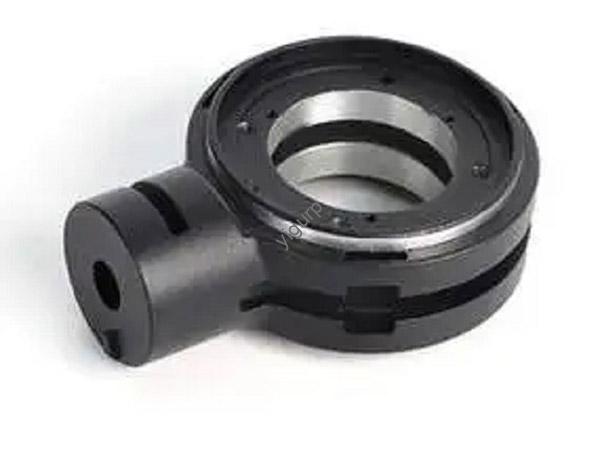
Se você trabalhou na construção, encanamento, ou fabricação, you’ve probably usedblack steel-um versátil, material econômico conhecido por seu escuro, acabamento em escala de moinho. Ao contrário do aço galvanizado ou pintado, o aço preto mantém sua aparência industrial natural ao mesmo tempo que oferece resistência confiável. Este guia explica o que torna o aço preto único, como é feito, and where it works best—helping you choose it confidently for your projects.
1. Aço Preto: Propriedades dos materiais
Black steel’s traits balance strength, trabalhabilidade, and affordability—though it has key limitations to note. Aqui está uma análise detalhada:
| Propriedade | Typical Values (Mild Black Steel) | Practical Impact for Your Projects |
|---|---|---|
| Densidade | 7.85 g/cm³ | Same as most steels—easy to calculate weight for shipping |
| Dureza | 110–130 BHN | Soft enough to cut/drill but strong for structural use |
| Resistência à tracção | 400–550MPa | Supports heavy loads (por exemplo, building beams or pipe hangers) |
| Ductilidade | 20–25% elongation | Bends without breaking—good for forming pipes or brackets |
| Resistência à corrosão | Pobre (sem revestimento) | Rusts quickly in wet environments—needs protection outdoors |
| Condutividade Térmica | 45 S/m·K | Transfers heat well (suitable for non-potable water pipes) |
| Propriedades Magnéticas | Highly magnetic | Works for electrical components (por exemplo, transformer cores) |
| Acabamento de superfície | Dark, rough mill scale | Industrial look—ideal for exposed decor but needs painting for aesthetics |
Key Limitation: The dark mill scale (a thin oxide layer) on black steel doesn’t prevent rust. A plumbing contractor once installed uncoated black steel pipes outdoors—they rusted within 6 meses, requiring replacement. Always seal or paint black steel for outdoor use!
2. Aço Preto: Manufacturing Process
Black steel gets its name and finish from a specific production workflow—no extra coating, just natural mill-scale formation. Aqui está o processo passo a passo:
- Iron Ore to Molten Steel:
Primeiro, iron ore is smelted in a blast furnace with coke (carvão) to make pig iron. The pig iron is then refined in a basic oxygen furnace (BOF) to remove impurities, creating molten steel with a low carbon content (0.15–0.25% for mild black steel). - Shaping via Rolling:
The molten steel is poured into molds to form billets (for pipes/bars) ou lajes (para lençóis). These raw forms are heated to 1,100–1,200°C and passed through rolando mills—hot rolling for thick products (like pipes) or cold rolling for thin sheets. Rolling shapes the steel and compresses its grain structure para força. - Tratamento térmico (Opcional):
For parts needing extra hardness (por exemplo, ferramentas), black steel undergoes tratamento térmico:- Recozimento: Heated to 800–900°C and cooled slowly to soften the steel for machining.
- Têmpera & Temperamento: Heated to 850°C, temperado em óleo para endurecer, then tempered at 500°C to reduce brittleness.
- Formando & Corte:
Shaped black steel is cut to size using fresagem, corte a laser, ou serrar. For pipes (a common black steel product), the steel is bent into a cylinder and welded (via ERW) before cutting. - Mill Scale Formation:
As the hot steel cools, it reacts with oxygen to form a thin, dark oxide layer called mill scale—that’s what gives black steel its signature look. No extra coating is added (unlike galvanized steel), keeping costs low.
Verificação de qualidade: After manufacturing, black steel is inspected for dimensional accuracy (por exemplo, pipe diameter) and surface defects (por exemplo, cracks in the mill scale).
3. Aço Preto: Aplicativos
Black steel’s strength, acessibilidade, and industrial aesthetic make it ideal for specific uses—here are its top applications across industries:
Construção & Infraestrutura
- Piping: Black steel pipes carry non-potable water (por exemplo, heating systems) or gas (indoor only). A commercial building in Chicago used 2,000 meters of black steel pipe for its HVAC system—cost 20% less than copper pipes.
- Componentes Estruturais: Black steel beams and bars reinforce concrete (por exemplo, foundation pillars) or form temporary scaffolding. Since these parts are often hidden or painted later, the dark finish doesn’t matter.
Fabricação & Máquinas
- Machinery Frames: Black steel is welded into frames for industrial machines (por exemplo, correias transportadoras). Isso é resistência à tracção supports heavy equipment, and it’s easy to weld on-site.
- Ferramentas: Heat-treated black steel makes hammers, chaves inglesas, and drill bits—its hardness withstands repeated impact.
Automotivo & Eletrodomésticos
- Peças automotivas: Black steel forms the inner frames of cars (por exemplo, door beams) or truck beds. Automakers paint over it later to prevent rust.
- Eletrodomésticos: Black steel is used for the inner shells of washing machines or ovens—its thermal conductivity helps distribute heat evenly.
Decor & Mobília
- Industrial-Style Decor: Exposed black steel pipes and sheets are popular for restaurant walls, displays de varejo, or home shelves. A boutique in Brooklyn used black steel pipe to build clothing racks—its dark finish matched the store’s aesthetic.
- Furniture Frames: Black steel tubes make sturdy chair or table frames; the rough finish adds a modern look.
When to Avoid Black Steel: Skip it for outdoor projects (por exemplo, garden fences) or potable water pipes—use galvanized or stainless steel instead to prevent rust and contamination.
Perspectiva da Tecnologia Yigu
Na tecnologia Yigu, we recommend black steel for indoor, cost-sensitive projects where strength and industrial style matter—like HVAC piping, quadros de máquinas, or decor. We supply black steel pipes, bares, and sheets with consistent mill-scale finish, ensuring they meet structural standards. For clients needing rust protection, we offer post-purchase painting or powder-coating services. We also provide custom cutting to reduce waste—one construction client saved 12% by ordering pre-cut black steel beams instead of standard lengths.
Perguntas frequentes
- Can black steel be used for drinking water pipes?
No—black steel rusts easily, and rust particles can contaminate drinking water. Use copper, PEX, or stainless steel pipes for potable water instead. - How do I prevent black steel from rusting?
Clean the surface to remove loose mill scale, then apply a rust-inhibiting primer and topcoat (por exemplo, oil-based paint or epoxy). For indoor pipes, you can also wrap them in insulation to reduce moisture exposure. - Is black steel the same as carbon steel?
Most black steel is mild carbon steel (baixo teor de carbono), but not all carbon steel is black steel. Aço de alto carbono (used for knives) may have a different finish, while black steel specifically refers to mild carbon steel with a mill-scale coating.