
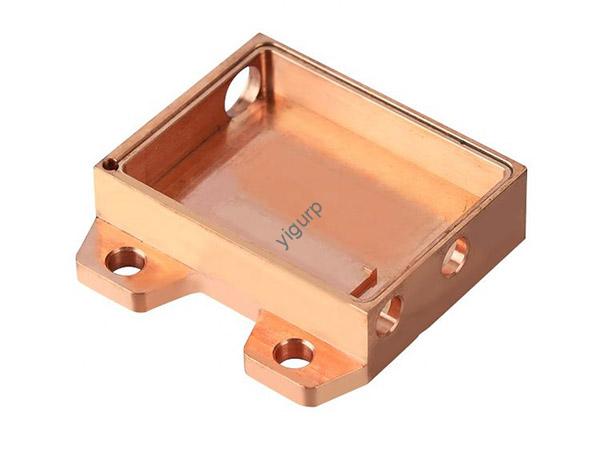
Se você trabalha na construção, fabricação, ou engenharia, bare steel is a material you’ll encounter daily. Ao contrário do aço revestido (galvanizado ou pintado), o aço puro não possui camada protetora – deixando suas propriedades naturais brilharem para aplicações específicas. Este guia explica o que é aço puro, como funciona, onde usá-lo, e como gerenciar seu impacto ambiental.
1. Aço nu: Propriedades dos materiais
Bare steel’s properties make it versatile, but its lack of coating also means tradeoffs (like rust). Here’s a clear breakdown of its key traits:
| Propriedade | Typical Values (Aço macio) | What It Means for Use |
|---|---|---|
| Dureza | 110–130 BHN | Soft enough to machine (drill/bend) but strong for structural work |
| Resistência à tracção | 370–500 MPa | Supports heavy loads (por exemplo, building beams) |
| Ductilidade | 20–30% elongation | Can stretch into shapes (por exemplo, fixadores) without breaking |
| Condutividade Térmica | 45 S/m·K | Transfers heat well (good for machinery parts) |
| Propriedades Magnéticas | Highly magnetic | Useful for electrical applications (por exemplo, transformadores) |
| Resistência à corrosão | Pobre (no coating) | Rusts quickly in wet environments—needs protection outdoors |
| Acabamento de superfície | Rough (mill scale residue) | Needs grinding/painting for visible projects |
Key Note: Bare steel’s lowresistência à corrosão is its biggest limitation. A construction company once left bare steel beams uncovered during rain—they rusted within 2 semanas, requiring sandblasting before use. Always protect bare steel outdoors!
2. Aço nu: Aplicações Industriais
Bare steel’s affordability and workability make it a staple in industries where coatings aren’t needed (or will be added later). Here are its top uses:
Construção
- Componentes estruturais: Bare steel beams, colunas, and rebar form the skeleton of buildings. Since these parts are often covered in concrete or paint later, the bare surface doesn’t matter. A skyscraper in Toronto used 5,000 tons of bare steel rebar—saved 15% contra. buying pre-coated rebar.
- Fixadores: Bare steel bolts and nuts are used for indoor framing (no moisture exposure).
Automotivo & Máquinas
- Mechanical engineering: Bare steel gears, rolamentos, and shafts are used in engines and factories. These parts are often lubricated (which prevents rust) or enclosed in casings.
- Peças automotivas: Bare steel is used for car chassis frames—automakers add paint or undercoating later to protect against rust.
Elétrica & Specialty Uses
- Electrical applications: Bare steel’s magnetic properties make it ideal for transformer cores and electric motor parts.
- Tools and machinery: Bare steel is forged into hammers, wrenches, and drill bits—heat treatment after forging boosts its hardness.
When to Avoid Bare Steel: Skip it for outdoor projects (por exemplo, fences, peças marítimas) or wet environments (por exemplo, bathrooms)—use galvanized or stainless steel instead.
3. Aço nu: Environmental Impact
Bare steel has both positive and negative environmental effects. Understanding them helps you use it more sustainably:
Environmental Challenges
- Rust: Bare steel oxidizes (rusts) when exposed to water and oxygen. Rust flakes off as waste, and corroded steel needs early replacement—creating more scrap. A study found that unprotected bare steel in coastal areas rusts 3x faster than inland.
- Carbon Footprint: Steel production (including bare steel) uses coal and emits CO₂. Traditional mills emit ~1.8 tons of CO₂ per ton of steel.
- Resource Depletion: Making new bare steel requires iron ore mining, which disrupts ecosystems.
Sustainable Solutions
- Recycling: Bare steel is 100% recyclable—recycling uses 74% less energy than making new steel and cuts CO₂ emissions by 75%. In the U.S., 81% of steel is recycled, including bare steel scrap from construction sites.
- Green Steel Initiatives: New mills use hydrogen instead of coal (called “green steel”), cutting emissions to near-zero. Companies like SSAB now produce green bare steel for eco-friendly projects.
- Waste Management: Collect rusted bare steel and send it to recyclers (not landfills). Many construction companies partner with scrap yards to recycle leftover bare steel beams.
Exemplo: A European construction firm recycled 200 tons of bare steel scrap from a project—saved enough energy to power 50 homes for a year.
4. Aço nu: Manufacturing Processes
Bare steel is made through standard steel production steps, with no final coating. Here’s how it’s created:
- Iron Ore Processing: Iron ore is crushed and mixed with coke (carvão) to make pig iron in a blast furnace.
- Siderurgia: Pig iron is refined in a basic oxygen furnace (BOF) or electric arc furnace (EAF) to remove impurities—this creates molten steel.
- Shaping Processes:
- Rolando: Molten steel is rolled into sheets, bares, or beams (hot rolling for thick parts, cold rolling for thin sheets).
- Forjamento: Hot steel is hammered or pressed into shapes (por exemplo, engrenagens, parafusos) for tools and machinery.
- Fundição: Molten steel is poured into molds to make large parts (por exemplo, blocos de motor).
- Tratamento térmico: Optional steps like recozimento (amolecimento) ou têmpera (endurecimento) adjust properties. Por exemplo, bare steel tools are quenched to boost hardness.
- Corte: Corte a laser ou corte a plasma trims bare steel to size for projects (por exemplo, vigas estruturais).
- No Coating: Unlike galvanized steel, bare steel skips the final zinc/paint layer—keeping costs low.
Verificação de qualidade: After manufacturing, bare steel is inspected for defects (por exemplo, rachaduras, uneven thickness) to ensure it meets strength specs.
Yigu Technology’s Perspective
Na tecnologia Yigu, we recommend bare steel for indoor, low-moisture projects where cost and workability matter—like structural framing or machinery parts. We source bare steel from mills with strong recycling programs to reduce environmental impact. For clients needing extra protection, we offer post-purchase services like painting or powder coating. We also help recycle leftover bare steel scrap, ensuring our clients meet sustainability goals while staying on budget.
Perguntas frequentes
- Can bare steel be painted to prevent rust?
Sim! Clean the bare steel first (remove mill scale with sandblasting), then apply a rust-inhibiting primer and topcoat. Painted bare steel can last 10+ years outdoors—just touch up chips every 2–3 years. - Is bare steel cheaper than galvanized steel?
Yes—bare steel costs 15–30% less than galvanized steel because it skips the zinc coating process. Use bare steel for indoor projects to save money; choose galvanized for outdoor use to avoid rust. - How do I recycle bare steel scrap?
Collect scrap (vigas, cuttings, old parts) and contact a local scrap yard—most accept bare steel for recycling. Some yards even pay for large quantities. Always remove non-steel materials (por exemplo, plástico, madeira) from scrap first.