
Quando se trata de plásticos de engenharia, poucos materiais oferecem a mesma combinação de versatilidade, durabilidade, and affordability as Plástico ABS. Abreviação de Acrilonitrila Butadieno Estireno, A ABS conquistou sua reputação como “difícil, duro, rígido” material que atende às demandas de inúmeras indústrias. De peças automotivas a eletrônicos de consumo, this thermoplastic polymer plays a crucial role in modern manufacturing. Neste guia, we’ll explore what makes ABS unique, its key properties, processos de fabricação, and why it remains a top choice for engineers and designers worldwide.
Understanding ABS Plastic: Composition and Core Properties
ABS plastic is a copolymer blend of three monomers, each contributing unique characteristics to the final material:
- Acrylonitrile: Provides chemical resistance and heat stability
- Butadiene: Adds impact strength and toughness
- Styrene: Offers rigidity, processabilidade, e um acabamento superficial liso
This combination creates a material with balanced properties that make it suitable for diverse applications. Let’s break down its key attributes:
General Performance Characteristics
ABS stands out for its practical everyday properties:
- Densidade: Aproximadamente 1.05 g/cm³, making it lightweight yet substantial
- Water Absorption: Baixo, typically less than 0.2% depois 24 hours of immersion
- Bonding Capabilities: Excellent adhesion with other materials, allowing for easy printing, pintura, e revestimento
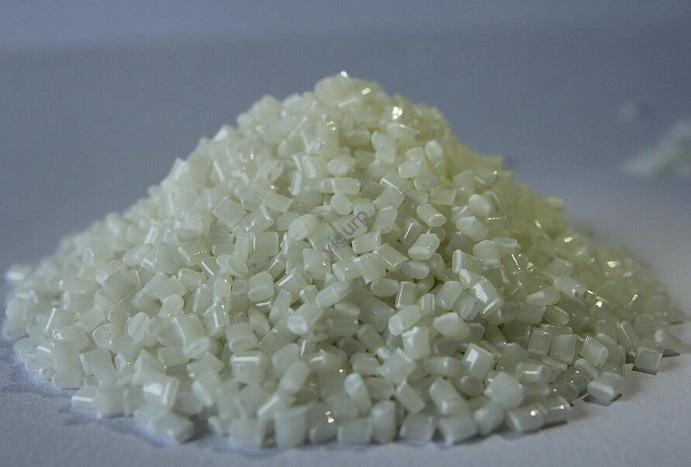
- Color Options: Available in natural (translucent ivory) or pre-colored variants, with excellent color retention
These general properties make ABS easy to work with and adaptable to various production needs.
Mechanical Strength and Durability
One of ABS’s greatest strengths is its impressive mechanical performance:
- Resistência ao Impacto: Excepcional, even at low temperatures down to -40°C
- Resistência ao desgaste: Excelente, supporting use in bearing applications under moderate loads
- Estabilidade Dimensional: Maintains shape under normal operating conditions
- Oil Resistance: Performs well in contact with petroleum-based fluids
- Resistência à tracção: Typically 30–50 MPa, providing good structural integrity
These mechanical properties explain why ABS is chosen for parts that need to withstand daily use and occasional impacts, from children’s toys to automotive components.
Thermal Performance Range
ABS offers reliable performance across a practical temperature spectrum:
- Thermal Deformation Temperature: 93–118°C, which can increase by approximately 10°C after annealing
- Continuous Use Temperature Range: -40°C a 100 °C
- Low-Temperature Toughness: Maintains some flexibility even at -40°C
- Ponto de fusão: Typically 200–240°C (392–464°F)
While not suitable for high-heat applications like engine compartments, ABS performs reliably in most consumer and industrial environments.
Electrical and Environmental Resistance
ABS provides practical protection and stability in various conditions:
- Isolamento Elétrico: Good insulation properties that remain consistent across temperature and humidity changes
- Resistência Química: Unaffected by water, inorganic salts, álcalis, and many acids
- Chemical Sensitivity: Soluble in ketones, aldehydes, and chlorinated hydrocarbons; susceptible to stress cracking from glacial acetic acid and vegetable oils
- Resistência às intempéries: Poor UV stability—outdoor exposure for six months can reduce impact strength by 50%
These properties make ABS ideal for indoor applications but require additives or coatings for extended outdoor use.
Advantages and Disadvantages of ABS Plastic
Like any material, ABS has distinct strengths and limitations that engineers must consider during material selection:
Key Advantages of ABS
- Resistência ao Impacto: Exceptional toughness that withstands drops and collisions, making it ideal for protective housings
- Relação resistência/peso: Good structural strength without excessive weight
- Processing Versatility: Compatible with numerous manufacturing methods including injection molding, 3Impressão D, e usinagem
- Acabamento de superfície: Easily achieves smooth, paintable surfaces suitable for consumer-facing products
- Custo-benefício: Balances performance and price better than many engineering plastics
- Colorabilidade: Takes colorants well and maintains consistent appearance in finished parts
Main Disadvantages of ABS
- UV Sensitivity: Degrades under prolonged sunlight exposure, requiring UV stabilizers for outdoor use
- Flammability: Classified as combustible with low fire resistance; releases toxic fumes when burned (though flame-retardant grades are available)
- Limited Heat Resistance: Deforms at relatively low temperatures compared to materials like polycarbonate
- Expansão Térmica: Higher coefficient of thermal expansion than metals, making tight tolerances challenging across temperature ranges
Understanding these pros and cons helps designers maximize ABS’s benefits while mitigating its limitations.
Manufacturing Processes for ABS Plastic Parts
ABS’s popularity stems partly from its compatibility with diverse manufacturing methods. The choice of process depends on production volume, complexidade da peça, and cost considerations:
Moldagem por injeção
The most common method for high-volume ABS production:
- Melhor para: 10,000+ parts with complex geometries and tight tolerances
- Vantagens: Alta eficiência, excellent repeatability, and minimal post-processing
- Aplicações Típicas: Caixas de eletrônicos de consumo, componentes interiores automotivos, peças de brinquedo
- Principal benefício: Ability to produce intricate details and consistent wall thicknesses
Usinagem CNC
Ideal for low-volume production and prototyping:
- Melhor para: 1–100 parts requiring precise dimensions and tight tolerances
- Vantagens: No mold costs, resposta rápida, and excellent dimensional accuracy
- Aplicações Típicas: Gabinetes personalizados, componentes mecânicos, protótipos funcionais
- Key Consideration: More material waste compared to molding processes
3Impressão D
Revolutionizing rapid prototyping with ABS:
- Most Common Technology: Modelagem de Deposição Fundida (FDM)
- Melhor para: Protótipos, peças personalizadas, e produção de baixo volume (1–50 pieces)
- Vantagens: Design freedom for complex geometries, no tooling costs
- Limitações: Layer lines may require post-processing for smooth finishes
- ABS-Like Alternatives: Available for SLA printers when finer details are needed
Other Manufacturing Methods
Additional processes suitable for specific applications:
- Extrusão: Produces continuous profiles like tubes, varas, and sheets
- Moldagem por sopro: Creates hollow parts such as containers and automotive components
- Termoformagem: Shapes ABS sheets into large parts like trays, painéis, and housings
| Manufacturing Method | Volume Range | Tempo de espera | Custo por peça (Alto volume) | Melhor para |
| Moldagem por injeção | 10,000+ | 4–8 semanas (ferramentas) | Lowest | Complexo, peças de alto volume |
| Usinagem CNC | 1–100 | 1–5 dias | Mais alto | Protótipos, peças personalizadas |
| 3Impressão D | 1–50 | 1–3 dias | Alto | Protótipos complexos, peças pequenas |
| Extrusão | 100+ | 1–2 semanas | Baixo | Sheets, tubos, profiles |
| Termoformagem | 100–10.000 | 2–4 semanas | Moderado | Grande, shallow parts |
Major Applications of ABS Plastic Across Industries
ABS’s balanced properties make it indispensable across numerous sectors. Here’s where it’s most commonly used:
Indústria Automotiva
A major consumer of ABS plastic:
- Interior Components: Dashboards, painéis de instrumentos, door trim, capas de volante
- Exterior Parts: Grilles, caixas de espelho, bumper components, and ventilation systems
- Peças Funcionais: Acoustic panels, door locks, and cable housings
- Vantagem: Withstands cabin temperatures while providing impact resistance and aesthetic appeal
Eletrônicos de consumo
Dominates in device enclosures and components:
- Computing: Laptop and desktop housings, keyboard frames, mouse bodies
- Mobile Devices: Capas de telefone, tablet covers, and accessory housings
- Home Electronics: TV bezels, controles remotos, audio equipment enclosures
- Propriedades principais: Isolamento elétrico, resistência ao impacto, and clean aesthetics
Eletrodomésticos
Found in numerous home devices:
- Kitchen Appliances: Blender bases, coffee maker housings, toaster exteriors
- Cleaning Equipment: Vacuum cleaner bodies, handle grips
- Climate Control: Air conditioner panels, heater housings
- Benefícios: Chemical resistance to cleaning agents and durability for daily use
Toys and Recreation
A staple material in play products:
- Children’s Toys: Blocos de construção, bonecos de ação, doll accessories
- Outdoor Equipment: Helmet shell,skateboard components, peças de bicicleta
- Fabricação de modelos: Asas de aeronave, scale models, hobby components
- Why ABS?: Segurança, durabilidade, and ability to be molded into intricate shapes
Dispositivos Médicos
Used in non-implantable medical equipment:
- Instrument Housings: Protective casings for medical devices
- Equipamento de Laboratório: Sample containers, testing apparatus components
- Disposables: Some syringe components and medical tool handles
- Qualities: Resistência química, ease of sterilization, e durabilidade
ABS versus. Similar Engineering Plastics
How does ABS compare to other common engineering plastics? Here’s a performance comparison:
| Propriedade | ABS | Poliestireno (PS) | Polipropileno (PP) | Policarbonato (PC) | Nylon (PA) |
| Resistência ao Impacto | Excelente | Pobre | Bom | Excelente | Excelente |
| Resistência ao Calor | Moderado (93–118°C) | Baixo (60–80ºC) | Moderado (100–120ºC) | Alto (120–140°C) | Alto (150–200ºC) |
| Resistência Química | Bom | Pobre | Excelente | Moderado | Bom |
| Resistência UV | Pobre | Pobre | Bom | Moderado | Pobre |
| Custo | Moderado | Lowest | Baixo | Alto | Alto |
| Processabilidade | Excelente | Excelente | Bom | Bom | Bom |
| Transparência | Opaque | Transparente | Translucent | Transparente | Opaque |
This comparison shows why ABS remains a top choice—it offers the best balance of impact resistance, processabilidade, and cost for many applications.
Tips for Working with ABS Plastic
To get the best results when designing or manufacturing with ABS, consider these expert recommendations:
Design Considerations
- Wall Thickness: Maintain 1–3mm for optimal strength; avoid sudden thickness changes
- Corners: Use radiused corners (minimum 0.5mm) to reduce stress concentrations
- Ângulos de inclinação: Include 1–2° draft for molded parts to facilitate easy ejection
- Ribs and Bosses: Reinforce with ribs (height ≤3× wall thickness) para evitar empenamento
Processing Best Practices
- 3Impressão D: Use heated build plates (100–110ºC) and enclosed chambers to prevent warping
- Moldagem: Maintain melt temperatures between 220–250°C for optimal flow
- Usinagem: Use sharp tools and moderate feed rates to avoid melting
- Pós-processamento: Easily accepts painting, chapeamento, and bonding with cyanoacrylate adhesives
Mitigating Limitations
- UV Exposure: Add UV stabilizers or apply protective coatings for outdoor use
- Heat Sensitivity: Avoid applications with continuous temperatures above 80°C
- Flammability: Specify flame-retardant grades (UL94 V0) para aplicações elétricas
- Estabilidade Dimensional: Design with thermal expansion in mind for precision applications
Perspectiva da Tecnologia Yigu
Na tecnologia Yigu, we recognize ABS as a foundational material in rapid prototyping and production. Its unique balance of strength, processabilidade, and cost makes it indispensable for bridging prototype and production. We leverage ABS in vacuum molding and CNC machining for functional prototypes that accurately simulate final products. When paired with proper design considerations, ABS consistently delivers reliable performance across our clients’ most demanding applications.
Perguntas frequentes
1. Is ABS plastic food-safe?
While general-purpose ABS isn’t certified food-safe, specific food-grade ABS formulations are available. These meet FDA standards for food contact, though they’re less common than food-safe alternatives like PP or HDPE. Always verify certification for food applications.
2. Can ABS plastic be recycled?
Sim, ABS is technically recyclable ( resin identification code #7). No entanto, it’s not as widely recycled as PET or PP. Many industrial facilities accept post-industrial ABS scrap, but consumer recycling programs vary by location. Recycled ABS may have slightly reduced mechanical properties.
3. How does ABS hold up in outdoor applications?
Unmodified ABS performs poorly outdoors due to UV degradation. No entanto, adding UV stabilizers or applying protective coatings can extend its outdoor lifespan to 1–3 years. For longer outdoor use, consider more UV-resistant materials like PP or PC blended with ABS.