
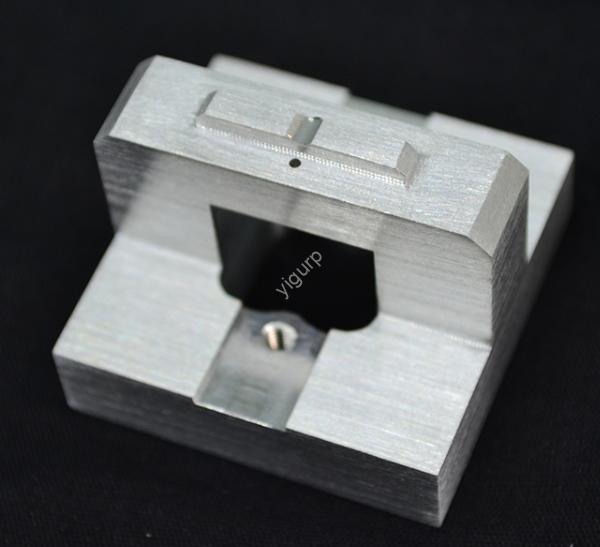
Para engenheiros de produto e equipes de compras no setor de comunicação, ABS communication equipment prototype model proofing is a critical step in new product development. ABS (Acrilonitrila Butadieno Estireno) é a melhor escolha para esses protótipos - sua resistência, processamento fácil, e a compatibilidade com tratamentos de superfície o tornam ideal para testar dispositivos como roteadores, 5G base station components, and satellite receivers. Abaixo, we break down the full proofing process with real cases and data to help you avoid mistakes and ensure your prototype meets industry standards.
1. Seleção de Materiais: Picking ABS and Complementary Materials
The first step to a reliable ABS communication equipment prototype is choosing materials that match your device’s needs. ABS is the core, but other polymers can enhance specific performance.
Materials for ABS Communication Equipment Prototypes
| Material | Propriedades principais | Ideal Communication Equipment Uses |
| Plástico ABS | Alta resistência ao impacto (22 kj/), good tensile strength (43 MPa), easy to machine/spray | Prototype casings for routers, base station control panels |
| PC (Policarbonato) | Resistência ao calor (até 135°C), alta resistência ao impacto | Heat-exposed parts of 5G transceivers, outdoor antenna housings |
| PMMA (Acrílico) | 92% transmitância de luz, resistente a riscos | Display windows for communication test equipment |
| POM (Polioximetileno) | Excellent dimensional stability, baixo atrito | Internal gears for adjustable satellite dishes |
Real Case: A telecom brand built a prototype for an outdoor Wi-Fi router using pure ABS. But after testing, the casing cracked under extreme heat (60°C). By blending ABS with 25% PC, they improved heat resistance—solving the problem and passing outdoor durability tests.
Always align materials with your device’s environment: For indoor equipment (por exemplo, home routers), pure ABS works. For outdoor gear, mix ABS with PC to resist weather and heat.
2. Fase de projeto: Building a Precise Blueprint
A flawed design can ruin even the best ABS prototype. This phase ensures your ABS communication equipment prototype functions as intended.
Two Critical Design Steps:
- 3D Model Creation: Use software like SolidWorks, UG NX, or Catia to build a detailed 3D model. Include every detail—from the size of antenna ports in an ABS base station prototype to the curve of a router’s grip. A 0.15mm error in the model can lead to misaligned internal components later.
- Design Analysis: Use simulation tools to test stress, deformação, and signal interference. Por exemplo, an ABS prototype of a 5G small cell was tested for how much wind pressure it could handle. The analysis found a weak spot in the top cover—reinforcing it early saved 3 weeks of rework.
Industry data shows: 68% of prototype rejections come from untested designs. Não pule esta etapa!
3. Programming Phase: Preparing for CNC Machining
Clear programming ensures your CNC machine shapes ABS material accurately into your ABS communication equipment prototype.
Key Programming Steps:
- Programação CAM: Convert your 3D model into CNC-readable code using tools like Mastercam or SolidCam. For an ABS prototype of a satellite receiver, the code specifies where to cut signal input slots and how smooth to make the inner surface (critical for signal flow).
- Program Testing: Use simulation software to check for errors (por exemplo, colisões de ferramentas). A European communication firm once found a collision risk in their code—fixing it before machining prevented $3,000 in wasted ABS material and 2 days of delays.
This phase takes 1–2 days on average but reduces machining errors by 70%.
4. Processing Stage: Shaping the ABS Prototype
CNC machining is the workhorse here, turning raw ABS material into a functional ABS communication equipment prototype.
Usinagem & Monitoring Tips:
- Choose the Right CNC Machine: Use 3-axis machines for simple parts (por exemplo, ABS router brackets) and 5-axis machines for complex shapes (por exemplo, curved ABS casings for 5G repeaters). 5-axis machining cuts production time by 40% for intricate designs.
- Real-Time Measurement: Use tools like coordinate measuring machines (CMMs) or 2.5D projectors to check dimensions as you go. For an ABS prototype of a fiber optic modem, CMMs ensure the port holes are exactly 8mm in diameter—critical for connecting cables.
Real Case: A US-based telecom firm used 5-axis machining for an ABS prototype of a 5G macro base station component. The prototype met all size requirements on the first try, avoiding 2 weeks of rework.
5. Post-Processing Stage: Polishing the Prototype
Post-processing makes your ABS communication equipment prototype look and perform like the final product.
Essential Post-Processing Steps:
- Rebarbação: Use 200–400 grit sandpaper to smooth knife marks and burrs. An ABS prototype of a router once had sharp edges that could damage cables—deburring fixed this in 20 minutos.
- Tratamento de superfície: Customize based on needs:
- Pintura: Use anti-static paint for ABS casings (critical for communication devices to avoid signal interference).
- Silk Screen Printing: Add labels (por exemplo, “Power” or “Antenna”) to ABS control panels.
- Galvanoplastia: Add a metal finish for parts that need conductivity (por exemplo, ABS connector ports on modems).
6. Assembly Testing: Ensuring Functionality
Even a well-machined prototype fails if it doesn’t assemble or work correctly. This phase validates your ABS communication equipment prototype for real use.
Must-Do Tests:
- Test Assembly: Put all parts (por exemplo, ABS casing + internal circuit boards) together. A Chinese telecom brand found their ABS prototype of a 5G router had a loose antenna mount—adjusting the ABS slot fixed it.
- Teste Funcional: Simulate real-world use:
- For an ABS prototype of a router: Test signal strength and Wi-Fi coverage.
- For an ABS prototype of a base station component: Check heat dissipation during long-term operation.
82% of successful communication equipment launches include 2+ rounds of functional testing on prototypes.
7. Controle de qualidade: Meeting Industry Standards
Strict quality control ensures your ABS communication equipment prototype meets the communication industry’s high standards.
Quality Steps:
- Multiple Checkpoints: Test materials, projeto, usinagem, e montagem. Substandard parts are reworked immediately.
- Follow Certifications: Adhere to ISO 9001 (qualidade geral) and telecom-specific standards (por exemplo, 3GPP for 5G devices). These standards ensure traceability—if a problem arises, you can pinpoint where it happened.
Yigu Technology’s Perspective
Na tecnologia Yigu, we’ve supported 350+ communication brands with ABS communication equipment prototype model proofing. We believe success lies in balancing precision and efficiency: using 5-axis CNC for complex parts cuts lead times, while ISO 9001 and 3GPP checks guarantee quality. We always prioritize design analysis and signal testing—this saves clients time and reduces rework. For ABS prototypes, every step matters, and our process ensures your prototype is ready for testing and mass production.
Perguntas frequentes
- P: How long does ABS communication equipment prototype model proofing take?
UM: Typically 6–12 days. Peças simples (por exemplo, ABS router brackets) take 6 dias, while complex prototypes (por exemplo, 5G base station components) take 12 days with 5-axis machining.
- P: Can ABS prototypes handle outdoor communication equipment tests?
UM: Yes—by blending ABS with 20–30% PC, prototypes can resist temperatures from -40°C to 70°C, meeting most outdoor telecom standards. We test this during the material selection phase.
- P: Is ABS more cost-effective than PC for communication prototypes?
UM: Yes—ABS costs ~35% less than PC. It’s ideal for indoor devices (por exemplo, home routers). For outdoor gear, mix ABS with PC to balance cost and weather resistance.