
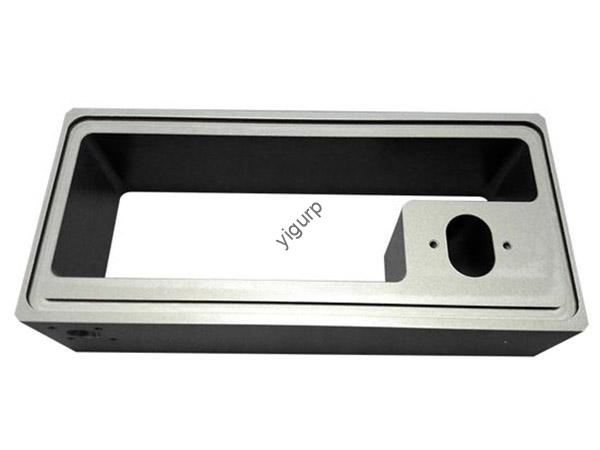
O aço para ferramentas A2 é versátil, aço para ferramentas para trabalho a frio endurecido ao ar, conhecido por sua mistura equilibrada de resistência, resistência ao desgaste, e resistência. Ao contrário dos aços para ferramentas com alto teor de carbono que exigem têmpera rápida, its unique composição química (rico em cromo) permite o resfriamento do ar durante o tratamento térmico, simplificando a fabricação e proporcionando desempenho confiável. É a melhor escolha para ferramentas de corte, morre, and industrial components that demand durability under repeated use. Neste guia, vamos detalhar suas principais características, usos no mundo real, processos de fabricação, e como ele se compara a outros materiais, helping you select it for tooling projects that need both strength and workability.
1. Key Material Properties of A2 Tool Steel
The performance of A2 tool steel stems from its precisely calibrated composição química, which shapes its robust propriedades mecânicas, consistente propriedades físicas, and practical working characteristics.
Composição Química
A2 tool steel’s formula is optimized for cold work applications, with fixed ranges for key elements:
- Conteúdo de carbono: 0.50-0.60% (balances hardness and toughness—high enough for wear resistance, low enough to avoid brittleness)
- Conteúdo de cromo: 4.75-5.50% (the star element—enhances resistência ao desgaste and enables air-hardening, reducing distortion during heat treatment)
- Manganese content: 0.80-1.20% (boosts hardenability and tensile strength without sacrificing ductility)
- Silicon content: 0.15-0.30% (aids in deoxidation during manufacturing and improves high-temperature stability)
- Phosphorus content: ≤0.030% (strictly controlled to prevent cold brittleness, critical for tools used in low-temperature environments)
- Sulfur content: ≤0.030% (minimized to maintain toughness and avoid cracking during forming or machining)
Propriedades Físicas
A2 tool steel has consistent physical characteristics that simplify design for tooling applications:
| Propriedade | Fixed Typical Value |
| Densidade | ~7.85 g/cm³ |
| Condutividade térmica | ~20 W/(m·K) (at 20°C—lower than carbon steel, requiring slower heating during heat treatment) |
| Specific heat capacity | ~0.49 kJ/(kg·K) (a 20ºC) |
| Coefficient of thermal expansion | ~12 x 10⁻⁶/°C (20-500°C—minimizes distortion during cooling) |
| Magnetic properties | Ferromagnetic (retains magnetism in all heat-treated states, unlike austenitic stainless steels) |
Propriedades Mecânicas
After standard heat treatment (recozimento + têmpera + têmpera), A2 tool steel delivers exceptional cold work performance:
- Resistência à tracção: ~1300-1600 MPa (higher than low-alloy tool steels like A6)
- Força de rendimento: ~1000-1200 MPa (ensures tools resist permanent deformation under load)
- Alongamento: ~10-15% (em 50 mm—retains enough ductility to absorb impact, unlike brittle high-carbon steels)
- Dureza (Rockwell): ~52-60 HRC (adjustable via tempering—52-55 HRC for tough tools like punches, 58-60 HRC for wear-resistant tools like dies)
- Força de fadiga: ~550-650 MPa (at 10⁷ cycles—ideal for tools under repeated stress, like stamping dies)
- Resistência ao impacto: ~30-40 J/cm² (superior to D2 tool steel, reducing risk of sudden tool failure)
Outras propriedades críticas
- Resistência ao desgaste: Very good—chromium forms hard carbides that resist abrasion, making it suitable for cutting and forming tools.
- Red hardness: Moderate—retains hardness up to ~300°C (less than high-speed steel like M2 but sufficient for cold work applications).
- Machinability before heat treatment: Good—annealed A2 (hardness ~200 Brinell) is easy to machine with HSS or carbide tools; avoid machining after hardening (high hardness damages tools).
- Weldability: Fair—high carbon and chromium content increase cracking risk; preheating (300-400°C) and post-weld tempering are required to restore toughness.
2. Real-World Applications of A2 Tool Steel
A2 tool steel’s balance of resistência ao desgaste, resistência, and air-hardening capability makes it ideal for cold work and general tooling needs. Here are its most common uses:
Ferramentas de corte
- Drill bits: A2 drill bits for metalworking resist dulling when drilling steel or aluminum—last 2x longer than high-carbon steel bits.
- Milling cutters: End mills and face mills use A2—its wear resistance maintains sharp edges during repeated cutting of ferrous metals.
- Turning tools: Lathe tools for shaping metal parts rely on A2’s hardness (58-60 CDH) to handle high cutting forces.
Exemplo de caso: A tool manufacturer replaced high-carbon steel (1095) with A2 for metal drill bits. The A2 bits lasted 150+ buracos (contra. 70 holes for 1095) and reduced customer complaints about dulling by 65%.
Ferramentas de formação
- Morre: Stamping dies for sheet metal (por exemplo, painéis de carroceria automotiva) use A2—toughness resists chipping, and wear resistance ensures consistent part quality over 100,000+ stampings.
- Punches: Hole punches for steel or plastic use A2—its impact toughness (30-40 J/cm²) prevents breakage when punching thick materials.
- Stamping tools: Blanking tools for creating flat metal parts (por exemplo, arruelas) rely on A2’s hardness to cut cleanly without edge wear.
Máquinas Industriais
- Engrenagens: Heavy-duty industrial gears (por exemplo, in conveyor systems) use A2—wear resistance handles metal-on-metal contact, and fatigue strength resists repeated load cycles.
- Eixos: Drive shafts for small machinery use A2—tensile strength (1300-1600 MPa) withstands torque, e resistência à corrosão (better than plain carbon steel) reduces rust in factory environments.
- Válvulas: Control valves for industrial fluids use A2—hardness prevents valve seat wear, ensuring tight seals for years.
Médico & Aerospace Industries
- Instrumentos médicos: Surgical scalpels and orthopedic bone punches use A2—sharpness retention (from high hardness) e biocompatibilidade (no toxic elements) make it safe for medical use.
- Indústria aeroespacial: Small aircraft components (por exemplo, fastener dies) use A2—its strength-to-weight ratio and resistance to vibration fatigue meet aerospace standards.
3. Manufacturing Techniques for A2 Tool Steel
Producing A2 tool steel requires precision to maintain its chemical balance and ensure consistent heat treatment results. Here’s the process:
1. Metallurgical Processes (Purity & Composition Control)
- Electric Arc Furnace (EAF): The primary method—scrap steel, cromo, manganês, and carbon are melted at 1,650-1,750°C. Sensors monitor composição química to keep elements within A2’s fixed ranges (por exemplo, 4.75-5.50% cromo).
- Vacuum Arc Remelting (VAR): Used for high-precision applications (por exemplo, instrumentos médicos)—melts the alloy in a vacuum to remove gas bubbles and impurities, ensuring ultra-pure A2 with uniform carbide distribution.
2. Rolling Processes
- Hot rolling: The molten alloy is cast into ingots, heated to 1,100-1,200°C, and rolled into bars, pratos, or sheets. Hot rolling breaks down large carbides, improving uniformity.
- Cold rolling: Used for thin sheets (por exemplo, stamping die blanks)—cold-rolled at room temperature to improve surface finish and dimensional accuracy. Cold rolling increases hardness, so annealing follows to restore machinability.
3. Tratamento térmico (Critical for Performance)
A2’s air-hardening trait is key to its usability—here’s the standard heat treatment cycle:
- Recozimento: Heated to 850-900°C and held for 2-4 horas, então esfriou lentamente (50°C/hora) to ~600°C. Reduces hardness to ~200 Brinell, making it easy to machine.
- Têmpera: Heated to 950-1000°C (austenitizing) and held for 30-60 minutos (dependendo da espessura da peça), then cooled in still air. Air cooling avoids distortion (unlike water quenching) and hardens the steel to ~60-62 HRC.
- Temperamento: Reheated to 150-500°C (adjustable for desired hardness) and held for 1-2 horas, then air-cooled. Low tempering (150-200°C) retains high hardness (58-60 CDH) for wear-resistant tools; high tempering (400-500°C) reduces hardness to 52-55 HRC for tough tools like punches.
- Normalizing: Rarely used—annealing is preferred for A2, as normalizing (faster cooling) can increase hardness beyond machinable levels.
4. Forming and Surface Treatment
- Forming methods:
- Press forming: Uses hydraulic presses to shape A2 plates into die cavities or punch heads (done before heat treatment, when the steel is soft).
- Dobrando: Creates simple tool shapes (por exemplo, bracket dies) via precision bending machines—only done in the annealed state.
- Usinagem: CNC mills and lathes shape A2 into complex tool geometries (por exemplo, milling cutter teeth) when annealed. Carbide tools are recommended for faster machining.
- Moagem: After heat treatment, moagem (with diamond wheels) refines tool edges to tight tolerances (por exemplo, ±0.001 mm for surgical scalpels).
- Tratamento de superfície:
- Hard chrome plating: Adds a 5-10 μm chrome layer to tool surfaces—boosts resistência ao desgaste por 30% (ideal for stamping dies).
- Nitriding: Heated to 500-550°C in a nitrogen atmosphere—forms a hard nitride layer (5-15 μm) on the surface, improving wear resistance without affecting core toughness.
- Revestimento (PVD/CVD): Revestimentos finos (por exemplo, titanium nitride via PVD) are applied to cutting tools—reduces friction and extends tool life by 2-3x.
5. Controle de qualidade (Tool Performance Assurance)
- Teste de dureza: Uses Rockwell C testers to verify post-tempering hardness (52-60 CDH) —critical for ensuring tool performance.
- Análise microestrutural: Examines the alloy under a microscope to confirm uniform carbide distribution (no large carbides that cause chipping).
- Inspeção dimensional: Uses coordinate measuring machines (CMM) to check tool dimensions—ensures parts meet design specs (por exemplo, die cavity size).
- Teste de impacto: Conducts Charpy V-notch tests to verify impact toughness (~30-40 J/cm²)—prevents brittle failure in tools like punches.
- Teste de desgaste: Simulates real-world use (por exemplo, stamping cycles) to measure tool life—ensures A2 tools meet customer durability expectations.
4. Estudo de caso: A2 Tool Steel in Automotive Stamping Dies
An automotive parts manufacturer used D2 tool steel for stamping dies that create steel door panels. The D2 dies chipped after 50,000 stampings and required frequent regrinding, costing $10,000 monthly in downtime. They switched to A2 tool steel, with the following results:
- Toughness & Durabilidade: A2 dies lasted 150,000 stampings (3x longer than D2) and showed no chipping—thanks to A2’s higher impact toughness (30-40 J/cm² vs. 20-25 J/cm² for D2).
- Maintenance Savings: Regrinding frequency dropped from once per week to once per month, reducing downtime by 75% and saving $7,500 mensal.
- Custo-benefício: While A2 costs 10% more than D2 per die, the longer lifespan and lower maintenance saved the manufacturer $90,000 anualmente.
5. A2 Tool Steel vs. Outros materiais
How does A2 tool steel compare to other common tool steels and high-performance materials? Let’s break it down with a detailed table:
| Material | Custo (contra. A2) | Dureza (CDH) | Impact Toughness (J/cm²) | Resistência ao desgaste | Red Hardness (Temperatura máxima) | Usinabilidade (Annealed) |
| Aço ferramenta A2 | Base (100%) | 52-60 | 30-40 | Muito bom | ~300°C | Bom |
| A6 Tool Steel | 80% | 45-50 | 45-55 | Bom | ~250°C | Muito bom |
| Aço ferramenta D2 | 120% | 58-62 | 20-25 | Excelente | ~350°C | Pobre |
| M2 High-Speed Steel (HSS) | 200% | 60-65 | 25-30 | Excelente | ~600°C | Justo |
| Liga de titânio (Ti-6Al-4V) | 500% | 30-35 | 50-60 | Bom | ~400°C | Pobre |
Adequação da aplicação
- Cold Stamping Dies: A2 is better than D2 (mais difícil, less chipping) and cheaper than M2—ideal for high-volume stamping.
- Ferramentas de corte (Drill Bits): A2 outperforms A6 (melhor resistência ao desgaste) and is more cost-effective than M2 for non-high-speed cutting.
- Instrumentos Médicos: A2 is superior to D2 (more ductile, easier to sharpen) and cheaper than titanium—safe for surgical use.
- Industrial Gears: A2 balances strength and toughness better than A6, making it suitable for gears under moderate load.
Yigu Technology’s View on A2 Tool Steel
Na tecnologia Yigu, we see A2 tool steel as a versatile workhorse for cold work and general tooling. Its balanced resistência ao desgaste, resistência, and air-hardening capability make it ideal for our clients in automotive, médico, and industrial tooling. We often recommend A2 for stamping dies, brocas, and surgical tools—where it delivers better durability than A6 and more toughness than D2. While it lacks M2’s high red hardness, its lower cost and easier machining make it a practical choice for most non-high-temperature applications, aligning with our goal of sustainable, soluções econômicas.
Perguntas frequentes
1. Can A2 tool steel be used for high-temperature applications?
No—A2 has moderate dureza vermelha (retains hardness up to ~300°C). For high-temperature uses (por exemplo, hot forging dies), choose high-speed steel like M2 (red hardness up to ~600°C) or heat-resistant alloys. A2 is best for cold work (room-temperature to 300°C).
2. Is A2 tool steel easy to machine?
Yes—when annealed (hardness ~200 Brinell), A2 has boa usinabilidade with standard HSS or carbide tools. Avoid machining after heat treatment (52-60 CDH), as high hardness damages tools. Annealing before machining saves time and tool costs.
3. How does A2 tool steel compare to D2 tool steel for dies?
A2 is tougher (30-40 J/cm² vs. 20-25 J/cm² for D2) and less likely to chip, making it better for stamping dies that handle impact. D2 has better resistência ao desgaste but is brittle. Choose A2 for high-impact dies; D2 for low-impact, high-wear dies (por exemplo, blanking thin sheets).