
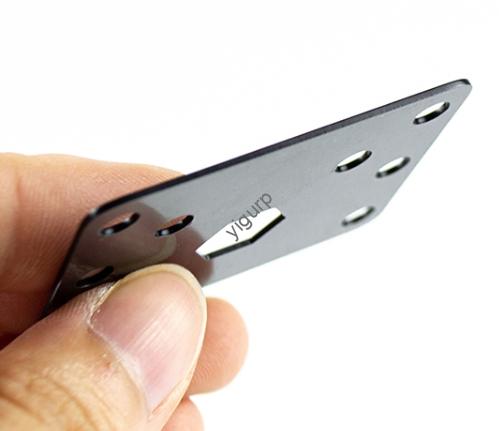
No mundo acelerado do desenvolvimento de produtos eletrônicos digitais, passando de um conceito de design para um tangível, protótipo testável é decisivo. Atrasos na prototipagem podem significar falta de janelas de mercado, enquanto métodos de produção inflexíveis podem sufocar a inovação. That’s where3D printed electronic digital prototype models come in. Esta tecnologia se tornou uma pedra angular para engenheiros, designers, e empresas, solving key pain points in R&D by combining speed, precisão, e custo-benefício. Abaixo, we’ll break down how it works, its core benefits, aplicações do mundo real, and why it’s essential for modern electronic product development.
How 3D Printing Creates Electronic Digital Prototype Models: A Step-by-Step Breakdown
3D printing for electronic digital prototypes isn’t just about “printing a plastic part”—it’s a streamlined process that turns digital designs into functional, test-ready models. Ao contrário da fabricação tradicional (which requires expensive molds or complex tooling), 3D printing uses anfabricação aditiva approach: building parts layer by layer from digital files. Here’s a simple, actionable breakdown of the process:
- Digital Design Finalization: Engineers start with a 3D CAD (Design Assistido por Computador) file of the electronic product (por exemplo, a smartphone casing, a wearable sensor, or a circuit board housing). Tools like SolidWorks or Fusion 360 are used to refine details—such as port placements, internal cavities for components, or structural supports.
- Seleção de Materiais: For electronic prototypes, the right material is critical. As opções comuns incluem:
- Plástico ABS: Ideal for durable, peças resistentes ao impacto (por exemplo, laptop chassis prototypes).
- Resinas (UV-Curable): Perfect for high-detail parts (por exemplo, small sensor enclosures with fine grooves).
- Metal Alloys (por exemplo, Alumínio, Titânio): Used for heat-resistant or high-strength prototypes (por exemplo, drone motor housings).
- 3D Printer Setup: The CAD file is sliced into thin layers (usually 0.1–0.3mm thick) using software like Cura. The printer then heats or cures the material layer by layer, following the sliced design.
- Pós-processamento: Depois de imprimir, the prototype is cleaned (por exemplo, removing excess resin or support structures) and may be sanded or painted to mimic the final product’s appearance. For functional testing, componentes eletrônicos (like PCBs or batteries) are often integrated at this stage.
This process eliminates the need for tooling, which can take weeks or months with traditional methods. Por exemplo, a simple smartphone casing prototype that once took 4–6 weeks to make with injection molding can now be 3D printed in24–48 horas.
Why 3D Printed Electronic Digital Prototypes Are a Game-Changer for R&D
For electronic product teams, the goal of prototyping is clear: validate designs, funcionalidade de teste, and gather feedback fast.3D printed prototypes excel at this by addressing three core R&D challenges: tempo, custo, e flexibilidade. Let’s quantify these benefits with data and examples:
| Beneficiar | Traditional Prototyping (por exemplo, Moldagem por injeção) | 3D Printed Prototyping | Key Impact for Electronic Products |
|---|---|---|---|
| Time to Prototype | 4–8 semanas (due to mold creation) | 1–3 dias (direct from CAD file) | Cut R&D timelines by 90%—launch products faster. |
| Cost for Small Runs | $5,000–$20,000 (mold tooling alone) | $50–$500 per prototype (material + trabalho) | Reduce upfront costs by 95%—test more designs. |
| Flexibilidade de projeto | Limitado (molds can’t easily be modified) | Alto (CAD files edited in hours; no tooling changes) | Test 5–10 design iterations vs. 1–2 traditionally. |
Real-World Example: Wearable Tech Startup
A startup developing a smart fitness tracker faced a problem: their initial prototype’s wristband was uncomfortable, and the sensor housing blocked signal. With traditional prototyping, fixing this would have required a new mold ($8,000) e 6 weeks of waiting. Em vez de, they used 3D printing:
- They edited the CAD file to adjust the wristband’s curvature and sensor housing shape (2 hours of work).
- Printed 3 new prototypes in 3 dias ($120 total).
- Tested with users, refined once more, and had a final prototype ready in 1 semana.
This saved them $7,880 e 5 weeks—critical for a small team racing to launch.
Key Applications of 3D Printed Electronic Digital Prototypes
3D printing isn’t just for “quick fixes”—it’s used across the entire electronic product lifecycle, from early concept testing to pre-production. Here are the most common, high-impact use cases:
1. Concept Validation (Early-Stage R&D)
Before investing in full-scale production, teams need to confirm that a design “works” visually and ergonomically.3D printed prototypes let them:
- Test how a product feels in hand (por exemplo, a wireless earbud’s weight and shape).
- Check if components fit (por exemplo, a battery pack inside a tablet prototype).
- Gather stakeholder feedback fast (por exemplo, showing a 3D printed smartwatch case to executives for approval).
2. Teste Funcional (Mid-Stage R&D)
Assim que o design estiver finalizado, prototypes are used to test performance under real conditions. For electronic products, this includes:
- Durability Testing: Dropping a 3D printed smartphone prototype to check for structural damage.
- Thermal Testing: Using heat-resistant 3D printed parts (por exemplo, metal alloy CPU coolers) to test how a laptop handles overheating.
- Signal Testing: Ensuring 3D printed antenna housings don’t block Wi-Fi or Bluetooth signals.
3. Produção em pequenos lotes (Pre-Launch)
For products that need rapid iteration or personalized designs (por exemplo, custom medical devices or limited-edition gadgets), 3D printing enableslow-cost small-batch production:
- A company making custom hearing aids uses 3D printing to produce 10–20 prototypes per patient, tailoring the fit to their ear canal.
- A tech brand creating a limited-edition gaming mouse printed 500 prototypes to test different grip styles before mass production.
Yigu Technology’s Perspective on 3D Printed Electronic Digital Prototypes
Na tecnologia Yigu, we’ve seen firsthand how 3D printed electronic digital prototype models transform our clients’ R&D workflows—especially for startups and mid-sized enterprises. Many of our partners once struggled with long lead times and high tooling costs, which slowed their ability to innovate. Com impressão 3D, they now test 3–4 design iterations in the time it took to make one traditional prototype. We believe this technology isn’t just a “nice-to-have”—it’s a necessity for staying competitive in electronics. As 3D printing materials (like conductive resins for circuit boards) advance, we’ll see even more integration between prototyping and final production, making the gap from design to market even smaller.
Perguntas frequentes:
1. Can 3D printed electronic prototypes handle real-world functional testing?
Sim! While early 3D prints were often “visual only,” modern materials (like high-temperature resins or metal alloys) are durable enough for rigorous testing—including drop tests, thermal cycling, and even basic electrical integration (por exemplo, mounting PCBs in 3D printed housings).
2. Is 3D printing cost-effective for large-scale electronic prototype runs?
3D printing shines for small to medium runs (1–100 prototypes). Para corridas de 500+ unidades, traditional methods like injection molding may become cheaper—but 3D printing is still better for rapid iteration or personalized designs (por exemplo, custom-sized medical devices).
3. What’s the most common mistake teams make when 3D printing electronic prototypes?
Skipping post-processing! Even high-quality 3D prints need cleaning (por exemplo, removing resin residue) or minor sanding to ensure components fit properly. Forgetting this step can lead to inaccurate test results (por exemplo, a sensor not aligning with a 3D printed housing).