
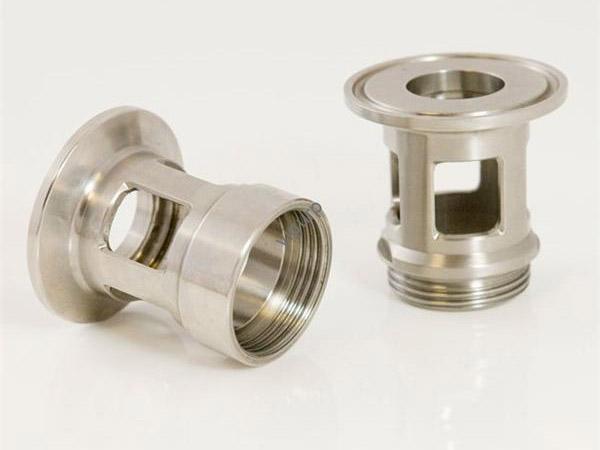
If your project involves harsh environments—think saltwater, strong chemicals, or repeated high heat—you need a stainless steel that won’t fail at the welds or corrode from the inside out. JIS SUS316L stainless steel is engineered for exactly these conditions. As the low-carbon version of standard SUS316, it offers the same molybdenum-based corrosion resistance with one critical upgrade: it prevents intergranular corrosion, the hidden cracking that can occur after welding or high-temperature exposure. This guide walks you through its properties, real-world applications, and best practices for fabrication so you can confidently specify it for marine, pharmaceutical, or chemical processing projects.
Introduction
Selecting the right stainless steel often comes down to understanding where standard grades fall short. SUS304 is great for indoor use, but chlorides and heat will eventually cause pitting. Standard SUS316 adds molybdenum for better corrosion resistance, yet its higher carbon content can lead to intergranular corrosion after welding—a risk in sterilized equipment or hot chemical lines. JIS SUS316L solves this by lowering carbon to 0.03% or less. This seemingly small change makes a big difference in longevity, especially when the material is welded or exposed to sustained high temperatures. Below, we break down exactly how it performs and how to get the most out of it.
What Makes the Material Properties of SUS316L Unique?
The performance of SUS316L comes from a carefully balanced chemical composition and a set of physical traits that favor both strength and workability.
Alloy Composition and the Role of Key Elements
Every element in SUS316L serves a specific purpose. The “L” stands for low carbon, which is the defining feature. Here’s the standard breakdown:
| Element | Content Range | What It Does |
|---|---|---|
| Chromium | 16.0% – 18.0% | Forms a passive oxide layer that resists rust and pitting |
| Nickel | 10.0% – 14.0% | Stabilizes the austenitic structure, ensuring ductility and toughness |
| Molybdenum | 2.0% – 3.0% | Provides resistance to chlorides—essential for seawater and chemical exposure |
| Carbon | ≤ 0.03% | Prevents intergranular corrosion, especially after welding or heat exposure |
| Manganese | ≤ 2.0% | Improves workability during rolling and forming |
The low carbon content is the key differentiator. While standard SUS316 can have up to 0.08% carbon, the 0.03% cap in SUS316L prevents chromium carbides from forming at grain boundaries during welding. Those carbides are what cause intergranular corrosion in standard grades.
Mechanical and Physical Properties
SUS316L balances strength with formability, making it suitable for parts that must hold pressure or withstand stress without cracking.
| Property | Typical Value (Annealed) | Practical Implication |
|---|---|---|
| Tensile strength | 485 MPa | Handles internal pressure in pipes and tanks |
| Yield strength | 170 MPa | Resists bending under load—good for brackets and structural supports |
| Elongation | ≥ 40% | Can be bent, stretched, or deep-drawn without cracking |
| Hardness | ≤ 210 HB | Soft enough for machining yet durable against surface wear |
| Density | 8.0 g/cm³ | Slightly heavier than SUS304, which adds stability for stationary equipment |
| Thermal conductivity | 16.2 W/m·K | Dissipates heat evenly, reducing hot spots during welding |
A pharmaceutical equipment manufacturer in Japan uses SUS316L for vaccine mixing tanks. They rely on its 40% elongation to form complex tank shapes without stress fractures, and the low carbon content ensures the welded seams hold up during daily steam sterilization.
Where Is SUS316L Stainless Steel Most Commonly Used?
The combination of corrosion resistance, low carbon content, and cleanability makes SUS316L the standard material for industries where failure is not an option.
Marine and Offshore Applications
Saltwater is highly corrosive, and standard stainless steels often pit or crevice-corrode within months. SUS316L’s molybdenum content resists chloride attack.
- Ship hull components, propeller shafts, and deck hardware
- Offshore platform railings and structural supports
- Subsea equipment housings
A shipyard in South Korea used SUS316L for the hull of a deep-sea research vessel. After seven years of continuous saltwater exposure, inspections showed no pitting or rust on the main structure.
Pharmaceutical and Biotech Equipment
Purity is critical in drug manufacturing. SUS316L meets strict FDA and GMP standards because it does not leach metals into products and can be sterilized repeatedly.
- Mixing tanks, fermenters, and storage vessels
- Sterile piping and transfer lines
- Cleanroom equipment and work surfaces
A Swiss pharmaceutical company uses SUS316L for insulin production lines. The equipment undergoes daily steam sterilization at 121°C. After five years of operation, all welded joints remain free of corrosion.
Chemical Processing Plants
Many industrial chemicals—including sulfuric acid, nitric acid, and organic solvents—will attack standard stainless steels. SUS316L holds up well in these environments.
- Reactor vessels and distillation columns
- Piping for corrosive fluids
- Heat exchangers and scrubbers
A chemical plant in Germany replaced SUS304 pipes with SUS316L in a hydrochloric acid transfer line. The original pipes leaked after 14 months. The SUS316L system has operated without failure for six years.
Food Processing and Sanitary Applications
Food production often involves salt, acidic ingredients, and high-temperature cleaning. SUS316L resists both corrosion and bacterial buildup.
- Seafood processing conveyors and tanks
- Brewery and dairy equipment
- Commercial kitchen surfaces and sinks
A fish cannery in Norway uses SUS316L for its entire processing line. The material withstands daily exposure to saltwater and fish oils without showing signs of corrosion.
Medical Devices and Surgical Tools
SUS316L is biocompatible and easy to sterilize, making it a common choice for medical applications.
- Orthopedic screws and plates
- Surgical instruments
- Implantable devices
A U.S. medical device manufacturer uses SUS316L for surgical scalpels. The steel holds a sharp edge, resists corrosion from sterilizing agents, and meets ISO 10993 biocompatibility standards.
How Is SUS316L Manufactured and Formed?
Working with SUS316L requires attention to its low carbon content and molybdenum addition. The material behaves differently than SUS304 during processing.
Hot Rolling and Cold Rolling
SUS316L is typically hot-rolled into thick plates, bars, and pipe blanks at temperatures between 1100°C and 1200°C. This process breaks down as-cast structures and creates uniform grain size.
Cold rolling is done at room temperature to produce thin sheets with smooth, clean surfaces. This is critical for applications like pharmaceutical tank liners where surface finish affects cleanability.
Annealing and Pickling
Annealing is the most important heat treatment for SUS316L. The material is heated to 1050–1150°C and then quenched rapidly in water. This process:
- Softens the steel after cold working
- Dissolves any chromium carbides that may have formed
- Restores full corrosion resistance
Pickling uses a nitric acid bath to remove the oxide scale left by rolling or welding. This step re-establishes the passive chromium oxide layer that gives stainless steel its corrosion resistance.
Machining and Forming
SUS316L is more challenging to machine than SUS304 because of its molybdenum content.
- Cutting tools: Use carbide tools rather than high-speed steel (HSS). Carbide maintains its edge longer when cutting molybdenum-rich alloys.
- Coolant: Apply ample coolant to prevent work hardening and tool wear.
- Deep drawing: The 40% elongation makes SUS316L suitable for deep-drawn parts like sinks and tank ends. Lubrication is essential to prevent galling.
A sink manufacturer in Italy deep-draws SUS316L sheets to create seamless marine sinks. The high elongation allows them to form complex bowl shapes without intermediate annealing steps.
What Makes the Corrosion Resistance of SUS316L Exceptional?
Corrosion resistance is why most engineers choose SUS316L. It outperforms other stainless steels in three specific ways.
Intergranular Corrosion Resistance
When standard SUS316 is welded or exposed to temperatures between 450°C and 850°C, carbon in the steel can combine with chromium to form chromium carbides at grain boundaries. This process, called sensitization, leaves the areas adjacent to the carbides depleted of chromium and vulnerable to corrosion.
SUS316L avoids this problem because its carbon content is below 0.03% —too low to form significant chromium carbides. A refinery tested both grades in a 600°C reactor. The standard SUS316 developed cracks at the welds within four months. The SUS316L showed no signs of intergranular attack after 18 months.
Pitting and Crevice Corrosion
Molybdenum is the element that resists pitting—small, deep holes that form in chloride environments. In standardized tests:
- SUS304 begins pitting in 3.5% saltwater at 60°C
- SUS316L withstands the same conditions at 80°C
Crevice corrosion occurs in tight spaces like bolted joints or flanges. SUS316L performs well in these areas if the surfaces are cleaned regularly. A marine engineer tested SUS316L plates bolted together in seawater-filled crevices. After 24 months of immersion, there was no measurable corrosion.
Stress Corrosion Cracking
Stress corrosion cracking (SCC) happens when tensile stress, a corrosive environment, and elevated temperature combine. SUS316L resists SCC in chloride solutions better than SUS304 and is suitable for pressure vessels and piping up to moderate temperatures.
Surface Treatment: Passivation
Passivation is a chemical treatment—usually with nitric or citric acid—that removes free iron from the surface and thickens the passive oxide layer. A medical device manufacturer passivates all SUS316L surgical tools after fabrication. This step extends the effective service life by up to five times in high-chloride sterilization environments.
How to Weld SUS316L Without Compromising Its Properties
Welding is where the low carbon content of SUS316L provides the greatest benefit. However, using the wrong filler metal can undo that advantage.
Choosing the Right Filler Metal
Always match the filler to the base metal’s composition. For SUS316L, use a low-carbon, molybdenum-containing filler such as:
- AWS ER316L for TIG and MIG welding
- AWS E316L-16 for stick welding
A shipyard once used standard ER316 (which has higher carbon) to weld SUS316L railings. Within six months, the weld areas showed intergranular corrosion. After switching to ER316L, subsequent welds remained intact.
Welding Processes
- TIG welding: Best for thin-walled parts like pharmaceutical tubing and sanitary fittings. Provides precise control and clean welds.
- MIG welding: Suitable for thicker sections like marine brackets and structural supports. Faster than TIG for production work.
Shielding Gases
Use argon for TIG welding. For MIG, an argon-2% CO₂ mix works well. The shielding gas prevents oxygen from contaminating the weld pool and forming brittle oxides.
Post-Weld Heat Treatment
For most applications, post-weld heat treatment is not required because the low carbon content prevents sensitization. However, for load-bearing structures or parts subject to cyclic stress, annealing at 1050–1150°C can relieve residual stresses.
Welding Inspection
Critical applications—like pharmaceutical tanks and pressure vessels—require non-destructive testing.
- X-ray inspection: Detects internal porosity and incomplete fusion
- Dye penetrant testing: Reveals surface cracks
A quality team at a pharmaceutical equipment manufacturer uses X-ray inspection on all SUS316L tank welds. This process catches sub-surface defects before they become leaks.
How Does SUS316L Compare to Other Materials?
Choosing between materials means weighing cost against performance. Here’s how SUS316L stacks up.
| Material | Key Advantage | Limitation | Best Application |
|---|---|---|---|
| SUS304 | 25% lower cost | Poor chloride and heat resistance | Indoor sinks, kitchen equipment, furniture |
| SUS316 | Slightly higher tensile strength (515 MPa) | Prone to intergranular corrosion after welding | Non-heated marine parts like railings |
| SUS316L | Resists intergranular corrosion | Slightly lower tensile strength than SUS316 | Heated chemical systems, welded equipment |
| Carbon steel | Much lower cost | No corrosion resistance | Indoor structural beams, non-exposed parts |
| Duplex stainless | Higher strength | Less ductile, harder to form | High-pressure oil and gas piping |
| Titanium | Extreme corrosion resistance | 5x higher cost | Deep-sea equipment, aerospace |
For projects that involve welding, high temperatures, or chloride exposure, SUS316L offers the best combination of performance and cost. It outlasts SUS304 by 2–3 times in marine environments and avoids the weld failures that can occur with standard SUS316.
What Standards and Certifications Apply to SUS316L?
SUS316L is recognized under multiple global standards. Understanding these helps ensure you receive the correct material.
| Standard | Designation | Notes |
|---|---|---|
| JIS G4304 | SUS316L | Japanese standard for hot-rolled stainless steel |
| ASTM A240 | Type 316L | U.S. standard; equivalent to JIS SUS316L |
| EN 10088-2 | X2CrNiMo17-12-2 | European standard designation |
| ISO 15510 | 316L | International standard specifying composition and properties |
When ordering, request a Mill Test Certificate (MTC) that verifies:
- Carbon content ≤ 0.03%
- Molybdenum content between 2.0% and 3.0%
- Tensile and yield strength values
A pharmaceutical client requires MTCs for all SUS316L components. This documentation ensures the material meets purity requirements for drug manufacturing and provides traceability in case of quality issues.
Conclusion
JIS SUS316L stainless steel is the material of choice when standard stainless grades cannot handle the combination of chlorides, heat, and welded construction. Its low carbon content eliminates the risk of intergranular corrosion, while molybdenum provides superior resistance to pitting and crevice attack. From pharmaceutical mixing tanks to deep-sea research vessels, it delivers reliable performance in environments where failure is not an option. Proper welding with matching filler metals, correct annealing, and attention to surface finishing ensure you get the full service life the material is designed to provide.
FAQ About JIS SUS316L Stainless Steel
What is the main difference between SUS316 and SUS316L?
Carbon content. SUS316 allows up to 0.08% carbon, while SUS316L caps it at 0.03%. This makes SUS316L resistant to intergranular corrosion after welding or high-temperature exposure. SUS316 can become sensitized in the heat-affected zone of welds, leading to premature failure.
Can SUS316L be used for medical implants?
Yes. SUS316L is biocompatible and meets ISO 10993 standards for medical devices. It is commonly used for orthopedic screws, plates, and surgical instruments because it does not leach metals into the body and can be repeatedly sterilized without corroding.
Is SUS316L more expensive than SUS304?
Yes, by about 25–30%. The added cost comes from molybdenum content and stricter carbon controls. However, in marine or chemical environments, SUS316L lasts 2–3 times longer than SUS304, making it more cost-effective over the life of the equipment.
What welding rod should I use for SUS316L?
Use AWS ER316L for TIG and MIG welding, or AWS E316L-16 for stick welding. These fillers match the low carbon and molybdenum content of the base metal. Using standard ER316 (high carbon) can cause intergranular corrosion in the weld zone.
Does SUS316L require post-weld heat treatment?
Not for most applications. The low carbon content prevents sensitization, so the as-welded condition is typically acceptable. For heavy structural welds or parts subject to high cyclic stress, annealing at 1050–1150°C may be used to relieve residual stresses.
How do I verify I received genuine SUS316L?
Request a Mill Test Certificate (MTC) from your supplier. The certificate should show carbon content ≤ 0.03% and molybdenum content between 2.0% and 3.0%. You can also perform a positive material identification (PMI) test using an X-ray fluorescence (XRF) analyzer.
Discuss Your Projects with Yigu Rapid Prototyping
Selecting the right material for harsh environments requires balancing performance, fabrication requirements, and long-term reliability. At Yigu Rapid Prototyping, we help engineers and product teams specify materials like JIS SUS316L for applications where standard grades fall short. Whether you’re developing pharmaceutical equipment, marine components, or chemical processing systems, we provide guidance on material selection, welding procedures, and surface finishing to ensure your project meets its performance goals. Contact us to discuss your specific requirements.