
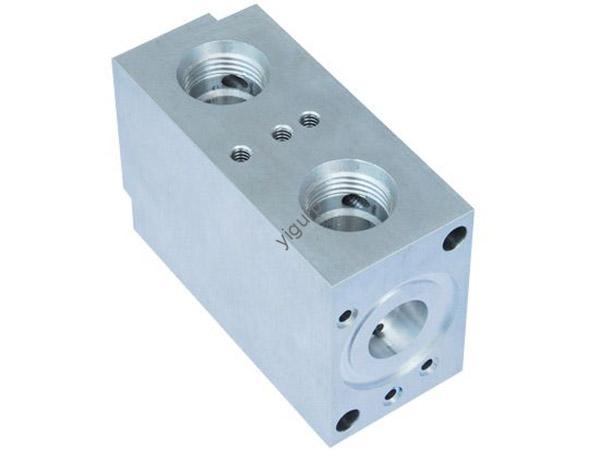
Acciaio inossidabile XM-19 (noto anche come UNS S20910) è una lega austenitica ad alte prestazioni progettata per resistenza e robustezza estreme alla corrosione. È unico composizione chimica—ricco di cromo, nichel, molibdeno, e azoto: lo distingue dagli acciai inossidabili standard, rendendolo ideale per ambienti difficili come impianti di lavorazione chimica o sistemi di acqua di mare marina. In questa guida, ne analizzeremo i tratti principali, usi nel mondo reale, processi di produzione, e come si confronta con altri materiali, aiutandoti a selezionarlo per progetti che richiedono affidabilità in condizioni difficili.
1. Principali proprietà dei materiali dell'acciaio inossidabile XM-19
La superiorità dell'acciaio inossidabile XM-19 inizia dal suo attento bilanciamento composizione chimica, che ne determina l'eccezionalità proprietà meccaniche, affidabile proprietà fisiche, e altre caratteristiche critiche.
Composizione chimica
La formula dell'XM-19 è ottimizzata per resistenza alla corrosione e forza, con elementi chiave inclusi:
- Contenuto di cromo: 20-22% (forma uno spesso, strato di ossido stabile: il nucleo del suo eccellente resistenza alla corrosione)
- Contenuto di nichel: 11-13% (stabilizes the austenitic structure for ductility and enhances toughness)
- Contenuto di molibdeno: 2.5-3.5% (aumenta resistenza alla vaiolatura E stress corrosion cracking resistance in ambienti ricchi di cloruri)
- Contenuto di carbonio: ≤0.06% (il basso contenuto di carbonio riduce al minimo la corrosione intergranulare, fondamentale per le parti saldate come le tubazioni)
- Contenuto di manganese: ≤2% (migliora la forza senza ridurre la flessibilità)
- Contenuto di silicio: ≤1% (aiuta la disossidazione durante la produzione, garantendo la purezza)
- Contenuto di fosforo: ≤0,045% (controllato per evitare fragilità, which could lead to mechanical failure)
- Contenuto di zolfo: ≤0,03% (ultra-low to maintain corrosion resistance and prevent contamination in food/pharmaceutical applications)
- Contenuto di azoto: 0.2-0.4% (a key additive—enhances elevata resistenza alla trazione without sacrificing ductility)
Proprietà fisiche
| Proprietà | Typical Value for XM-19 Stainless Steel |
| Densità | 7.8 g/cm³ |
| Conducibilità termica | 15 Con/(m·K) (a 20°C) |
| Capacità termica specifica | 0.46 J/(g·K) (a 20°C) |
| Coefficiente di dilatazione termica | 16 × 10⁻⁶/°C (20-500°C) |
| Proprietà magnetiche | Non magnetico (even after cold working—ideal for applications where magnetism is a concern, come i dispositivi medici) |
Proprietà meccaniche
XM-19 delivers impressive strength while retaining the ductility needed for forming and fabrication:
- Elevata resistenza alla trazione: 750-900 MPa (25% higher than standard austenitic grades like 316L)
- Forza di rendimento: 400-550 MPa (2x superiore a 316L, reducing material thickness needs for structural parts)
- Allungamento: 30-40% (In 50 mm—allows bending and forming of complex shapes like storage tank seams)
- Durezza: 180-220 Brinell, 80-90 Rockwell B, 190-230 Vickers (harder than 316L but still machinable)
- Resistenza alla fatica: 320-380 MPa (at 10⁷ cycles—critical for parts under repeated stress, come gli alberi delle pompe)
- Resistenza all'impatto: 100-150 J (a temperatura ambiente: resiste alle crepe dovute a impatti improvvisi, come le collisioni di equipaggiamenti marittimi)
Altre proprietà critiche
- Eccellente resistenza alla corrosione: Supera le prestazioni del 316L in ambienti difficili e resiste agli acidi (per esempio., acido solforico), prodotti chimici industriali, e acqua salata.
- Resistenza alla vaiolatura: Superiore: il molibdeno e l'azoto prevengono la vaiolatura in concentrazioni di cloruro fino a 50,000 ppm (per esempio., acqua di mare o salamoie chimiche).
- Resistenza alla tensocorrosione: Molto buono: sopporta le sollecitazioni di trazione in ambienti corrosivi (per esempio., contenitori di reattori chimici) meglio di 316L.
- Resistenza all'usura: Buono: più duro dei gradi austenitici standard, rendendolo adatto a parti con attrito (per esempio., lame per la lavorazione degli alimenti).
- Lavorabilità: Moderato: più facile da lavorare rispetto agli acciai inossidabili duplex; richiede utensili affilati in metallo duro e raffreddamento per evitare il surriscaldamento.
- Saldabilità: Eccellente: può essere saldato tramite MIG, TIG, o metodi stick senza preriscaldamento; le saldature mantengono forza e resistenza alla corrosione con un'adeguata passivazione.
2. Applicazioni nel mondo reale dell'acciaio inossidabile XM-19
La miscela di XM-19 eccellente resistenza alla corrosione E elevata resistenza alla trazione lo rende ideale per le industrie in cui i materiali sono esposti a sostanze chimiche aggressive, acqua salata, o sterilizzazione frequente. Ecco i suoi usi più comuni:
Industria della lavorazione chimica
- Serbatoi di stoccaggio: Serbatoi contenenti acidi (per esempio., acido cloridrico) o i solventi utilizzano XM-19: la sua resistenza alla corrosione previene perdite e contaminazione di sostanze chimiche.
- Sistemi di tubazioni: Tubazioni che trasportano fluidi corrosivi (per esempio., soda caustica) usa XM-19: pareti più sottili (a causa dell'elevata resistenza) ridurre i costi di installazione.
- Reattori: I recipienti per reazioni chimiche utilizzano XM-19: sopporta le alte temperature (fino a 600°C) e reagenti corrosivi senza degradarsi.
Esempio di caso: Un impianto chimico ha sostituito l'acciaio inossidabile 316L con l'XM-19 per i serbatoi di stoccaggio dell'acido solforico. I carri armati XM-19 sono durati 12 anni (contro. 5 anni per 316L) ed eliminato $200,000 nei costi di sostituzione annuali.
Alimenti e bevande & Industrie farmaceutiche
- Industria alimentare e delle bevande: Attrezzature per il trattamento (per esempio., miscelatori per concentrato di pomodoro) e i raccordi sanitari utilizzano XM-19: resiste alla corrosione degli acidi alimentari e soddisfa gli standard FDA. La sua superficie liscia (dopo l'elettrolucidatura) previene l'accumulo di batteri.
- Industria farmaceutica: I recipienti di miscelazione sterili e le presse per pillole utilizzano XM-19, ultra puro (basso contenuto di zolfo) e resiste a ripetuti trattamenti in autoclave (121°C) senza perdere la biocompatibilità.
Polpa e carta & Industrie marittime
- Industria della pasta e della carta: Attrezzature per impianti di candeggina (per esempio., Reattori di biossido di cloro) utilizza XM-19: resiste alla corrosione delle sostanze chimiche candeggina aggressive che danneggiano gli acciai standard.
- Industria marittima: I sistemi di raffreddamento dell'acqua di mare e i componenti dello scafo delle navi utilizzano l'XM-19: resiste alla vaiolatura dell'acqua salata e riduce la manutenzione rispetto al 316L.
Industria medica
- Strumenti chirurgici: Bisturi e pinze utilizzano l'XM-19, non magnetico (compatibile con macchine per risonanza magnetica), resistente alla corrosione dei fluidi corporei, e facile da sterilizzare.
- Dispositivi medici: Le pompe per insulina e gli alloggiamenti dei cateteri utilizzano XM-19, piccolo, preciso, e sicuro per il contatto ripetuto con la pelle.
3. Tecniche di produzione dell'acciaio inossidabile XM-19
La produzione dell'acciaio inossidabile XM-19 richiede precisione per mantenere l'equilibrio chimico e le prestazioni. Ecco il processo:
1. Processi metallurgici (Controllo chimico)
- Forno ad arco elettrico (EAF): Fonde rottami di acciaio, cromo, nichel, e molibdeno a 1.650-1.750°C. Il gas di azoto viene iniettato nella lega fusa per raggiungere il bersaglio 0.2-0.4% contenuto: fondamentale per la forza.
- Fornace ad ossigeno basico (BOF): Per la produzione su larga scala: soffia ossigeno per rimuovere le impurità (per esempio., carbonio, fosforo), quindi aggiunge elementi di lega per mettere a punto la composizione.
2. Processi di laminazione
- Laminazione a caldo: La lega fusa viene colata in lastre, riscaldato a 1.100-1.200°C, e arrotolato in forme spesse (piatti, bar) per parti strutturali come serbatoi di stoccaggio o contenitori di reattori.
- Laminazione a freddo: Laminato a freddo per ottenere fogli sottili (per esempio., per apparecchiature farmaceutiche o involucri di dispositivi medici) con una superficie liscia: migliora la precisione dimensionale e la durezza.
3. Trattamento termico
- Ricottura di soluzione: Riscaldato a 1.050-1.150°C e mantenuto per 30-60 minuti, poi raffreddato in acqua. Questo dissolve eventuali carburi precipitati, ripristinare la resistenza alla corrosione e la duttilità, essenziali per le parti saldate.
- Ricottura di distensione: Riscaldato a 800-900°C per 1-2 ore, poi raffreddato lentamente. Riduce lo stress interno derivante dalla saldatura o dalla formatura (per esempio., flessione del serbatoio) senza diminuire la forza.
- Tempra e rinvenimento: Usato raramente: la forza dell'XM-19 deriva dalla sua composizione chimica (non il trattamento termico), quindi la solubilizzazione è in genere sufficiente.
4. Formatura e trattamento superficiale
- Metodi di formatura:
- Pressa formatura: Utilizza presse idrauliche per modellare parti come teste di reattori o ciotole per la lavorazione degli alimenti, il tutto a temperatura ambiente per evitare di alterare la struttura della lega.
- Piegatura: Crea angoli per tubazioni o giunzioni di serbatoi: le velocità di piegatura controllate prevengono le crepe (a causa dell'elevata resistenza).
- Lavorazione: Utilizza macchine CNC con utensili in metallo duro per realizzare forme precise (per esempio., punte di strumenti medici). Il refrigerante è necessario per prevenire il surriscaldamento e l'usura dell'utensile.
- Saldatura: Utilizza la saldatura TIG con metallo d'apporto XM-19: il basso apporto di calore preserva la resistenza alla corrosione della lega; si consiglia la passivazione post-saldatura.
- Trattamento superficiale:
- Decapaggio: Immerso in una miscela di acido nitrico-fluoridrico per rimuovere le incrostazioni dalla laminazione a caldo: ripristina lo strato di ossido di cromo.
- Passivazione: Trattato con acido nitrico per migliorare la resistenza alla corrosione, fondamentale per applicazioni marine o chimiche.
- Elettrolucidatura: Per parti alimentari/farmaceutiche/mediche: crea una superficie liscia, superficie resistente ai microbi (rimuove 5-10 µm di materiale) e migliora la biocompatibilità.
5. Controllo qualità (Standard rigorosi)
- Test ad ultrasuoni: Controlla i difetti interni (per esempio., crepe) in parti spesse come serbatoi di stoccaggio o contenitori di reattori.
- Esame radiografico: Ispeziona le saldature per eventuali difetti (per esempio., porosità) per garantire l'integrità strutturale, fondamentale per le parti contenenti pressione come le tubazioni chimiche.
- Prove di trazione: Verifica elevata resistenza alla trazione (750-900 MPa) e forza di resa (400-550 MPa) per soddisfare le specifiche XM-19.
- Analisi della microstruttura: Esamina la lega al microscopio per confermare una struttura austenitica uniforme, senza fasi indesiderate (per esempio., ferrite) che potrebbero ridurre la resistenza alla corrosione.
- Test di corrosione: Conduce test in nebbia salina (secondo ASTM B117) e prove di resistenza alla vaiolatura (secondo ASTM G48) per convalidare le sue prestazioni in ambienti difficili.
4. Caso di studio: XM-19 nei sistemi di raffreddamento dell'acqua di mare marina
Un cantiere navale ha utilizzato l'acciaio inossidabile 316L per i sistemi di raffreddamento dell'acqua di mare nelle navi mercantili. Successivamente i tubi in 316L hanno sviluppato vaiolature 3 anni, portando a perdite e $150,000 nelle riparazioni annuali. Sono passati all'XM-19, con i seguenti risultati:
- Resistenza alla corrosione: Dopo 8 anni, i tubi XM-19 non mostravano vaiolature o ruggine, più del doppio della durata del 316L.
- Prestazione: L'efficienza del raffreddamento è rimasta 98% (contro. 85% per 316L dopo 3 anni), ridurre il consumo di carburante per i motori delle navi.
- Risparmio sui costi: Il cantiere navale si è salvato $1.2 milioni oltre 8 anni eliminando le sostituzioni dei tubi e i tempi di fermo macchina non pianificati.
5. XM-19 Acciaio inossidabile vs. Altri materiali
Come si confronta l'XM-19 con altri popolari acciai inossidabili e metalli?? Analizziamolo con una tabella dettagliata:
| Materiale | Costo (contro. XM-19) | Resistenza alla trazione | Forza di snervamento | Resistenza alla corrosione (Acqua di mare) | Resistenza alla vaiolatura (Cloruro) |
| Acciaio inossidabile XM-19 | Base (100%) | 750-900 MPa | 400-550 MPa | Eccellente | 50,000 ppm |
| 316LAcciaio inossidabile | 70% | 550-650 MPa | 205 MPa | Bene | 30,000 ppm |
| Duplex 2205 Acciaio inossidabile | 110% | 620-800 MPa | 450 MPa | Eccellente | 60,000 ppm |
| Super duplex 2507 Acciaio inossidabile | 150% | 800-1,000 MPa | 550-700 MPa | Eccellente | 100,000 ppm |
| Lega di titanio (Ti-6Al-4V) | 400% | 860 MPa | 795 MPa | Eccellente | 150,000 ppm |
Idoneità all'applicazione
- Elaborazione chimica: L'XM-19 è migliore del 316L (forza più elevata, migliore resistenza alla corrosione) e più economico del duplex 2205.
- Sistemi di raffreddamento marini: Supera le prestazioni del 316L (durata di vita più lunga) ed è più conveniente rispetto al titanio o al super duplex.
- Alimentare/Farmaceutico: Superiore a 316L (resiste agli acidi alimentari, più facile da sterilizzare) e soddisfa standard di purezza più severi.
- Dispositivi medici: Non magnetico e biocompatibile: migliore degli acciai duplex (che sono magnetici) e più economico del titanio.
Il punto di vista di Yigu Technology sull'acciaio inossidabile XM-19
Alla tecnologia Yigu, vediamo l'XM-19 come un versatile, soluzione conveniente per applicazioni in ambienti difficili. È equilibrato composizione chimica—alto contenuto di cromo, molibdeno, e azoto: fornisce resistenza alla corrosione e forza alla nostra sostanza chimica, marino, e i prodotti alimentari di cui i clienti hanno bisogno. Consigliamo spesso XM-19 per i serbatoi di stoccaggio, sistemi di acqua di mare, e apparecchiature farmaceutiche, dove riduce i costi di manutenzione senza il prezzo premium del duplex o del titanio. La sua eccellente saldabilità semplifica anche la fabbricazione, in linea con il nostro obiettivo di sostenibilità, materiali affidabili.
Domande frequenti
1. Ciò che rende l'acciaio inossidabile XM-19 diverso dal 316L?
XM-19 è più alto contenuto di azoto (0.2-0.4% contro. ≤0,1% nel 316L) E contenuto di molibdeno (2.5-3.5% contro. 2-3% nel 316L), dandolo 25% maggiore resistenza alla trazione e migliore resistenza alla vaiolatura in ambienti contenenti cloruro. Mantiene anche proprietà non magnetiche, rendendolo ideale per applicazioni sensibili come i dispositivi medici.
2. L'acciaio inossidabile XM-19 può essere utilizzato in applicazioni alimentari o farmaceutiche?
SÌ. XM-19 soddisfa gli standard FDA e farmaceutici (basso contenuto di zolfo, elevata purezza). Resiste alla corrosione degli acidi alimentari e può essere elettrolucidato fino ad ottenere una superficie liscia, superficie resistente ai batteri: sicura per la lavorazione o la conservazione di prodotti alimentari/farmaceutici.
3. L'acciaio inossidabile XM-19 è difficile da saldare?
NO. XM-19 ha un'eccellente saldabilità e può essere saldato con metodi standard (ME, TIG) senza preriscaldamento. Utilizzare il metallo d'apporto XM-19 e la passivazione post-saldatura per mantenere la resistenza alla corrosione. È più facile da saldare rispetto agli acciai inossidabili duplex, rendendolo adatto a grandi progetti come i serbatoi di stoccaggio.