
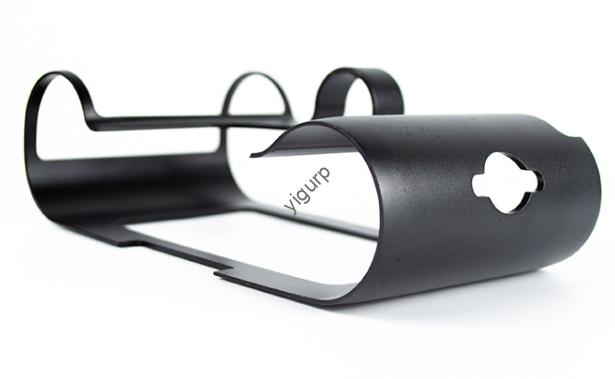
Se hai sentito “taglio laser” but aren’t sure what itactually is—or how it can help your work (sia che tu stia producendo parti di automobili, segnaletica personalizzata, o minuscoli componenti elettronici)—sei nel posto giusto. Il taglio laser non è solo a “strumento fantasioso”– è preciso, tecnica di produzione efficiente che risolve i problemi comuni dei metodi di taglio tradizionali (come segare o tosare) can’t. Sotto, we’ll break down exactly what laser cutting means, come funziona, i suoi principali vantaggi, and where it’s used—with real data and examples to make it easy to understand.
1. What Exactly Is Laser Cutting? (Core Definition)
At its simplest, taglio laser is a non-contact manufacturing process that uses ahigh-power density laser beam tagliare, forma, or engrave materials. Unlike traditional tools that physically press or grind through material (which can damage delicate surfaces or cause inaccuracies), laser cutting uses focused light energy to heat materials to their melting, boiling, or vaporization point—then removes the molten material to create clean, precise shapes.
The process is fully controlled by computers, so it can replicate complex patterns (from simple circles to intricate logos) with consistent accuracy every time. Here’s the key detail from the technology’s core:
The laser beam doesn’t touch the material directly—this eliminates mechanical stress, reduces waste, and ensures the final product has smooth edges (no rough spots or burrs).
2. How Does Laser Cutting Work? Step-by-Step Mechanism
You don’t need a physics degree to understand laser cutting’s workflow—here’s a simple, step-by-step breakdown of how it turns a digital design into a physical part:
- Preparazione del progetto: Primo, create or import a 2D/3D design (using software like CAD) of the shape you want to cut. The computer converts this design into instructions the laser cutter can follow.
- Impostazione materiale: Place the material (per esempio., metal sheet, wood panel, o plastica) on the laser cutter’s worktable. The machine secures the material to prevent movement during cutting.
- Laser Beam Focusing: The laser cutter’s optical system (lenses or mirrors) focuses the laser into a tiny, high-energy spot—often as small as 0.1mm in diameter. This concentration of energy is what makes precise cutting possible.
- Riscaldamento & Rimozione materiale: The focused laser beam hits the material, rapidly heating it to its melting (per metalli) or boiling (per i non metalli) point. UN coaxial high-pressure gas (usually oxygen, azoto, or compressed air) blows away the molten material, leaving a narrow “kerf” (the cut gap).
- Computer-Controlled Movement: The laser head or worktable moves according to the digital design—ensuring the cut follows every curve, linea, or hole with minimal error.
- Fine & Ispezione: Once cutting is done, the material is removed. Unlike traditional cutting, laser-cut parts rarely need sanding or polishing—they’re ready to use or assemble right away.
3. Key Characteristics of Laser Cutting: Why It’s Better Than Traditional Methods
Laser cutting’s popularity comes from four core characteristics that solve pain points like low accuracy, slow speed, and limited material options. Below is a detailed breakdown—with data and examples to show real-world value:
| Caratteristica | What It Means for You | Data/Example |
|---|---|---|
| Non-Contact & High Quality | No mechanical stress on materials → smooth edges, senza sbavature, and no material warping. | A furniture maker cutting 3mm acrylic sheets with laser vs. a router: Laser-cut edges are 95% smoother, with no need for post-finishing (salva 2 hours per batch). |
| Alta efficienza | Velocità di taglio elevate + automation = more parts produced in less time. | Cutting 2mm mild steel: Laser cutting reaches600 cm/min—4x faster than traditional mechanical sawing (150 cm/min). A car parts factory using laser cutting increased daily output by 300%. |
| Flessibilità | Funziona con i metalli, non metalli, and synthetics—even for complex patterns. | Esempi: Cutting titanium alloy (metallo) for aerospace brackets, engraving wood for handicrafts, and shaping polypropylene (plastica) for electronic enclosures. No need to switch tools for different materials. |
| Alta precisione | Achieves tiny tolerances (small margin of error) → ideal for micro or precision parts. | Laser cutting can reach±0.05mm accuracy (about the thickness of a human hair). A medical device manufacturer uses this to cut stainless steel components for insulin pumps—ensuring parts fit perfectly. |
4. Where Is Laser Cutting Used? Applicazioni del mondo reale
Laser cutting isn’t just for big factories—it’s used in industries ranging from automotive to crafts, solving unique machining problems. Here are common use cases:
- Produzione automobilistica: Cuts metal sheets for car bodies, pannelli delle porte, and engine parts. The high speed helps meet mass-production demands, while precision ensures parts align during assembly.
- Aerospaziale: Crea leggerezza, parti ad alta resistenza (like titanium brackets or aluminum frames) that need extreme accuracy (±0,03 mm). Traditional methods can’t match this precision without damaging the material.
- Elettronica: Cuts tiny components for smartphones, computer portatili, and circuit boards. Per esempio, laser cutting shapes copper sheets for circuit traces—something too small for mechanical tools.
- Handicrafts & Sign Making: Engraves wood, acrilico, or leather for custom signs, gioielli, o decorazioni per la casa. A craft shop owner uses laser cutting to make 50+ personalized wooden keychains per hour—far faster than hand-cutting.
- Architectural Model Making: Cuts foam, cardboard, or plastic to create detailed building models. The flexibility lets architects test complex designs (like curved walls) without extra work.
Yigu Technology’s Perspective on Laser Cutting
Alla tecnologia Yigu, we see laser cutting as more than a technique—it’s a bridge between design ideas and real-world products. Its ability to combine precision, velocità, and flexibility addresses the biggest challenges manufacturers face: riducendo gli sprechi, meeting tight deadlines, and adapting to custom orders. We focus on optimizing laser cutting systems (from better gas flow control to smarter software) to help clients—whether small craft shops or large factories—get the most out of this technology. As demand for custom, high-quality parts grows, laser cutting will only become more essential, and we’re committed to making it accessible for every industry.
FAQ About Laser Cutting
1. Can laser cutting work on thick materials?
Yes—but it depends on the laser’s power and material type. A 1200W laser (common for industrial use) can cut up to 8mm mild steel or 5mm aluminum. Per materiali più spessi (per esempio., 20mm steel), high-power lasers (4000W+) are used. Non-metals like wood can be cut up to 50mm thick with a CO₂ laser.
2. Is laser cutting expensive to start with?
While initial machine costs are higher than traditional tools, laser cutting saves money long-term. There’s no need to replace worn blades (non-contact process) and no extra cost for finishing work. Small businesses often start with entry-level CO₂ lasers (per i non metalli) costing $5,000–$15,000, which pay for themselves in 6–12 months via faster production.
3. Do I need special training to use a laser cutter?
No—modern laser cutters have user-friendly software (like CAD integrations) that’s easy to learn. Most people master basic cutting in 1–2 weeks, and advanced features (per esempio., complex patterns) take 1 mese. Produttori (including Yigu Technology) also provide free training to help users get started safely and efficiently.