
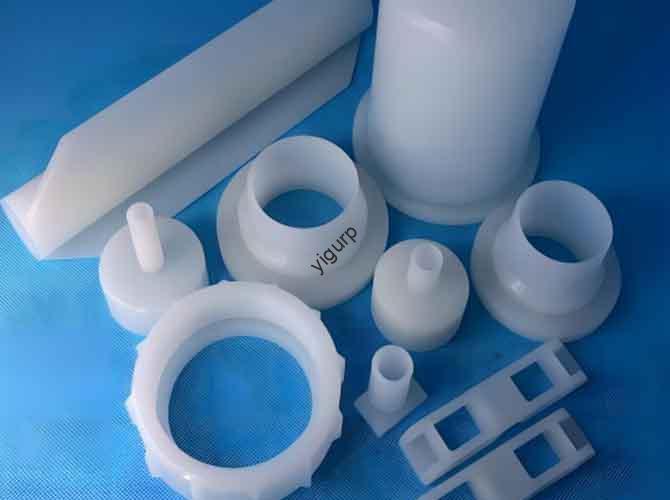
Se stai cercando servizi di stampaggio a iniezione a Singapore, probabilmente ti starai chiedendo da dove cominciare, cosa cercare, e come garantire il successo del tuo progetto. La risposta breve è: L’industria dello stampaggio a iniezione di Singapore è molto avanzata, con un focus sulla precisione, qualità, e conformità, rendendolo ideale per settori come l'elettronica, dispositivi medici, e aerospaziale. But to make the right choice for your business, you need to dig deeper into capabilities, costi, e considerazioni chiave. Analizziamolo passo dopo passo.
Cos'è lo stampaggio ad iniezione, and Why Is Singapore a Top Hub?
Primo, let’s clarify the basics for anyone new to the process. Stampaggio ad iniezione is a manufacturing method where molten plastic is injected into a custom mold, raffreddato, and then ejected as a finished part—used for everything from small electronic components to large automotive parts. It’s popular because it’s fast, cost-effective for high-volume production, and produces consistent, precise results.
So why choose Singapore for this? The city-state stands out for three key reasons:
- Advanced Infrastructure: Singapore has world-class manufacturing facilities, with access to state-of-the-art machinery (like 5-axis injection molding machines) and reliable supply chains for raw materials (per esempio., engineering plastics like PEEK and ABS).
- Strict Quality Standards: Local providers adhere to global certifications such as ISO 9001 (gestione della qualità) e ISO 13485 (dispositivi medici), critical for industries with zero tolerance for defects.
- Strategic Location: Singapore’s proximity to Southeast Asian markets (Malaysia, Thailand, Vietnam) makes it easy to scale production or distribute parts regionally, while its free trade agreements (FTAs) reduce import/export barriers.
Real Case Example: A local medical device startup needed 10,000 precision plastic components for a diagnostic tool. By partnering with a Singapore-based injection molder, they met FDA requirements (thanks to the molder’s ISO 13485 certificazione) and reduced lead times by 30% compared to overseas providers—all while keeping production costs competitive.
Key Factors to Consider When Choosing an Injection Molding Provider in Singapore
Not all injection molding companies in Singapore are the same. To avoid costly mistakes, focus on these six critical factors:
1. Specializzazione del settore
Different industries have unique needs. Per esempio:
- Elettronica: Requires ultra-precise parts (tolerances as tight as ±0.005mm) and anti-static materials.
- Dispositivi medici: Needs cleanroom facilities (Classe 8 or higher) and biocompatible plastics (per esempio., policarbonato).
- Automobilistico: Demands durable, parti resistenti al calore (come il nylon) that meet ISO/TS 16949 standard.
Choose a provider with experience in your sector. Ad esempio, if you’re developing a wearable tech device, a molder that specializes in electronics will understand your need for miniaturized parts and consistent wall thickness.
2. Mold Design and Fabrication Capabilities
The mold is the backbone of injection molding—poorly designed molds lead to defective parts and wasted money. Ask providers:
- Do they design molds in-house (using software like AutoCAD or SolidWorks) or outsource?
- Can they handle complex molds (per esempio., multi-cavity molds for high-volume production or overmolding for parts with multiple materials)?
- What materials do they use for molds (per esempio., stainless steel for long production runs vs. aluminum for prototyping)?
Data Point: A well-made stainless steel mold can produce 1 million+ parts, while an aluminum mold is typically limited to 100,000 parti. This difference affects long-term costs—so if you plan to scale production, stainless steel is worth the upfront investment.
3. Competenza sui materiali
Singapore’s injection molders work with a wide range of plastics, but not all providers have deep knowledge of specialized materials. Le opzioni comuni includono:
- Standard Plastics: ABS (used for casings), PP (for containers), and PVC (for pipes).
- Ingegneria delle materie plastiche: SBIRCIARE (resistente al calore, used in aerospace), computer (infrangibile, used in medical devices), e nylon (durevole, used in automotive parts).
- Sustainable Plastics: Biodegradable PLA or recycled plastics (growing in demand due to Singapore’s 2030 Zero Waste Masterplan).
A good provider will help you choose the right material for your project—balancing cost, prestazione, e sostenibilità. Per esempio, if you’re making a food container, they might recommend BPA-free PP instead of cheaper PVC, which is not food-safe.
4. Quality Control Processes
In Singapore, controllo di qualità (Controllo qualità) is non-negotiable—but the rigor varies by provider. Cercare:
- Ispezione in linea: Do they use cameras or sensors to check parts during production (per esempio., per la precisione dimensionale)?
- Post-Production Testing: Do they conduct tests like tensile strength (per la durabilità) or color matching (for branding consistency)?
- Tracciabilità: Can they track each batch of parts back to the raw material lot and production date? This is crucial for industries like medical devices, where recalls are a risk.
5. Lead Times and Production Capacity
Singapore’s fast-paced business environment means lead times matter. Most providers offer:
- Prototipazione: 1–2 settimane (using rapid tooling for small batches).
- Mass Production: 3–6 settimane (depending on mold complexity and order size).
Ask about their production capacity too. If you need 100,000 parti al mese, a small molder with 5 machines might struggle to meet demand—whereas a larger facility with 20+ machines can scale easily.
6. Trasparenza dei costi
Injection molding costs in Singapore depend on three main factors:
- Mold Cost: \(5,000–)50,000+ (varia in base alla dimensione, complessità, e materiale).
- Per-Part Cost: \(0.10–)5.00+ (decreases with higher volume—e.g., 10,000 parts cost less per unit than 1,000).
- Additional Fees: Design revisions, material upgrades, or expedited shipping.
Avoid providers who give vague quotes. A reliable company will break down costs clearly and help you find ways to save—for example, using a multi-cavity mold to reduce per-part costs or choosing a standard material instead of a specialty one.
Latest Trends Shaping Injection Molding in Singapore
To stay ahead, it’s important to know the trends driving the industry:
1. Automation and Industry 4.0
Many Singaporean molders are adopting Industry 4.0 technologies to improve efficiency:
- Robotic Arms: Used for loading/unloading parts, reducing human error and increasing production speed.
- IoT Sensors: Monitor mold temperature and pressure in real time, preventing defects before they happen.
- Design basato sull'intelligenza artificiale: Software that optimizes mold designs (per esempio., riducendo gli sprechi di materiale) and predicts maintenance needs (per esempio., when a mold needs cleaning).
Caso di studio: A leading Singapore molder implemented IoT sensors in 2023 e ho visto a 25% reduction in defective parts and a 15% increase in production output—all while reducing labor costs.
2. Sostenibilità
Singapore’s push for sustainability (via the Zero Waste Masterplan and carbon neutrality goals by 2050) is changing the industry:
- Materiali riciclati: More molders now offer parts made from recycled plastic (per esempio., rPET from plastic bottles) o plastica a base biologica (per esempio., PLA from corn starch).
- Efficienza energetica: New machines use 30% less energy than older models, and some facilities use solar power to reduce their carbon footprint.
- Riduzione dei rifiuti: Mold designs that minimize scrap (per esempio., using hot runner systems) and on-site recycling of plastic waste.
3. Precision Miniaturization
With the growth of electronics (per esempio., indossabili, 5Dispositivi G) e dispositivi medici (per esempio., micro-implants), there’s a rising demand for micro-injection molding—producing parts as small as 0.1mm (about the size of a grain of sand). Singaporean molders are investing in specialized machines and cleanrooms to meet this need, as it requires ultra-high precision and strict contamination control.
Yigu Technology’s Perspective on Injection Molding in Singapore
Alla tecnologia Yigu, we see Singapore as a standout market for injection molding, thanks to its unwavering focus on quality and innovation. For businesses here, the key to success lies in partnering with providers who combine technical expertise with flexibility—especially as trends like miniaturization and sustainability accelerate. We’ve worked with clients across electronics and medical sectors, and time and again, the projects that succeed are those where the molder acts as a collaborator, not just a supplier—advising on material choices, optimizing mold designs, and adapting to tight deadlines. Singapore’s injection molding industry isn’t just about making parts; it’s about enabling businesses to bring high-quality, reliable products to market faster. For companies looking to scale, this local expertise is a competitive advantage—one that reduces risks (like compliance issues or delayed shipments) and drives long-term value.
FAQ About Injection Molding in Singapore
1. How much does injection molding cost in Singapore?
Costs vary by project, but you can expect to pay \(5,000–)50,000 for a mold and \(0.10–)5.00 per parte. Ordini ad alto volume (10,000+ parti) lower per-unit costs, while complex molds (per esempio., multi-cavity or micro-molds) increase upfront mold costs.
2. What certifications should I look for in a Singaporean injection molder?
Key certifications include ISO 9001 (gestione della qualità), ISO 13485 (dispositivi medici), ISO/TS 16949 (automobilistico), e registrazione FDA (for food/medical products). These ensure the provider meets global quality and safety standards.
3. How long does it take to get injection-molded parts in Singapore?
Prototyping typically takes 1–2 weeks (utilizzando strumenti rapidi), while mass production takes 3–6 weeks. Expedited options are available for urgent projects (per esempio., 2–3 weeks for production) but may cost more.
4. Can Singaporean molders handle sustainable materials?
Yes—many now offer recycled plastics (rPET, rPP), bio-based plastics (PLA, PHA), and energy-efficient production processes. Ask your provider about their sustainability practices to align with your brand’s goals.
5. Is micro-injection molding available in Singapore?
Yes—several providers specialize in micro-injection molding for small, parti di precisione (fino a 0,1 mm). These molders have specialized machines and cleanrooms to ensure accuracy and avoid contamination.