
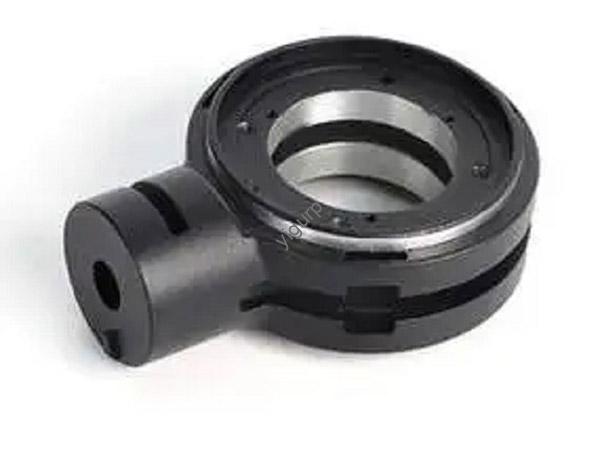
If you’re looking for a material that excels in high-temperature environments and resists corrosion—whether for chemical reactors or nuclear components—UNS N08800 Incoloy 800 is a reliable choice. Questa lega di nichel-ferro-cromo bilancia la resistenza, resistenza al calore, e durata, rendendolo un punto fermo nelle industrie difficili. Questa guida analizza le sue proprietà principali, usi nel mondo reale, metodi di produzione, e come si confronta con altri materiali, così puoi prendere decisioni informate per i tuoi progetti.
1. Material Properties of UNS N08800 Incoloy 800
Incoloy 800’s performance stems from its carefully balanced composition and well-rounded characteristics. Let’s explore each property in detail.
1.1 Composizione chimica
Every element in this alloy works together to enhance heat resistance and corrosion protection. Below is its typical composition (in peso):
| Elemento | Gamma di contenuti (%) | Ruolo chiave |
|---|---|---|
| Nichel (In) | 30–35 | Base metal—boosts high-temperature stability and resists stress cracking |
| Ferro (Fe) | 39.5–46.5 | Adds structural strength and reduces overall material cost |
| Cromo (Cr) | 19–23 | Enhances oxidation resistance (critical for furnace and heat-treated parts) |
| Carbonio (C) | Massimo 0.10 | Improves hardness while maintaining workability |
| Manganese (Mn) | Massimo 1.5 | Aids in manufacturing (per esempio., welding and casting) |
| Silicio (E) | Massimo 1.0 | Reduces oxidation at extreme temperatures |
| Zolfo (S) | Massimo 0.015 | Kept low to prevent brittleness and corrosion in harsh environments |
| Rame (Cu) | Massimo 0.75 | Boosts resistance to certain acids (per esempio., acido solforico) |
| Titanio (Di) | 0.15–0,60 | Prevents intergranular corrosion (common in high-heat applications) |
| Alluminio (Al) | 0.15–0,60 | Works with titanium to enhance oxidation resistance |
1.2 Proprietà fisiche
These traits make Incoloy 800 easy to design with for high-temperature and industrial tasks:
- Densità: 7.95 g/cm³ (lighter than Hastelloy alloys, similar to stainless steel)
- Punto di fusione: 1400–1450°C (2550–2640°F) – handles extreme heat in furnaces and reactors
- Conducibilità termica: 15.1 Con/(m·K) a 20°C (68°F); increases to 23.4 Con/(m·K) at 600°C – efficient heat transfer
- Thermal Expansion Coefficient: 15.9 µm/(m·K) (20–100°C); 18.5 µm/(m·K) (20–600°C) – manageable expansion in high-heat cycles
- Resistività elettrica: 105 Ω·mm²/m at 20°C – suitable for electrical components in high-temperature areas
- Proprietà magnetiche: Slightly magnetic at room temperature (becomes less magnetic at high temps) – works for most industrial needs
1.3 Proprietà meccaniche
Incoloy 800 maintains strength even at high temperatures, making it ideal for heat-intensive applications. All values below are for the annealed (trattato termicamente) versione:
| Proprietà | Valore (Room Temperature) | Value at 600°C |
|---|---|---|
| Resistenza alla trazione | minimo 550 MPa (80 ksi) | 380 MPa (55 ksi) |
| Forza di snervamento | minimo 240 MPa (35 ksi) | 220 MPa (32 ksi) |
| Allungamento | minimo 35% (In 50 mm) | 40% (In 50 mm) |
| Durezza | Massimo 180 HB (Brinell) | N / A |
| Resistenza alla fatica | 220 MPa (10⁷ cicli) | 180 MPa (10⁷ cicli) |
| Resistenza al creep | Maintains strength up to 870°C (1600°F) | – |
1.4 Altre proprietà
- Resistenza alla corrosione: Excellent in oxidizing environments (per esempio., aria, vapore) e acidi deboli (per esempio., dilute sulfuric acid) – outperforms carbon steel and many stainless steels.
- Resistenza all'ossidazione: Resists scaling in air up to 980°C (1800°F) for long periods – ideal for furnace components.
- Stress Corrosion Cracking (SCC) Resistance: Resists SCC in chloride-rich environments (a common issue for 304 acciaio inossidabile).
- Resistenza alla vaiolatura: Good resistance to pitting in salty or acidic brines (suitable for marine and chemical applications).
- Hot/Cold Working Properties: Easy to hot forge (at 1100–1200°C) and cold form (per esempio., flessione, stampaggio) – retains strength after shaping.
2. Applications of UNS N08800 Incoloy 800
Incoloy 800’s mix of high-temperature resistance and corrosion protection makes it perfect for demanding industries. Ecco i suoi usi più comuni, con esempi del mondo reale:
2.1 Heat Treatment Equipment
- Caso d'uso: A metal processing plant in Germany uses Incoloy 800 for furnace heating elements. The elements withstand 850°C daily—they’ve lasted 5 anni, rispetto a 2 years for stainless steel elements.
- Other Uses: Furnace liners, heat exchanger tubes, and annealing baskets.
2.2 Nuclear Industry
- Caso d'uso: A nuclear power plant in France uses Incoloy 800 for steam generator tubes. The alloy resists corrosion from high-pressure steam and radioactive coolants, ensuring safety and reliability.
2.3 Attrezzature per il trattamento chimico
- Caso d'uso: A chemical plant in the U.S. uses Incoloy 800 for sulfuric acid reactor vessels. The vessels operate at 400°C—they’ve run for 6 years without corrosion, rispetto a 3 years for carbon steel vessels.
- Other Uses: Acid storage tanks, pipework, and mixing tanks.
2.4 Industria del petrolio e del gas
- Caso d'uso: An oil refinery in Saudi Arabia uses Incoloy 800 for catalytic cracker components. The alloy handles 700°C temperatures and resists hydrocarbon corrosion, riducendo i costi di manutenzione 35%.
2.5 Componenti aerospaziali
- Caso d'uso: A European aerospace company uses Incoloy 800 for aircraft engine exhaust parts. The alloy’s high-temperature resistance ensures durability in jet engine heat (fino a 800°C).
3. Manufacturing Techniques for UNS N08800 Incoloy 800
To maximize Incoloy 800’s performance, manufacturers rely on these proven methods:
- Colata: Sand casting and investment casting work well for complex shapes (per esempio., furnace nozzles). The alloy’s low sulfur content prevents defects during casting.
- Forgiatura: Hot forging (at 1100–1200°C) shapes the alloy into strong parts like pump impellers. Cold forging (a temperatura ambiente) is used for small components (per esempio., bulloni) to boost hardness.
- Saldatura: Gas Tungsten Arc Welding (GTAW) and Shielded Metal Arc Welding (SMAW) sono raccomandati. Use matching filler metals (per esempio., ERNiFeCr-2) to maintain corrosion resistance. Pre-weld cleaning (to remove oils) is critical for strong welds.
- Lavorazione: Utilizzare acciaio ad alta velocità (HSS) o utensili in metallo duro. Add coolant (per esempio., olio solubile) to prevent overheating—Incoloy 800 can work-harden if cut too quickly.
- Trattamento termico:
- Ricottura: Heat to 980–1050°C, cool rapidly (air or water) – softens the alloy for forming and restores ductility.
- Stress Relieving: Heat to 700–800°C, cool slowly – reduces internal stresses after welding or cold working.
- Trattamento superficiale: Passivazione (using nitric acid) enhances pitting resistance. No painting is needed— the alloy’s natural surface resists rust in most environments.
4. Caso di studio: Incoloy 800 in a Heat Treatment Furnace
A car manufacturing plant in Japan needed to upgrade its heat treatment furnace. The old furnace used stainless steel (310S) for its heating chamber, che dopo è fallito 3 years due to oxidation at 900°C.
They switched to an Incoloy 800 chamber. Here’s the outcome:
- Lifespan: The chamber has operated for 7 years with no signs of oxidation.
- Risparmio sui costi: I costi di manutenzione sono diminuiti 50% (no need for frequent chamber replacements).
- Prestazione: The alloy’s even heat distribution improved the quality of heat-treated car parts—defect rates fell by 15%.
This case proves why Incoloy 800 is the top choice for high-temperature heat treatment equipment.
5. Comparative with Other Materials
How does UNS N08800 Incoloy 800 impilare contro altri materiali comuni? The table below compares key properties:
| Materiale | Max Service Temp (°C) | Resistenza alla corrosione (Oxidizing Env.) | Resistenza alla trazione (MPa) | Costo (Relativo) |
|---|---|---|---|---|
| Incoloy 800 | 870 | Eccellente | 550 | Medio-Alto |
| Acciaio inossidabile 316 | 870 | Bene | 515 | Basso |
| Titanium Alloy Ti-6Al-4V | 400 | Molto bene | 860 | Molto alto |
| Inconel 625 | 980 | Eccellente | 930 | Alto |
| Hastelloy C22 | 650 | Eccellente | 690 | Alto |
| Monel 400 | 480 | Bene (acqua di mare) | 550 | Medio |
| Acciaio al carbonio | 425 | Povero | 400 | Molto basso |
Punti chiave:
- Incoloy 800 outperforms stainless steel in oxidation resistance at high temperatures.
- It’s more affordable than titanium alloys and Inconel, making it a cost-effective choice for heat-intensive tasks.
- Inconel 625 works better at extreme temps, but Incoloy 800 offers better value for applications up to 870°C.
La prospettiva della tecnologia Yigu
Alla tecnologia Yigu, we recommend UNS N08800 Incoloy 800 for clients in heat treatment, nucleare, e industrie chimiche. Its exceptional high-temperature resistance and corrosion protection make it a reliable, long-lasting solution. Our team provides custom machining and heat treatment for Incoloy 800 componenti, ensuring they meet strict industry standards. For projects needing strength in oxidizing or high-heat environments, Incoloy 800 delivers unmatched value.
Domande frequenti
1. Can UNS N08800 Incoloy 800 be used in nuclear applications?
SÌ! It’s commonly used for nuclear steam generator tubes and reactor components. Its resistance to high-pressure steam and radioactive coolants meets strict nuclear safety standards, making it a trusted choice.
2. Is Incoloy 800 suitable for marine environments?
Assolutamente. Its goodresistenza alla vaiolatura and corrosion protection in salty water make it ideal for marine parts like heat exchangers and offshore equipment—outperforming carbon steel and brass.
3. What’s the typical lifespan of Incoloy 800 parts in high-temperature applications?
In heat-intensive tasks (per esempio., furnace components, steam generators), Incoloy 800 parts last 5–10 years—2–3 times longer than stainless steel parts. Proper maintenance (per esempio., ricottura) can extend this lifespan even further.