
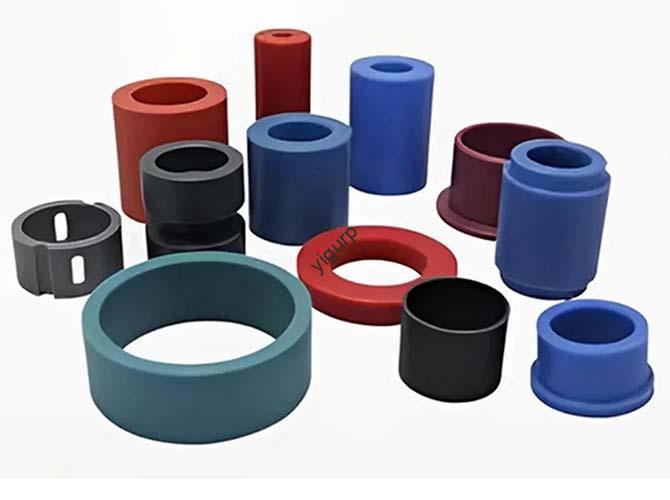
Nel campo dello sviluppo del prodotto, le parti prototipo in plastica svolgono un ruolo fondamentale nel testare i progetti, funzioni di convalida, e accelerare il lancio sul mercato. Quando si tratta di produrre questi prototipi con precisione ed efficienza, Swiss-type Machining Technology emerges as a game-changer. Ma come si adatta questa tecnologia alle proprietà uniche della plastica?, and what steps are involved in lavorazione top-notch plastic prototype parts? This article breaks down the essentials to help you overcome common challenges in plastic prototype manufacturing.
1. Swiss-type Machining Technology: Tailored for Plastic Prototypes
Swiss-type Machining Technology isn’t just for metals—it’s equally adept at handling plastics, grazie alla sua precisione, flessibilità, e automazione. A differenza delle lavorazioni tradizionali, it’s designed to tackle the softness and flexibility of plastic materials, ensuring consistent results even for complex part geometries.
Core Components & Advantages of Swiss-type Machining for Plastics
| Component/Feature | Role in Plastic Prototype Machining |
| CNC Swiss Machines | Automate processes with computer controls, ensuring repeatable accuracy for plastic parts with tight tolerance requirements. |
| Lavorazione multiasse | Enables simultaneous drilling, fresatura, e girando, perfect for complex plastic part geometry (per esempio., intricate slots or threads). |
| High-speed Machining | Reduces heat buildup (critical for heat-sensitive plastics like polycarbonate) and shortens machining time. |
| Chucking and Bar Feeding | Securely holds plastic bars (common raw material for prototypes) to prevent warping during cutting. |
| Cutting Tools and Inserts | Strumenti specializzati (per esempio., carbide inserts) minimize plastic melting and ensure smooth surface finish. |
| Automazione | Lowers manual intervention, reducing the risk of damaging delicate plastic prototypes during handling. |
Perché è importante?? Imagine you’re developing a polycarbonate prototype for a medical device with tiny holes (1diametro mm) e stretta tolleranza (±0,02 mm). UN CNC Swiss machine with multi-axis machining can create these features in one setup—no need to move the part between machines, which would risk bending or scratching the soft plastic.
2. Plastic Prototype Parts: Key Considerations Before Machining
Before starting the machining process, getting the basics right—like material selection and design—saves time and avoids costly reworks. Plastic prototypes have unique needs, and overlooking these can lead to flawed parts that don’t reflect the final product.
Critical Factors for Plastic Prototype Success
| Fattore | Dettagli & Recommendations |
| Selezione dei materiali | Choose thermoplastics based on prototype use: – ABS: Ideal for visual prototypes (basso costo, facile da lavorare). – Policarbonato: Great for functional tests (resistente agli urti, trasparente). – Nylon: Best for parts needing wear resistance (per esempio., ingranaggi). – Polipropilene: Good for flexible prototypes (resistente agli agenti chimici). |
| Progettazione CAD | Utilizzo CAD (Progettazione assistita da computer) software to optimize part geometry: – Evitare angoli acuti (plastics are prone to cracking here). – Add fillets (bordi arrotondati) to improve machining ease and part strength. – Clearly define tolerance requirements (per esempio., ±0.05mm for non-critical features). |
| Surface Finish Goals | Decide on finish early: – Finitura opaca: Easy to achieve with standard cutting tools. – Glossy finish: Requires finer cutting inserts and slower feed rates. |
Esempio: A startup designing a plastic phone case prototype chose ABS for its low cost and good machinability. Their CAD design included fillets on all edges, which prevented the plastic from cracking during Swiss turning—saving them from redoing the entire batch.
3. The Step-by-Step Machining Process for Plastic Prototypes
Machining plastic prototype parts with Swiss-type technology follows a logical, sequential process that prioritizes precision and material protection. Each step addresses a key challenge (per esempio., accumulo di calore, deformazione della parte) to ensure the final prototype meets design specs.
Fare un passo 1: Machine Setup and Calibration
- Load the plastic bar (per esempio., ABS, policarbonato) into the chucking and bar feeding system.
- Calibrate the CNC Swiss machine to match the plastic’s properties: Lower spindle speeds for heat-sensitive plastics (per esempio., polipropilene) per evitare che si sciolga.
- Install specialized cutting tools and inserts (per esempio., high-speed steel tools for soft plastics) to minimize tool wear.
Fare un passo 2: Girando (Shaping the Basic Form)
- The machine rotates the plastic bar while a cutting tool performs Tornitura svizzera to shape the outer surface (per esempio., the body of a plastic gear).
- Use slow feed rates (per esempio., 0.1mm/giro) to prevent the plastic from deforming—soft plastics are more prone to warping than metals.
Fare un passo 3: Operazioni secondarie (Adding Details)
- Utilizzo multi-axis machining to perform:
- Perforazione: Create holes for screws or connectors (use sharp drills to avoid chipping the plastic).
- Fresatura: Add slots, scanalature, or recesses (per esempio., for button placements on a plastic controller prototype).
- Filettatura: Cut internal or external threads (use fine-thread tools to prevent stripping the plastic).
Fare un passo 4: Rettifica (Refining Surface Finish)
- Perform macinazione only if a smooth finish is required (per esempio., transparent polycarbonate prototypes).
- Use a soft grinding wheel to avoid scratching the plastic’s surface.
Fare un passo 5: Controllo e ispezione di qualità
- Condotta controllo di qualità checks using tools like calipers (per verificare le tolleranze) and a surface roughness tester (to check finish).
- Utilizzo metodi di ispezione like visual checks (for cracks or chips) and dimensional measurements (to ensure part geometry matches the CAD design).
- If issues are found (per esempio., a hole is too small), adjust the CNC program and re-run a test part before machining the full batch.
Key Machining Parameters for Common Plastics
| Plastic Type | Velocità del mandrino (giri al minuto) | Tasso di avanzamento (mm/giro) | Recommended Cutting Tool |
| ABS | 3,000–5,000 | 0.1–0.2 | Inserti in carburo |
| Policarbonato | 2,500–4,000 | 0.08–0,15 | Acciaio rapido |
| Nylon | 3,500–5.500 | 0.12–0.22 | Diamond-coated inserts |
| Polipropilene | 2,000–3,500 | 0.07–0.13 | Inserti in carburo |
La prospettiva della tecnologia Yigu
Alla tecnologia Yigu, we’ve refined Swiss-type machining for plastic prototypes to address the unique challenges of plastic materials. Our team uses specialized tooling and calibrated CNC Swiss machines to prevent heat damage and warping—critical for plastics like polycarbonate. We often advise clients to prioritize material selection early: Choosing the right thermoplastic (per esempio., ABS for visuals, nylon for function) consente di risparmiare tempo e costi. For plastic prototype projects, Swiss-type machining isn’t just efficient—it’s the most reliable way to get accurate, functional parts that speed up product development.
Domande frequenti
1. Can Swiss-type machining handle complex plastic prototype geometries (per esempio., parts with multiple holes and slots)?
SÌ! Lavorazione multiasse in Swiss-type machines lets you add holes, slot, and other details in one setup—no need for multiple machines. This avoids damaging delicate plastic parts during handling and ensures consistent geometry.
2. How do you prevent plastic from melting during Swiss-type machining?
Use low spindle speeds (per esempio., 2,000–3,500 RPM for polypropylene) e velocità di avanzamento lente. Anche, use specialized cutting tools (per esempio., acciaio rapido) that dissipate heat well, and avoid machining the same area repeatedly (which builds up heat).
3. Is Swiss-type machining cost-effective for small plastic prototype batches (per esempio., 5–10 parti)?
Assolutamente. While setup costs are slightly higher, automazione and one-setup machining reduce labor time. Per piccoli lotti, this means lower overall cost than traditional machining (which requires multiple setups and more manual work).