
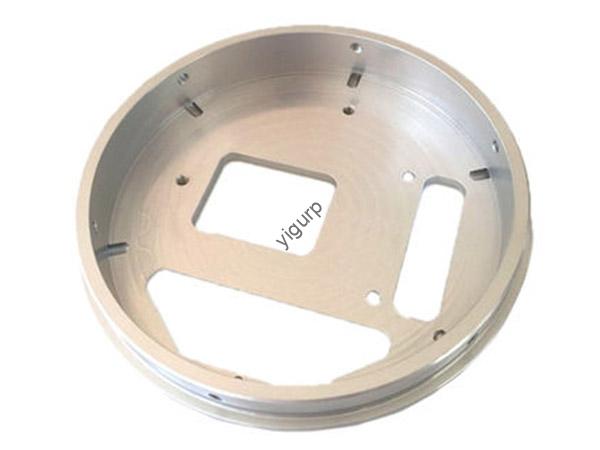
La struttura in acciaio chirurgico è specializzata, lega di elevata purezza progettata per applicazioni critiche in cui la sicurezza, durabilità, e la biocompatibilità non sono negoziabili. A differenza dell'acciaio inossidabile standard, è preciso composizione chimica— ricco di elementi resistenti alla corrosione e povero di impurità — lo rende ideale per gli strumenti chirurgici, impianti, e altri usi sensibili. In questa guida, ne analizzeremo i tratti principali, applicazioni del mondo reale, processi di produzione, e come si confronta con altri materiali, aiutandoti a selezionarlo per progetti che richiedono gli standard più elevati.
1. Principali proprietà dei materiali dell'acciaio chirurgico strutturale
L'affidabilità delle strutture in acciaio chirurgico inizia dalla sua accurata progettazione composizione chimica, che ne determina l'eccezionalità proprietà meccaniche, affidabile proprietà fisiche, e altre caratteristiche critiche.
Composizione chimica
La formula della struttura in acciaio chirurgico è ottimizzata per la biocompatibilità e la resistenza alla corrosione, con elementi chiave inclusi:
- Contenuto di cromo: 16-18% (forma uno strato protettivo di ossido, il nucleo del suo eccellente resistenza alla corrosione e previene la ruggine nei fluidi corporei o nella sterilizzazione)
- Contenuto di nichel: 10-14% (stabilizza la struttura austenitica per la duttilità e migliora la biocompatibilità)
- Contenuto di molibdeno: 2-3% (aumenta resistenza alla vaiolatura in ambienti difficili, come acqua salata o sterilizzanti chimici)
- Contenuto di carbonio: ≤0,08% (il basso contenuto di carbonio riduce al minimo la corrosione intergranulare, fondamentale per gli strumenti chirurgici saldati)
- Contenuto di manganese: ≤2% (migliora la forza senza ridurre la flessibilità)
- Contenuto di silicio: ≤1% (aiuta la disossidazione durante la produzione, garantendo la purezza)
- Contenuto di fosforo: ≤0,045% (controllato per evitare fragilità, che potrebbero rompere gli strumenti chirurgici)
- Contenuto di zolfo: ≤0,03% (ultra-basso per mantenere la resistenza alla corrosione e prevenire la tossicità)
- Ulteriori elementi di lega: Vanadio (0.1-0.5%, affina la dimensione del grano per la resistenza) o titanio (0.1-0.3%, stabilizza il carbonio per evitare la precipitazione del carburo)
Proprietà fisiche
| Proprietà | Valore tipico (Grado 316L, un comune tipo di acciaio chirurgico) |
| Densità | 7.9 g/cm³ |
| Conducibilità termica | 16 Con/(m·K) (a 20°C) |
| Capacità termica specifica | 0.5 J/(g·K) (a 20°C) |
| Coefficiente di dilatazione termica | 16 × 10⁻⁶/°C (20-500°C) |
| Proprietà magnetiche | Non magnetico (Qualità austenitiche come 316L: ideali per strumenti compatibili con la risonanza magnetica) |
Proprietà meccaniche
La struttura in acciaio chirurgico bilancia resistenza e duttilità, essenziale sia per gli impianti rigidi che per gli strumenti flessibili:
- Elevata resistenza alla trazione: 550-700 MPa (abbastanza forte da consentire agli impianti ortopedici di sostenere il peso corporeo)
- Forza di rendimento: 200-300 MPa (abbastanza flessibile da piegare la pinza chirurgica senza deformazione permanente)
- Allungamento: 30-40% (In 50 mm: consente la formazione di forme complesse come gli apparecchi ortodontici)
- Durezza: 150-180 Brinell, 70-80 Rockwell B, 160-190 Vickers (abbastanza morbido per la lavorazione, abbastanza duro da resistere all'usura)
- Resistenza alla fatica: 250-300 MPa (a 10⁷ cicli: fondamentale per gli impianti sottoposti a stress ripetuti, come le articolazioni dell'anca)
- Resistenza all'impatto: 100-150 J (a temperatura ambiente: resiste alle crepe dovute a impatti improvvisi, come far cadere strumenti chirurgici)
Altre proprietà critiche
- Eccellente resistenza alla corrosione: Supera le prestazioni dell'acciaio standard e resiste ai fluidi corporei, prodotti chimici sterilizzanti (per esempio., ossido di etilene), e il calore dell'autoclave.
- Resistenza alla vaiolatura: Superiore: il molibdeno previene la vaiolatura in ambienti ricchi di cloruro (per esempio., acqua salata in applicazioni marine o sudore sugli impianti).
- Resistenza alla tensocorrosione: Molto buono: sopporta le sollecitazioni di trazione in ambienti corrosivi (per esempio., impianti ortopedici nell'uso quotidiano).
- Biocompatibilità: Eccezionale: conforme agli standard ISO 10993 standard; nessuna reazione tossica con i tessuti umani (sicuro per impianti e strumenti chirurgici).
- Resistenza alla sterilizzazione: Ineguagliabile: resiste a ripetuti trattamenti in autoclave (121°C, 15 psi) o radiazioni gamma senza degradarsi.
- Lavorabilità: Buono: facile da lavorare in forme precise (per esempio., minuscole lame di bisturi chirurgici) con strumenti affilati.
- Saldabilità: Eccellente: le saldature mantengono robustezza e resistenza alla corrosione (fondamentale per l'assemblaggio di manici di strumenti chirurgici).
2. Applicazioni nel mondo reale dell'acciaio strutturale chirurgico
Miscela di strutture in acciaio chirurgico biocompatibilità E eccellente resistenza alla corrosione lo rende la scelta migliore per i settori in cui la sicurezza e la durata sono fondamentali. Ecco i suoi usi più comuni:
Industria medica
- Strumenti chirurgici: Bisturi, pinza, e gli emostati utilizzano il grado 316L: resistono alla corrosione del sangue e alla sterilizzazione, e mantenere la nitidezza per anni.
- Impianti ortopedici: Le protesi dell'anca e del ginocchio utilizzano il grado 316LVM (fuso sotto vuoto per la massima purezza)—biocompatibile, abbastanza forte da sostenere il peso corporeo, e resistere all'usura.
- Strumenti odontoiatrici: I trapani e gli apparecchi dentistici utilizzano il grado 304, non magnetico (compatibile con le radiografie dentali) e resistere alla corrosione della saliva.
- Dispositivi medici: Le penne per insulina e le punte dei cateteri utilizzano acciaio chirurgico strutturale, piccolo, preciso, e sicuro per il contatto ripetuto con la pelle.
Esempio di caso: Un'azienda di dispositivi medici è passata dal titanio all'acciaio chirurgico di grado 316L per le protesi dell'anca. I nuovi impianti costano 30% meno, avevano la stessa biocompatibilità, e non ha mostrato corrosione o usura nei follow-up dei pazienti a 5 anni, riducendo i costi degli impianti per gli operatori sanitari.
Industria aerospaziale
- Componenti di aerei: I sensori del motore e i cavi di controllo utilizzano strutture in acciaio chirurgico, resistenti alla corrosione del carburante degli aerei e alle alte quote.
- Elementi di fissaggio: Bulloni e viti nelle cabine degli aerei utilizzano il grado 316L, non magnetico (evita interferenze con i sistemi di navigazione) e forte.
- Carrello di atterraggio: Piccolo, parti critiche (per esempio., boccole) utilizzare acciaio chirurgico: resistere all'usura e alla corrosione provocata dalla pioggia e dal sale stradale.
Industria automobilistica
- Componenti ad alte prestazioni: Le valvole dei motori da corsa utilizzano Grade 420 (acciaio chirurgico martensitico)— gestire le alte temperature (fino a 600°C) e resistere alla corrosione dell'olio.
- Sistemi di scarico: Gli scarichi delle auto di lusso utilizzano il grado 304: resistono alla ruggine provocata dalla pioggia e dal sale stradale, e mantenere una finitura lucida.
- Componenti delle sospensioni: I collegamenti delle sospensioni per auto di fascia alta utilizzano il grado 316L: robusto e resistente alla corrosione, migliorare la qualità di guida.
Alimenti e bevande & Industrie farmaceutiche
- Industria alimentare e delle bevande: Attrezzature per il trattamento (per esempio., spremitori di frutta) e i serbatoi di stoccaggio utilizzano il grado 316L, resistente alla corrosione degli alimenti acidi (per esempio., agrumi) e soddisfare gli standard FDA.
- Industria farmaceutica: I recipienti di miscelazione e le presse per pillole sterili utilizzano il grado 316L, facile da disinfettare, resistere alla corrosione degli agenti chimici, e prevenire la contaminazione del prodotto.
3. Tecniche di produzione di acciaio chirurgico strutturale
La produzione di strutture in acciaio chirurgico richiede precisione per mantenere la purezza e la biocompatibilità. Ecco il processo:
1. Processi metallurgici (Focalizzazione sulla purezza)
- Forno ad arco elettrico (EAF): Fonde rottami di acciaio, cromo, nichel, e molibdeno a 1.600-1.700°C. Per soddisfare gli standard di biocompatibilità vengono utilizzati rottami a bassissimo contenuto di zolfo.
- Fornace ad ossigeno basico (BOF): Per la produzione su larga scala: soffia ossigeno per rimuovere le impurità, quindi aggiunge elementi di lega (per esempio., vanadio) a livelli precisi.
- Rifusione ad arco sotto vuoto (NOSTRO): Per acciaio per impianti (per esempio., 316LVM)—fonde la lega sotto vuoto per rimuovere bolle di gas e impurità, garantendo ultra-purezza.
2. Processi di laminazione
- Laminazione a caldo: La lega fusa viene colata in lastre, riscaldato a 1.100-1.200°C, e arrotolato in forme spesse (bar, piatti) per impianti o parti strutturali.
- Laminazione a freddo: Laminato a freddo per ottenere fogli sottili (per esempio., per lame di strumenti chirurgici) con stretto controllo dello spessore: migliora la finitura superficiale e la durezza.
3. Trattamento termico
- Ricottura di soluzione: Riscaldato a 1.050-1.150°C e mantenuto per 30-60 minuti, poi raffreddato in acqua. Questo dissolve i carburi, ripristinando la resistenza alla corrosione e la duttilità.
- Ricottura di distensione: Riscaldato a 800-900°C per 1-2 ore: riduce lo stress derivante dalla saldatura o dalla formatura (fondamentale per gli strumenti chirurgici per evitare la flessione).
- Tempra e rinvenimento: Per qualità martensitiche (per esempio., 420)-temprato per indurire, poi temperato per bilanciare durezza e tenacità (per utensili da taglio).
4. Formatura e trattamento superficiale
- Metodi di formatura:
- Pressa formatura: Utilizza presse idrauliche per modellare parti come teste di impianti o manici di strumenti.
- Piegatura: Crea angoli per pinze chirurgiche o staffe aerospaziali: flessione controllata per evitare crepe.
- Lavorazione: Utilizza macchine CNC con utensili in metallo duro per realizzare forme precise (per esempio., 0.1lame di bisturi spesse mm).
- Saldatura: Utilizza la saldatura TIG per i manici degli strumenti chirurgici: basso apporto di calore per evitare di danneggiare le proprietà della lega.
- Trattamento superficiale:
- Decapaggio: Immerso in acido per rimuovere le incrostazioni dalla laminazione a caldo: preserva la resistenza alla corrosione.
- Passivazione: Trattato con acido nitrico per migliorare lo strato di ossido di cromo: aumenta la resistenza alla ruggine degli impianti.
- Elettrolucidatura: Per strumenti chirurgici e impianti: crea una superficie liscia, superficie resistente ai microbi (rimuove 5-10 µm di materiale) e migliora la biocompatibilità.
- Rivestimento (PVD): Rivestimenti sottili in nitruro di titanio per utensili da taglio: aggiungono resistenza all'usura senza compromettere la biocompatibilità.
5. Controllo qualità (Standard rigorosi)
- Test ad ultrasuoni: Controlla i difetti interni (per esempio., crepe) in impianti o componenti aerospaziali.
- Esame radiografico: Ispeziona le saldature per eventuali difetti (per esempio., porosità) negli strumenti chirurgici.
- Prove di trazione: Verifica elevata resistenza alla trazione (550-700 MPa) e forza di resa.
- Analisi della microstruttura: Esamina la lega al microscopio per confermare la purezza e l'assenza di impurità (fondamentale per la biocompatibilità).
- Test di biocompatibilità: Conduce test di coltura cellulare per garantire l'assenza di reazioni tossiche (per ISO 10993) prima dell'uso medico.
4. Caso di studio: Acciaio chirurgico strutturale negli apparecchi ortodontici
Una società di forniture dentistiche ha utilizzato acciaio inossidabile standard per gli apparecchi ortodontici, ma i pazienti lamentavano irritazioni e macchie di ruggine. Sono passati all'acciaio chirurgico strutturale di grado 316L, con i seguenti risultati:
- Biocompatibilità: I reclami di irritazione sono diminuiti dell'80%: l'acciaio non ha reagito con la saliva o il tessuto gengivale sensibile.
- Resistenza alla corrosione: Nessun punto di ruggine dopo 2 anni di utilizzo (contro. 6 mesi per l'acciaio standard).
- Soddisfazione del paziente: 90% dei pazienti ha riferito un maggiore comfort, e gli ortodontisti hanno notato una regolazione più semplice (a causa della duttilità dell’acciaio).
5. Acciaio chirurgico strutturale vs. Altri materiali
Come si confronta l'acciaio strutturale chirurgico con altri materiali popolari? Analizziamolo con una tabella dettagliata:
| Materiale | Costo (contro. Acciaio chirurgico di grado 316L) | Resistenza alla trazione | Biocompatibilità | Resistenza alla corrosione (Fluidi corporei) | Magnetico |
| Grado 316L (Acciaio chirurgico) | Base (100%) | 550-700 MPa | Eccellente | Eccellente | NO |
| Grado 304 (Acciaio inossidabile standard) | 70% | 515 MPa | Bene (non per impianti) | Bene | NO |
| Lega di titanio (Ti-6Al-4V) | 400% | 860 MPa | Eccellente | Eccellente | NO |
| Acciaio al carbonio | 30% | 400-550 MPa | Povero (tossico) | Povero | SÌ |
| Lega di alluminio (6061) | 80% | 310 MPa | Giusto (non per impianti a lungo termine) | Bene | NO |
Idoneità all'applicazione
- Impianti chirurgici: L'acciaio chirurgico di grado 316L è migliore del titanio (più economico, più facile da lavorare) e soddisfa gli standard di biocompatibilità.
- Apparecchi dentali: Superiore allo standard 304 (meno irritazione, niente ruggine) e più economico del titanio.
- Elementi di fissaggio aerospaziali: Meglio dell'acciaio al carbonio (resistente alla corrosione) e non magnetico (evita interferenze di navigazione).
- Trasformazione alimentare: L'acciaio chirurgico di grado 316L supera l'alluminio (resiste ai cibi acidi) e soddisfa gli standard FDA.
Il punto di vista di Yigu Technology sull’acciaio strutturale chirurgico
Alla tecnologia Yigu, consideriamo l’acciaio strutturale chirurgico come un materiale fondamentale per le industrie focalizzate sulla sicurezza. Suo biocompatibilità, eccellente resistenza alla corrosione, e la precisione lo rendono ideale per il nostro settore medico, aerospaziale, e clienti del settore alimentare. Consigliamo spesso il grado 316L per impianti e strumenti chirurgici, e Grado 304 per usi meno critici come le attrezzature alimentari. Anche se più costoso dell'acciaio standard, la sua affidabilità riduce i rischi a lungo termine (per esempio., fallimento dell'impianto), in linea con il nostro obiettivo di fornire prodotti sicuri, soluzioni sostenibili.
Domande frequenti
1. Ciò che rende l’acciaio chirurgico strutturale diverso dall’acciaio inossidabile standard?
Le strutture in acciaio chirurgico hanno standard di purezza più severi (zolfo/fosforo più bassi), più alto cromo E molibdeno per una migliore resistenza alla corrosione, e si incontra biocompatibilità standard (ISO 10993). L'acciaio inossidabile standard può presentare impurità o una minore resistenza alla corrosione, rendendolo pericoloso per l’uso medico.
2. L'acciaio chirurgico strutturale è sicuro per gli impianti a lungo termine?
SÌ. Gradi come 316LVM (acciaio chirurgico fuso sotto vuoto) sono progettati per impianti a lungo termine. Sono biocompatibili (nessuna reazione tossica), resistere alla corrosione dei fluidi corporei, e averne abbastanza resistenza alla fatica per gestire l'uso quotidiano (per esempio., durata delle protesi d'anca 10+ anni).
3. La struttura in acciaio chirurgico può essere sterilizzata più volte?
Assolutamente. Resiste a ripetuti trattamenti in autoclave (121°C, 15 psi), radiazione gamma, o sterilizzanti chimici (per esempio., perossido di idrogeno) senza perdere le forze, resistenza alla corrosione, o biocompatibilità, fondamentale per gli strumenti chirurgici riutilizzabili.