
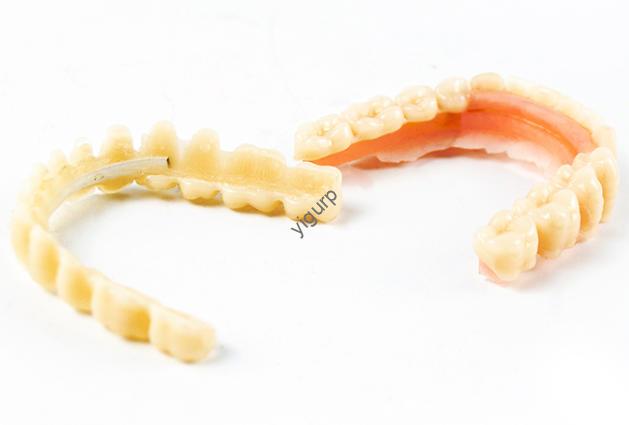
Nel settore medico altamente regolamentato, garantire la sicurezza di un dispositivo, funzionalità, e la conformità prima della produzione di massa non è negoziabile. Soft glue medical device prototype models are indispensable here—they let teams test designs, convalidare la biocompatibilità, e simulare l'uso clinico reale a un costo inferiore, fornendo al contempo dati critici per evitare errori costosi in seguito. Whether you’re a procurement engineer sourcing biocompatible materials or a product engineer refining a device’s design, this guide covers everything needed to create high-quality, industry-compliant soft glue medical prototypes.
1. Why Soft Glue Materials Are Essential for Medical Device Prototypes
Medical devices demand materials that balance flexibility, sicurezza, and durability—soft glue materials deliver on all fronts. They meet strict biocompatibility standards (to avoid patient harm), resist frequent cleaning/disinfection, and adapt to the body’s contours (for devices like wearable monitors or surgical tools).
Below is a breakdown of the most common soft glue materials for medical prototypes, le loro proprietà chiave, e applicazioni nel mondo reale:
| Tipo materiale | Proprietà chiave | Medical Device Use Case Example | Temperature Resistance Range | Compliance Standards |
| Gomma siliconica | Excellent biocompatibility, resistenza alle alte temperature, inerzia chimica | Impugnature per strumenti chirurgici, wearable sensor pads | -60da °C a 230 °C | FDA, ISO 10993 |
| TPU (Poliuretano termoplastico) | Good elasticity, resistenza all'usura, trasparente (optional) | Consigli per i cateteri, insulin pump seals | -40da °C a 120 °C | FDA, ISO 10993 |
| EPDM (Ethylene Propylene Rubber) | Strong water resistance, ozone resistance, bassa tossicità | Medical device housing gaskets, dialysis machine seals | -50da °C a 150 °C | FDA, ISO 10993 |
Caso di studio: A leading medical device firm used silicone rubber prototypes to test wearable glucose monitor pads. The prototypes underwent 500+ cycles of skin contact and alcohol disinfection—they remained non-irritating, retained flexibility, e ho incontrato l'ISO 10993 standard di biocompatibilità. This early validation saved the company $200,000 in rework costs for a design that would have failed compliance later.
2. Step-by-Step Process to Create Soft Glue Medical Device Prototype Models
Creating a reliable soft glue medical device prototype model requires strict adherence to precision and compliance. Below is a proven workflow used by top medical manufacturers:
Fare un passo 1: Material Selection – Prioritize Safety & Function
Choosing the right material is make-or-break for medical prototypes. Focus on these factors:
- Biocompatibilità: Ensure the material meets FDA or ISO 10993 standard (non tossico, non-irritating to skin/tissues).
- Use Case Fit: For high-heat sterilization (per esempio., autoclaved tools), pick silicone. For flexible parts like catheter tips, TPU works best.
- Disinfection Resistance: The material must withstand harsh cleaners (per esempio., hydrogen peroxide) senza degradarsi.
Pro Tip: A startup once used EPDM (instead of silicone) for a surgical tool grip prototype. EPDM reacted with disinfectant, causing discoloration and cracking—delaying the project by 4 settimane. Always test material compatibility with your disinfection protocol!
Fare un passo 2: Data Collection – Ensure Design Accuracy & Conformità
This step lays the groundwork for a prototype that matches your design and meets regulatory needs:
- 3D Drawing Import: Ask for customer-provided 3D CAD files (per esempio., FARE UN PASSO, IGES formats). These files must include every detail (per esempio., part thickness, hole placement) to avoid compliance gaps. A diagnostic device maker once missed a 0.5mm hole in CAD files, leading to a prototype that couldn’t fit a sensor—double-check files with a regulatory team.
- Gypsum Sample Production: Create a gypsum sample to confirm shape, curvature, and size. This acts as a “test run” for mold accuracy—critical for devices like surgical guides that need exact fits. A dental device manufacturer uses gypsum samples to verify the curve of a soft glue mouthguard, ensuring a 0.1mm margin of error for patient comfort.
Fare un passo 3: CNC Machining – Precision for Medical-Grade Parts
CNC machining delivers the accuracy needed for medical devices, where even small flaws can risk patient safety:
- Programmazione & Setting: Use CNC software (per esempio., Mastercam) to create precise cutting paths. The machine removes excess material, retaining the exact part shape—with surface roughness as low as Ra 0.8μm (smooth enough to avoid bacteria buildup). Per esempio, CNC machining ensures catheter tip prototypes have no sharp edges that could damage blood vessels.
- Multi-Axis Machining Technology: Per parti complesse (per esempio., curved surgical tool grips), use 5-axis CNC machines. This technology cuts parts in one go, reducing setup time by 35% e migliorare la precisione di 20% compared to 3-axis machines. A neurosurgical device brand cut prototype production time from 6 giorni a 2.5 using this tech.
Fare un passo 4: Post-Treatment – Boost Safety & Durabilità
Post-treatment ensures your prototype is ready for clinical testing and compliance checks:
- Sbavatura: Use 400-grit or finer sandpaper to remove knife marks and burrs. Burrs on soft glue parts (per esempio., sensor pads) can irritate skin—this step is non-negotiable for patient safety.
- Trattamento superficiale: Apply treatments like anti-microbial coatings (to prevent bacteria growth) or silk screen printing (for part labels like “sterile”). A hospital equipment maker adds an anti-microbial coating to soft glue bedpan gaskets—reducing bacterial contamination by 40% in tests.
Fare un passo 5: Assemblea & Testing – Validate Safety & Function
This step ensures your prototype works as intended in real clinical settings:
- Test Assembly: Fit all parts together to check for gaps or misalignments. Per esempio, a ventilator manufacturer tests assembling soft glue valve seals with metal components to ensure no air leaks (critical for patient breathing support).
- Test funzionali: Test the prototype under conditions that mimic clinical use. Key tests include:
- Biocompatibility Testing: Run skin irritation and cytotoxicity tests (per ISO 10993) to confirm patient safety.
- Mechanical Stability: Subject the prototype to 10,000+ cycles of use (per esempio., opening/closing a surgical tool grip) senza crepe.
- Environmental Simulation: Expose to 121°C (autoclave temperature) or harsh disinfectants to test durability.
Fare un passo 6: Confezione & Shipping – Protect Compliance & Qualità
Medical prototypes need packaging that maintains sterility and prevents damage:
- Sicuro, Sterile Packaging: Use FDA-approved sterile bags and foam inserts to avoid contamination. A supplier once shipped prototypes in non-sterile boxes—30% had to be discarded for failing sterility checks.
- Consegna puntuale: Align production with regulatory timelines. Most medical projects need prototypes in 3-4 settimane (to meet clinical trial deadlines). If materials are delayed (per esempio., silicone shortages), communicate early to adjust plans.
3. Yigu Technology’s Perspective on Soft Glue Medical Device Prototypes
Alla tecnologia Yigu, we’ve supported 450+ medical clients in creating soft glue medical device prototype models Sopra 10 anni. We believe success lies in merging precision with compliance—we only use materials that meet FDA/ISO 10993 standards and add 2 extra compliance checks (pre-machining and post-treatment) to avoid regulatory risks. Per esempio, we developed a custom silicone blend for a cardiac device client that’s more flexible than standard silicone and withstands autoclaving 100+ times. For engineers and procurement teams, partnering with a supplier who understands medical compliance isn’t just helpful—it’s essential to protect patients and avoid costly delays.
Domande frequenti
- Q: How long does it take to make a soft glue medical device prototype?
UN: Tipicamente 3-4 settimane, a seconda della complessità. Parti semplici (like small gaskets) take 3 settimane, while complex parts (like surgical tool grips) take 4 settimane (to account for compliance checks).
- Q: Can soft glue medical prototypes be used in clinical trials?
UN: Yes—if they meet regulatory standards. Our prototypes are made with FDA/ISO 10993-compliant materials and undergo biocompatibility testing, making them suitable for early-phase clinical trials. Always confirm compliance with your regulatory team.
- Q: Do you provide material certificates for medical prototypes?
UN: Assolutamente. For every prototype, we provide a certificate of compliance (CoC) that verifies the material meets FDA/ISO 10993 standard. This helps streamline your regulatory approval process.