
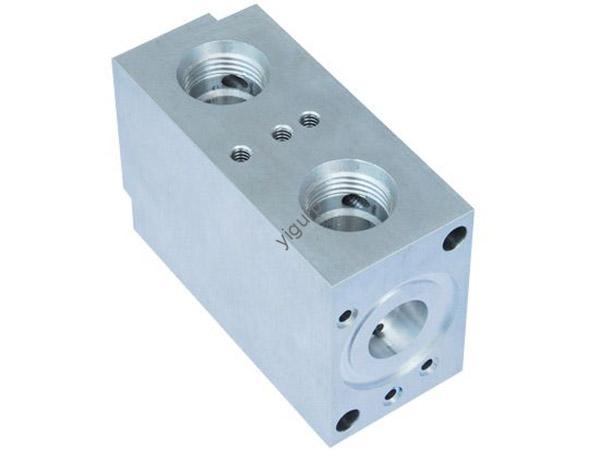
Se lavori nello stampaggio a caldo, stampaggio ad iniezione di materie plastiche, o produzione di componenti aerospaziali, è necessario un acciaio per utensili in grado di resistere alle alte temperature e all'usura elevata.Acciaio per utensili per lavorazioni a caldo SKD61 è la scelta migliore per questi lavori difficili, ma ciò che lo rende così affidabile? Questa guida analizza le sue proprietà principali, applicazioni del mondo reale, metodi di produzione, e come si confronta con altri materiali, con esempi pratici per aiutarti a prendere decisioni informate.
1. Proprietà del materiale principale dell'acciaio per utensili per lavorazioni a caldo SKD61
La capacità di SKD61 di funzionare in condizioni di calore e stress inizia dalla sua composizione attentamente bilanciata e dalle sue proprietà uniche. Esploriamo i dettagli.
Composizione chimica
Ogni elemento in SKD61 gioca un ruolo nelle sue prestazioni. Ecco i componenti critici e le loro gamme standard di settore:
- Contenuto di carbonio (0.35 – 0.45%): Fornisce una base per durezza e resistenza senza rendere fragile l'acciaio.
- Contenuto di cromo (4.75 – 5.50%): Aumenta resistenza all'usura e aiuta a mantenere la forza alle alte temperature.
- Contenuto di manganese (0.20 – 0.60%): Migliora la temprabilità e riduce la fragilità durante la formatura.
- Contenuto di silicio (0.15 – 0.35%): Migliora la robustezza e la resistenza al calore.
- Contenuto di molibdeno (1.10 – 1.75%): Ulteriori miglioramenti durezza a caldo (la capacità di rimanere duro alle alte temperature) e resistenza alla fatica.
- Contenuto di vanadio (0.80 – 1.20%): Affina la struttura del grano per una migliore tenacità e resistenza all'usura.
- Contenuto di fosforo (≤0,03%) E Contenuto di zolfo (≤0,03%): Tenuto basso per evitare punti deboli, soprattutto in applicazioni ad alto stress.
Fisico & Proprietà meccaniche
Per facilitare la valutazione, ecco una tabella delle principali caratteristiche fisiche e meccaniche di SKD61:
| Tipo di proprietà | Proprietà specifica | Valore tipico |
|---|---|---|
| Proprietà fisiche | Densità | ~7,85 g/cm³ |
| Conduttività termica | ~35 W/(m·K) | |
| Capacità termica specifica | ~0,48 kJ/(kg·K) | |
| Coefficiente di dilatazione termica | ~11 x 10⁻⁶/°C | |
| Proprietà magnetiche | Ferromagnetico | |
| Proprietà meccaniche | Resistenza alla trazione | ~1800 – 2000 MPa |
| Forza di rendimento | ~1400 – 1600 MPa | |
| Allungamento | ~10 – 15% | |
| Durezza Rockwell (dopo il trattamento termico) | 58 – 62 HRC | |
| Resistenza alla fatica | ~700 – 800 MPa | |
| Resistenza all'impatto | Da moderato ad alto |
Altri tratti chiave
Al di là dei numeri, SKD61 offre vantaggi pratici per i produttori:
- Eccellente resistenza all'usura: Gestisce gli attriti ripetuti senza consumarsi rapidamente.
- Elevata durezza a caldo: Mantiene la sua durezza anche a temperature fino a 600°C (fondamentale per gli strumenti di lavoro a caldo).
- Buona tenacità: Non si rompe facilmente in caso di urti improvvisi.
- Lavorabilità (bene prima del trattamento termico): Easy to shape into custom tool designs before hardening.
- Saldabilità (con cautela): Può essere saldato, but pre-heating and post-heating are needed to avoid cracking (a causa dell’alto contenuto di carbonio).
2. Applicazioni reali dell'acciaio per utensili per lavorazioni a caldo SKD61
SKD61’s heat resistance and durability make it essential across several industries. Ecco i suoi usi più comuni, with real case examples.
Strumenti per la lavorazione a caldo
This is SKD61’s primary use—tools that shape metal at high temperatures:
- Stampi per stampaggio a caldo: Used to shape steel, alluminio, or brass parts (per esempio., alberi motore automobilistici).
- Filiere di estrusione a caldo: Press hot metal through openings to make rods, tubes, or profiles (per esempio., aluminum window frames).
- Strumenti per stampa a caldo: Form high-strength steel for car bodies (per esempio., crash-resistant door beams).
Esempio di caso: A Japanese automotive supplier used SKD61 for hot forging dies to make engine connecting rods. The dies lasted 30% longer than those made from cheaper tool steels, riducendo i costi di sostituzione $20,000 all'anno.
Industria aerospaziale
Aerospace parts need to handle extreme heat and stress. SKD61 is used for:
- Componenti ad alta resistenza: Strumenti per la produzione di pale di turbine o parti di carrelli di atterraggio di aerei.
- Parti resistenti all'usura: Stampi per la modellatura di componenti in titanio o leghe di nichel (che richiedono alte temperature per formarsi).
Industria automobilistica
Oltre alla forgiatura di stampi, SKD61 is used for:
- Componenti ad alta resistenza: Stampi per parti di motore resistenti alle alte temperature (per esempio., teste dei cilindri).
- Parti resistenti all'usura: Attrezzatura per lo stampaggio di pannelli di carrozzeria in acciaio ad alta resistenza.
Industria meccanica
In macchinari in generale, SKD61 is used for:
- Ingranaggi E alberi: Parti che devono resistere all'usura e al calore (per esempio., riduttori industriali).
- Cuscinetti: Componenti che gestiscono carichi pesanti e attrito (per esempio., cuscinetti del sistema di trasporto).
Stampaggio ad iniezione di materie plastiche
Anche se è un acciaio “lavorato a caldo”., SKD61 funziona bene per stampi in plastica che funzionano a temperature moderate:
- Stampi per particolari in plastica: Utilizzato per la produzione di grandi volumi (per esempio., parti di giocattoli in plastica o involucri elettronici).
- Componenti del nucleo e della cavità: Le parti interne ed esterne degli stampi che danno forma alla plastica (resiste all'usura dovuta a iniezioni ripetute).
3. Tecniche di produzione dell'acciaio per utensili per lavorazione a caldo SKD61
Trasformare SKD61 grezzo in strumenti utilizzabili richiede passaggi precisi. Ecco una ripartizione dei processi chiave.
1. Processi metallurgici (Fusione & Raffinazione)
- Forno ad arco elettrico (EAF): Il metodo più comune. I rottami di acciaio vengono fusi a 1.600–1.800 °C, e leghe (cromo, molibdeno, vanadio) vengono aggiunti per colpire bersagli chimici.
- Fornace ad ossigeno basico (BOF): Utilizzato per la produzione su larga scala (100+ lotti di tonnellate) per ridurre le impurità come il fosforo.
2. Processi di laminazione
La laminazione modella SKD61 in forme standard per ulteriori lavorazioni:
- Laminazione a caldo: L'acciaio viene riscaldato a 900–1.100°C e pressato in barre, piatti, o blocchi (veloce, conveniente per utensili di grandi dimensioni).
- Laminazione a freddo: Utilizzato per i più piccoli, parti precise (per esempio., inserti sottili dello stampo). L'acciaio viene laminato a temperatura ambiente per superfici più lisce.
3. Trattamento termico
Il trattamento termico è fondamentale per sfruttare appieno il potenziale di SKD61:
- Ricottura: Riscaldato a 800–850°C, tenuto per 2-4 ore, poi lentamente raffreddato. Questo ammorbidisce l'acciaio per una facile lavorazione.
- Tempra: Riscaldato a 1.020–1.050°C, poi raffreddato rapidamente in olio o aria. Questo indurisce l'acciaio 60+ HRC.
- Temperamento: Riscaldato a 500–600°C (a seconda della durezza desiderata), poi raffreddato. Ciò riduce la fragilità mantenendo un'elevata durezza (durezza finale: 58–62HRC).
- Ricottura di distensione: Riscaldato a 600–650°C dopo la lavorazione o la saldatura per eliminare lo stress interno (previene deformazioni o screpolature).
4. Trattamento superficiale
Per aumentare le prestazioni, Gli strumenti SKD61 spesso ricevono trattamenti superficiali:
- Indurimento: Trattamento termico aggiuntivo per aumentare la durezza superficiale (per esempio., indurimento alla fiamma dei bordi dello stampo).
- Nitrurazione: Un processo chimico che aggiunge azoto alla superficie, aumentando la resistenza all’usura (comune per la forgiatura di stampi).
- Rivestimento (per esempio., PVD, CVD): La deposizione fisica o chimica del vapore aggiunge un sottile, strato duro (per esempio., nitruro di titanio) per ridurre l'attrito e l'usura (utilizzato per stampi ad iniezione plastica).
5. Controllo qualità
Nessuno strumento SKD61 lascia la fabbrica senza test rigorosi:
- Test di durezza: Test Rockwell C per confermare 58–62 HRC dopo il trattamento termico.
- Analisi della microstruttura: Controlla la granulometria uniforme e l'assenza di difetti (per esempio., crepe o inclusioni).
- Controllo dimensionale: Utilizza calibri, scanner laser, o macchine di misura a coordinate (CMM) per garantire che gli strumenti corrispondano alle specifiche di progettazione.
4. SKD61 contro. Altri materiali: Un'analisi comparativa
In che modo SKD61 si confronta con altri acciai per utensili, acciai inossidabili, o compositi? Ecco un confronto fianco a fianco.
| Materiale | Costo (contro. SKD61) | Resistenza alla trazione | Durezza a caldo (a 600°C) | Resistenza all'usura | Ideale per |
|---|---|---|---|---|---|
| SKD61 | Base (100%) | 1800–2000MPa | Alto (conserva 50+ HRC) | Eccellente | Stampi per stampaggio a caldo, matrici di estrusione |
| Acciaio per utensili A2 | 70% | 1600–1800 MPa | Basso (scende a 35 HRC) | Bene | Stampi per stampaggio a freddo |
| Acciaio per utensili D2 | 90% | 1700–1900MPa | Basso (scende a 40 HRC) | Eccellente | Utensili per il taglio a freddo |
| Acciaio per utensili H13 | 110% | 1800–2000MPa | Alto (conserva 50+ HRC) | Eccellente | Filiere di estrusione a caldo (simile a SKD61) |
| 440C acciaio inossidabile | 85% | 1700–1900MPa | Basso (scende a 30 HRC) | Bene | Utensili a freddo resistenti alla corrosione |
| Lega di titanio (Ti-6Al-4V) | 500% | 900–1100MPa | Moderare (conserva 35 HRC) | Bene | Parti aerospaziali leggere (non utensili) |
| Composito in fibra di carbonio | 800% | 2500+ MPa | Basso (rammollisce sopra i 200°C) | Eccellente | Leggero, utensili a bassa temperatura (per esempio., stampi in plastica) |
Punti chiave:
- contro. Altri acciai per utensili: SKD61 supera A2 e D2 in durezza a caldo (fondamentale per la lavorazione a caldo). È simile all’H13 ma spesso più economico, rendendolo un valore migliore.
- contro. Acciaio inossidabile (440C): SKD61 ha una migliore resistenza al calore e all'usura: 440C è migliore solo per le applicazioni fredde soggette a corrosione.
- contro. Titanio/compositi: Il titanio e i compositi sono più leggeri, ma non hanno la durezza e la durata di SKD61. Sono migliori per le parti, non utensili.
5. Punto di vista esperto: Tecnologia Yigu sull'acciaio per utensili per lavorazioni a caldo SKD61
ATecnologia Yigu, abbiamo fornito gli utensili SKD61 a 500+ clienti nel settore automobilistico, aerospaziale, e produzione. Ciò che rende SKD61 insostituibile? La sua capacità di equilibriodurezza a caldo e tenacità: gli acciai per utensili più economici si consumano rapidamente o si rompono sotto il calore. Lo consigliamo per stampi a caldo ed estrusione, dove riduce i costi di sostituzione degli utensili del 25–30%. Per i clienti che necessitano di una maggiore resistenza alla corrosione, aggiungiamo un rivestimento PVD agli stampi SKD61, allungando ancora di più la loro vita. Per utensili ad alta temperatura, SKD61 rimane la nostra migliore raccomandazione.
Domande frequenti sull'acciaio per utensili per lavorazioni a caldo SKD61
- SKD61 può essere utilizzato per utensili per lavorazioni a freddo (per esempio., stampi per stampaggio a freddo)?
SÌ, ma non è la scelta migliore. Gli acciai per utensili A2 o D2 sono più economici e hanno una resistenza all'usura simile per le applicazioni a freddo. La forza di SKD61 sta nella gestione delle alte temperature. - Qual è la temperatura massima che SKD61 può gestire?
SKD61 mantiene la sua durezza (50+ HRC) fino a ~600°C. Può tollerare brevi esposizioni fino a 700°C, ma l'uso prolungato sopra i 600°C ne ridurrà la durata. - SKD61 è riciclabile?
SÌ! Come la maggior parte degli acciai per utensili, SKD61 può essere fuso e riutilizzato in nuovi utensili. Ciò riduce gli sprechi e l'impatto ambientale, come molti produttori (inclusa la tecnologia Yigu) offrono programmi di riciclaggio per i vecchi strumenti SKD61.