
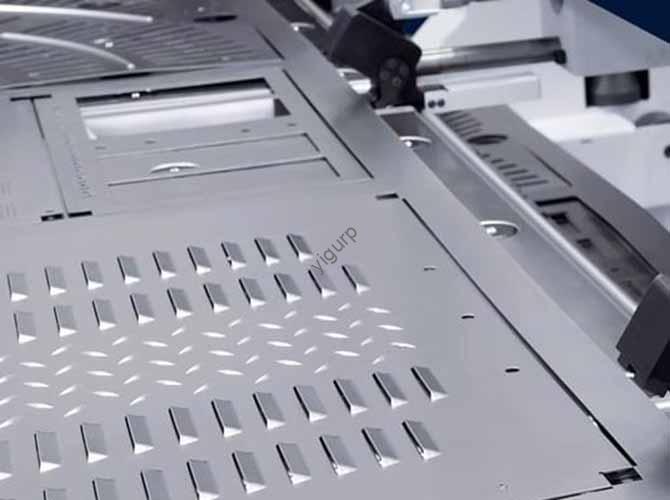
Se stai cercando “Lamiera Germania,"Probabilmente stai cercando di collaborare con fornitori affidabili, comprendere gli standard di qualità del settore, o scopri come la produzione tedesca di lamiere si distingue a livello globale. In poche parole, Il settore tedesco della lamiera è rinomatoingegneria di precisione, rigorose certificazioni di qualità, Einnovazione nella produzione sostenibile— rendendolo la scelta migliore per settori come quello automobilistico, aerospaziale, e tecnologia medica. Questa guida analizza tutto ciò che devi sapere, dai principali attori agli standard tecnici, per aiutarti a prendere decisioni informate.
Perché la Germania è leader mondiale nella fabbricazione della lamiera
Il dominio della Germania nel settore della lamiera non è casuale: è costruito su decenni di investimenti nella tecnologia, formazione della forza lavoro, e controllo di qualità. Ecco cosa lo distingue:
Standard di precisione e qualità senza eguali
I laboratori tedeschi di lamiera aderiscono ad alcuni degli standard più severi a livello mondiale, compresoDA (Istituto tedesco per la standardizzazione) EISO 9001 certificazioni. Per esempio, un fornitore leader in Baviera, MetalTech GmbH, è specializzata in particolari in lamiera per l'industria automobilistica. La loro linea di produzione utilizza macchine da taglio laser con una tolleranza di ±0,02 mm, fondamentale per componenti come le staffe del motore che richiedono un montaggio perfetto. Questo livello di precisione riduce gli sprechi (tipicamente di seguito 3%, rispetto alla media globale di 5-7%) e garantisce prestazioni durature.
Innovazione nelle pratiche sostenibili
La sostenibilità è un obiettivo fondamentale per i produttori di lamiera tedeschi. Secondo ilFederazione tedesca delle industrie metallurgiche (VDMA), 85% delle aziende tedesche che producono lamiera hanno implementato programmi di riciclaggio dei rottami metallici, E 60% utilizzare macchinari ad alta efficienza energetica (per esempio., taglierine laser a fibra che riducono il consumo di energia 50% contro. laser CO2 tradizionali). GreenSheet GmbH nel Nord Reno-Westfalia è un ottimo esempio: alimentano l'intera struttura con energia solare e utilizzano refrigeranti a base d'acqua per ridurre al minimo l'impatto ambientale, senza compromettere la velocità di produzione.
Forza lavoro qualificata e competenza tecnica
Il sistema educativo duale tedesco, che combina l’apprendimento in classe con la formazione sul posto di lavoro, garantisce ai lavoratori sia conoscenze teoriche che abilità pratiche. Un tipico tecnico della lamiera in Germania spende 3.5 anni di formazione, coprendo argomenti come la programmazione CNC, tecniche di saldatura, e controllo di qualità. Questa competenza è il motivo per cui alle aziende piaceSiemens EBosch affidarsi a fornitori locali di lamiera per parti personalizzate: sanno che la forza lavoro può gestire progetti complessi, come la fabbricazione di involucri complessi per dispositivi medici.
Principali applicazioni della lamiera nelle principali industrie tedesche
La lamiera è la spina dorsale dell’economia industriale tedesca, con una domanda trainata da diversi settori ad alta crescita. Di seguito è riportato come viene utilizzato nei settori chiave, con esempi del mondo reale:
| Industria | Prodotti comuni in lamiera | Caso d'uso di esempio |
|---|---|---|
| Automobilistico | Componenti del telaio, pannelli della carrozzeria, parentesi | BMW fonti staffe in lamiera di alluminio daAutoSheet GmbH per il suo modello iX elettrico. |
| Aerospaziale | Parti del motore, sezioni della fusoliera | Airbus partner conAeroSheet KG ad Amburgo per produrre parti in lamiera di titanio per l'A350. |
| Medico | Contenitori per apparecchiature, strumenti chirurgici | Sterile utilizza lamiera daMetalli MedTech a Stoccarda per realizzare involucri resistenti alla corrosione per macchine di sterilizzazione. |
| Energia rinnovabile | Cornici di pannelli solari, componenti di turbine eoliche | Siemens Gamesa fa affidamento suEcoSheet GmbH per fabbricare telai in acciaio per turbine eoliche onshore. |
Come scegliere il giusto fornitore di lamiera in Germania
Selezionare un fornitore in linea con le tue esigenze richiede il controllo di criteri specifici, oltre al semplice prezzo. Ecco una struttura passo passo:
1. Verifica certificazioni
Cerca fornitori con certificazioni specifiche del settore:
- ISO 9001: Garantisce una gestione coerente della qualità.
- IATF 16949: Obbligatorio per i fornitori automobilistici (copre la gestione del rischio e il miglioramento continuo).
- AS9100: Necessario per il settore aerospaziale (punta sulla tracciabilità e sulla sicurezza).Per esempio, se stai acquistando parti per un dispositivo medico, scegli un fornitore con ISO 13485 (gestione della qualità dei dispositivi medici) certificazione-come Metalli MedTech menzionato in precedenza.
2. Valutare le capacità tecniche
Non tutti i fornitori offrono gli stessi servizi. Conferma che possano gestire i requisiti del tuo progetto:
- Metodi di fabbricazione: Taglio laser, flessione, saldatura (IO/TU), stampaggio.
- Competenza sui materiali: Alluminio, acciaio, acciaio inossidabile, titanio, o leghe speciali.
- Volume di produzione: Possono gestire piccoli lotti (10-100 unità) o produzione su larga scala (10,000+ unità)?MetalTech GmbH, ad esempio, è specializzata in componenti automobilistici di grandi volumi, Mentre PrecisionSheet Berlino si concentra sui piccoli lotti, componenti personalizzati per startup.
3. Controlla tempi di consegna e logistica
La posizione centrale della Germania in Europa facilita la spedizione nei paesi vicini, ma i tempi di consegna variano. La maggior parte dei fornitori offre:
- Tempi di consegna standard: 2-4 settimane per le parti comuni.
- Ordini urgenti: 1 settimana (per un ulteriore 15-20% costo).Chiedi informazioni sulle partnership logistiche: molti fornitori collaborano con DHL o DB Schenker per garantire consegne puntuali. Per esempio, AeroSheet KG dispone di un team logistico dedicato che gestisce lo sdoganamento per le esportazioni verso l'UE e gli USA.
4. Richiedi referenze e casi di studio
I fornitori affidabili condivideranno le referenze dei clienti passati. Chiedere:
- Casi di studio di progetti simili al tuo (per esempio., “Come avete fabbricato gli involucri in lamiera per un dispositivo medico”).
- Dettagli di contatto del cliente per verificare la soddisfazione.GreenSheet GmbH pubblica casi di studio sul proprio sito web, incluso uno sulla riduzione dei costi di produzione di un cliente di 12% attraverso l'ottimizzazione dei materiali.
Le tendenze attuali che plasmano l’industria della lamiera tedesca (2024-2025)
Il settore si sta evolvendo rapidamente, guidato dalla tecnologia e dalla domanda globale. Ecco le tendenze da tenere d'occhio:
1. Automazione e Industria 4.0 Integrazione
Più di 70% delle officine tedesche di lamiera hanno adottato Industry 4.0 tecnologie (Dati VDMA, 2024). Ciò include:
- Macchine CNC connesse a piattaforme cloud: Per il monitoraggio in tempo reale della produzione e la manutenzione predittiva.
- Bracci robotizzati per saldatura e assemblaggio: Riduzione dei costi di manodopera e miglioramento della coerenza.AutoSheet GmbH usi 12 stazioni di saldatura robotizzate che funzionano 24/7, riducendo i tempi di produzione delle staffe per auto 30%.
2. Crescita nei materiali leggeri
Mentre le industrie automobilistica e aerospaziale passano ai veicoli elettrici (Veicoli elettrici) e aerei a basso consumo di carburante, la domanda di lamiere leggere è in aumento. Le leghe di alluminio e magnesio ora si compongono 40% di lamiera utilizzata nella produzione tedesca di veicoli elettrici (su da 25% In 2020). Ai fornitori piaceLightMetal Baviera specializzati in questi materiali, offrendo leghe personalizzate che bilanciano resistenza e peso.
3. Maggiore attenzione all’economia circolare
Quella del governo tedescoLegge sull’economia circolare (2023) richiede ai produttori di ridurre i rifiuti e riutilizzare i materiali. Le aziende produttrici di lamiera stanno rispondendo:
- Progettazione di parti per un facile smontaggio (quindi i materiali possono essere riciclati).
- Offre programmi di ritiro di vecchi prodotti in lamiera.EcoSheet GmbH ora offre un servizio “a circuito chiuso”.: riciclano le vecchie parti della turbina eolica di un cliente e utilizzano il metallo per realizzare nuovi componenti, riducendo i costi dei materiali del cliente 18%.
La prospettiva di Yigu Technology sulla lamiera tedesca
Alla tecnologia Yigu, riconosciamo l’industria tedesca della lamiera come punto di riferimento per qualità e innovazione, soprattutto in termini di precisione e sostenibilità. Ciò che risalta di più è il modo in cui i fornitori tedeschi bilanciano l’eccellenza tecnica con soluzioni incentrate sul cliente: non si limitano a fornire parti; collaborano per ottimizzare i progetti in termini di costi, prestazione, e impatto ambientale. Per le imprese globali, collaborare con officine tedesche di lamiera non è solo un acquisto: è un investimento in affidabilità a lungo termine. Ammiriamo anche l’attenzione della Germania allo sviluppo della forza lavoro; il loro sistema di istruzione duale garantisce un flusso costante di tecnici qualificati, che è fondamentale per mantenere la leadership del settore. Per le aziende che desiderano entrare nei mercati europei, Il settore tedesco della lamiera offre una base affidabile su cui costruire.
Domande frequenti sulla lamiera Germania
- Con quali materiali lavorano comunemente i fornitori tedeschi di lamiera?La maggior parte dei fornitori tratta l'alluminio, acciaio inossidabile, acciaio al carbonio, e titanio. Alcuni sono specializzati in leghe ad alte prestazioni per applicazioni aerospaziali o mediche.
- I pezzi in lamiera tedeschi sono più costosi di quelli di altri paesi??I costi iniziali potrebbero essere più elevati (10-20%) a causa degli standard di lavoro e qualità, ma la maggiore durata e la riduzione dei rifiuti spesso li rendono più convenienti nel lungo periodo.
- I fornitori tedeschi possono gestire progetti di lamiere personalizzati??Sì, la maggior parte offre servizi di fabbricazione personalizzati. Dovrai fornire file CAD 2D/3D, e molti fornitori dispongono di ingegneri interni che aiutano a perfezionare i progetti per la producibilità.
- Come posso garantire la conformità alle normative UE quando acquisto dalla Germania??Scegli fornitori con certificazione CE (obbligatorio per i prodotti venduti nell'UE) e richiedere documentazione di provenienza dei materiali (per conformarsi al REACH, un regolamento sulla sicurezza chimica).
- Qual è la quantità minima dell'ordine (MOQ) per i fornitori tedeschi di lamiera?I MOQ variano: alcuni fornitori accettano ordini piccoli come 5 unità (per parti personalizzate), mentre i produttori di grandi volumi potrebbero richiedere MOQ di 500+ unità. Confermalo sempre in anticipo.