
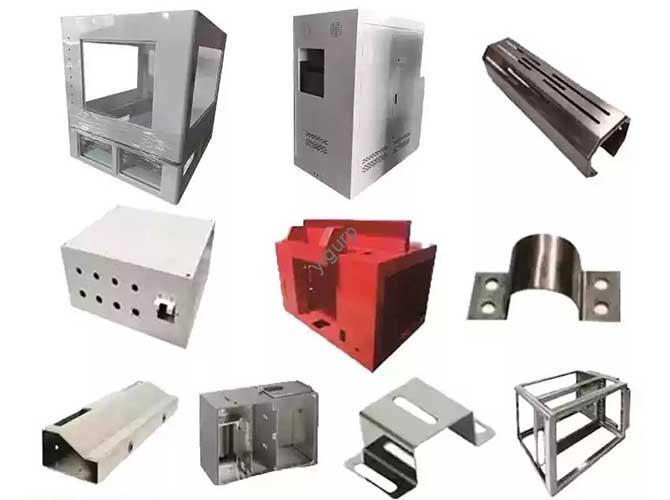
Se stai cercando “Lamiera Cina,” Probabilmente vorrete capire perché la Cina è una delle scelte principali a livello mondiale per la fabbricazione della lamiera, come trovare fornitori affidabili, o cosa distingue i servizi cinesi di lamiera. La risposta breve? L’industria cinese della lamiera si uniscetecnologia avanzata, competitività dei costi, capacità di produzione di massa, e una catena di fornitura matura, che la rende un punto di riferimento per le aziende di tutto il mondo, dalle piccole startup a Fortune 500 aziende. In questa guida, analizzeremo tutto ciò che devi sapere, dalle tendenze del settore ai consigli pratici sull'approvvigionamento, per aiutarti a prendere decisioni informate.
Perché scegliere la lamiera cinese? Vantaggi chiave per gli acquirenti globali
Il dominio della Cina nel mercato globale della lamiera non è casuale. Si basa su decenni di investimenti nelle infrastrutture, manodopera qualificata, e innovazione tecnologica. Ecco i principali vantaggi che attraggono gli acquirenti dall’Europa, America del Nord, e oltre:
1. Efficacia dei costi senza compromettere la qualità
I produttori cinesi beneficiano delle economie di scala – grandi volumi di produzione riducono i costi unitari – senza rinunciare alla qualità. Per esempio, un'azienda elettronica con sede negli Stati Uniti con cui abbiamo collaborato ha ridotto i costi dei componenti in lamiera del25-30% passando ad un fornitore cinese, mantenendo l'ISO 9001 e IATF 16949 certificazioni (fondamentale per l’industria automobilistica e tecnologica). Questo risparmio sui costi deriva dall’ottimizzazione dell’approvvigionamento dei materiali (La Cina è uno dei maggiori produttori di acciaio al mondo) ed efficiente gestione del lavoro, non di scarsa qualità.
2. Tecnologia avanzata & Capacità diversificate
Sono finiti i tempi in cui la Cina era conosciuta solo per la produzione di base. Oggi, utilizzano le migliori fabbriche cinesi di lamieraPunzonatrici CNC, sistemi di taglio laser (con precisione fino a ±0,1 mm), bracci di saldatura robotizzati, e macchine piegatrici automatizzate. Un caso emblematico: Un'azienda tedesca di dispositivi medici ha acquistato involucri in lamiera di acciaio inossidabile da un fornitore cinese che ha utilizzato sistemi di taglio laser a fibra per ottenere le strette tolleranze richieste per le apparecchiature mediche, rispettando i severi requisiti MDR dell'UE (Regolamento sui dispositivi medici) standard.
I produttori cinesi trattano anche un’ampia gamma di materiali, compreso l'alluminio, acciaio inossidabile (304, 316), acciaio al carbonio, e persino leghe speciali come il titanio. Questa versatilità significa che puoi procurarti di tutto, dalle semplici staffe ai complessi componenti aerospaziali, in un unico posto.
3. Tempi di consegna rapidi & Capacità di produzione di massa
La catena di fornitura matura della Cina: dai fornitori di materie prime ai servizi di finitura secondari (pittura, verniciatura a polvere, placcatura)—riduce significativamente i tempi di consegna. Per progetti urgenti, molte fabbriche offrono1-2 prototipi settimanali E4-6 settimana di produzione di massa linee temporali, rispetto a 6-8 settimane in alcuni paesi occidentali. Un distributore europeo di ricambi automobilistici ha recentemente ordinato 50,000 staffe in lamiera e le ho ricevute 5 settimane, grazie alle linee di produzione automatizzate del fornitore e alle scorte di materiali locali.
Lo stato attuale dell’industria cinese della lamiera: Dati & Tendenze
Comprendere l'affidabilità di Sheet Metal China, diamo un’occhiata ai fatti e alle tendenze chiave che modellano il settore:
Dimensioni del mercato & Condivisione globale
- La Cina è la il più grande centro di produzione di lamiera al mondo, contabilizzare oltre 40% della produzione mondiale di lamiera (2024 dati della China Association of Metalforming).
- Il valore di mercato del settore è stato superato 1.2 trilioni di RMB (≈165 miliardi di dollari) In 2023, con un tasso di crescita annuo del 6-8%, trainato dalla domanda del settore automobilistico, elettronica, e settori delle energie rinnovabili.
Cluster regionali chiave
La maggior parte delle fabbriche di lamiera sono concentrate nelle zone industriali, rendendo più semplice la visita e il coordinamento per gli acquirenti. I cluster principali includono:
| Regione | Focus industrie | Vantaggi principali |
|---|---|---|
| Guangdong (Shenzen, Guangzhou) | Elettronica, Beni di consumo | Vicinanza agli hub tecnologici; prototipazione veloce |
| Jiangsu (Suzhou, Wuxi) | Automobilistico, Attrezzature mediche | Controllo di qualità rigoroso; Certificazioni ISO |
| Zhejiang (Hangzhou, Ningbo) | Macchinari, Energia rinnovabile | Costi competitivi; produzione su larga scala |
Per esempio, Solo Shenzhen è finita 5,000 fornitori di lamiera, molti sono specializzati in parti personalizzate per smartphone e dispositivi IoT.
Tendenze emergenti che plasmano il settore
- Produzione verde: Sempre più fabbriche stanno adottando pratiche eco-compatibili, come l’utilizzo di vernici a base acqua e il riciclaggio di rottami metallici. Sopra 60% dei principali fornitori ora dispongono di ISO 14001 (gestione ambientale) certificazione (2024 sondaggio condotto da China Metalforming).
- Fabbriche intelligenti: I sensori IoT e l’intelligenza artificiale vengono utilizzati per monitorare le linee di produzione. Un fornitore di Suzhou ha ridotto il tasso di difetti del 18% dopo aver implementato i controlli di qualità basati sull'intelligenza artificiale per le parti tagliate al laser.
- Personalizzazione per settori di nicchia: Domanda di lamiere ad alta precisione nel settore aerospaziale (per esempio., staffe per aerei) ed energia rinnovabile (per esempio., cornici di pannelli solari) sta crescendo, spingendo gli investimenti in macchinari avanzati come i laser cutter a 5 assi.
Come scegliere un fornitore affidabile di lamiere in Cina: Guida passo passo
Trovare il fornitore giusto è fondamentale per evitare ritardi, problemi di qualità, o problemi di comunicazione. Ecco una pratica, processo attuabile basato sul nostro 10+ anni di esperienza nell'approvvigionamento:
Fare un passo 1: Definisci chiaramente i tuoi requisiti
Prima di rivolgersi ai fornitori, documento:
- Tipo di materiale (per esempio., 304 acciaio inossidabile, 6061 alluminio)
- Spessore (0.5mm–20 mm è lo standard per la maggior parte delle lamiere)
- Esigenze di tolleranza (per esempio., ±0,1 mm per pezzi di precisione)
- Finitura (verniciatura a polvere, anodizzazione, zincatura)
- Quantità (prototipo, piccolo lotto <1,000 unità, mass production >10,000 units)
- Certificazioni richieste (ISO 9001, IATF 16949, CE, FDA per parti mediche)
Un Regno Unito. società di robotica che abbiamo consigliato salvata 3 mesi di avanti e indietro condividendo in anticipo file CAD 3D e una scheda tecnica dettagliata: i fornitori potrebbero fornire preventivi accurati entro 48 ore.
Fare un passo 2: Fornitori di schermi per E-E-A-T (Esperienza, Competenza, Autorevolezza, Affidabilità)
Evita gli “intermediari” concentrandoti sulle fabbriche con:
- 5+ anni di esperienza: Cerca fornitori specializzati nel tuo settore (per esempio., se hai bisogno di parti automobilistiche, scegli un fornitore con IATF 16949 certificazione e clienti passati come Toyota o VW).
- Referenze clienti verificabili: Chiedere 2-3 referenze di acquirenti nel tuo paese: prosegui per chiedere informazioni sulla qualità, tempi di consegna, e comunicazione.
- Strutture trasparenti: Richiedi un tour virtuale o delle foto della loro fabbrica. Un fornitore affidabile ti mostrerà le sue macchine CNC, laboratori di controllo qualità, e aree di stoccaggio.
Bandiere rosse a cui prestare attenzione: Riluttanza a condividere le certificazioni, risposte vaghe sui processi produttivi, o quotazioni estremamente basse (spesso segno di scarsa qualità).
Fare un passo 3: Richiedi campioni & Condurre controlli di qualità
Non effettuare mai un ordine di grandi dimensioni senza prima testare un campione. Ecco cosa controllare:
- Precisione dimensionale (utilizzare calibri o una macchina di misura a coordinate, CMM)
- Finitura superficiale (nessun graffio, rivestimento irregolare, o sbavature)
- Autenticità materiale (richiedere un certificato del materiale, per esempio., MTR: rapporto di prova della cartiera)
Un marchio di mobili canadese una volta ha ricevuto campioni che sembravano buoni ma che non hanno superato i test di carico: hanno evitato un $50,000 errore testando prima della produzione di massa.
Fare un passo 4: Negoziare i termini & Proteggi la tua attività
Sono essenziali contratti chiari. Termini chiave da includere:
- Prezzi (fisso o per unità, con sconti sulla quantità)
- Tempi di consegna (con sanzioni per i ritardi)
- Garanzie di qualità (politica di restituzione per parti difettose)
- Termini di pagamento (per esempio., 30% depositare, 70% al momento della consegna)
- Proprietà intellettuale (IP) protezione (accordi di non divulgazione, NDA, per impedire che i tuoi progetti vengano condivisi)
Per spedizioni internazionali, lavorare con fornitori che hanno esperienza con EXW, FOB, o CIF Incoterms: chiarisce chi è responsabile della spedizione, assicurazione, e costumi.
Sfide comuni nell’approvvigionamento di lamiera dalla Cina (e come risolverli)
Mentre Sheet Metal China offre molti vantaggi, gli acquirenti spesso devono affrontare ostacoli. Ecco come superarli:
Sfida 1: Lingua & Barriere comunicative
Molti operai parlano un inglese limitato, che può portare a un'errata interpretazione delle specifiche.Soluzione: Lavora con fornitori che hanno vendite o project manager di lingua inglese. Utilizza strumenti visivi come i modelli 3D, diagrammi, e foto anziché solo testo. Per progetti complessi, assumere un agente di approvvigionamento locale (ma verifica prima le loro credenziali).
Sfida 2: Incoerenza della qualità
Non tutti i fornitori soddisfano gli stessi standard: alcuni potrebbero prendere scorciatoie per ridurre i costi.Soluzione: Scegli fornitori con certificazioni di terze parti (ISO, IATF) e condurre controlli di qualità regolari (di persona o tramite un ispettore terzo come SGS o BV). Per ordini di grandi dimensioni, utilizzare le “ispezioni dei lotti” (controllo 10-15% di unità prima della spedizione).
Sfida 3: Ritardi nella spedizione & Questioni doganali
Interruzioni della catena di fornitura globale (per esempio., congestione portuale) o una documentazione errata può ritardare le consegne.Soluzione: Pianifica in anticipo: aggiungi 1-2 settimane al tempo di consegna per ritardi imprevisti. Assicurarsi che il fornitore fornisca tutti i documenti richiesti (fattura commerciale, lista imballaggio, certificato di origine) per evitare ritardi doganali. Utilizza spedizionieri affidabili con esperienza nelle norme di importazione del tuo paese.
La prospettiva di Yigu Technology sulla lamiera cinese
Alla tecnologia Yigu, abbiamo collaborato con over 100 Fornitori cinesi di lamiera in passato 8 anni, supportare i clienti nel settore automobilistico, elettronica, ed energia rinnovabile. Ciò che distingue la Cina è la sua capacità di bilanciare la “velocità”., qualità, e costi”, una combinazione difficile da trovare altrove. Tuttavia, il successo dipende daapprovvigionamento strategico, non solo scegliendo il fornitore più economico. Consigliamo agli acquirenti di concentrarsi su partnership a lungo termine: Un buon fornitore cinese investirà nella comprensione delle tue esigenze, adattarsi ai cambiamenti progettuali, e persino suggerire modifiche per risparmiare sui costi (per esempio., passare a un materiale più leggero senza perdere resistenza). Mentre esistono sfide come la comunicazione, sono facilmente risolvibili con una corretta pianificazione. Per le aziende che desiderano espandersi, Sheet Metal China non è solo un’opzione di approvvigionamento: è un vantaggio competitivo.
Domande frequenti sulla lamiera cinese
1. Qual è la quantità minima dell'ordine (MOQ) per i fornitori cinesi di lamiera?
I MOQ variano: La maggior parte dei fornitori accetta prototipi (1-10 unità) e piccoli lotti (100-500 unità), ma ordini di produzione di massa (1,000+ unità) spesso ottengono prezzi migliori. Alcuni sono specializzati in parti personalizzate a basso MOQ: basta chiedere in anticipo.
2. Come posso verificare le certificazioni di un fornitore cinese di lamiera??
Richiedi copie digitali delle certificazioni (ISO 9001, IATF 16949) e verificarli sul sito web dell’organismo emittente (per esempio., SGS, BV). Per le industrie critiche (medico, aerospaziale), richiedere un rapporto di audit di terza parte.
3. I fornitori cinesi possono gestire progetti di lamiere personalizzati??
Sì, i migliori fornitori utilizzano software CAD/CAM (SolidWorks, AutoCAD) per trasformare i tuoi modelli 3D o disegni 2D in parti. Molti offrono anche progettazione per la produzione (DFM) servizi per ottimizzare la progettazione in termini di costi ed efficienza produttiva.
4. Quanto tempo occorre per spedire parti in lamiera dalla Cina al mio Paese?
Il trasporto aereo richiede 3-7 giorni (più veloce ma più costoso), mentre il trasporto marittimo richiede 2-6 settimane (più economico per grandi volumi). Per esempio, spedizione negli Stati Uniti. La costa occidentale prende 2-3 settimane via mare; all'Europa, 3-4 settimane.
5. Ci sono costi nascosti quando si acquista dalla Cina?
Fai attenzione ai costi aggiuntivi come le spese per gli utensili (per stampi personalizzati), spese di finitura (anodizzazione, placcatura), spedizione, dazi doganali, e spese di ispezione. Richiedi in anticipo un preventivo "costo totale d'importazione" per evitare sorprese.