
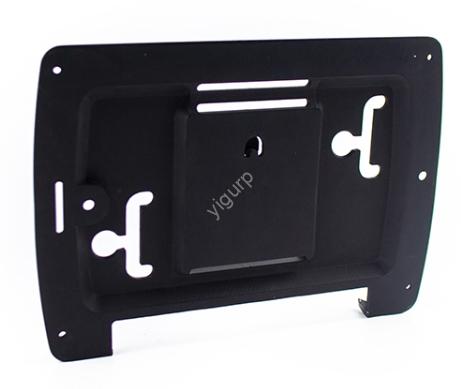
Low-pressure infusion processing is a game-changer for small-batch manufacturing—offeringalta efficienza, cicli produttivi brevi, Elow costs for products like automotive accessories, gusci di dispositivi medici, e copertine di prodotti digitali. Ma per evitare problemi comuni (come il riempimento incompleto dello stampo, difetti del prodotto, o guasti alle apparecchiature), seguendo rigorose precauzioni non è negoziabile. Whether you’re new to the process or looking to refine your workflow, this guide breaks down the critical precautions for every stage of low-pressure infusion, with real examples and data to keep your production on track.
1. Preparazione del materiale: Lay the Foundation for High-Quality Products
The success of low-pressure infusion starts with proper material handling—since even small mistakes here can ruin entire batches. The process relies ontwo-component PU polyurethane materials, and ignoring their requirements leads to curing failures or weak product structures.
Key Precautions for Material Prep
- Verify material compliance: Ensure the two-component PU meets your product’s specs (per esempio., durezza, resistenza al calore). Per esempio, medical device shells need PU with biocompatibility certifications—using uncertified material could lead to regulatory rejects.
- Accurate measurement: Utilizzare strumenti calibrati (like digital scales with ±0.1g precision) to measure the two components. UN 5% error in the mixing ratio can reduce product strength by up to 30%, according to industry tests.
- Controlled mixing conditions: Mix the components at the recommended temperatura (20–25°C) E pressione (0.1–0.3 MPa). Cold temperatures (below 18°C) slow down chemical reactions, while high temperatures (above 28°C) cause premature curing—both leading to uneven material consistency.
Case Example: A toy manufacturer once used PU that was stored at 10°C (troppo freddo) and skipped temperature adjustment. The mixed material cured unevenly, con il risultato di 80% of the toy shells having cracks—costing them $2,000 in wasted materials and a 1-week production delay.
2. Progettazione di stampi & Preparazione: Avoid Filling Failures & Product Defects
Molds are the backbone of low-pressure infusion—poor design or preparation leads toincomplete filling, bolle, Ouneven wall thickness. Since the process is ideal for large thick-walled or uneven-thickness products, molds must be tailored to these needs.
Critical Mold Precautions (Tavolo)
| Aspect of Mold | Precaution Details | Why It Matters |
|---|---|---|
| Design for Flow | Addfillets (rounded edges) Egradual thickness transitions; avoid sharp corners. | Sharp corners create dead zones where material can’t flow—causing voids in the product. |
| Ventilation | Drill small vent holes (0.5–1mm diameter) at the highest points of the mold. | Vents release trapped air, preventing bubbles that weaken the product and ruin its surface finish. |
| Surface Cleanliness | Wipe the mold with a lint-free cloth and alcohol (99% purezza) before each use. | Dust or oil residues stick to the PU, creating blemishes on the product—no need for extra post-processing. |
| Compatibilità dei materiali | Use molds made of materials resistant to PU (per esempio., alluminio, steel-coated resin). | Low-quality molds (per esempio., uncoated plastic) can react with PU, leading to mold damage and product contamination. |
Real-World Impact: An automotive model shop redesigned their mold to add 0.8mm vents and fillets. Before the change, 35% of their models had bubbles; Dopo, the defect rate dropped to 2%—saving them 15 hours of rework per week.
3. Controllo del processo: Master Temperature, Pressione, & Filling to Ensure Consistency
Low-pressure infusion’s “low pressure” doesn’t mean “no control”—temperature, pressione, and filling speed are make-or-break factors. Even small deviations can lead to undercured products or mold damage.
Key Process Control Precautions
- Temperature control: Maintain the mold at 35–45°C during infusion (varies by PU type). Use a mold temperature controller with ±1°C accuracy. Per esempio, if the mold is too cold (30°C), the PU takes 50% longer to cure—delaying production. If it’s too hot (50°C), the material cures before filling the mold, causing voids.
- Pressure adjustment: Set the infusion pressure to 0.2–0.5 MPa (low enough to avoid mold damage, high enough for full filling). A furniture manufacturer once used 0.6 MPa (troppo alto) for a thick-walled chair armrest mold—the pressure cracked the mold, costo $1,500 to replace.
- Filling monitoring: Watch the material flow in real time (use transparent mold sections if possible) and adjust the filling speed to 5–10 mL/s. Fast filling (Sopra 12 mL/s) traps air, while slow filling (Sotto 3 mL/s) causes the material to cure mid-flow.
- Demolding time: Follow the PU’s recommended demolding time (usually 15–30 minutes). Demolding too early (per esempio., 10 minuti) leads to soft, deformable products; demolding too late (per esempio., 40 minuti) makes the product stick to the mold—requiring force that damages edges.
4. Post-elaborazione, Safety, & Manutenzione: Protect Products, Workers, & Attrezzatura
The process doesn’t end with demolding—post-processing ensures final quality, while safety and maintenance prevent accidents and downtime.
Post-Processing Precautions
- Levigatura & pulizia: Use 240-grit sandpaper for rough edges (avoid 180-grit, which scratches the surface) and wipe products with a damp cloth to remove PU residue. For medical device shells, add a final disinfection step (using FDA-approved cleaners) to meet hygiene standards.
- Quality checks: Inspect each product for cracks, bolle, or uneven thickness (use a caliper with ±0.02mm precision). Reject products that don’t meet specs—sending defective items to clients costs more in returns than rework.
Safety Precautions
- Protective gear: Operators must wear nitrile gloves (PU can irritate skin), occhiali di sicurezza (prevents splashes), e un respirator (avoids inhaling PU fumes). A factory once had an operator skip gloves—they developed a skin rash, leading to a 3-day absence and a safety audit.
- Ventilation: Keep the workspace well-ventilated (use exhaust fans with 10 air changes per hour) to reduce fume buildup. Poor ventilation causes headaches and dizziness—lowering productivity.
Equipment Maintenance Precautions
- Daily checks: Inspect hoses for leaks, clean the material mixing chamber, and test pressure gauges. A leaking hose can waste 5–10% of PU per day—adding up to $500 in monthly material costs.
- Monthly servicing: Lubricate moving parts (per esempio., mold clamps) and calibrate temperature/pressure controllers. A shop that skipped monthly servicing had their pressure gauge fail—leading to over-pressurization and a 2-day production stop.
5. Mold Trial & Debugging: Test Before Mass Production
Never jump into mass production without trial runs—mold trial and debugging catch issues early, saving time and money. Before producing 100+ unità, run 5–10 test parts and:
- Check if the mold fills completely (no voids).
- Verify product dimensions (use a coordinate measuring machine for precision).
- Test product strength (per esempio., drop tests for toys, pressure tests for medical shells).
- Adjust parameters (per esempio., increase temperature, add vents) if issues arise.
Esempio: A digital product manufacturer did 8 test runs for their tablet cover mold. The first 3 runs had uneven thickness—they adjusted the mold’s flow channels, and the 4th run was perfect. Mass production then proceeded with zero defects.
Yigu Technology’s Perspective on Low-Pressure Infusion Precautions
Alla tecnologia Yigu, we believe low-pressure infusion’s value lies in precision—every precaution directly impacts product quality and cost. For small-batch industries (like automotive models or medical devices), cutting corners on material prep, progettazione di stampi, or process control leads to avoidable losses. We help clients optimize these steps: from recommending compatible PU materials to designing mold vents and calibrating equipment. By following these precautions, businesses turn low-pressure infusion into a reliable, cost-effective solution—meeting design goals and client expectations consistently.
Domande frequenti
1. What happens if the two-component PU mixing ratio is wrong?
A wrong ratio (even 3–5% off) ruins curing: too much of one component makes the product soft and brittle (if under-cured) or hard and cracked (if over-cured). Per esempio, UN 7% ratio error reduced a medical shell’s strength by 40%—it failed a pressure test, leading to a client return.
2. How often should I replace mold vents?
Mold vents (0.5–1 mm) can clog with PU residue over time—replace them every 50–100 production cycles. Clogged vents trap air, causing bubbles: a toy shop used clogged vents for 120 cicli, con il risultato di 40% defective toys before replacing the vents.
3. Can I use the same mold temperature for all PU types?
No—different PU formulations need different temperatures. Unità di elaborazione flessibile (for soft toys) uses 35–40°C, while rigid PU (per parti automobilistiche) uses 40–45°C. Using 45°C for flexible PU causes it to cure too hard, losing its flexibility. Always check the PU manufacturer’s temperature guidelines.