
Our Polyethylene PE Injection Molding Services
Unlock top-tier Polyethylene (PE) Injection Molding services tailored to your needs—whether high-volume production, precision parts, or custom designs. Yigu Technology combines advanced injection molding capabilities, strict quality control, and sustainable practices to deliver durable, cost-effective PE components for automotive, medical, packaging, and more.
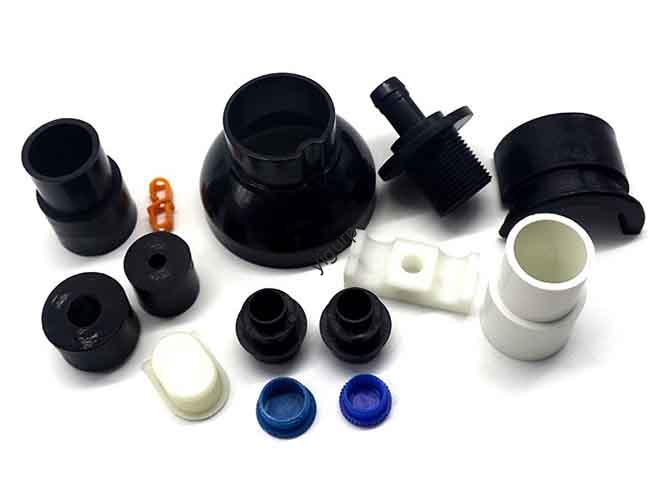
What Is Polyethylene (PE) Injection Molding?
Polyethylene (PE) is a thermoplastic polymer derived from ethylene monomers, celebrated for its versatility, low cost, and excellent chemical resistance. Injection molding is a manufacturing process where molten plastic is injected into a mold cavity, cooled, and ejected as a finished part. Together, PE injection molding creates high-quality, consistent components for countless industries.
Key Definitions & Process Overview
| Term | Definition |
| Polyethylene (PE) | A lightweight, flexible thermoplastic with high impact strength and resistance to chemicals/water. |
| Injection Molding | A high-volume process: plastic pellets → melted → injected into mold → cooled → demolded. |
| Mold Cavity | The hollow space in a mold that shapes the final PE part (can be single or multi-cavity for mass production). |
Core Material Properties of PE
PE’s unique properties make it ideal for injection molding. Below are the most critical traits for manufacturers and buyers:
- Density: Ranges from 0.910–0.965 g/cm³ (low-density LDPE to high-density HDPE).
- Melting Point: 105–135°C (lower than many plastics, reducing energy costs in molding).
- Chemical Resistance: Impervious to acids, alcohols, and water (critical for medical and packaging applications).
- Impact Strength: Remains flexible even at low temperatures (ideal for automotive and consumer goods).
Recyclability: Most PE grades are 100% recyclable, aligning with sustainability goals.
Our Capabilities: Delivering Precision & Scale for PE Injection Molding
At Yigu Technology, our PE injection molding capabilities are designed to meet the demands of both small-batch custom projects and large-scale production runs. We prioritize precision, quality, and flexibility to solve your unique challenges.
Core Capabilities Breakdown
| Capability | Details | Benefits for You |
| Custom Tooling | In-house mold design and fabrication (aluminum for prototypes, steel for high-volume runs). | Faster lead times, tailored part geometry, and cost savings on tool maintenance. |
| Precision Molding | CNC-controlled injection machines with ±0.005mm tolerance (ideal for tight-spec parts). | Consistent part quality, reduced waste, and compliance with medical/automotive standards. |
| High-Volume Production | 20+ injection molding machines (50–500 tons clamping force) with automated ejection systems. | Capacity to produce 100,000+ parts/month; lower unit costs for large orders. |
| Quality Control (QC) | In-line inspection (vision systems, dimensional checks) and post-production testing (tensile, impact). | 99.8% defect-free rate; compliance with ISO 9001 and FDA standards (for medical parts). |
The PE Injection Molding Process: Step-by-Step Excellence
A smooth, well-managed process is key to producing high-quality PE parts. Our process follows five core stages, each optimized for PE’s unique properties.
Step 1: Material Preparation
- Pellet Selection: Choose the right PE grade (e.g., HDPE for rigidity, LDPE for flexibility) and add additives (UV stabilizers, colorants, or flame retardants) as needed.
- Drying: While PE is moisture-resistant, we pre-dry pellets at 60–80°C for 2–4 hours to remove any surface moisture (prevents bubbles in final parts).
- Feeding: Pellets are fed into the injection machine’s hopper, where they move to the heating barrel.
Step 2: Mold Design
- Collaboration: Our engineers work with you to design molds that account for PE’s shrinkage rate (1.5–5%, higher than ABS).
- Cooling System: Molds include precision cooling channels to ensure uniform cooling (critical for PE’s low melting point).
- Prototype Testing: We 3D-print mold prototypes first to validate design before full production (saves time and cost).
Step 3: Setting Injection Parameters
PE’s low viscosity requires careful parameter tuning to avoid defects (e.g., flash or warping). Below are our standard parameters for HDPE (the most common PE grade):
| Parameter | Ideal Range for HDPE | Purpose |
| Barrel Temperature | 160–220°C | Ensures PE melts evenly without degradation. |
| Injection Pressure | 50–120 MPa | Fills mold cavities completely (critical for thin-walled parts). |
| Cooling Time | 10–30 seconds | Prevents warping; balances speed and quality. |
Step 4: Post-Molding Operations
After demolding, parts may undergo:
- Trimming: Removing excess plastic (flash) with automated tools.
- Assembly: Joining parts via welding or adhesives (for complex components).
Inspection: Final QC checks for dimensional accuracy and surface quality.
Materials: Choosing the Right PE for Your Project
Not all PE is the same—selecting the right grade ensures your parts meet performance and cost goals. We offer a full range of PE materials, plus recycled options.
Types of PE for Injection Molding
| PE Type | Key Traits | Common Applications |
| Low-Density PE (LDPE) | Flexible, soft, good impact resistance. | Consumer goods (toys, squeeze bottles), packaging films. |
| High-Density PE (HDPE) | Rigid, strong, high chemical resistance. | Automotive parts (fuel tanks), medical devices (syringe barrels), packaging (caps, containers). |
| Linear Low-Density PE (LLDPE) | Stretchable, puncture-resistant, more durable than LDPE. | Agricultural films, flexible packaging (bags), sports equipment. |
Material Selection Tips
- Prioritize performance: For chemical exposure (e.g., medical devices), choose HDPE. For flexibility (e.g., toys), pick LDPE.
- Consider cost: LDPE is the most affordable; HDPE costs slightly more but offers better durability.
Embrace sustainability: Our recycled PE (rPE) is made from post-consumer waste and meets 80% of the performance of virgin PE—ideal for eco-friendly brands.
Surface Treatment: Enhancing Aesthetics & Functionality
PE’s natural surface is smooth but can be modified to improve appearance, grip, or compatibility with other materials. We offer four core surface treatments:
| Treatment | Process | Benefits |
| Surface Finishing | Polishing or sandblasting to remove imperfections (e.g., scratches). | Creates a sleek, professional look; improves paint adhesion. |
| Texturing | Adding patterns (e.g., matte, ribbed) to the mold cavity. | Enhances grip (for tools, handles) or hides fingerprints (consumer goods). |
| Coating | Applying a thin layer (e.g., polyurethane) to the part surface. | Boosts chemical resistance (for medical parts) or UV protection (outdoor components). |
| Painting/Printing | Spray-painting or pad-printing logos/colors. | Improves branding (e.g., automotive parts with company logos) or aesthetics (toys). |
Advantages: Why Choose PE Injection Molding?
PE injection molding offers unmatched benefits for manufacturers and buyers—combining cost savings, durability, and flexibility.
Key Advantages at a Glance
- Cost-effectiveness: PE is one of the cheapest thermoplastics, and injection molding’s high volume drives down unit costs (e.g., 0.10–0.50 per part for high-volume HDPE components).
- Durability: PE parts resist impact, chemicals, and UV damage—lasting 5–10 years in outdoor or harsh environments.
- Customizability: From small, intricate parts (e.g., medical connectors) to large components (e.g., automotive bumpers), PE injection molding adapts to any design.
- Lightweight: PE weighs 50–70% less than metal, reducing shipping costs and improving fuel efficiency (critical for automotive applications).
Chemical resistance: PE does not react with most acids, bases, or solvents—making it safe for medical devices and food-contact packaging.
Applications Industry: Where PE Injection Molding Shines
PE’s versatility makes it a staple in five key industries. Below are real-world use cases and our solutions:
| Industry | Common PE Parts | Our Solutions |
| Automotive | Fuel tanks, door panels, wire harnesses. | High-volume HDPE production with strict QC (meets ISO/TS 16949 standards). |
| Consumer Goods | Toys, kitchen utensils, storage containers. | Custom tooling for unique shapes; food-grade PE (FDA-compliant). |
| Medical Devices | Syringe barrels, IV connectors, surgical instrument handles. | Sterilizable HDPE; ISO 13485-certified processes. |
| Packaging | Bottle caps, food containers, shipping crates. | Lightweight HDPE/LLDPE; recycled PE options for eco-friendly brands. |
| Electronics | Cable insulation, device casings, battery housings. | Flame-retardant PE grades; precision molding for tight-fit parts. |
Case Studies: Our Success Stories in PE Injection Molding
We’ve helped clients across industries solve complex challenges with PE injection molding. Here are three standout projects:
Case Study 1: Automotive Fuel Tank for a Global OEM
- Challenge: A leading car manufacturer needed a lightweight, leak-proof fuel tank that met strict emissions standards.
- Solution: We used HDPE (for chemical resistance) and custom tooling to design a multi-layer tank with a barrier layer (prevents fuel evaporation).
- Results: 15% weight reduction vs. metal tanks; 0 leaks in 100,000+ units produced; 20% cost savings for the client.
Case Study 2: Medical Syringe Barrels for a Pharmaceutical Company
- Challenge: A drugmaker required syringe barrels that were sterile, chemical-resistant, and compatible with automated filling lines.
- Solution: FDA-compliant HDPE with precision molding (±0.003mm tolerance) and in-line sterilization.
- Results: 99.9% defect-free rate; met all FDA requirements; 30% faster lead times than the client’s previous supplier.
Case Study 3: Recycled PE Packaging for an Eco-Friendly Brand
- Challenge: A sustainable skincare brand wanted packaging (bottles, caps) made from 100% recycled materials without sacrificing durability.
- Solution: Our rPE (recycled HDPE) with a matte texturing treatment (hides recycling marks).
Results: Packaging achieved “100% Recycled” certification; customer satisfaction scores increased by 25%; 15% lower carbon footprint than virgin PE.
Why Choose Us for Your PE Injection Molding Needs?
With so many suppliers, why partner with Yigu Technology? Our expertise, quality, and customer focus set us apart:
- Expertise: 15+ years of experience in PE injection molding—our engineers specialize in optimizing processes for PE’s unique properties (e.g., shrinkage control).
- Quality Assurance: ISO 9001 and ISO 13485 certifications; 99.8% defect-free rate; in-line and post-production testing.
- Customer Service: Dedicated account managers who work with you from design to delivery; 24/7 support for urgent orders.
- Innovation: We invest 8% of revenue in R&D—recent breakthroughs include bio-based PE (made from sugarcane) and faster cooling techniques for HDPE parts.
Sustainability: 30% of our materials are recycled; our factories use solar power (reducing carbon emissions by 25%); we offer carbon-neutral shipping for all orders.