
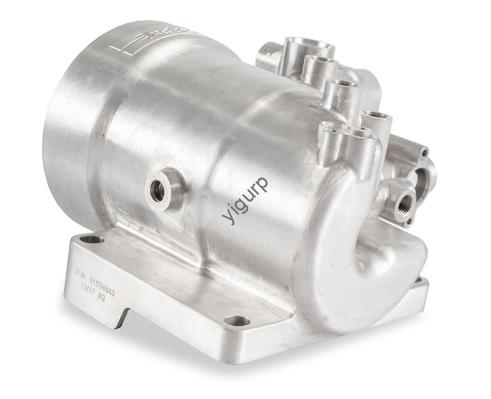
IL Plastic car prototype model processing process è un preciso, flusso di lavoro in più fasi che trasforma i concetti di progettazione in prototipi fisici per lo sviluppo automobilistico. Questi prototipi aiutano gli ingegneri a testare l'idoneità, funzionalità, e l'aspetto: fondamentale per individuare i difetti prima della produzione di massa. Sia che tu stia creando un prototipo per il cruscotto di un'auto, pannello della porta, o rivestimento esterno, this guide breaks down every key step with real examples and actionable data.
1. Selezione dei materiali: Pick Plastics for Automotive Needs
Choosing the right material is the first critical step in the Plastic car prototype model processing process. Automotive prototypes face unique demands—from heat (vani motore) to impact (pannelli delle porte)—so materials must match specific use cases.
Common Materials for Plastic Car Prototypes
| Material Name | Proprietà chiave | Best For Car Parts | Machining Ease | Costo (Al kg) |
| ABS (Acrilonitrile-Butadiene-Stirene) | Good transparency, facile da elaborare, moderate impact resistance | Dashboard shells, interior trim pieces | Alto | \(18–)28 |
| computer (Policarbonato) | Elevata resistenza agli urti, resistente al calore (fino a 130°C), rigido | Engine bay covers, headlight housings | Medio | \(25–)35 |
| PMMA (Acrilico) | 92% trasmissione della luce, resistente ai graffi | Transparent parts (per esempio., sunroof mockups, instrument cluster covers) | Medio | \(22–)32 |
| PP (Polipropilene) | Resistente all'usura, acid/alkali-proof, flessibile | Bumper prototypes, interior door panels | Alto | \(15–)25 |
| Nylon | Elevata resistenza alla trazione, resistente all'usura, flessibile | Coperchi degli ingranaggi, small moving parts (per esempio., alzacristalli) | Basso | \(35–)45 |
| POM (Poliossimetilene) | Excellent dimensional stability, basso attrito | Parti di precisione (per esempio., staffe per sensori, hinge components) | Medio | \(30–)40 |
Suggerimenti per la selezione
Quando si scelgono i materiali, focus on four automotive-specific factors:
- Resistenza al calore: For engine bay parts, PC’s 130°C tolerance beats ABS’s lower heat limit.
- Resistenza agli urti: Bumpers or door panels need PP or ABS to withstand minor collisions.
- Trasparenza: Use PMMA for parts that need clarity (per esempio., mockup headlights).
- Durabilità: Nylon or POM works for moving parts that face wear (per esempio., window hinges).
Caso: An automaker needed a prototype for a car dashboard. They chose ABS for its easy machining and moderate impact resistance—perfect for testing how the dashboard fits with airbags and controls. The prototype matched the final design’s look and survived 500+ touch tests without cracking.
2. Data Collection: Ensure Prototype Accuracy
Accurate data collection lays the groundwork for a successful Plastic car prototype model processing process. It ensures the prototype aligns with the original design and avoids costly rework.
Key Data Collection Steps
- 3D Drawing File Import: Ask the design team for 3D CAD files (per esempio., STEP or IGES formats). These files are the blueprint for machining—import them into CAM (Produzione assistita da computer) software to plan tool paths. Per esempio, a prototype of a car door panel required a STEP file with 0.02mm tolerances to ensure it fit with the car’s frame.
- Gypsum Sample Production: Use the 3D files to make a gypsum sample. Gypsum is cheap and easy to modify, making it ideal for checking:
- Shape Accuracy: Does the sample match the car part’s curves (per esempio., a rounded dashboard edge)?
- Curvature Consistency: Are surfaces smooth (no uneven spots that could affect fit)?
- Standard Compliance: Does the sample meet size standards (per esempio., a 120x80cm dashboard)?
Why Gypsum Samples Matter: A team working on a car bumper prototype found a 0.3mm error in the gypsum sample’s curvature. They corrected the CAD file before machining PP—saving $1,500 in wasted material and 3 giorni di rielaborazione.
3. Core Manufacturing Methods: Bring Prototypes to Life
IL Plastic car prototype model processing process uses three main manufacturing methods, each suited for different needs (velocità, quantità, complessità).
Manufacturing Method Comparison
| Method | Come funziona | Ideale per | Tempi di consegna | Cost Per Prototype |
| Lavorazione CNC | Computer-controlled tools cut plastic sheets/rods into shape. | Parti di alta precisione (per esempio., dashboard with 0.01mm accuracy) | 2–4 giorni | \(100–)350 |
| 3D Stampa | Ultraviolet light cures liquid resin layer-by-layer. | Rapido, parti complesse (per esempio., car grille with intricate patterns) | 1–2 giorni | \(60–)220 |
| Silicone Molding | A silicone mold is made from an original sample for batch copying. | Small-batch prototypes (5–50 unità, per esempio., test runs of interior trim) | 3–5 giorni | \(40–)150 |
Esempio: A team needed 15 prototypes of a car’s center console. They first made one CNC-machined ABS console (for high precision), then created a silicone mold from it. The mold produced 15 identical consoles in 4 days—costing 40% less than making 15 separate CNC prototypes.
4. Post-elaborazione: Refine Appearance and Durability
Post-processing turns rough machined parts into automotive-ready prototypes. This step is key to testing how the prototype will look and perform in real cars.
Passaggi di post-elaborazione
- Sbavatura: Use 400-grit sandpaper or a deburring tool to smooth tool marks and sharp edges. For a car door panel prototype, deburring prevented scratches on test drivers’ hands.
- Trattamento superficiale:
- Pittura: Apply automotive-grade paint (per esempio., matte black for exterior trim, gray for dashboards) to match the final car’s color.
- Serigrafia: Add labels (per esempio., “Airbag” on dashboard panels, brand logos on trim) per chiarezza.
- Galvanotecnica: For metal-looking parts (per esempio., mockup door handles), add a thin chrome coating to improve appearance.
- Ispezione di qualità: Conduct rigorous checks:
- Precisione dimensionale: Use a coordinate measuring machine (CMM) to ensure parts match the 3D model (per esempio., a dashboard’s length should be 120cm ±0.03mm).
- Appearance Check: Look for cracks, paint chips, or uneven surfaces—critical for customer-facing parts.
5. Assembly Testing: Verify Fit and Function
Assembly testing ensures the prototype works with other car parts and meets automotive standards. This is a non-negotiable step in the Plastic car prototype model processing process.
Testing Steps
- Test Assembly: Put the prototype together with other car components (per esempio., a dashboard with airbags, a door panel with windows). Check:
- Precisione di adattamento: Does the prototype align with other parts? Per esempio, a center console should fit between the car’s seats without gaps.
- Structural Stability: Does the prototype hold up to pressure (per esempio., a dashboard should support a 5kg load without bending)?
- Test funzionali: Test the prototype under simulated automotive conditions:
- Heat Testing: Expose engine bay parts (per esempio., PC covers) to 120°C for 24 hours—ensure no warping.
- Impact Testing: Drop a bumper prototype from 1m (simulating a low-speed collision)—check for cracks.
Caso: A prototype of a car’s sunroof cover (made from PMMA) underwent testing. It fit perfectly with the car’s roof frame, and after 100+ open/close cycles, it showed no wear. It also survived heat testing at 80°C—confirming it met automotive standards.
6. Packaging and Shipping: Deliver Safely
The final step in the Plastic car prototype model processing process is packaging and shipping. Car prototypes are often large or delicate (per esempio., PMMA sunroof covers), so proper handling is essential.
Packaging and Shipping Tips
- Safe Packaging: Use foam inserts and double-walled cardboard boxes to cushion the prototype. Per pezzi di grandi dimensioni (per esempio., cruscotti), add wooden frames for extra support. Label boxes “Fragile—Plastic Car Prototype” to alert handlers.
- Logistics Selection: Choose a provider with experience shipping automotive parts (per esempio., DHL, UPS). For international clients, include a “Prototype Only” label to avoid customs delays.
- Delivery Time: Work with the client to set timelines. A simple CNC-machined door panel takes 3–5 days; a complex 3D-printed grille takes 4–7 days (plus 1–2 days for post-processing).
Yigu Technology’s Perspective on Plastic Car Prototype Model Processing Process
Alla tecnologia Yigu, we know the Plastic car prototype model processing process demands automotive-specific precision. Many clients struggle with material choices for heat/impact-exposed parts or slow lead times for small batches. Our solution: we offer tailored material advice (per esempio., PC for engine bays, PP for bumpers) and use CNC machining for precision plus silicone molding for small batches—cutting lead times by 30%. Our post-processing uses automotive-grade paints, and we conduct strict heat/impact tests. We help automakers turn designs into testable prototypes fast, reducing development costs.
Domande frequenti
- Q: Which material is best for a plastic car prototype that will be in the engine bay?
UN: computer (Policarbonato) è l'ideale. It’s heat-resistant (fino a 130°C) and has high impact resistance—perfect for withstanding engine bay temperatures and minor vibrations. It also machines well for precise engine cover shapes.
- Q: How long does the entire Plastic car prototype model processing process take?
UN: It depends on the method and complexity. A simple CNC-machined interior trim piece takes 3–5 days. A complex 3D-printed grille takes 4–7 days. Post-elaborazione (pittura, test) adds 1–2 days, and small-batch silicone molding takes 4–6 days.
- Q: Can 3D printing be used for a plastic car prototype that needs to withstand impact (per esempio., a bumper)?
UN: Non è raccomandato. Most 3D printing resins have low impact resistance—they’ll crack in low-speed collisions. For bumpers, use CNC-machined PP or ABS—these materials are flexible and durable enough to pass automotive impact tests.