
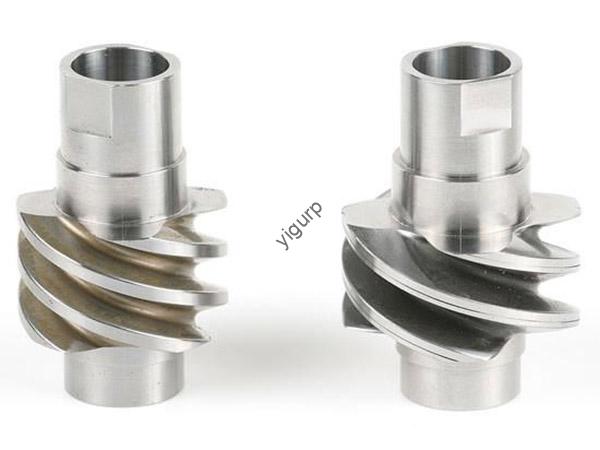
Nitronico 60 l'acciaio inossidabile è una lega austenitica ad alte prestazioni celebre per il suo mix equilibrato di resistenza, resistenza alla corrosione, e versatilità. A differenza delle leghe Nitronic di qualità inferiore, è unico composizione chimica- incluso l'aggiunta di molibdeno - lo fa risaltare in ambienti difficili, dall’acqua di mare marina ai reattori chimici. In questa guida, ne analizzeremo i tratti principali, usi nel mondo reale, processi di produzione, e come si confronta con altri materiali, aiutandoti a sceglierlo per i tuoi progetti più impegnativi.
1. Principali proprietà dei materiali di Nitronic 60 Acciaio inossidabile
Le prestazioni eccezionali di Nitronic 60 iniziano con la sua progettazione accurata composizione chimica, che ne modella l'affidabilità proprietà fisiche, robusto proprietà meccaniche, e altre caratteristiche critiche.
Composizione chimica
La formula di Nitronic 60 è ottimizzata per la forza, resistenza alla corrosione, e durata, con elementi chiave inclusi:
- Contenuto di cromo: 16-18% (forma uno strato protettivo di ossido per la resistenza alla corrosione del nucleo)
- Contenuto di nichel: 8-10% (stabilizza la struttura austenitica, migliorando la duttilità)
- Contenuto di manganese: 7-9% (funziona con l'azoto per aumentare la forza senza ridurre la flessibilità)
- Contenuto di carbonio: ≤0,10% (riduce al minimo il rischio di corrosione intergranulare)
- Contenuto di silicio: ≤1,0% (aiuta la disossidazione durante la produzione)
- Contenuto di fosforo: ≤0,045% (controllato per evitare fragilità)
- Contenuto di zolfo: ≤0,03% (ridotto per mantenere la resistenza alla corrosione)
- Contenuto di azoto: 0.15-0.30% (migliora la resistenza alla trazione e alla vaiolatura)
- Contenuto di molibdeno: 2-3% (un'aggiunta chiave: migliora la resistenza agli acidi e alla vaiolatura dell'acqua salata)
Proprietà fisiche
| Proprietà | Valore tipico |
| Densità | 7.8 g/cm³ |
| Conducibilità termica | 15 Con/(m·K) (a 20°C) |
| Capacità termica specifica | 0.5 J/(g·K) (a 20°C) |
| Coefficiente di dilatazione termica | 18 × 10⁻⁶/°C (20-500°C) |
| Proprietà magnetiche | Non magnetico (anche dopo la lavorazione a freddo) |
Proprietà meccaniche
Grazie alle aggiunte di azoto e molibdeno, Nitronico 60 offre una forza impressionante pur mantenendo la duttilità pratica:
- Elevata resistenza alla trazione: 750-950 MPa (superiore a Nitronic 40 e norma 316 acciaio inossidabile)
- Forza di rendimento: 450-600 MPa (2x superiore a 304 acciaio inossidabile)
- Allungamento: 25-35% (In 50 mm: mantiene la flessibilità per la formatura di parti come le valvole)
- Durezza: 200-240 Brinell, 85-95 Rockwell B, 210-250 Vickers
- Resistenza alla fatica: 320-380 MPa (a 10⁷ cicli: ideale per parti sottoposte a sollecitazioni ripetute, come le giranti delle pompe)
- Resistenza all'impatto: 100-160 J (a temperatura ambiente: resiste alle crepe dovute a impatti improvvisi)
Altre proprietà critiche
- Eccellente resistenza alla corrosione: Supera le prestazioni 304, 316, e persino Nitronic 40 in condizioni difficili: resiste all'acido solforico, acqua di mare, e prodotti chimici industriali.
- Resistenza alla vaiolatura: Superiore: il molibdeno e l'azoto prevengono la vaiolatura in ambienti ricchi di cloruro (per esempio., sistemi marini o serbatoi chimici).
- Resistenza alla tensocorrosione: Molto buono: gestisce meglio lo stress da trazione in ambienti corrosivi 316 o acciai inossidabili duplex.
- Resistenza all'usura: Bene, più difficile di 304 E 316, rendendolo adatto a parti con attrito (per esempio., steli delle valvole o pale delle turbine).
- Lavorabilità: Moderato: richiede utensili affilati in carburo e raffreddamento; più lento di 304 ma più veloce delle leghe ad alta resistenza come il titanio.
- Saldabilità: Eccellente: può essere saldato tramite MIG, TIG, o metodi stick senza preriscaldamento; le saldature mantengono forza e resistenza alla corrosione.
2. Applicazioni nel mondo reale di Nitronic 60 Acciaio inossidabile
Miscela di Nitronic anni '60 elevata resistenza alla trazione E eccellente resistenza alla corrosione (potenziato dal molibdeno) lo rende la scelta migliore per le industrie in cui i materiali devono affrontare condizioni estreme. Ecco i suoi usi più comuni:
Attrezzature industriali
- Pompe: Gli alberi e le giranti delle pompe utilizzano Nitronic 60: la sua resistenza all'usura e alla corrosione previene guasti prematuri nei sistemi chimici o di acque reflue.
- Valvole: I corpi e gli steli delle valvole gestiscono fluidi ad alta pressione e corrosivi (per esempio., raffinerie di petrolio) senza deformarsi o arrugginirsi.
- Pale di turbina: Le pale delle piccole turbine a gas fanno affidamento sulla sua resistenza alle alte temperature (mantiene le proprietà fino a 600°C).
Esempio di caso: Sostituito un impianto di trattamento delle acque reflue 316 giranti della pompa in acciaio inossidabile con Nitronic 60. Le nuove giranti duravano 3 volte di più (da 8 mesi a 24 mesi) e costi di manutenzione ridotti di $60,000 annualmente.
Elaborazione chimica
- Serbatoi di stoccaggio: Serbatoi contenenti acidi (per esempio., acido solforico o cloridrico) usa Nitronic 60: il suo contenuto di molibdeno previene la corrosione e le perdite.
- Sistemi di tubazioni: I tubi che trasportano prodotti chimici evitano l'accumulo di ruggine, garantendo un flusso costante e riducendo i tempi di inattività.
- Reattori: I recipienti di reazione gestiscono temperature elevate e reagenti corrosivi senza degradarsi.
Industrie aerospaziali e automobilistiche
- Aerospaziale: Gli elementi di fissaggio degli aerei e le staffe del motore sfruttano il suo elevato rapporto resistenza/peso e la resistenza alla corrosione del carburante degli aerei.
- Automobilistico: Parti del motore ad alte prestazioni (per esempio., alloggiamenti del turbocompressore) e i sistemi di scarico da corsa resistono al calore e alle vibrazioni estremi.
Industria marina
- Sistemi di acqua di mare: Gli scambiatori di calore e i tubi di aspirazione dell'acqua di mare resistono alla vaiolatura e alla corrosione, con prestazioni superiori 316 e Nitronic 40.
- Componenti della nave: Gli elementi di fissaggio dello scafo delle navi e gli alberi dell'elica evitano la ruggine negli ambienti marini, riducendo le esigenze di manutenzione.
Industria alimentare e delle bevande
- Attrezzature per il trattamento: I trasportatori e i miscelatori utilizzano Nitronic 60: la sua resistenza alla corrosione resiste agli acidi alimentari (per esempio., aceto o succo di agrumi) e pulizia frequente.
- Contenitori di stoccaggio: I serbatoi per liquidi come vino o latticini sono facili da disinfettare e non rilasciano metalli negli alimenti.
3. Tecniche di produzione per Nitronic 60 Acciaio inossidabile
Produrre Nitronic 60 richiede misure precise per preservarla contenuto di azoto E contenuto di molibdeno, garantendo proprietà uniformi. Ecco il processo:
1. Processi metallurgici
- Forno ad arco elettrico (EAF): Il metodo principale: rottami di acciaio, cromo, nichel, manganese, e il molibdeno vengono fusi a 1.650-1.750°C. Il gas di azoto viene iniettato nella lega fusa per raggiungere il bersaglio 0.15-0.30% contenuto.
- Fornace ad ossigeno basico (BOF): Utilizzato per la produzione su larga scala: l'ossigeno viene soffiato per rimuovere le impurità, poi azoto, molibdeno, e altre leghe vengono aggiunte per regolare la composizione.
2. Processi di laminazione
- Laminazione a caldo: La lega fusa viene colata in lastre, riscaldato a 1.150-1.250°C, e arrotolato in forme spesse (bar, piatti) per parti industriali.
- Laminazione a freddo: Laminato a freddo per ottenere fogli sottili (per tubazioni o attrezzature alimentari) con una superficie liscia; aumenta leggermente la durezza ma mantiene la duttilità.
3. Trattamento termico
- Ricottura di soluzione: Riscaldato a 1.050-1.150°C e mantenuto per 30-60 minuti, poi raffreddato in acqua. Questo dissolve i carburi precipitati, ripristinando la resistenza alla corrosione e la duttilità.
- Ricottura di distensione: Riscaldato a 800-900°C per 1-2 ore, poi raffreddato lentamente. Riduce lo stress interno derivante dalla saldatura o dalla formatura senza ridurre la resistenza.
4. Formatura e trattamento superficiale
- Metodi di formatura:
- Pressa formatura: Utilizza presse idrauliche per modellare parti come corpi di valvole o alloggiamenti di pompe.
- Piegatura: Crea angoli per tubazioni o staffe strutturali (mantiene la forza dopo la flessione).
- Lavorazione: Esercizi, mulini, o trasforma le parti in dimensioni precise: utilizza utensili in metallo duro e fluidi da taglio per evitare il surriscaldamento.
- Trattamento superficiale:
- Decapaggio: Immerso in acido per rimuovere le incrostazioni dalla laminazione a caldo.
- Passivazione: Trattato con acido nitrico per migliorare lo strato di ossido di cromo, aumentando la resistenza alla corrosione.
- Elettrolucidatura: Crea un aspetto liscio, superficie sanificabile (fondamentale per attrezzature alimentari o componenti aerospaziali) e rimuove le impurità superficiali.
5. Controllo qualità
- Test ad ultrasuoni: Controlla i difetti interni (per esempio., crepe) in parti spesse come le pale delle turbine.
- Esame radiografico: Ispeziona le saldature per eventuali difetti (per esempio., porosità) per garantire l’integrità strutturale.
- Prove di trazione: Verifica elevata resistenza alla trazione (750-950 MPa) e forza di resa (450-600 MPa).
- Analisi della microstruttura: Esamina la lega al microscopio per confermare una struttura austenitica uniforme e una corretta distribuzione di molibdeno e azoto.
4. Caso di studio: Nitronico 60 negli scambiatori di calore per acqua di mare marina
Una società di costruzioni navali ha dovuto affrontare frequenti fallimenti 316 scambiatori di calore in acciaio inossidabile nelle sue navi mercantili. IL 316 gli scambiatori hanno sviluppato corrosione per vaiolatura in seguito 14 mesi in acqua di mare, con conseguenti perdite e costose riparazioni. Sono passati a Nitronic 60, e i risultati furono drammatici:
- Resistenza alla corrosione: Dopo 30 mesi, il Nitronic 60 gli scambiatori di calore non hanno mostrato vaiolature o ruggine, più del doppio della loro durata 316.
- Prestazione: L'efficienza del trasferimento di calore è rimasta 94% (contro. 78% per 316 Dopo 14 mesi), riduzione del consumo di carburante per i sistemi di raffreddamento.
- Risparmio sui costi: L'azienda si è salvata $180,000 per nave ogni anno eliminando le frequenti sostituzioni dello scambiatore e i tempi di inattività.
5. Nitronico 60 Acciaio inossidabile contro. Altri materiali
Come funziona Nitronic 60 rispetto ad altre leghe popolari? Analizziamolo con una tabella dettagliata:
| Materiale | Costo (contro. Nitronico 60) | Resistenza alla trazione | Forza di snervamento | Resistenza alla corrosione (Acqua di mare) | Saldabilità |
| Nitronico 60 | Base (100%) | 750-950 MPa | 450-600 MPa | Eccellente | Eccellente |
| Nitronico 50 | 120% | 850-1,000 MPa | 500-650 MPa | Eccellente | Eccellente |
| Nitronico 40 | 85% | 700-900 MPa | 400-550 MPa | Molto bene | Eccellente |
| 316 Acciaio inossidabile | 65% | 515 MPa | 205 MPa | Bene | Eccellente |
| Duplex 2205 | 115% | 620-800 MPa | 450 MPa | Eccellente | Bene |
| Lega di titanio (Ti-6Al-4V) | 420% | 860 MPa | 795 MPa | Eccellente | Moderare |
Idoneità all'applicazione
- Pompe industriali: Nitronico 60 surclassa 316 e Nitronic 40 (durata di vita più lunga, migliore resistenza alla corrosione) ed è più economico di Nitronic 50 o duplex 2205.
- Sistemi marini: Meglio di 316 e Nitronic 40 nell'acqua di mare; più conveniente del titanio o del Nitronic 50.
- Elaborazione chimica: Superiore a 316 (resiste più agli acidi) e più facile da saldare rispetto al duplex 2205.
- Trasformazione alimentare: Ideale per alimenti acidi: resiste meglio alla corrosione 304 ed è facile da igienizzare.
Il punto di vista di Yigu Technology su Nitronic 60 Acciaio inossidabile
Alla tecnologia Yigu, vediamo Nitronic 60 come versatile, soluzione conveniente per applicazioni in ambienti difficili. La sua resistenza alla corrosione potenziata dal molibdeno e la forza bilanciata lo rendono ideale per i clienti del settore marittimo, chimico, e settori industriali. Lo consigliamo spesso per le giranti delle pompe, scambiatori di calore marini, e tubazioni chimiche, dove riduce i costi di manutenzione senza il prezzo premium di Nitronic 50 o titanio. Le sue eccellenti saldabilità e formabilità semplificano inoltre la produzione, in linea con il nostro obiettivo di fornire risultati pratici, materiali sostenibili.
Domande frequenti
1. È Nitronic 60 magnetico in acciaio inossidabile?
NO, Nitronico 60 non è magnetico. La sua struttura austenitica (stabilizzato da nichel e azoto) rimane non magnetico anche dopo la lavorazione a freddo, a differenza degli acciai inossidabili ferritici o martensitici.
2. Cosa rende Nitronic 60 meglio di 316 acciaio inossidabile per uso marino?
Nitronico 60 ha aggiunto molibdeno e azoto, che ne aumentano la resistenza alla vaiolatura nell'acqua di mare. Ha anche 45-84% resistenza alla trazione superiore a 316, il che significa che dura più a lungo in ambienti marini senza deformarsi o corrodersi.
3. Può Nitronic 60 essere utilizzato per apparecchiature per la lavorazione degli alimenti?
SÌ, Nitronico 60 è eccellente per la lavorazione degli alimenti. Resiste alla corrosione degli acidi alimentari (per esempio., salsa di pomodoro, agrumi), soddisfa gli standard globali di sicurezza alimentare (per esempio., FDA, Unione Europea 10/2011), e la sua superficie liscia è facile da igienizzare, prevenendo l’accumulo di batteri.