
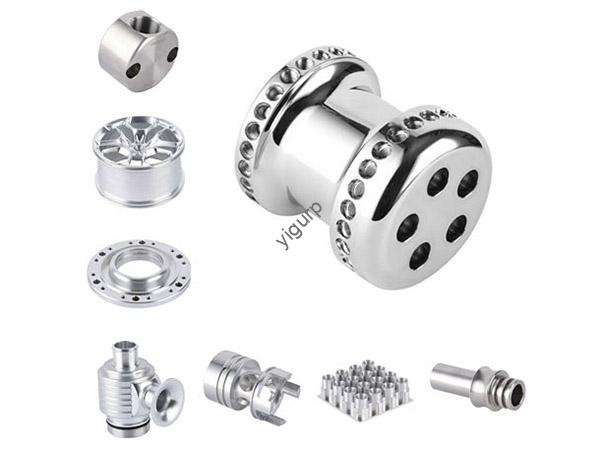
L'acciaio strutturale Nak55 è una lega premium pensata per la produzione di precisione, celebrato per la sua miscela equilibrata di eccellente resistenza all'usura, elevata tenacità, e affidabile resistenza alla corrosione. È attentamente calibrato composizione chimica—con cromo controllato, molibdeno, e aggiunte di vanadio: lo rendono la scelta migliore per applicazioni impegnative come gli stampi a iniezione di plastica, strumenti di pressofusione, e componenti ad alte prestazioni nei settori aerospaziale e automobilistico. In questa guida, ne analizzeremo i tratti principali, usi nel mondo reale, processi di produzione, e come si confronta con altri materiali, aiutandoti a selezionarlo per progetti che richiedono precisione e durata.
1. Principali proprietà dei materiali dell'acciaio strutturale Nak55
Le prestazioni del Nak55 derivano dalla sua ottimizzazione composizione chimica, che offre proprietà fisiche e meccaniche coerenti su misura per attività di ingegneria di precisione.
Composizione chimica
La formula di Nak55 è bilanciata per dare priorità alla tenacità e alla resistenza all'usura, con intervalli fissi per gli elementi chiave:
- Contenuto di carbonio: 0.30-0.40% (bilancia la forza e tenacità—abbastanza basso da evitare fragilità in stampi di grandi dimensioni, sufficientemente alto da formare carburi duri per la resistenza all'usura)
- Contenuto di cromo: 3.00-3.50% (forma uno strato di ossido protettivo per buona resistenza alla corrosione e migliora la temprabilità, garantendo risultati uniformi del trattamento termico)
- Contenuto di molibdeno: 0.20-0.40% (aumenta la resistenza alle alte temperature e alla fatica termica, ideale per stampi per pressofusione esposti a metalli fusi)
- Contenuto di vanadio: 0.10-0.20% (affina la dimensione del grano, migliora la tenacità, e forma piccoli carburi di vanadio che migliorano resistenza all'usura)
- Contenuto di manganese: 0.20-0.50% (migliora la temprabilità senza creare carburi grossolani che indeboliscono l'acciaio)
- Contenuto di silicio: 0.10-0.30% (favorisce la disossidazione durante la produzione e stabilizza le prestazioni alle alte temperature)
- Contenuto di fosforo: ≤0,03% (rigorosamente controllato per prevenire la fragilità del freddo, fondamentale per gli stampi utilizzati in ambienti a bassa temperatura)
- Contenuto di zolfo: ≤0,03% (ultra-basso per mantenere la tenacità ed evitare fessurazioni durante la formatura o la lavorazione)
Proprietà fisiche
| Proprietà | Valore tipico fisso per l'acciaio strutturale Nak55 |
| Densità | ~7,85 g/cm³ (compatibile con modelli standard di stampi e componenti) |
| Conduttività termica | ~35 W/(m·K) (a 20°C: consente un'efficiente dissipazione del calore negli stampi per pressofusione, riducendo la distorsione termica) |
| Capacità termica specifica | ~0,48 kJ/(kg·K) (a 20°C) |
| Coefficiente di dilatazione termica | ~11 x 10⁻⁶/°C (20-500°C: riduce al minimo le variazioni dimensionali negli stampi di precisione, garantire la coerenza delle parti) |
| Proprietà magnetiche | Ferromagnetico (mantiene il magnetismo in tutti gli stati trattati termicamente, compatibile con gli acciai strutturali e per utensili) |
Proprietà meccaniche
Dopo il trattamento termico standard (ricottura + tempra + tempera), Nak55 offre prestazioni affidabili per applicazioni di precisione:
- Resistenza alla trazione: ~1500-1800MPa (adatto per componenti portanti come parti di trasmissione automobilistiche e anime di stampi)
- Forza di rendimento: ~1200-1500MPa (garantisce che le parti resistano alla deformazione permanente sotto pressione di iniezione o carichi di fusione)
- Allungamento: ~10-15% (In 50 mm: sufficientemente alto da evitare crepe durante l'assemblaggio dello stampo o l'installazione dei componenti)
- Durezza (Scala Rockwell C): 52-56 HRC (dopo il trattamento termico: ideale per bilanciare resistenza all'usura e lavorabilità; più morbido dell'acciaio per utensili D2 ma più resistente)
- Resistenza alla fatica: ~700-800MPa (a 10⁷ cicli: fondamentale per gli stampi ad alto volume utilizzati 100,000+ volte, come gli strumenti per l'iniezione di plastica)
- Resistenza all'impatto: Da moderato ad alto (~40-50 J/cm² a temperatura ambiente)—superiore a molti acciai per utensili, rendendolo adatto a stampi di grandi dimensioni che sopportano le sollecitazioni di montaggio.
Altre proprietà critiche
- Eccellente resistenza all'usura: I carburi di cromo e vanadio resistono all'abrasione, prolungare la vita degli stampi (per esempio., 300,000+ cicli per stampi ad iniezione plastica) e componenti.
- Buona resistenza alla corrosione: Lo strato di ossido di cromo protegge dalle resine plastiche, fluidi per pressofusione, e prodotti chimici delicati, evitando macchie o degrado.
- Elevata tenacità: Equilibrato con la durezza, quindi Nak55 resiste alla pressione di serraggio (fino a 8,000 kN per stampi di medie dimensioni) senza rompersi.
- Lavorabilità: Moderato: Nak55 ricotto (durezza ~200-230 Brinell) è facile da lavorare con utensili in metallo duro; la rettifica post-trattamento termico è semplice per finiture di precisione.
- Saldabilità: Con cautela: l'alto contenuto di lega aumenta il rischio di fessurazioni; preriscaldamento (250-300°C) e il rinvenimento post-saldatura sono necessari per la riparazione dello stampo o la modifica dei componenti.
2. Applicazioni nel mondo reale dell'acciaio strutturale Nak55
La versatilità e le proprietà equilibrate del Nak55 lo rendono ideale per le industrie che richiedono precisione, durabilità, e consistenza. Ecco i suoi usi più comuni:
Stampaggio ad iniezione di materie plastiche
- Stampi per particolari in plastica: Stampi per elettronica di consumo (per esempio., involucri per laptop) usa Nak55—tenacità resiste ai cicli di serraggio giornalieri, E resistenza alla corrosione resiste ai prodotti chimici della resina plastica, garantendo l'assenza di colorazione delle parti.
- Componenti del nucleo e della cavità: Nuclei di stampi di precisione (per piccoli fori nelle parti in plastica) utilizzare Nak55: la resistenza all'usura mantiene tolleranze strette (±0,002 mm) Sopra 250,000 cicli, riducendo le parti difettose.
Esempio di caso: Un produttore di elettronica utilizzato 420 acciaio inossidabile per stampi per involucri di laptop, ma presentava una frequente usura del nucleo (necessita di sostituzione ogni 180,000 cicli). Sono passati a Nak55, e i nuclei sono durati 320,000 cicli (78% più a lungo)—riduzione dei costi di manutenzione degli stampi del $35,000 annualmente.
Pressofusione
- Stampi per fusione metalli: Stampi per pressofusione di zinco (per maniglie delle porte automobilistiche) usa Nak55—resistenza alle alte temperature resiste allo zinco fuso fino a 450°C, e la resistenza alla fatica termica evita fessurazioni dovute a ripetuti riscaldamenti/raffreddamenti.
- Componenti del nucleo e della cavità: Anima in pressofusione di alluminio (per parti del motore) utilizzare Nak55: la resistenza all'usura gestisce l'alluminio fuso abrasivo, garantendo una geometria della parte coerente 150,000 cicli.
Forgiatura e stampaggio
- Stampi per stampaggio: Stampi per stampaggio lamiera (per staffe interne automobilistiche) usa Nak55—resistenza all'usura resiste all'attrito del metallo, garantendo bordi puliti della staffa 200,000 stampaggi.
- Stampi per forgiatura: Stampi per stampaggio a freddo (per piccoli elementi di fissaggio in acciaio) utilizzare Nak55: la tenacità resiste alla pressione di forgiatura (fino a 5,000 kN), e la resistenza all'usura prolunga la vita dello stampo 50% contro. acciaio al carbonio standard.
Aerospaziale, Automobilistico & Industrie mediche
- Industria aerospaziale: Piccoli componenti di precisione (per esempio., alloggiamenti di sensori per aerei) usa Nak55—resistenza alla fatica resiste alle vibrazioni durante il volo, e la stabilità dimensionale garantisce la precisione del sensore.
- Industria automobilistica: Componenti ad alte prestazioni (per esempio., ingranaggi di trasmissione) utilizzare Nak55: la resistenza alla trazione gestisce la coppia, e la resistenza all'usura riduce il degrado degli ingranaggi, prolungare la vita utile.
- Industria medica: Componenti di strumenti chirurgici (per esempio., manici di bisturi) usa Nak55—resistenza alla corrosione resiste alla sterilizzazione in autoclave, e la biocompatibilità garantisce l'assenza di lisciviazione tossica, rispetto degli standard di sicurezza medica.
3. Tecniche di produzione dell'acciaio strutturale Nak55
La produzione del Nak55 richiede precisione per mantenere l'equilibrio della lega e garantire prestazioni costanti. Ecco il processo dettagliato:
1. Processi metallurgici (Controllo della composizione)
- Forno ad arco elettrico (EAF): Metodo primario: rottami di acciaio, cromo, molibdeno, vanadio, e altre leghe vengono fuse a 1.650-1.750°C. Monitoraggio dei sensori composizione chimica per mantenere gli elementi entro i range del Nak55 (per esempio., 3.00-3.50% cromo), fondamentale per la resistenza alla corrosione e all’usura.
- Fornace ad ossigeno basico (BOF): Per la produzione su larga scala, il ferro fuso proveniente da un altoforno viene mescolato con rottami di acciaio; l'ossigeno regola il contenuto di carbonio. Le leghe vengono aggiunte dopo il soffiaggio per evitare l'ossidazione e garantire una composizione precisa.
2. Processi di laminazione
- Laminazione a caldo: La lega fusa viene colata in lingotti, riscaldato a 1.100-1.200°C, e arrotolato in piatti, bar, o blocchi. La laminazione a caldo rompe i carburi di grandi dimensioni e modella il materiale in pezzi grezzi (per esempio., 400×400 blocchetti da mm per stampi ad iniezione).
- Laminazione a freddo: Utilizzato per componenti sottili (per esempio., inserti per stampi)—laminato a freddo a temperatura ambiente per migliorare la finitura superficiale e la precisione dimensionale. Ricottura post-laminazione (700-750°C) ripristina la lavorabilità ammorbidendo l'acciaio.
3. Trattamento termico (Su misura per l'applicazione)
Il trattamento termico è fondamentale per sbloccare le proprietà equilibrate di Nak55:
- Ricottura: Riscaldato a 800-850°C e mantenuto per 2-3 ore, poi raffreddato lentamente (50°C/ora) a ~600°C. Riduce la durezza a 200-230 Brinell, rendendolo lavorabile e alleviando lo stress interno.
- Tempra: Riscaldato a 880-920°C (austenitizzante) e trattenuto per 30-45 minuti (a seconda dello spessore della parte), poi spento nell'olio. Indurisce l'acciaio a 54-56 HRC; tempra in aria (Più lentamente) riduce la distorsione ma riduce la durezza 52-54 HRC (ideale per stampi di grandi dimensioni).
- Temperamento: Riscaldato a 450-500°C per 1-2 ore, poi raffreddato ad aria. Saldi tenacità e resistenza all'usura, fondamentale per gli stampi a iniezione di plastica; evita il sovratemperamento, che ridurrebbe la durezza.
- Ricottura di distensione: Obbligatorio: riscaldato a 600-650°C per 1 ora dopo la lavorazione (prima del trattamento termico finale) per ridurre lo stress da taglio, prevenendo la deformazione dello stampo durante l'uso.
4. Formatura e trattamento superficiale
- Metodi di formatura:
- Pressa formatura: Presse idrauliche (5,000-8,000 tonnellate) modellare le piastre Nak55 nelle cavità dello stampo o nei pezzi grezzi dei componenti, operazione eseguita prima del trattamento termico.
- Lavorazione: Le frese CNC con utensili in metallo duro tagliano forme complesse (per esempio., cavità di stampi per l'elettronica) nel Nak55 ricotto: il refrigerante previene il surriscaldamento e garantisce superfici lisce.
- Rettifica: Dopo il trattamento termico, le mole diamantate affinano pezzi di precisione (per esempio., nuclei dello stampo) a Ra 0.05 rugosità μm, garantendo che le parti in plastica abbiano finiture di alta qualità.
- Trattamento superficiale:
- Nitrurazione: Riscaldato a 480-520°C in atmosfera di azoto per formare a 5-8 Strato di nitruro di μm: aumenta la resistenza all'usura di 25% (ideal for stamping dies or die casting cores).
- Rivestimento (PVD/CVD): Nitruro di titanio (PVD) i rivestimenti vengono applicati alle superfici dello stampo: riducono l'adesione della plastica, improving part release and extending mold life.
- Indurimento: Trattamento termico finale (tempra + tempera) è sufficiente per la maggior parte delle applicazioni e non è necessario alcun ulteriore indurimento superficiale.
5. Controllo qualità (Garanzia di precisione)
- Test di durezza: I test Rockwell C verificano la durezza post-rinvenimento (52-56 HRC)—garantisce la corrispondenza alle esigenze dell'applicazione.
- Analisi della microstruttura: Esamina la lega al microscopio per confermare la distribuzione uniforme del carburo (no large carbides that cause wear or cracking).
- Controllo dimensionale: Macchine di misura a coordinate (CMM) check part dimensions to ±0.001 mm—critical for precision molds and aerospace components.
- Test di corrosione: Prove in nebbia salina (secondo ASTM B117) verificare buona resistenza alla corrosione—essential for medical instruments and plastic molds exposed to resins.
- Prove di trazione: Verifica la resistenza alla trazione (1500-1800 MPa) e forza di resa (1200-1500 MPa) to meet Nak55 specifications.
4. Caso di studio: Acciaio strutturale Nak55 negli stampi per pressofusione automobilistica
An automotive supplier used H13 tool steel for zinc die casting molds (for door handles) ma dovette affrontare due problemi: thermal fatigue cracking after 120,000 cycles and high maintenance costs. Sono passati a Nak55, con i seguenti risultati:
- Resistenza alla fatica termica: Nessun crack dopo 250,000 cycles—mold life doubled, reducing replacement costs by $60,000 annualmente.
- Qualità della parte: Nak55’s dimensional stability reduced defective door handles from 5% A 1%, risparmio $20,000 in material waste.
- Risparmio sui costi: Nonostante 20% costo iniziale dello stampo più elevato, il fornitore ha risparmiato $75,000 annually via lower maintenance and defect rates.
5. Acciaio strutturale Nak55 vs. Altri materiali
How does Nak55 compare to alternative steels and materials for precision applications? Analizziamolo:
| Materiale | Costo (contro. Nak55) | Durezza (HRC) | Resistenza all'usura | Resistenza alla corrosione | Robustezza | Lavorabilità |
| Acciaio strutturale Nak55 | Base (100%) | 52-56 | Molto bene | Bene | Alto | Moderare |
| Acciaio per utensili A2 | 85% | 52-60 | Molto bene | Giusto | Moderare | Bene |
| Acciaio per utensili D2 | 95% | 60-62 | Eccellente | Giusto | Basso | Difficile |
| Acciaio per utensili H13 | 110% | 58-62 | Eccellente | Bene | Alto | Moderare |
| 420 Acciaio inossidabile | 90% | 50-55 | Bene | Molto bene | Moderare | Bene |
Idoneità all'applicazione
- Stampi per iniezione plastica: Nak55 balances toughness and corrosion resistance—better than A2 (fair corrosion) and cheaper than H13, making it ideal for medium-volume molds.
- Stampi per pressofusione: Nak55’s thermal fatigue resistance outperforms H13 for zinc/aluminum casting—lower cost and easier machining than D2.
- Componenti aerospaziali: Nak55’s fatigue strength and dimensional stability rival H13 at a lower cost—suitable for small precision parts.
- Strumenti medici: 420 stainless steel has better corrosion resistance, but Nak55’s higher toughness makes it better for instrument handles that withstand impact.
Il punto di vista di Yigu Technology sull'acciaio strutturale Nak55
Alla tecnologia Yigu, Nak55 stands out as a versatile solution for precision manufacturing. È equilibrato resistenza all'usura, tenacità, and corrosion resistance make it ideal for clients in plastic molding, automotive die casting, e aerospaziale. Consigliamo Nak55 per stampi e componenti di volume medio-alto, dove supera l'A2 (migliore tenacità) e offre un valore migliore rispetto a H13. Sebbene più costoso degli acciai di base, la sua lunga durata e la bassa manutenzione sono in linea con il nostro obiettivo di sostenibilità, soluzioni economicamente vantaggiose per le industrie che richiedono precisione e durata.
Domande frequenti
1. L'acciaio strutturale Nak55 è adatto per stampi a iniezione di plastica di grandi dimensioni?
Sì, Nak55 è alto tenacità ed il basso coefficiente di dilatazione termica lo rendono ideale per stampi di grandi dimensioni (per esempio., 1m+ di dimensione). Temperamento a 52-54 L'HRC riduce la fragilità, e la sua lavorabilità garantisce la produzione accurata di geometrie di stampi complesse.
2. Nak55 può essere utilizzato per strumenti medici che richiedono sterilizzazione?
Sì, Nak55 buona resistenza alla corrosione resiste alla sterilizzazione in autoclave (121°C, 15 psi) senza arrugginire. Per applicazioni critiche (per esempio., lame chirurgiche), aggiungere un rivestimento PVD per migliorare la resistenza alla corrosione e la biocompatibilità.
3. Come si confronta Nak55 con H13 per gli stampi per pressofusione?
Nak55 lo è 10% più economico dell'H13 e più facile da lavorare, offrendo allo stesso tempo una resistenza alla fatica termica simile per la pressofusione di zinco/alluminio. H13 ha una durezza a caldo maggiore (meglio per metalli ad alta temperatura come il rame), ma Nak55 è più conveniente per la maggior parte delle esigenze di pressofusione.