
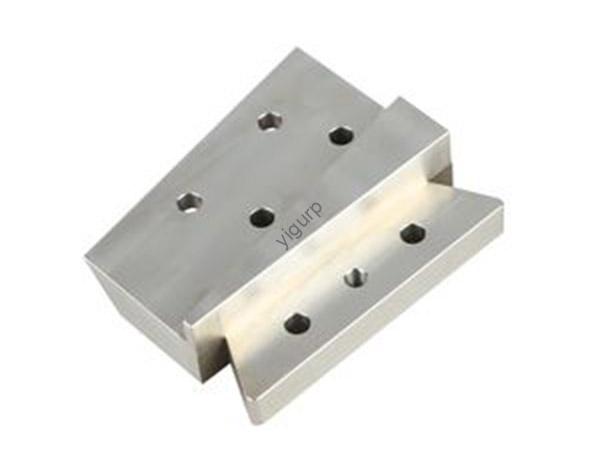
Se operi in settori come quello aerospaziale, automobilistico, o produzione di utensili, hai bisogno di materiali in grado di sopportare stress estremi, alte temperature, e forte usura. SM 1700 martensitic steel stands out as a top choice for these tough applications, grazie alla sua altissima resistenza, durezza eccezionale, e prestazioni affidabili. This guide dives deep into everything you need to know about MS 1700—from its chemical makeup to real-world uses, metodi di produzione, e come si confronta con altri materiali. Alla fine, you’ll know exactly when and why to use this powerful steel.
1. Material Properties of MS 1700 Acciaio martensitico
MS 1700’s impressive performance starts with its carefully engineered properties. Let’s break them down into four key categories, with clear data to back up its capabilities.
1.1 Composizione chimica
The alloying elements in MS 1700 are what give it its strength and durability. Di seguito è riportata una composizione tipica (values may vary slightly by manufacturer):
| Elemento | Gamma di contenuti (%) | Key Role in MS 1700 |
| Carbonio (C) | 0.80 – 1.00 | Delivers high carbon content for ultra-high hardness and tensile strength |
| Cromo (Cr) | 15.0 – 18.0 | Fornisce alto contenuto di cromo to boost corrosion resistance and wear resistance |
| Molibdeno (Mo) | 1.50 – 2.00 | Migliora la resistenza alle alte temperature e alla fatica |
| Vanadio (V) | 0.20 – 0.50 | Affina la struttura del grano per una migliore tenacità e resistenza all'usura |
| Other Alloying Elements | 0.50 – 1.00 totale | May include tungsteno (per la resistenza al calore) O cobalto (for added strength) |
1.2 Proprietà fisiche
These properties determine how MS 1700 behaves in different environments—from high heat to temperature changes:
- Densità: 7.85 g/cm³ (high density, making it sturdy for load-bearing parts)
- Punto di fusione: 1480 – 1530°C (punto di fusione elevato, suitable for high-temperature applications like turbine blades)
- Conducibilità termica: 22 Con/(m·K) a 20°C (bassa conduttività termica, meaning it retains heat well, ideal for parts that need to stay hot)
- Thermal Expansion Coefficient: 10.5 × 10⁻⁶/°C (from 20–100°C, low thermal expansion coefficient, minimizing warping when temperatures shift)
- Resistività elettrica: 0.75 × 10⁻⁶ Ω·m (high electrical resistivity, useful for parts where electricity shouldn’t flow easily)
1.3 Proprietà meccaniche
MS 1700’s mechanical properties are its biggest selling point—especially for high-stress applications. Below are typical values after proper heat treatment:
- Resistenza alla trazione: 1800 – 2200 MPa (ultra-high tensile strength, strong enough to handle aircraft landing gear loads)
- Forza di snervamento: 1600 – 1900 MPa (elevata resistenza allo snervamento, resists permanent deformation under heavy pressure)
- Durezza:
- Durezza Rockwell (HRC): 60 – 65 (elevata durezza, far harder than most martensitic steels, perfect for cutting tools)
- Vickers Hardness (alta tensione): 650 – 750
- Resistenza all'impatto: 30 – 45 J a 20°C (elevata tenacità agli urti, avoids brittle failure even in cold conditions)
- Forza della fatica: 700 – 800 MPa (high fatigue strength, resiste ai danni derivanti da stress ripetuti, critical for gears and shafts)
- Duttilità: 5 – 8% allungamento (low ductility, a trade-off for its high strength—best for parts that don’t need to bend much)
- Resistenza all'usura: Eccellente (thanks to high carbon and chromium, outperforming many other steels in cutting or rubbing applications)
1.4 Altre proprietà
- Resistenza alla corrosione: Bene (in dry or mildly humid environments; buona resistenza alla corrosione is enhanced by its high chromium content, though not as strong as austenitic steels in saltwater)
- Proprietà magnetiche: High magnetic permeability (retains magnetism well, useful for sensors in industrial machinery)
- Resistenza all'ossidazione: Alto (up to 700°C, high oxidation resistance at elevated temperatures, making it ideal for turbine blades or exhaust parts)
2. Key Applications of MS 1700 Acciaio martensitico
MS 1700’s unique mix of properties makes it indispensable across several industries. Let’s look at its most common uses and why it’s the right choice for each.
2.1 Aerospaziale
Aerospace demands materials that can handle extreme stress, alte temperature, e usura costante. SM 1700 shines here:
- Aircraft Landing Gear Components: Its ultra-high tensile strength (1800–2200 MPa) supports the weight of large planes during takeoff and landing. A major aerospace firm reported that MS 1700 landing gear parts lasted 35% longer than those made from standard martensitic steel.
- High-Stress Structural Parts: Wing brackets and fuselage components use MS 1700’s high fatigue strength to resist repeated stress from flight.
- Pale di turbina: MS 1700’s high melting point and oxidation resistance let it perform well in jet engine turbines, where temperatures reach 650°C.
2.2 Automobilistico
High-performance and heavy-duty vehicles rely on MS 1700 for parts that need to be strong and durable:
- High-Performance Engine Parts: Alberi a gomiti E bielle use MS 1700’s high yield strength to handle the intense pressure of high-speed engines. A luxury car maker found that MS 1700 crankshafts reduced engine wear by 25%.
- Componenti di trasmissione: Gears and shafts in truck transmissions benefit from its excellent wear resistance, riducendo i costi di manutenzione.
- Suspension Systems: MS 1700’s strength keeps suspension parts from bending or breaking on rough roads.
2.3 Produzione di utensili
Tools need to stay sharp and tough—MS 1700 delivers on both:
- Utensili da taglio: Frese E trapani made from MS 1700 retain their sharpness longer thanks to its HRC 60+ durezza. A tool manufacturer reported that MS 1700 milling cutters lasted 50% longer than those made from H13 steel when cutting hard metals.
- Stampi e matrici: Per plastic and metal forming, MS 1700’s wear resistance prevents scratches or damage, garantendo una qualità costante delle parti.
2.4 Macchinari industriali
Heavy machinery needs parts that can withstand constant use and heavy loads:
- Gears and Shafts: MS 1700’s high fatigue strength prevents breakage from repeated rotation.
- Cuscinetti: Its excellent wear resistance keeps bearings running smoothly, even in dusty or wet factories.
- High-Load Machine Parts: Presses and lifts use MS 1700’s ultra-high tensile strength to handle heavy weights safely.
2.5 Difesa
Defense applications require materials that perform in harsh, high-pressure situations:
- Armor-Piercing Projectiles: MS 1700’s hardness and strength let projectiles penetrate armor effectively.
- Military Vehicle Components: Tank tracks and armor plates use its durability to handle rough terrain and impacts.
2.6 Attrezzatura sportiva
High-performance sports gear uses MS 1700 for strength and precision:
- High-Performance Golf Clubs: The steel’s strength allows for thinner clubheads, migliorare la velocità e la distanza dello swing.
- Telai per biciclette: SM 1700 bilancia forza e peso, making frames durable for mountain biking.
- High-Strength Fishing Rods: Its stiffness and strength let rods handle large fish without bending or breaking.
3. Manufacturing Techniques for MS 1700 Acciaio martensitico
Turning raw materials into high-quality MS 1700 parts requires precise, specialized processes. Ecco come è fatto.
3.1 Processi di produzione dell'acciaio
SM 1700 is made using advanced methods to ensure purity and consistency:
- Forno ad arco elettrico (EAF): Uses electricity to melt scrap steel and alloying elements. This method is flexible, allowing for precise control of composizione chimica (critical for MS 1700’s properties). Most small to medium mills use EAF.
- Fornace ad ossigeno basico (BOF): Blows oxygen into molten iron to reduce carbon, then adds alloys. BOF is faster and cheaper for large-scale production.
- Rifusione ad arco sotto vuoto (NOSTRO): A premium process that melts steel in a vacuum to remove impurities. VAR is used for high-end MS 1700 parti (like turbine blades) where purity is essential.
3.2 Trattamento termico
Heat treatment is key to unlocking MS 1700’s ultra-high strength and hardness. The standard process includes:
- High-Temperature Quenching: Heat the steel to 1050–1150°C (hotter than most martensitic steels), then rapidly cool it in oil or water. This forms a hard martensite structure.
- Multiple Tempering Cycles: Reheat the quenched steel 2–3 times to 500–550°C. This reduces brittleness while keeping hardness high—critical for avoiding cracks in high-stress parts.
- Cryogenic Treatment: Optional but common for cutting tools. Cool the steel to -80–-196°C to convert remaining austenite to martensite, aumentando la durezza e la resistenza all'usura.
3.3 Processi di formazione
Once heat-treated, SM 1700 is formed into parts using methods that handle its strength:
- Stampaggio a caldo: Heat the steel to 1100–1200°C, then hammer or press it into shape (used for complex parts like landing gear components).
- Laminazione a freddo: Roll the steel at room temperature to make thin sheets or bars with smooth surfaces (ideal for tool blanks).
- Estrusione: Push the steel through a die to create long, uniform shapes (per esempio., bicycle frame tubes).
- Stampaggio: Use a high-pressure press to cut or bend flat steel sheets into parts like fasteners (works for simple shapes).
3.4 Trattamento superficiale
Surface treatments enhance MS 1700’s performance, soprattutto in ambienti difficili:
- Indurimento: Processes like carburazione (adding carbon to the surface) O nitrurazione (adding nitrogen) boost surface hardness and wear resistance.
- Rivestimento: Apply layers like nitruro di titanio (per utensili da taglio) O carbonio simile al diamante (per basso attrito) to improve performance.
- Pallinatura: Blast the surface with small metal balls to create compressive stress, increasing fatigue strength by up to 20%.
- Lucidatura: Smooth the surface to reduce friction (used for bearings or gears).
4. Real-World Case Studies of MS 1700 Acciaio martensitico
Case studies show how MS 1700 solves real problems for businesses. Here are three examples with hard data.
4.1 Aerospaziale: Turbine Blade Wear Resistance
A jet engine manufacturer was struggling with turbine blade wear—blades made from standard steel needed replacement every 2,000 ore di volo. They switched to MS 1700:
- Risultato: La durata della lama è aumentata a 3,700 ore di volo (UN 85% miglioramento).
- Why: MS 1700’s high oxidation resistance (up to 700°C) and excellent wear resistance handled the engine’s heat and friction better.
- Risparmio sui costi: Reduced maintenance costs by $450,000 per engine per year.
4.2 Produzione di utensili: Cutting Tool Efficiency
A tool company tested MS 1700 milling cutters against conventional HSS (acciaio rapido) cutters when machining stainless steel:
- Durata dell'utensile: SM 1700 cutters lasted 50% più a lungo (2,200 parti contro. 1,460 parti).
- Velocità di taglio: SM 1700 could handle 25% higher speeds (250 m/min vs. 200 m/mio), increasing productivity.
- Efficacia in termini di costi: Even though MS 1700 cutters cost 15% Di più, the longer life and faster speed reduced per-part tool costs by 18%.
4.3 Automobilistico: Crankshaft Durability
A heavy-duty truck maker wanted to improve crankshaft durability—standard crankshafts failed after 300,000 km. They switched to MS 1700:
- Risultato: Crankshaft lifespan jumped to 520,000 km (UN 73% miglioramento).
- Why: MS 1700’s ultra-high tensile strength (1800–2200 MPa) and high fatigue strength (700–800MPa) handled the truck’s heavy loads better.
- Soddisfazione del cliente: Reduced breakdowns, portando ad a 20% increase in customer retention.
5. How MS 1700 Martensitic Steel Compares to Other Materials
Choosing the right material depends on your needs. Here’s how MS 1700 stacks up against common alternatives.
5.1 Comparison with Other Martensitic Steels (per esempio., SM 1400, 440C)
| Caratteristica | SM 1700 | SM 1400 | 440C Steel |
| Contenuto di carbonio | 0.80–1,00% (alto) | 0.35–0,45% | 0.95–1.20% |
| Resistenza alla trazione | 1800–2200 MPa | 1200–1500 MPa | 1700–2000MPa |
| Durezza (HRC) | 60–65 | 37–45 | 58–62 |
| Resistenza alla corrosione | Bene | Moderare | Molto bene |
| Duttilità | 5–8% elongation | 10–15% elongation | 4–6% elongation |
| Ideale per | Ultra-high stress parts | Parti ad alto stress | Soggetto a corrosione, hard parts |
Advantage of MS 1700: Higher strength and hardness than MS 1400; better toughness than 440C.
Disadvantage: Lower corrosion resistance than 440C.
5.2 Comparison with Austenitic Steels (per esempio., 316l)
| Caratteristica | SM 1700 | 316L Steel |
| Resistenza meccanica | Altissimo (1800–2200 MPa) | Basso (550–650MPa) |
| Durezza (HRC) | 60–65 | 20–25 |
| Resistenza alla corrosione | Bene | Superiore (marine use) |
| Magnetico | SÌ (high permeability) | NO |
| Costo-prestazioni | Better for strength | Better for corrosion |
When to Choose MS 1700: If you need strength over corrosion resistance (per esempio., pale della turbina).
When to Choose 316L: If your part is in saltwater or harsh chemicals (per esempio., hardware marino).
5.3 Confronto con i metalli non ferrosi (Alluminio 6061, Rame)
Alluminio 6061
- Weight vs. Forza: L'alluminio è più leggero (2.7 g/cm³ rispetto a. 7.85 g/cm³), but MS 1700 is 7x stronger. For parts where strength is critical (per esempio., alberi a gomiti), SM 1700 è meglio.
- Resistenza alla corrosione: Aluminum has better natural corrosion resistance, but MS 1700 can match it with coatings.
Rame
- Conduttività elettrica: Copper is 12x more conductive (59.6 × 10⁶ S/m vs. 0.75 × 10⁶ S/m) – use copper for wires.
- Resistenza all'usura: SM 1700 is 8x more wear-resistant – perfect for moving parts like bearings.