
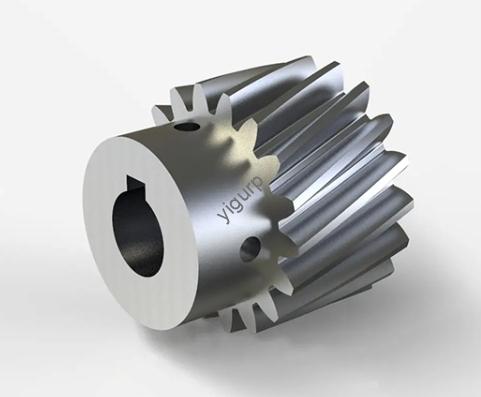
Nella produzione moderna, metal 3D printed parts prototype models have become a game-changer—helping teams verify designs, funzioni di prova, e mostrare i prodotti più velocemente che mai. A differenza delle lavorazioni tradizionali, La stampa 3D in metallo ti consente di creare strutture complesse, prototipi di alta precisione senza attrezzature costose. Sotto, analizzeremo l'intero processo, materiali chiave, esempi del mondo reale, and data to help you leverage this technology effectively.
1. Step-by-Step Process for Creating Metal 3D Printed Parts Prototype Models
Building a high-qualitymetal 3D printed parts prototype model involves six core steps, each critical to ensuring accuracy and functionality.
The 6-Stage Workflow (with Key Details)
| Fare un passo | Key Actions | Time Estimate (for a Medium-Size Prototype) | Critical Tips |
|---|---|---|---|
| Progetto & Modellazione | Use 3D software (per esempio., SolidWorks, Fusione 360) to add dimensions/structures; account for support needs. | 8-12 ore | Avoid overhangs >45° to reduce support material. |
| Selezione dei materiali | Choose metal based on performance needs (per esempio., titanium for strength). | 2-4 ore | Test material compatibility with your 3D printer first. |
| Affettare & Preparazione | Slice the 3D model into layers; set laser power, altezza dello strato (0.02-0.1mm). | 3-5 ore | Use software like Simplify3D for optimal print paths. |
| 3D Stampa | Load metal powder; use powder bed melting (PBM) or direct energy deposition (DED). | 12-24 ore | Monitor temperature to prevent warping. |
| Post-elaborazione | Rimuovere i supporti, heat-treat (per ridurre lo stress), sand/polish. | 6-8 ore | Use sandblasting for a smooth surface finish. |
| Test & Ottimizzazione | Run strength/durability tests; adjust design based on results. | 4-6 ore | Simula l'uso nel mondo reale (per esempio., pressure for aerospace parts). |
2. Top Materials for Metal 3D Printed Parts Prototype Models
Choosing the right metal directly impacts your prototype’s performance. Here are the most common options, with their best uses.
Material Breakdown (with Examples)
- Acciaio inossidabile: Corrosion-resistant and strong, ideal for industrial parts. A manufacturing firm used stainless steel prototypes to test a valve design—cutting testing time by 30% contro. prototipi in plastica.
- Lega di titanio: Elevato rapporto resistenza/peso, perfect for aerospace/medical parts. A medical device company created titanium hip implant prototypes, ensuring they matched patient CT scans exactly.
- Lega di alluminio: Lightweight and low-cost, great for automotive components. An auto manufacturer used aluminum prototypes for a new engine bracket, identifying a design flaw before mass production (risparmio $50,000 in tooling fixes).
3. Casi di studio nel mondo reale: How Metal 3D Prototypes Solve Problems
Caso 1: Industria aerospaziale
A leading aerospace company needed to test a complex fuel injector prototype. Utilizzandometal 3D printed parts prototype models (lega di titanio), they:
- Reduced prototype lead time from 6 settimane (lavorazione tradizionale) A 10 giorni.
- Achieved a tolerance of ±0.003mm, critical for fuel flow accuracy.
- Saved $20,000 in tooling costs for a single prototype iteration.
Caso 2: Industria automobilistica
Un veicolo elettrico (EV) startup wanted to optimize a battery housing design. With aluminum alloy 3D prototypes:
- Hanno testato 5 versioni di design in 3 settimane (contro. 3 months with manual methods).
- Improved heat dissipation by 15% Dopo 2 iterations.
- Avoided a costly recall by fixing a weak point in the housing design early.
4. Key Benefits of Metal 3D Printed Parts Prototype Models
Compared to traditional prototyping (per esempio., Lavorazione CNC, fusione), metal 3D printing offers unique advantages.
Benefit Comparison
| Beneficio | Stampa 3D in metallo | Lavorazione tradizionale |
|---|---|---|
| Libertà di progettazione | Creates complex internal structures easily | Struggles with intricate shapes (per esempio., parti cave). |
| Costo (for Small Batches) | $500-$2,000 per prototipo | $2,000-$5,000 (due to tooling) |
| Tempi di consegna | 3-5 giorni | 2-4 settimane |
| Rifiuti materiali | 5-10% (reusable powder) | 20-30% (scrap from cutting) |
Yigu Technology’s View on Metal 3D Printed Parts Prototype Models
Alla tecnologia Yigu, vediamometal 3D printed parts prototype models as a bridge between design and production. Abbiamo aiutato 300+ clients—from aerospace firms to medical device makers—streamline prototyping. Our data shows that using metal 3D prototypes cuts time-to-market by 40% and reduces design errors by 50%. For teams aiming to innovate fast, metal 3D printing isn’t just a tool—it’s a strategic advantage.
Domande frequenti
- Q: How much does a metal 3D printed parts prototype model cost?
UN: For small-to-medium parts, costs range from $500 (alluminio) A $3,000 (titanio). Larger or more complex prototypes can cost up to $10,000, but this is still cheaper than traditional tooling for small batches. - Q: Can metal 3D prototypes be used for functional testing (per esempio., pressione, Calore)?
UN: SÌ! La maggior parte dei metalli (per esempio., acciaio inossidabile, titanio) have mechanical properties similar to mass-produced parts. Just ensure post-processing (like heat treatment) matches your final production method. - Q: How long does it take to learn to design metal 3D printed parts prototype models?
UN: With basic 3D design experience, you can learn the basics in 2-3 settimane (focusing on support structures and material constraints). Mastering complex designs (per esempio., canali interni) potrebbe richiedere 2-3 mesi.