
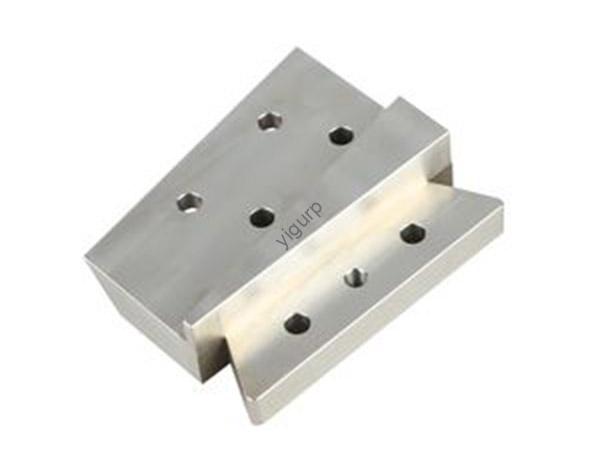
Se lavori in ambito residenziale, commerciale, o progetti automobilistici in cui il peso, velocità, e materia di precisione—acciaio strutturale di calibro leggero è una soluzione rivoluzionaria. Questo acciaio a pareti sottili (tipicamente 0,5–3 mm di spessore) bilancia forza e portabilità, ma come si comporta nelle attività del mondo reale come la costruzione di piccole case o la produzione di pannelli per automobili? Questa guida ne analizza i tratti principali, applicazioni, e confronti con altri materiali, così puoi prendere decisioni intelligenti per la leggerezza, progetti efficienti.
1. Proprietà dei materiali dell'acciaio strutturale di spessore leggero
Il valore dell’acciaio leggero risiede nel suo design “forte ma sottile”, progettato per offrire prestazioni strutturali senza peso eccessivo. Esploriamo le sue proprietà distintive.
1.1 Composizione chimica
IL composizione chimica di acciaio di calibro leggero è in linea con gli standard di acciaio a basso tenore di carbonio o a basso tenore di carbonio (per esempio., ASTM A653), ottimizzato per formabilità e saldabilità:
| Elemento | Gamma di contenuti (%) | Funzione chiave |
| Carbonio (C) | 0.05 – 0.20 | Fornisce una resistenza moderata pur mantenendo la duttilità (fondamentale per la piegatura di lamiere sottili) |
| Manganese (Mn) | 0.30 – 1.00 | Migliora la formabilità e riduce la fragilità (previene le fessurazioni durante la laminazione a freddo) |
| Silicio (E) | 0.01 – 0.35 | Migliora la resistenza al calore durante la saldatura (evita la deformazione delle sezioni sottili) |
| Zolfo (S) | ≤ 0.050 | Ridotto al minimo per evitare punti deboli (impedisce lo strappo durante la formatura) |
| Fosforo (P) | ≤ 0.040 | Controllato per prevenire la fragilità da freddo (adatto per uso esterno in climi temperati) |
| Cromo (Cr) | 0.01 – 0.10 | Tracce per una lieve resistenza alla corrosione (superiore nei gradi zincati) |
| Nichel (In) | 0.01 – 0.10 | Migliora la tenacità (lieve aumento della resistenza agli urti nei pannelli automobilistici) |
| Molibdeno (Mo) | 0.01 – 0.05 | Tracce per una migliore resistenza alla fatica (in parti ad alto stress come le capriate del tetto) |
| Vanadio (V) | 0.01 – 0.03 | Affina la struttura del grano (lieve miglioramento della resistenza per lamiere sottili) |
| Altri elementi di lega | Traccia (per esempio., alluminio) | Migliora l'adesione della zincatura (per gradi resistenti alla corrosione) |
1.2 Proprietà fisiche
Questi proprietà fisiche rendono l'acciaio leggero ideale per applicazioni leggere:
- Densità: 7.85 g/cm³ (uguale all'acciaio standard, ma il profilo più sottile riduce il peso complessivo)
- Punto di fusione: 1450 – 1510°C (gestisce processi standard di saldatura e formatura)
- Conduttività termica: 45 – 50 Con/(m·K) a 20°C (ottimo per la distribuzione del calore nei pannelli edili, prevenendo i punti caldi)
- Capacità termica specifica: 460 J/(kg·K)
- Coefficiente di dilatazione termica: 13.0 × 10⁻⁶/°C (20 – 100°C, deformazione minima in fogli sottili: fondamentale per componenti edilizi precisi)
1.3 Proprietà meccaniche
Le caratteristiche meccaniche dell’acciaio leggero danno priorità al rapporto resistenza/peso:
| Proprietà | Intervallo di valori |
| Resistenza alla trazione | 370 – 550 MPa |
| Forza di rendimento | ≥ 235 MPa (≥350 MPa per gradi ad alta resistenza come il grado ASTM A653 50) |
| Allungamento | 15 – 25% |
| Durezza (HB) | 110 – 180 |
| Resistenza agli urti | 20 – 40 J a 0°C |
| Resistenza alla fatica | 180 – 250 MPa |
| Duttilità | Alto (può essere arrotolato in forme complesse come canali a C o arcarecci a Z) |
1.4 Altre proprietà
- Resistenza alla corrosione: Da moderato a buono (l'acciaio zincato leggero resiste alla ruggine 20+ anni; l'acciaio non rivestito necessita di verniciatura per uso esterno)
- Saldabilità: Eccellente (le lamiere sottili si saldano rapidamente con la saldatura a punti o con la saldatura ad arco, senza necessità di preriscaldamento)
- Lavorabilità: Bene (tagliare facilmente con strumenti al plasma o laser; bassa usura dell'utensile grazie al profilo sottile)
- Proprietà magnetiche: Ferromagnetico (funziona con strumenti di ispezione magnetica per il rilevamento di difetti nei componenti dell'edificio)
- Finitura superficiale: Liscio (superficie laminata a freddo ideale per la verniciatura o la laminazione; i gradi zincati hanno un rivestimento di zinco per una protezione extra)
- Precisione dimensionale: Alto (±0,1 mm per lo spessore: fondamentale per l'incastro di parti dell'edificio come i pannelli a parete)
2. Applicazioni dell'acciaio strutturale leggero
La leggerezza e la precisione dell'acciaio leggero lo rendono un punto fermo nel ritmo frenetico, progetti efficienti in termini di spazio. Ecco i suoi usi principali, con esempi reali:
- Costruzione generale:
- Quadri strutturali: Telai leggeri per edifici modulari (per esempio., uffici temporanei). Un americano. l'impresa di costruzioni ha utilizzato acciaio di calibro leggero per 50 uffici modulari: telai pesati 40% meno del legno, riducendo i costi di trasporto 25%.
- Travi e colonne: Canali a C a pareti sottili per soppalchi nei negozi al dettaglio. Un centro commerciale europeo utilizzava soppalchi in acciaio di spessore leggero, supportati 500 kg/m² risparmiando 30% spazio sul pavimento rispetto a. acciaio pesante.
- Edilizia residenziale:
- Capriate del tetto: Capriate prefabbricate per case unifamiliari. Un costruttore canadese ha utilizzato tralicci in acciaio di calibro leggero per 100+ case: le capriate erano 50% più leggero del legno, velocizzare l'installazione del tetto 40%.
- Pannelli murali: Pannelli in acciaio ad incastro per piccole case. Un Regno Unito. il piccolo marchio domestico utilizza pannelli in acciaio di spessore leggero: i pannelli sono resistenti al fuoco e alla muffa, affrontare i problemi comuni del legno.
- Edilizia commerciale:
- Involucri edilizi: Facciate continue per edifici adibiti ad uffici. Un architetto di Singapore ha utilizzato facciate continue in acciaio di spessore leggero per un ufficio di 20 piani, riducendo il peso dell'edificio di 15% contro. alluminio, riducendo i costi di fondazione.
- Partizioni interne: Pareti mobili in acciaio per spazi di coworking. Un'azienda di coworking giapponese ha utilizzato pareti divisorie in acciaio di spessore leggero, facili da riconfigurare e resistenti al fuoco, rispetto dei codici di sicurezza.
- Industria automobilistica:
- Pannelli della carrozzeria: Pannelli porte e cofani per veicoli elettrici (Veicoli elettrici). Tesla utilizza acciaio di calibro leggero per il suo modello 3 pannelli della carrozzeria: peso del veicolo ridotto di 10%, migliorando l'autonomia della batteria di 5%.
- Componenti del telaio: Sottotelai leggeri per auto ibride. Toyota utilizza sottotelai in acciaio di calibro leggero: bilancia resistenza e peso, aumentare l’efficienza del carburante.
- Macchinari industriali:
- Recinzioni: Involucri protettivi per piccoli macchinari (per esempio., 3stampanti D). Un'azienda tecnologica tedesca utilizza involucri in acciaio di spessore leggero: gli involucri sono leggeri, facile da montare, e proteggere dalla polvere.
- Strutture di sostegno: Telai per scaffalature per lo stoccaggio in fabbrica. Un produttore cinese utilizza supporti per scaffalature in acciaio di spessore leggero 200 kg per ripiano pur essendo facile da spostare.
- Progetti infrastrutturali:
- Ponti: Ringhiere per ponti pedonali e supporti minori. Una città australiana ha utilizzato acciaio leggero per un ponte pedonale di 40 metri: le ringhiere lo erano 60% più leggero dell'acciaio pesante, riducendo i tempi di installazione 3 giorni.
- Strutture autostradali: Pali semaforici e supporti segnaletica. Un americano. DOT ha utilizzato pali in acciaio di calibro leggero: i pali sono resistenti alla corrosione (zincato) e facile da installare con piccoli equipaggi.
3. Tecniche di produzione di acciaio strutturale di spessore leggero
La produzione di acciaio di spessore leggero richiede precisione per mantenere lo spessore sottile garantendo allo stesso tempo la resistenza:
3.1 Processi di laminazione
- Laminazione a caldo: Utilizzato per l'assottigliamento iniziale: acciaio riscaldato 1100 – 1250°C, pressato in sottili spire (5–10 mm di spessore). Crea una superficie ruvida, ideale per la successiva laminazione a freddo.
- Laminazione a freddo: Metodo principale per lo spessore finale: laminato a freddo a temperatura ambiente con uno spessore di 0,5–3 mm. Migliora la levigatezza della superficie e la precisione dimensionale (fondamentale per la costruzione di pannelli e parti automobilistiche).
3.2 Metodi di fabbricazione
- Taglio: Taglio al plasma (veloce per lamiere spesse e leggere) O taglio laser (precisione per pannelli automobilistici). Il profilo sottile garantisce tagli puliti con scarti minimi.
- Tecniche di saldatura: Saldatura a punti (pannelli automobilistici) O Saldatura MIG (componenti edilizi). Le lamiere sottili si saldano rapidamente: riduce i tempi di produzione rispetto a. acciaio pesante.
- Piegatura e formatura: Fatto tramite formatura a rullo (per canali a C/arcarecci a Z) o presse piegatrici (per forme personalizzate come i pannelli a parete). L'elevata duttilità consente di modellarlo in complessi disegni ad incastro.
3.3 Trattamento superficiale
- Galvanizzazione: Immersione nello zinco fuso (50–Rivestimento da 100 μm). Più comune per uso esterno: l'acciaio zincato di calibro leggero resiste alla ruggine 20+ anni (utilizzato nelle capriate del tetto, poli).
- Pittura: Verniciatura a polvere o vernice liquida. Utilizzato per componenti interni (per esempio., partizioni per uffici) o parti estetiche (per esempio., Pannelli della carrozzeria dei veicoli elettrici).
3.4 Controllo qualità
- Metodi di ispezione:
- Test ad ultrasuoni: Controlla l'uniformità dello spessore (fondamentale per l’integrità strutturale).
- Ispezione con particelle magnetiche: Trova crepe superficiali nei giunti saldati (per esempio., connessioni reticolari).
- Test dimensionali: Gli scanner laser verificano che lo spessore e la forma soddisfino gli standard (per esempio., ASTM A653).
- Standard di certificazione: Incontra ASTM A653 (NOI.), IN 10142 (Europa), O ISO 10338 (globale) per acciaio leggero.
4. Casi di studio: Acciaio leggero in azione
4.1 Residenziale: Progetto canadese di una piccola casa
Un piccolo costruttore canadese è passato dal legno all'acciaio leggero per i pannelli delle pareti e le capriate del tetto. I pannelli in acciaio di calibro leggero erano a prova di muffa (risolvere i problemi di umidità canadese) E 50% più leggero del legno: ogni minuscola struttura domestica potrebbe essere trasportata con un piccolo camion (contro. un semilavorato per legno). Il costruttore ha ridotto i tempi di costruzione di 30% (da 4 settimane a 2.8 settimane) e non ha ricevuto richieste di garanzia per marciume o deformazioni 5 anni.
4.2 Automobilistico: Modello Tesla 3 Pannelli del corpo
Tesla utilizzò acciaio leggero ad alta resistenza (Grado ASTM A653 50) per i pannelli delle portiere e del cofano della Model 3. Quello dell'acciaio elevata resistenza allo snervamento (≥350MPa) mantenuto la sicurezza in caso di incidente, mentre il suo profilo sottile riduceva il peso del veicolo 10 kg. Questo risparmio di peso ha migliorato la gamma EPA della Model 3 di 15 miglia (24 km) e ridurre i tempi di produzione dei pannelli della carrozzeria 20% contro. pannelli in alluminio.
5. Analisi comparativa: Acciaio leggero vs. Altri materiali
In che modo l'acciaio leggero si confronta con le alternative per progetti leggeri?
5.1 contro. Altri tipi di acciaio
| Caratteristica | Acciaio strutturale di calibro leggero | Acciaio di grosso spessore | Acciaio legato |
| Spessore | 0.5 – 3 mm | 5 – 50 mm | 1 – 20 mm |
| Peso (al m², 1mm) | 7.85 kg | 39.25 kg (5mm) | 7.85 kg |
| Forza di snervamento | ≥ 235 MPa (fino a 500 MPa) | ≥ 235 MPa | ≥ 400 MPa |
| Costo (per tonnellata) | \(800 – \)1,200 | \(600 – \)900 | \(1,500 – \)2,000 |
| Ideale per | Edifici modulari, Pannelli elettrici | Ponti, macchinari pesanti | Parti ad alto stress |
5.2 contro. Materiali non metallici
- Legna: L'acciaio leggero è resistente al fuoco, a prova di muffa, e a prova di termiti (a differenza del legno). È 2 volte più forte per kg e dura 50+ anni contro. 20–30 anni per il legno: ideale per capriate residenziali.
- Materiali compositi (per esempio., fibra di vetro): I compositi sono resistenti alla corrosione ma costano 3 volte di più e sono meno rigidi. L'acciaio di spessore leggero è migliore per le parti portanti come le travi del mezzanino.
5.3 contro. Altri materiali metallici
- Leghe di alluminio: L'alluminio è più leggero (2.7 g/cm³) ma ha un limite di snervamento inferiore (200 – 300 MPa) e costa 2 volte di più. L'acciaio di spessore leggero è migliore per le parti strutturali come i pannelli a parete (necessita di meno materiale per la stessa resistenza).
- Acciaio inossidabile: L’acciaio inossidabile resiste alla corrosione ma costa 4 volte di più ed è più difficile da modellare. Acciaio leggero (zincato) è un valore migliore per uso esterno come i pali.
5.4 Costo & Impatto ambientale
- Analisi dei costi: L'acciaio leggero costa il 10-20% in più rispetto all'acciaio pesante ma consente di risparmiare il 30-50% sui costi di trasporto e installazione. Un progetto di costruzione modulare che utilizza acciaio leggero risparmiato $15,000 contro. acciaio pesante.
- Impatto ambientale: 100% riciclabile (salva 75% energia contro. nuovo acciaio). Il profilo più sottile utilizza meno produzione di materie prime 1 tonnellata di usi di acciaio di calibro leggero 30% meno minerale di ferro di 1 tonnellata di acciaio pesante.
6. Il punto di vista di Yigu Technology sull’acciaio strutturale di spessore leggero
Alla tecnologia Yigu, consigliamo acciaio di calibro leggero per la costruzione modulare, Produzione di veicoli elettrici, e infrastrutture leggere. Suo eccellente rapporto resistenza/peso riduce i costi di trasporto/installazione, mentre i gradi zincati offrono resistenza alla corrosione a lungo termine. Forniamo profilatura personalizzata per componenti edili (Canali C, pannelli) e offrire soluzioni di rivestimento per soddisfare le esigenze del progetto (per esempio., vernice resistente al calore per involucri industriali). Per i clienti che danno priorità alla velocità, sostenibilità, ed efficienza dello spazio, L'acciaio leggero è il futuro della progettazione strutturale leggera: nessun compromesso sulla resistenza, solo un uso più intelligente dei materiali.
Domande frequenti sull'acciaio strutturale di scartamento ridotto
- L'acciaio leggero è abbastanza resistente per le capriate dei tetti residenziali?
Sì, acciaio leggero ad alta resistenza (per esempio., Grado ASTM A653 50, carico di snervamento ≥350 MPa) supporta i carichi del tetto (nevicare, vento) così come legno o acciaio pesante. È anche resistente al fuoco, quale legno non lo è, rendendolo più sicuro per le case.
- Quanto dura l'acciaio zincato di calibro leggero all'aperto?
L'acciaio leggero zincato dura 20-30 anni all'aperto (a seconda del clima). Nelle zone costiere (acqua salata), può durare 15-20 anni: abbinalo a uno strato di vernice superiore per prolungarne la durata 30+ anni.
- È possibile utilizzare acciaio di calibro leggero per i pannelli della carrozzeria dei veicoli elettrici anziché l'alluminio??
Sì, è un'alternativa economicamente vantaggiosa. L'acciaio leggero ha una resistenza simile all'alluminio ma costa 50% meno ed è più facile da saldare. Tesla e Toyota lo utilizzano già per i pannelli della carrozzeria per ridurre peso e costi senza sacrificare la sicurezza.