
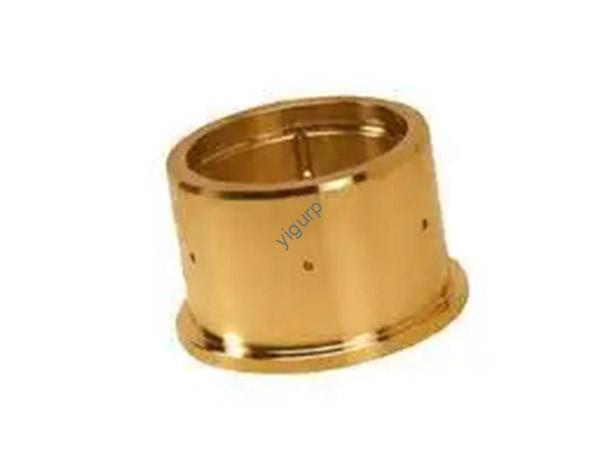
Se lavori nel settore manifatturiero, costruzione, o ingegneria automobilistica, probabilmente hai bisogno di un acciaio che bilanci la resistenza con la facilità di lavorazione.Acciaio strutturale in lega di piomboIl normale acciaio strutturale infuso con piccole quantità di piombo riempie questa nicchia. L'additivo al piombo aumenta la lavorabilità (fondamentale per le parti di precisione) mantenendo l'acciaio sufficientemente resistente per uso strutturale o meccanico. In questa guida, analizzeremo le sue proprietà, applicazioni del mondo reale, come è fatto, e come si confronta con altri acciai. Che tu sia un macchinista, ingegnere, o acquirente, questa guida ti aiuterà a decidere se l'acciaio strutturale in lega di piombo è adatto al tuo progetto, affrontando fattori chiave come la sicurezza e le prestazioni.
1. Proprietà dei materiali dell'acciaio strutturale in lega di piombo
Il vantaggio unico dell’acciaio strutturale in lega di piombo è il suo mix di resistenza strutturale e lavorabilità migliorata. Il contenuto principale (tipicamente basso, 0.15–0,35%) è la chiave della sua performance, ma influisce anche su altre caratteristiche come la resistenza alla corrosione.
Composizione chimica
L'additivo al piombo è attentamente bilanciato con altri elementi per evitare di indebolire l'acciaio. La composizione tipica include:
- Ferro (Fe): 95 – 98% – Il metallo base, fornendo la resistenza strutturale necessaria per le travi, alberi, o parti automobilistiche.
- Carbonio (C): 0.10 – 0.45% – Carbonio da basso a medio: mantiene forte l'acciaio (sufficiente per l'uso portante) ma non troppo difficile da lavorare. Carbonio più elevato (0.30–0,45%) viene utilizzato per parti come gli ingranaggi; carbonio inferiore (0.10–0,20%) per componenti edilizi.
- Manganese (Mn): 0.50 – 1.50% – Migliora la lavorabilità e rinforza l’acciaio (previene la fragilità del piombo).
- Silicio (E): ≤0,35% – Ridotta al minimo perché l’alto contenuto di silicio riduce la lavorabilità (rende l'acciaio più duro e aumenta l'usura dell'utensile).
- Fosforo (P): ≤0,04% – Mantenuti bassi per evitare fragilità (fondamentale per parti strutturali come travi che devono piegarsi senza rompersi).
- Zolfo (S): 0.05 – 0.20% – Funziona con il piombo per aumentare la lavorabilità: lo zolfo forma piccole inclusioni che rompono le scheggiature, mentre il piombo lubrifica gli utensili da taglio.
- Guida (Pb): 0.15 – 0.35% – L'additivo determinante: si scioglie a basse temperature (327°C) e funge da “lubrificante interno” durante la lavorazione, riducendo l'attrito tra l'utensile e l'acciaio.
- Oligoelementi: Piccole quantità di rame o nichel (≤0,1%) – affinare la struttura del grano e migliorare leggermente la resistenza alla corrosione.
Proprietà fisiche
Queste caratteristiche lo rendono compatibile con i processi di produzione standard e affidabile nell’uso:
| Proprietà | Valore tipico | Perché è importante per l’industria |
|---|---|---|
| Densità | ~7,87 – 7.90 g/cm³ | Leggermente più alto dell'acciaio normale (a causa della densità del piombo: 11.34 g/cm³) – facile calcolo del peso del pezzo (per esempio., la capacità di carico di una trave). |
| Punto di fusione | ~1430 – 1480°C | Simile all'acciaio normale: funziona con attrezzature di fusione e laminazione standard (non sono necessari strumenti specializzati per alte temperature). |
| Conducibilità termica | ~38 – 42 Con/(m·K) | Inferiore rispetto all'acciaio normale: dissipa il calore più lentamente, che aiuta durante la lavorazione (impedisce agli strumenti di surriscaldarsi troppo rapidamente). |
| Coefficiente di dilatazione termica | ~11,5 x 10⁻⁶/°C | Quasi identico all'acciaio normale: le parti mantengono la loro forma in caso di sbalzi di temperatura (per esempio., parti automobilistiche in climi caldi/freddi). |
| Proprietà magnetiche | Ferromagnetico | Facile da maneggiare con strumenti magnetici (per esempio., trattenere pezzi durante la lavorazione o sollevare travi nei cantieri). |
Proprietà meccaniche
Bilancia la resistenza per l'uso strutturale con la morbidezza per la lavorazione:
- Durezza: 110 – 170 HB (Brinell) – Abbastanza morbido per una lavorazione veloce (gli strumenti non si attenuano rapidamente) ma abbastanza duro da resistere all'usura (per esempio., parti automobilistiche che sfregano contro altri componenti).
- Resistenza alla trazione: 420 – 650 MPa – Abbastanza resistente per la maggior parte delle parti strutturali e meccaniche:
- Estremità inferiore (420–500MPa): Travi da costruzione o parti automobilistiche leggere.
- Estremità più alta (550–650MPa): Componenti meccanici pesanti come alberi di ingranaggi.
- Forza di snervamento: 260 – 400 MPa – Si piega sotto sforzo (per esempio., una trave che sostiene un carico) ma ritorna alla forma senza danni permanenti.
- Allungamento: 18 – 28% – Si allunga abbastanza da formare parti (per esempio., staffe automobilistiche laminate a freddo) senza rompersi.
- Resistenza all'impatto: 40 – 75 J/cm² – Moderato (meglio della ghisa) – può sopportare piccoli shock (per esempio., un componente meccanico colpito durante il montaggio).
- Resistenza alla fatica: Buono: resiste a stress ripetuti (per esempio., un albero di trasmissione rotante) per 10,000+ cicli senza fallire.
Altre proprietà
Queste caratteristiche rispondono a esigenze pratiche come l’efficienza e la sicurezza della lavorazione:
- Lavorabilità: Eccellente – Il piombo lubrifica gli utensili da taglio, quindi la lavorazione è 2-3 volte più veloce rispetto al normale acciaio a basso tenore di carbonio. Gli strumenti durano da 2 a 4 volte di più, riducendo i costi di sostituzione.
- Resistenza alla corrosione: Moderato – Peggiore dell’acciaio inossidabile ma simile al normale acciaio a basso tenore di carbonio. Necessita di trattamento superficiale (per esempio., pittura, zincatura) per uso esterno o umido.
- Contenuto principale: Controllato (0.15–0,35%) – Soddisfa la maggior parte degli standard globali (per esempio., Limiti REACH UE per il piombo nei materiali strutturali) ma richiede una manipolazione sicura (nessuna macinazione senza un'adeguata ventilazione).
- Impatto ambientale: Superiore rispetto agli acciai senza piombo – Il piombo è tossico, quindi gli scarti devono essere riciclati con attenzione (evitando la contaminazione di altri materiali).
- Finitura superficiale: Liscio – Finitura come lavorata (Ra 1.6 – 3.2 µm) spesso è sufficiente per le parti meccaniche (non è necessaria alcuna lucidatura aggiuntiva).
2. Applicazioni dell'acciaio strutturale in lega di piombo
Il suo mix di resistenza e lavorabilità lo rende ideale per parti che necessitano sia di affidabilità strutturale che di produzione di precisione. Ecco i suoi usi principali:
Materiali da costruzione
Viene utilizzato per componenti strutturali di piccole e medie dimensioni che richiedono lavorazione:
- Travi personalizzate: Travi a campata corta (per esempio., nei capannoni industriali) che necessitano di fori o aperture per i bulloni: la facile lavorazione riduce i tempi di fabbricazione.
- Staffe di supporto: Staffe metalliche che sostengono sistemi HVAC o tubazioni: tagli precisi (grazie alla buona lavorabilità) garantire una perfetta aderenza.
- Elementi di fissaggio: Bulloni e dadi per impieghi gravosi per l'edilizia: il piombo aumenta la velocità di taglio della filettatura, quindi le fabbriche possono produrre più elementi di fissaggio al giorno.
Componenti meccanici
Questo è il suo utilizzo più comune: parti che necessitano di lavorazioni precise e ripetibili:
- Ingranaggi: Ingranaggi da piccoli a medi (per esempio., in trasportatori industriali o macchine da ufficio) – la lavorazione fluida crea forme dei denti precise, riducendo rumore e usura.
- Alberi: Alberi rotanti per pompe o motori: il piombo facilita il taglio di scanalature o sedi per chiavetta (slot per il collegamento delle parti) senza danni all'utensile.
- Perni & Boccole: Perni di allineamento o boccole resistenti all'usura: tolleranze strette (±0,01 mm) sono facili da ottenere con una lavorazione veloce.
Parti automobilistiche
I produttori di automobili lo utilizzano per parti non critiche del motore o del telaio:
- Staffe del telaio: Staffe metalliche che fissano componenti come batterie o parti di scarico: facili da modellare e sufficientemente resistenti da sopportare le vibrazioni della strada.
- Accessori motore: Parti come pulegge della pompa dell'acqua o staffe dell'alternatore: la lavorabilità mantiene bassi i costi di produzione, e la forza gestisce il calore del motore.
- Componenti di trasmissione: Piccoli ingranaggi o leve del cambio: la lavorazione precisa garantisce cambi di marcia fluidi.
Applicazioni di ingegneria generale
È la soluzione ideale per parti industriali personalizzate o di grandi volumi:
- Corpi valvola: Piccole valvole per sistemi idrici o pneumatici: facili da forare e maschiare (aggiungere thread) per i collegamenti.
- Supporti per strumenti: Staffe per strumenti di misura (per esempio., manometri) – La finitura superficiale liscia e le tolleranze strette migliorano la precisione dello strumento.
3. Tecniche di produzione di acciaio strutturale in lega di piombo
La produzione di acciaio strutturale in lega di piombo implica 7 passaggi chiave: incentrati sulla distribuzione uniforme del piombo e sulla preservazione sia della resistenza che della lavorabilità:
1. Fusione e fusione
- Processo: Minerale di ferro, carbonio, e il manganese vengono fusi in un forno elettrico ad arco (EAF) a 1500–1600°C. Una volta che l'acciaio è fuso, viene aggiunto il piombo scorso (il piombo fonde a 327°C, quindi aggiungerlo tardi impedisce che si bruci). L'acciaio fuso viene agitato vigorosamente per distribuire uniformemente il piombo (grumi di piombo indebolirebbero l'acciaio). Viene poi colato in lastre (per fogli) o billette (per barre/alberi) tramite colata continua.
- Obiettivo chiave: Evitare la segregazione del piombo (grumi) – una distribuzione non uniforme del piombo provoca punti deboli o lavorabilità incoerente.
2. Laminazione a caldo
- Processo: Le bramme o le billette vengono riscaldate a 1100–1250°C (rovente) e arrotolato in barrette, fogli, o travi. La laminazione a caldo modella l'acciaio e allunga le particelle di piombo rendendole minuscole, goccioline distribuite uniformemente (ideale per la lubrificazione durante la lavorazione).
- Suggerimento chiave: Le velocità di laminazione lente aiutano a mantenere il piombo distribuito, mentre la laminazione veloce può spingere il piombo in gruppi.
3. Laminazione a freddo (Opzionale)
- Processo: Per parti che necessitano di superfici ultra lisce (per esempio., staffe automobilistiche), l'acciaio laminato a caldo viene raffreddato e nuovamente laminato a temperatura ambiente. La laminazione a freddo migliora la finitura superficiale (Ra 1.6 µm) e restringe le tolleranze (±0,05 mm).
- Ideale per: Parti di precisione come ingranaggi o supporti per strumenti: elimina la necessità di lucidatura aggiuntiva.
4. Trattamento termico
- Processo: La maggior parte dell’acciaio strutturale legato al piombo viene utilizzato “come laminato” (nessun trattamento termico) perché il calore può ridurre la lavorabilità. Per le parti più difficili (per esempio., alberi ad alta usura):
- Ricottura: Riscaldato a 800–900°C e raffreddato lentamente – ammorbidisce l'acciaio per la lavorazione, poi indurito successivamente.
- Tempra & Temperamento: Riscaldato a 850–950°C, spento nell'olio, poi rinvenuto a 200–350°C – aumenta la durezza (25–30HRC) pur mantenendo una certa tenacia.
- Avviso chiave: Evitare il surriscaldamento: temperature superiori a 1000°C possono far evaporare il piombo, riducendo la lavorabilità.
5. Lavorazione (Passaggio principale per le parti finali)
- Processo: L'acciaio viene tagliato nelle parti finali utilizzando metodi standard:
- Girando: Forma parti cilindriche (alberi, bulloni) su un tornio: il piombo lubrifica l'utensile, quindi i torni funzionano a velocità più elevate (200–300 giri al minuto rispetto. 150 RPM per acciaio normale).
- Fresatura: Crea ingranaggi o staffe: il piombo riduce l'usura dell'utensile, così i mulini possono funzionare più a lungo senza fermarsi.
- Perforazione: Aggiunge buchi – significa un taglio più veloce 50% più fori all'ora rispetto all'acciaio normale.
- Nota sulla sicurezza: La lavorazione produce polvere di piombo: utilizzare sistemi di ventilazione e indumenti protettivi (maschere) per evitare l'esposizione.
6. Trattamento superficiale
- Processo: Le parti sono rivestite per migliorare la resistenza alla corrosione (poiché l'acciaio legato al piombo arrugginisce come l'acciaio normale):
- Galvanizzazione: Immersione in zinco: protegge le parti esterne come staffe o elementi di fissaggio dalla pioggia e dall'umidità.
- Verniciatura/Verniciatura a polvere: Aggiunge uno strato di colore e protezione dalla ruggine, utilizzato per parti visibili come staffe automobilistiche.
- Placcatura in cromo: Aggiunge un duro, strato lucido – utilizzato per parti soggette ad alta usura come ingranaggi o boccole.
7. Controllo e ispezione di qualità
- Analisi chimica: Controlla il contenuto dei lead (deve essere 0,15–0,35%) e altri elementi – garantisce la conformità agli standard (per esempio., ASTM A325 per elementi di fissaggio).
- Prove meccaniche: Misura la resistenza alla trazione e la durezza: verifica che le parti possano sopportare il carico previsto (per esempio., una trave di sostegno 500 kg).
- Controllo della distribuzione dei lead: Utilizza la fluorescenza a raggi X (XRF) per garantire che il piombo sia distribuito uniformemente: non sono ammessi grumi.
- Prove di lavorabilità: Taglia un campione con uno strumento standard: misura l'usura dell'utensile e la velocità di taglio (deve soddisfare 2 volte più velocemente dell'acciaio normale).
4. Casi di studio: Acciaio strutturale in lega di piombo in azione
Gli esempi del mondo reale mostrano come risolve i problemi di produzione e di costo. Ecco 3 casi chiave:
Caso di studio 1: La fabbrica di ingranaggi riduce i tempi di produzione
Una fabbrica produceva piccoli ingranaggi per trasportatori con normale acciaio a medio carbonio: ogni ingranaggio funzionava 12 minuti alla macchina, e gli strumenti hanno smussato ogni 400 ingranaggi.
Soluzione: Passato all'acciaio strutturale in lega di piombo (0.25% Guida, 0.15% zolfo).
Risultati:
- Il tempo di lavorazione per ingranaggio è sceso a 5 minuti (58% Più veloce) – la produzione è aumentata da 50 A 120 marce/giorno.
- Durata dell'utensile estesa a 1,600 ingranaggi (4x più a lungo) – i costi di sostituzione degli utensili sono diminuiti 75%.
- Il tasso di scarto è sceso da 10% A 2% – meno ingranaggi rovinati dall’opacizzazione dell’utensile.
Perché ha funzionato: Il piombo lubrificava gli utensili da taglio, riducendo l'attrito e l'usura, mentre lo zolfo ha migliorato la rottura del truciolo.
Caso di studio 2: L'impresa edile accelera la fabbricazione delle travi
Una società di costruzioni aveva bisogno di travi da magazzino personalizzate con fori praticati: è necessario l'acciaio normale 30 minuti per trave da perforare, causando ritardi.
Soluzione: Travi in acciaio strutturale in lega di piombo usate (0.20% Guida, 0.10% zolfo).
Risultati:
- Il tempo di perforazione per trave è sceso a 12 minuti (60% Più veloce) – il progetto è terminato 2 settimane prima.
- La durata della punta del trapano è stata estesa a 80 travi (contro. 25 travi per acciaio normale) – i costi degli utensili sono diminuiti 69%.
- La resistenza della trave è rimasta invariata: le prove di carico hanno dimostrato che erano supportate 600 kg (soddisfa gli standard di sicurezza).
Perché ha funzionato: Il piombo rendeva l'acciaio più morbido per la perforazione, senza ridurre la resistenza strutturale.
Caso di studio 3: Il fornitore automobilistico riduce i costi
Un fornitore di componenti per automobili ha realizzato staffe motore con normale acciaio a basso tenore di carbonio: l'elevata usura degli utensili e la lavorazione lenta hanno fatto lievitare i costi.
Soluzione: Passato all'acciaio strutturale in lega di piombo (0.30% Guida, 0.08% zolfo).
Risultati:
- I costi di lavorazione per staffa sono diminuiti 40% – il risparmio sugli utensili e una produzione più rapida compensano il prezzo leggermente più alto dell’acciaio.
- Il volume di produzione è aumentato del 70% – il fornitore ha vinto un nuovo contratto con un importante produttore di automobili.
- Le staffe hanno superato i test di durata: hanno resistito 100,000 cicli di vibrazione della strada senza fessurazioni.
Perché ha funzionato: Lavorabilità potenziata dal piombo, mentre la resistenza dell’acciaio soddisfaceva gli standard di durabilità automobilistica.
5. Acciaio strutturale in lega di piombo vs. Altri materiali
Non è l’acciaio più forte o più resistente alla corrosione, ma eccelle nel bilanciare forza e lavorabilità. Ecco come si confronta:
| Materiale | Lavorabilità (1= Migliore) | Resistenza alla trazione (MPa) | Resistenza alla corrosione | Costo (contro. Acciaio legato al piombo) | Ideale per |
|---|---|---|---|---|---|
| Acciaio strutturale in lega di piombo | 2 | 420 – 650 | Moderare | 100% (costo base) | Parti strutturali lavorate, ingranaggi, staffe automobilistiche |
| Acciaio a basso tenore di carbonio | 5 | 350 – 500 | Moderare | 80% (più economico) | Travi di grandi dimensioni, parti semplici (nessuna lavorazione di precisione) |
| Acciaio al carbonio medio | 6 | 600 – 900 | Moderare | 90% | Parti forti (per esempio., grandi alberi) che necessitano di una lavorazione lenta |
| Acciaio inossidabile (304) | 8 | 515 – 720 | Eccellente | 250% (più costoso) | Parti resistenti alla corrosione (per esempio., macchine alimentari) |
| Acciaio legato (4140) | 7 | 800 – 1100 | Moderare | 180% | Parti ad alto stress (per esempio., alberi motore) |
| Ghisa | 3 | 200 – 400 | Basso | 70% (più economico) | Economico, parti fragili (per esempio., chiusini) |
| Lega di alluminio (6061) | 1 | 276 – 310 | Bene | 120% | Parti leggere (per esempio., staffe per aerei) – bassa resistenza |
Chiave da asporto: L'acciaio strutturale in lega di piombo è la scelta migliore per le parti che necessitano sia di resistenza strutturale che di lavorazione rapida. È più economico dell’acciaio inossidabile o legato e più versatile della ghisa.
La prospettiva di Yigu Technology sull'acciaio strutturale in lega di piombo
Alla tecnologia Yigu, L'acciaio strutturale in lega di piombo è una scelta pratica per i clienti che necessitano di parti strutturali lavorate a macchina, come ingranaggi o travi personalizzate. Diamo priorità ai contenuti lead controllati (0.20–0,30%) per bilanciare lavorabilità e sicurezza, garantire il rispetto degli standard ambientali globali. Per la maggior parte dei progetti, riduce i tempi di produzione del 40–60% rispetto a. acciaio normale, rendendolo conveniente nonostante un leggero sovrapprezzo. Consigliamo inoltre ai clienti una manipolazione sicura (ventilazione per la lavorazione) e trattamento superficiale (zincatura per esterni) per massimizzare la durata della parte. Non è l’ideale per parti soggette a corrosione o ad alto stress, ma per componenti strutturali lavorati di precisione, è difficile da battere.