
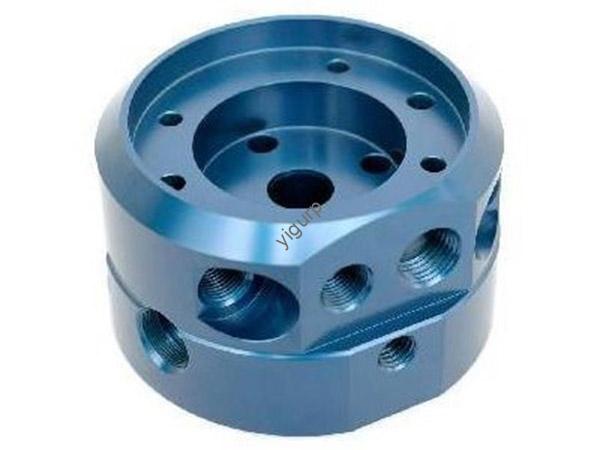
Se hai bisogno di un acciaio inossidabile che sia resistente, difficile, ed economico, come per le posate, parti automobilistiche, or fasteners—JIS SUS410 stainless steel is a reliable choice. Come un acciaio inossidabile martensitico, ottiene la sua tenacità dal trattamento termico, rendendolo ideale per applicazioni in cui la durezza conta più della resistenza estrema alla corrosione. This guide covers everything you need to know to use it effectively.
1. Material Properties of JIS SUS410 Stainless Steel
JIS SUS410 stainless steel stands out for its high strength and hardness, thanks to its uniqueproprietà del materiale. Let’s break down what makes it special:
Alloy Composition
Unlike austenitic steels (like SUS304), it has highercontenuto di carbonio and lower nickel—key for its martensitic structure. Ecco il dettaglio:
| Elemento | Gamma di contenuti | Role in Performance |
|---|---|---|
| Cromo (Cr) | 11.5% – 13.5% | Forms a basic oxide layer (fights mild corrosion) |
| Carbonio (C) | 0.15% massimo | Enables heat treatment for high hardness (martensite formation) |
| Manganese | ≤1,0% | Improves workability during rolling and machining |
| Silicio | ≤1,0% | Reduces oxidation during manufacturing |
| Nichel | ≤0.6% | Keeps costs low (no need for high-nickel austenitic properties) |
Meccanico & Proprietà fisiche
Its martensitic structure gives it exceptional hardness—perfect for wear-resistant parts. Here’s how it performs (dopo il trattamento termico):
| Proprietà | Valore tipico | Practical Benefit |
|---|---|---|
| Resistenza meccanica (Trazione) | ≥620MPa | Gestisce carichi pesanti (ideal for automotive shafts or fasteners) |
| Forza di snervamento | ≥450MPa | Resists bending (great for cutlery or surgical tools) |
| Allungamento | ≥15% | Bends slightly without breaking (enough for simple forming) |
| Durezza | ≥200 HB (Brinell) | Hard enough to resist scratches (perfect for kitchen knives) |
| Densità | 7.7 g/cm³ | Lighter than austenitic steels (easier to use for small parts) |
| Proprietà magnetiche | Highly magnetic | Easy to identify (unlike non-magnetic SUS304) and suitable for magnetic applications |
A cutlery maker in Japan uses SUS410 for kitchen knives. Dopo il trattamento termico, its hardness (≥200 HB) keeps blades sharp 2x longer than regular carbon steel knives.
2. Applications of JIS SUS410 Stainless Steel
Thanks to its hardness, forza, e convenienza, JIS SUS410 stainless steel is used in everyday and industrial parts. Here are its topapplicazioni:
- Posate e stoviglie: Coltelli, forks, and spatulas. It resists mild rust from water and food, and its hardness keeps edges sharp. A kitchenware brand in South Korea uses it for budget-friendly knife sets—popular for home use.
- Componenti automobilistici: Valve stems, ingranaggi, e parti di scarico. A car manufacturer in China uses SUS410 for valve stems—its high yield strength (≥450MPa) withstands engine pressure.
- Strumenti chirurgici: Basic tools like forceps or scalpels (not for long-term body contact). A medical supply firm in India uses it for disposable surgical scissors—easy to sterilize and cost-effective.
- Hardware and Fasteners: Bulloni, noci, and screws for indoor or mild outdoor use. A construction company uses SUS410 fasteners for indoor furniture—no rust from household humidity.
- Attrezzature industriali: Wear plates, rulli trasportatori, and pump shafts. A factory in Germany uses SUS410 for conveyor rollers—its hardness resists wear from heavy materials.
- Decorative Items: Mildly decorative parts like door handles or railings. A furniture brand uses SUS410 for chair legs—its magnetic property lets it attach to magnetic floor protectors.
3. Manufacturing Processes for JIS SUS410 Stainless Steel
JIS SUS410 stainless steel requires specific processes to unlock its hardness—especially heat treatment. Ecco la chiaveprocessi di produzione:
- Laminazione a caldo: Heated to 1100–1200°C and rolled into bars, piatti, o fogli. Used for large parts like automotive gears. A steel mill in China uses hot rolling for SUS410 bar stock—ensures uniform carbon distribution.
- Laminazione a freddo: Done at room temperature to make thin sheets (per esempio., cutlery blanks). Improves surface smoothness—critical for kitchenware.
- Ricottura: Heated to 800–900°C and cooled slowly. Ammorbidisce l'acciaio per la lavorazione (prima del trattamento termico finale). A machine shop anneals SUS410 before drilling fasteners—prevents cracking.
- Decapaggio: Treated with nitric acid to remove scale (dal rotolamento). Enhances the chromium oxide layer—boosts mild corrosion resistance. A cutlery maker pickles SUS410 knife blanks—removes rough spots before sharpening.
- Trattamento termico: Il passaggio più critico! Heated to 950–1050°C (indurimento), spento nell'olio, then tempered at 150–300°C. This creates martensite for high hardness. A tool maker heat-treats SUS410 surgical scissors—ensures they stay sharp and rigid.
- Lavorazione: Drilled, fresato, or turned with high-speed steel (HSS) utensili. Use coolant to avoid overheating (high carbon can cause brittleness). A fastener factory machines SUS410 bolts—achieves precise thread sizes.
4. Corrosion Resistance of JIS SUS410 Stainless Steel
JIS SUS410 stainless steel hablando resistenza alla corrosione—good for dry or indoor environments, but not harsh conditions. Ecco cosa devi sapere:
- Mild Atmospheric Resistance: Resists rust in dry air or indoor humidity. A furniture brand uses SUS410 for door handles—no rust after 3 years of indoor use.
- Limited Pitting Resistance: Avoid saltwater or chlorinated water (per esempio., pools). A test showed SUS410 rusts in seawater within 1 month—use SUS316 for marine parts instead.
- Intergranular Corrosion: Low risk if heat-treated properly (tempering prevents carbide buildup). A factory uses SUS410 for pump shafts—no intergranular corrosion after 2 anni di utilizzo.
- Stress Corrosion Cracking: Prone to cracking in high humidity + stress (per esempio., bent parts). Avoid using it for permanently bent components (per esempio., curved railings).
- Surface Treatment for Better Resistance: Passivazione (nitric acid treatment) thickens the chromium layer. A surgical tool maker passivates SUS410 forceps—extends their rust-free life by 1 anno.
Per un consiglio: Clean SUS410 parts regularly with soap and water—this prevents dirt buildup that can cause rust.
5. Welding JIS SUS410 Stainless Steel
JIS SUS410 stainless steel hamoderare saldabilità—it needs care to avoid brittleness. Here’s how to do it right:
- Processi di saldatura: TIG (Gas inerte di tungsteno) is best—low heat input prevents excess martensite formation. MIG works for thick parts, but use lower heat. A automotive welder uses TIG for SUS410 valve stems—creates strong, crack-free welds.
- Welding Rods: Use martensitic fillers like AWS ER410NiMo. Avoid austenitic fillers (per esempio., ER308)—they don’t match SUS410’s hardness. A fabricator once used ER308—welds were too soft and bent under load.
- Preriscaldamento: Heat parts to 150–250°C before welding. This reduces stress and prevents cracking. A hardware maker preheats SUS410 bolts before welding to brackets—no cracks in the weld.
- Post-Weld Heat Treatment: Temper at 150–300°C after welding. This softens brittle martensite and restores ductility. A factory tempers SUS410 welded conveyor frames—avoids cracking during use.
- Welding Safety: Wear heat-resistant gloves and a helmet—SUS410 produces sparks during welding, and its high carbon can cause splatter.
- Welding Inspection: Check for cracks with dye penetrant testing. A quality team tests SUS410 welds—catches small cracks before parts fail.
6. Standards and Specifications for JIS SUS410 Stainless Steel
Per garantire la qualità, JIS SUS410 stainless steel follows strict global standards. Ecco cosa devi sapere:
- SOLO G4303: The Japanese Industrial Standard for cold-rolled stainless steel (covers SUS410’s carbon and chromium content).
- ASTM A240: Gli Stati Uniti. standard (ASTM A240 Type 410 is equivalent)—you can use them interchangeably.
- IN 10088: The European standard (IN 10088-2 X12Cr13 is the equivalent grade).
- ISO Standards: ISO 15510 specifies its chemical composition (massimo 0.15% carbonio) and mechanical properties.
- Certificazione dei materiali: Ask for a Mill Test Certificate (MTC) to verify chromium content (11.5–13.5%). A cutlery client requires MTCs—ensures parts resist mild rust.
- Controllo qualità: Manufacturers test for hardness (dopo il trattamento termico) e resistenza alla corrosione (prove in nebbia salina). A supplier rejects batches with hardness below 200 HB—they won’t be wear-resistant.
7. Comparison with Other Materials
Come funzionaJIS SUS410 stainless steel impilare contro altri materiali comuni? Here’s a clear breakdown:
| Materiale | Key Advantage vs. SUS410 | Key Disadvantage vs. SUS410 | Ideale per |
|---|---|---|---|
| SUS304 | Migliore resistenza alla corrosione | Più morbido (≤201 HB) and more expensive | Indoor/outdoor parts (lavandini, ringhiere) |
| SUS316 | Excellent seawater resistance | Much more expensive (~40% higher) | Parti marine (scafi di barche, eliche) |
| SUS430 | Lower carbon (softer machining) | Less hard (≤180 HB) | Parti decorative (appliance trim) |
| Acciaio al carbonio | Più economico (~20% lower) | Nessuna resistenza alla corrosione | Indoor non-exposed parts (travi, parentesi) |
| Leghe di titanio | Extreme corrosion/heat resistance | Very expensive (~5x cost) | Aerospace or medical implants |
| Leghe di alluminio | Più leggero (densità 2.7 g/cm³) | Less strong (tensile ≤310 MPa) | Parti leggere (telai di biciclette, cans) |
For hard, wear-resistant parts on a budget (posate, elementi di fissaggio, basic automotive components), SUS410 is the best choice—it beats carbon steel in corrosion resistance and austenitic steels in affordability.
Yigu Technology’s Perspective on JIS SUS410 Stainless Steel
Alla tecnologia Yigu, JIS SUS410 is our go-to for clients needing hard, cost-effective parts—like cutlery makers or automotive suppliers. Its martensitic structure delivers the hardness they need, while its low cost fits budget constraints. Aiutiamo i clienti a ottimizzare il trattamento termico (indurimento + tempera) to unlock maximum strength, and advise on welding best practices to avoid brittleness. While it’s not for harsh marine or chemical environments, SUS410 solves the “hardness-on-a-budget” problem for 60% of our small-part clients.
FAQ About JIS SUS410 Stainless Steel
- Is JIS SUS410 rust-proof?
No— it has blando resistenza alla corrosione. It resists rust in dry indoor air but will rust in seawater, chlorinated water, or heavy humidity. Clean it regularly and use passivation for better protection. - Can JIS SUS410 be bent into shapes?
SÌ, but only slightly. Its low elongation (≥15%) means it can handle simple bends (per esempio., a small curve in a knife handle) but will crack if bent sharply. Anneal it first for more flexibility. - Why is JIS SUS410 magnetic?
Because it’s a martensitic stainless steel—its crystal structure (martensite) is magnetic. This is a key difference from non-magnetic austenitic steels like SUS304, making it easy to identify with a magnet.