
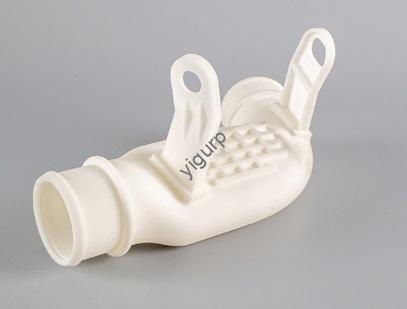
Nel frenetico mondo manifatturiero di oggi, 3Tecnologia di stampa D (chiamata anche produzione additiva) è emerso come un punto di svolta. A differenza della tradizionale produzione sottrattiva, dove si taglia, trapano, o macinare il materiale per modellare un oggetto: la stampa 3D costruisce le cose strato dopo strato da modelli digitali. This unique approach not only saves time and material but also unlocks design possibilities that were once impossible. Whether you’re a small business owner looking to prototype a new product, a medical professional needing custom implants, or an educator teaching design principles, understanding 3D printing can help you solve real-world challenges. Let’s dive into what 3D printing is, come funziona, where it’s used, and where it’s headed.
What Is 3D Printing Technology, and How Does It Work?
Al suo centro, 3D printing is an additive process that turns virtual designs into physical objects. It eliminates the need for expensive molds or tooling, making it ideal for both rapid prototyping and small-batch production. To understand it better, let’s break down itsrationale (the “why” behind the process) Ekey steps (the “how”).
The Rationale Behind 3D Printing
Traditional manufacturing often wastes material—for example, carving a metal part from a solid block can lose up to 90% of the original material. 3D printing fixes this by adding material only where it’s needed. Think of it like building a house with bricks: instead of starting with a huge stone and chiseling away, you lay one brick at a time until the structure is complete. This “layer-by-layer” logic also lets you create complex shapes—like hollow parts, canali interni, or intricate geometries—that would be impossible to make with traditional tools.
Fasi principali della stampa 3D
Every 3D print job follows four core steps, each critical to getting a high-quality result. Ecco un'analisi dettagliata:
- Digital Model Design: Primo, you create a 3D model of the object usingProgettazione assistita da computer (CAD) software (per esempio., AutoCAD, Fusione 360, or Tinkercad for beginners). This model is a virtual blueprint—for example, a CAD file for a phone case would include every detail, from the thickness of the edges to the cutout for the camera.
- Data Conversion: Prossimo, you convert the CAD file into a format that 3D printers can read. The most common format isSTL (Stereolitografia)—it breaks the 3D model into thousands of tiny 2D layers (like slicing a loaf of bread into thin slices). Some advanced printers use other formats (per esempio., OBJ or 3MF), but STL remains the industry standard.
- Print Path Generation: Before printing, you use “slicer software” (per esempio., Cura, PrusaSlicer) to set parameters like layer height (usually 0.1–0.3mm for most projects), velocità di stampa (50–100mm/s), and support structures (for overhanging parts). The slicer then generates a “print path”—a detailed map that tells the printer’s nozzle or laser exactly where to deposit material.
- Actual Printing Process: Finalmente, the printer brings the model to life. It uses materials likepowdered metal (per esempio., titanium for aerospace parts), thermoplastic filaments (per esempio., PLA for toys or ABS for durable parts), or even resin (for high-detail models like jewelry). The printer adds one layer at a time, bonding each layer to the one below (utilizzando il calore, UV light, or adhesive) until the object is fully formed. Per esempio, a small plastic toy might take 2–4 hours to print, while a large metal aerospace component could take several days.
What Materials Are Used in 3D Printing?
The choice of material depends on the project’s needs—whether you want something cheap and flexible, strong and heat-resistant, or biocompatible (safe for use in the human body). Below is a table of common 3D printing materials, le loro proprietà, e usi tipici:
| Tipo materiale | Proprietà chiave | Applicazioni comuni | Example Use Case |
|---|---|---|---|
| Thermoplastic Filaments (PLA) | Basso costo, facile da stampare, biodegradabile | Prototipi, giocattoli, articoli per la casa | A custom plant pot for indoor herbs |
| Thermoplastic Filaments (ABS) | Durevole, resistente al calore, resistente agli urti | Parti automobilistiche, custodie per telefoni, utensili | A replacement handle for a kitchen knife |
| Powdered Metals (Titanio) | Leggero, forte, resistente alla corrosione | Componenti aerospaziali, impianti medici | A hip implant for a patient |
| Resina (Photopolymer) | Elevato dettaglio, superficie liscia, rigido | Gioielli, corone dentali, miniatures | A custom dental crown that matches a patient’s teeth |
| Calcestruzzo | Forte, durevole, suitable for large structures | Costruzione (muri, small buildings) | A 3D-printed emergency shelter for disaster zones |
Real-World Applications of 3D Printing
3D printing started as a tool for rapid prototyping, but today it’s used across nearly every industry. Its ability to create custom, complex parts on-demand solves problems that traditional manufacturing can’t. Let’s explore some key industries and their use cases:
1. Aerospace and Automotive
- Aerospaziale: Companies like Boeing and Airbus use 3D printing to make lightweight parts (per esempio., fuel nozzles for jet engines). Per esempio, Boeing’s 787 Dreamliner uses over 600 3Parti stampate in D, reducing the plane’s weight by 20% and cutting fuel costs by 15%.
- Automobilistico: Tesla uses 3D printing to prototype new car components (per esempio., parti del cruscotto) in days instead of weeks. Smaller companies like Local Motors even 3D-print entire cars—their Strati model takes just 44 hours to print and assemble.
2. Medical and Dental
- Medico: Surgeons use 3D-printed models to practice complex operations (per esempio., brain surgery) before working on patients. In 2023, doctors in the U.S. successfully implanted a 3D-printed titanium spine into a patient with severe spinal damage—custom-made to fit their body perfectly.
- Dentale: Dentists now 3D-print crowns, ponti, and aligners (like Invisalign) in their offices. A dental crown that once took a week to make can now be printed and placed in a single appointment.
3. Construction and Education
- Costruzione: Companies like Apis Cor 3D-print entire houses using concrete. In Mexico, they built a 500-square-foot home in just 24 ore, costo 30% less than a traditionally built house. This is a game-changer for affordable housing in developing countries.
- Istruzione: Schools use 3D printers to teach STEM (Scienza, Tecnologia, Ingegneria, Matematica) competenze. Per esempio, high school students can design and print a model of a cell to learn biology, or a small robot to understand engineering.
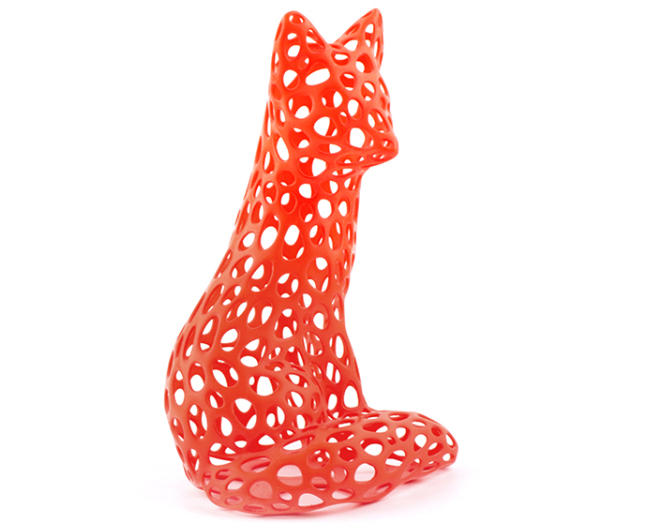
Se sei uno sviluppatore di prodotti, ingegnere, or designer looking to turn ideas into physical parts—whether for prototyping or low-volume production—3Tecnologia di stampa D è un punto di svolta. A differenza della produzione tradizionale (which cuts or molds material), 3D printing builds parts strato dopo strato, rendendolo ideale per progetti complessi, fast iterations, and small batches. But with so many 3D printing methods available, come si fa a scegliere quello giusto?? Questa guida analizza tutto ciò che devi sapere, from key technologies to real-world use cases and material options.
Why 3D Printing Matters in Product Development
3D printing isn’t just for “making toys” or “prototyping”—it’s a critical tool across industries, dal medico all’aerospaziale. Here’s why it’s essential for modern product development:
- Velocità: Create a single prototype in hours (non settimane) to test ideas fast. Per esempio, a medical device designer can 3D print an anatomical model of a patient’s knee in 24 hours to plan surgery, instead of waiting 2 weeks for a traditional model.
- Efficacia in termini di costi: No expensive tooling required. A startup developing a new phone case can print 10 test versions for \(200, versus \)5,000 for injection molding tooling.
- Complessità: Build parts with internal channels, strutture cave, or intricate details that traditional methods can’t achieve. Aerospace engineers use 3D printing to make lightweight turbine parts with internal cooling channels—reducing weight by 30% pur mantenendo la forza.
- Flessibilità: Iterate quickly. If a prototype fails a functional test, you can tweak the 3D design and print a new version the next day.
Key Polymer 3D Printing Technologies (With Comparisons)
Polimero (plastica) 3D printing is the most common type, used for everything from concept models to functional parts. Below are the top technologies, i loro punti di forza, and when to use them—plus a handy comparison table.
Stereolitografia (SLA)
SLA is the original industrial 3D printing process. It works by curing liquid thermoset resin with a UV laser, strato dopo strato. SLA excels at producing parts with:
- Ultra-smooth surface finishes (great for visual prototypes or parts that need to fit tightly, like a lens holder).
- Elevato dettaglio (ideal for microfluidics or small medical components, such as hearing aid shells).
- Tolleranze strette (critical for testing assembly fits).
Esempio del mondo reale: A dental lab uses SLA to print custom crown models. The smooth finish lets dentists check how the crown will fit a patient’s tooth before making the final ceramic version.
Sinterizzazione laser selettiva (SLS)
SLS melts nylon-based powder into solid plastic using a laser. Unlike SLA, it doesn’t need support structures—so you can nest multiple parts on one build platform (saving time and money for small batches). SLS parts are:
- Durevole (made from real thermoplastics, so they’re good for functional testing, like a hinge on a tool).
- Strong enough for snap-fits or living hinges (common in packaging prototypes).
Esempio del mondo reale: A consumer goods company uses SLS to print 50 prototypes of a shampoo bottle cap. The parts are strong enough to test how well the snap-fit closure works, and nesting 10 caps per build cuts production time by half.
PolyJet
PolyJet is unique: it can print parts with multiple materials or colors in one go. It works like a 2D inkjet printer but deposits layers of liquid resin that cure instantly. Use PolyJet if you need:
- Elastomeric parts (like a rubber grip on a tool) or overmolded designs (per esempio., a phone case with a soft edge and hard back).
- Full-color prototypes (great for marketing models, such as a toy prototype with brand colors).
Esempio del mondo reale: A sports equipment designer uses PolyJet to print a shoe sole prototype with both rigid and flexible sections. This lets them test comfort and traction without investing in expensive overmolding tooling.
Elaborazione digitale della luce (DLP)
DLP is similar to SLA but uses a digital light projector (instead of a UV laser) to cure an entire layer at once. This makes DLP faster than SLA—perfect for low-volume production. DLP parts have:
- Fast build speeds (good for printing 20-30 piccole parti, like custom jewelry, in a day).
- Smooth finishes (nearly as good as SLA).
Modellazione della deposizione fusa (FDM)
FDM is the most common desktop 3D printing technology. It extrudes a plastic filamento (like PLA or PETG) layer by layer onto a build platform. FDM is:
- Conveniente (great for concept models or simple prototypes, like a rough draft of a product 外壳).
- Facile da usare (ideal for startups or teams new to 3D printing).
Nota: FDM parts have rougher surfaces and are less strong than SLA or SLS—so they’re not best for functional testing.
Polymer 3D Printing Technology Comparison Table
| Tecnologia | Key Strengths | Finitura superficiale | Velocità | Ideale per | Costo (Per parte) |
| SLA | Elevato dettaglio, tolleranze strette | Liscio | Medio | Medical models, microfluidics | \(50–)500 |
| SLS | Durevole, nessun supporto | Rough | Medium-Fast | Prototipi funzionali, snap-fits | \(30–)300 |
| PolyJet | Multi-material/color | Liscio | Veloce | Overmolded parts, full-color models | \(100–)1,000 |
| DLP | Fast layer curing | Liscio | Veloce | Low-volume production (per esempio., gioielli) | \(40–)400 |
| FDM | Conveniente, facile da usare | Rough | Slow-Medium | Modelli concettuali, parti semplici | \(5–)50 |
Metal 3D Printing Technologies: For High-Strength Parts
Metal 3D printing is used for parts that need extreme durability—like aerospace components or medical implants. The two main technologies are:
Sinterizzazione laser diretta del metallo (DMLS)
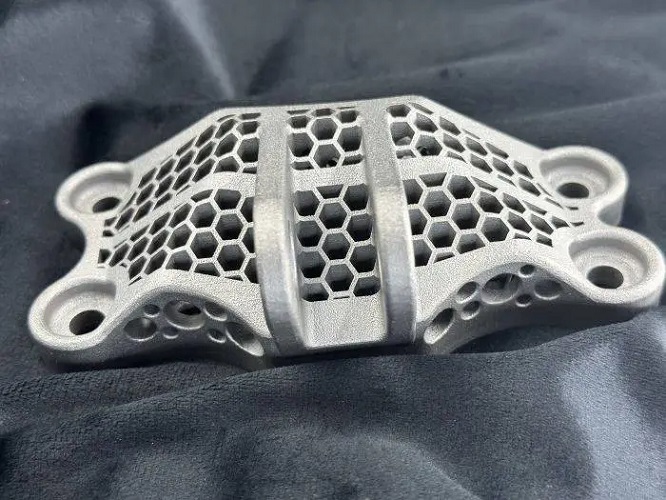
DMLS uses a laser to sinter polvere metallica (per esempio., alluminio, titanio) into solid parts. It’s ideal for:
- Geometrie complesse (per esempio., a titanium hip implant with a porous surface that bonds to bone).
- Reducing assembly time (turning a 5-part metal bracket into 1 single part).
- Prototyping and production (parts are as dense as those made by machining or casting).
Esempio del mondo reale: An aerospace company uses DMLS to print fuel nozzles for jet engines. The nozzles have internal channels that cool the part during flight—something traditional machining can’t create.
Fusione con fascio di elettroni (EBM)
EBM uses an electron beam (instead of a laser) to melt metal powder. It’s done in a vacuum with a heated build bed, making it good for:
- High-temperature metals (like titanium or Inconel, used in rocket engines).
- Parts that need high strength (per esempio., a turbine blade for a power plant).
Key Difference: EBM parts have slightly rougher surfaces than DMLS, but they’re better for materials that are hard to melt with a laser.
Metal 3D Printing Technology Comparison Table
| Tecnologia | Compatibilità dei materiali | Forza | Finitura superficiale | Ideale per |
| DMLS | Alluminio, titanio, acciaio inossidabile | Alto | Liscio | Impianti medici, componenti aerospaziali |
| EBM | Titanio, Inconel | Molto alto | Rough | Parti ad alta temperatura (rocket engines, turbines) |
How to Choose the Right 3D Printing Technology
Con così tante opzioni, use these 5 key factors to narrow down your choice:
- Bilancio: If you’re on a tight budget, FDM is best for concept models. For higher budgets, SLA or DMLS work for detailed/strong parts.
- Mechanical Requirements: Need a part to handle stress? Choose SLS (plastica) or DMLS (metallo). Just need a visual model? FDM or PolyJet (per colore).
- Cosmetic Appearance: Smooth finish for a presentation? SLA, DLP, or PolyJet. Rough finish is okay? SLS or FDM.
- Selezione dei materiali: Need a biodegradable part? Sustainable PLA. Need metal? DMLS or EBM.
- Geometria: Complex internal channels? DMLS (metallo) o SLS (plastica). Simple shape? FDM.
Esempio: A startup making a reusable water bottle needs 10 prototypes to test grip and fit. They have a $500 budget and want parts that are durable but don’t need a perfect finish. Soluzione: SLS with recycled PETG—affordable, forte, and no supports needed to nest parts.
Yigu Technology’s Perspective on 3D Printing
Alla tecnologia Yigu, we believe 3D printing is more than a manufacturing tool—it’s a catalyst for innovation. We’ve seen how it helps our clients (from small startups to large manufacturers) ridurre i tempi di realizzazione, tagliare i costi, and bring unique ideas to life. Per esempio, a client in the medical device industry used our 3D printing solutions to reduce prototype development time from 8 settimane a 5 giorni, letting them launch their product 3 months earlier. As the industry evolves, we’re focusing on integrating 3D printing with AI (to optimize designs) e sostenibilità (to use recycled materials). We’re excited to help more businesses leverage this technology to solve their biggest challenges.
FAQ About 3D Printing Technology
- Is 3D printing expensive for small businesses?
No—entry-level 3D printers cost as little as $200 (per esempio., the Creality Ender 3), and materials like PLA filament cost around $20 per kilogram. For small businesses, this makes 3D printing much cheaper than traditional prototyping (which can cost thousands of dollars for molds). - Can 3D printing be used to make functional parts (non solo prototipi)?
Yes—many industries use 3D printing for functional parts. Per esempio, NASA uses 3D-printed parts in spacecraft (they’re strong enough to withstand the harsh conditions of space), and bike companies use 3D-printed frames that are lightweight and durable. - How long does it take to learn 3D printing?
You can learn the basics (per esempio., designing a simple model in Tinkercad and printing it) in 1–2 weeks with online tutorials. Mastering advanced skills (per esempio., designing complex parts or troubleshooting printer issues) may take 3–6 months, but there are plenty of free resources (like YouTube channels or forums) to help you along the way.